Philodendron Pink Bikini Live Plant – Variegated Pink Houseplant 4″ Pot
-28%
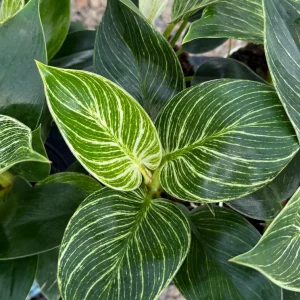
Philodendron Pink Bikini Live Plant – Variegated Pink Houseplant 4″ Pot
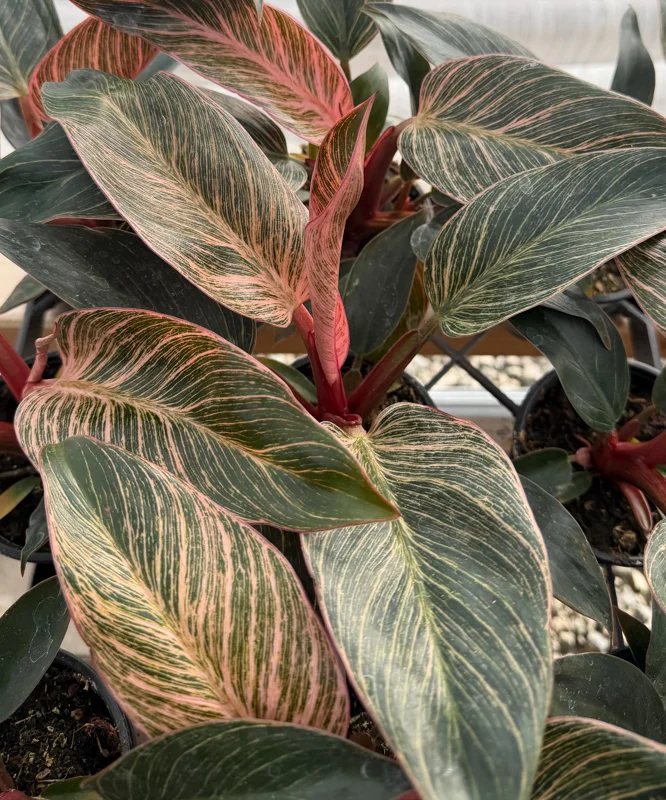
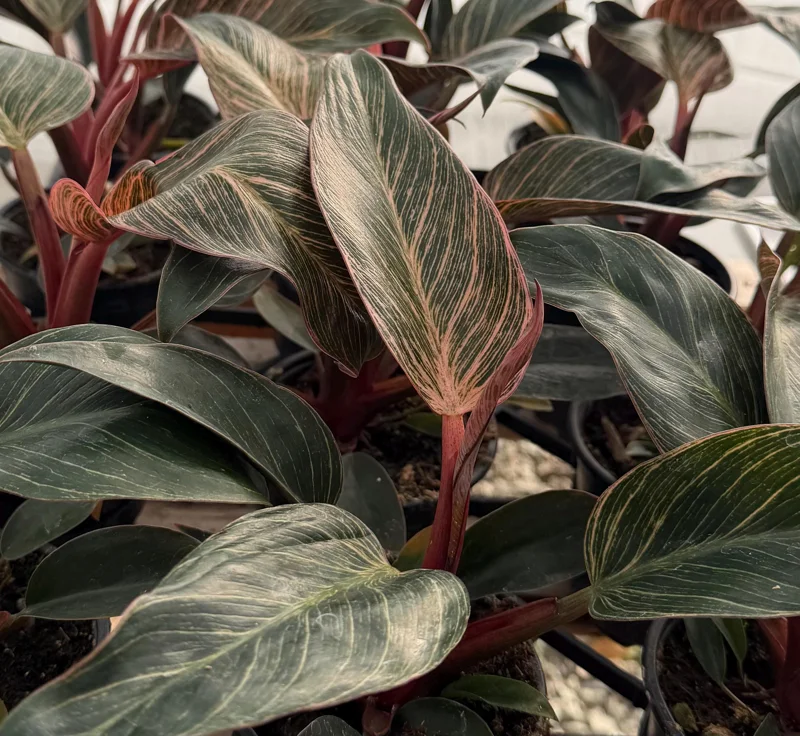
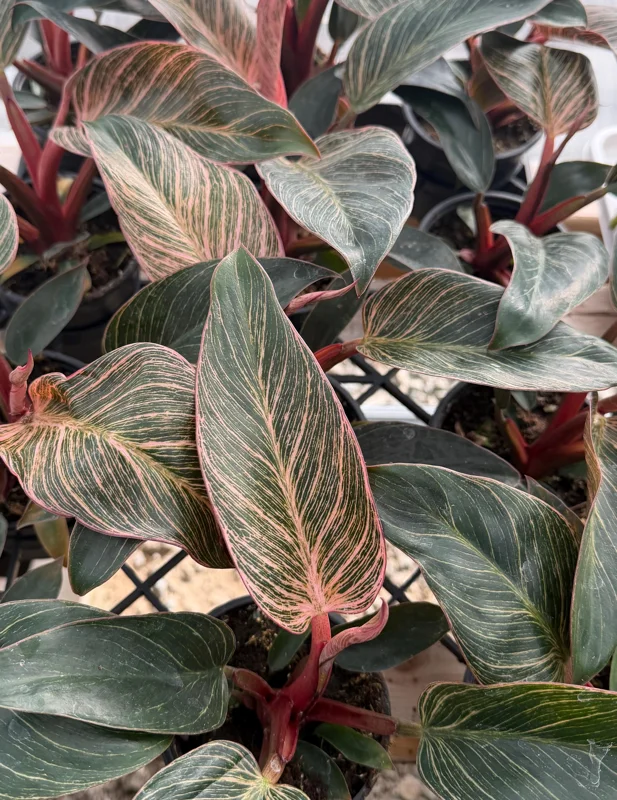
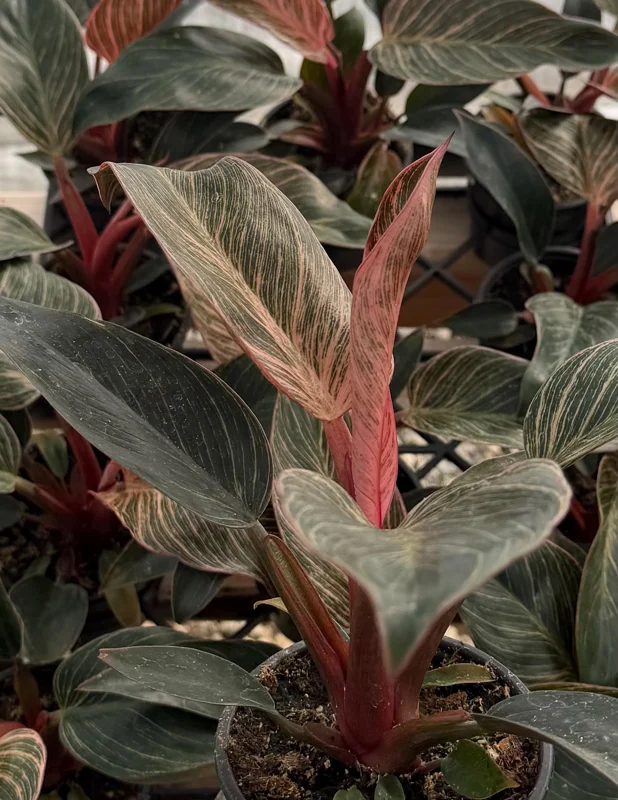
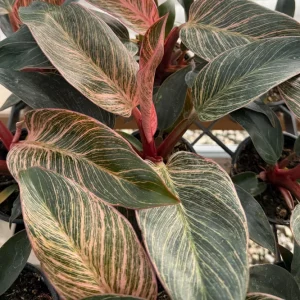
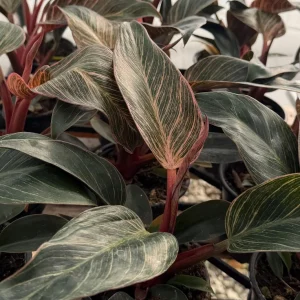
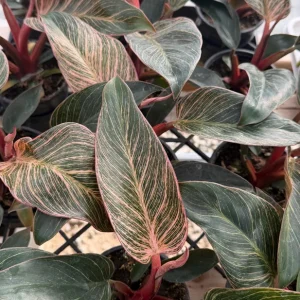
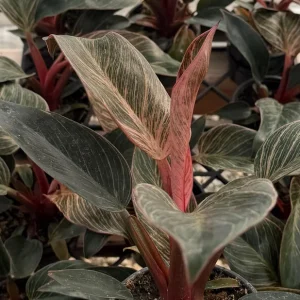
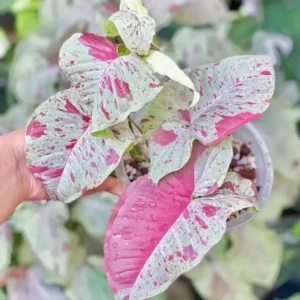
Bring home the captivating philodendron pink bikini live plant, a collector’s dream with its striking pink and cream variegation. This pink houseplant thrives indoors with bright indirect light, adding a vibrant splash of color to any space.
Original price was: $35.98.$25.99Current price is: $25.99.

With our Alive & Thrive Guarantee, we’ve got your back for the first 30 days! If you have any concerns about your plants, just reach out to us. Our team is here to help answer your questions and guide you in selecting the best plants for your garden, climate, and unique preferences. We're excited to help you create the garden of your dreams!
Estimated arrival
Apr 13
Apr 18 - Apr 20
Apr 23 - Apr 27
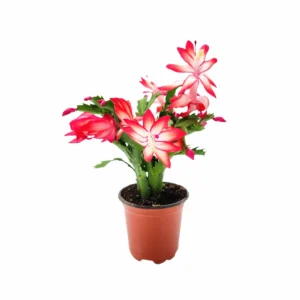
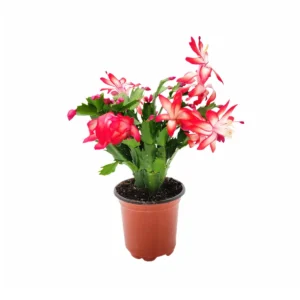
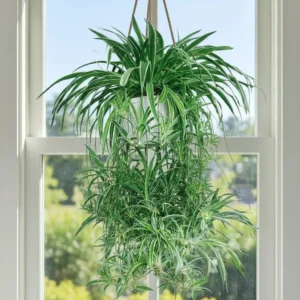
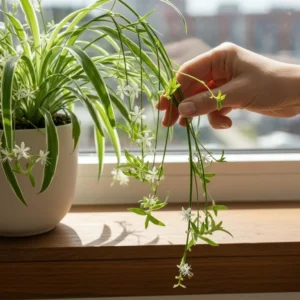
Product Details
-
USDA Hardiness Zone
USDA zones 10-11 (indoors elsewhere) -
Soil type
Well-draining potting mix with perlite/orchid bark -
Sunlight Exposure
Bright indirect light -
Expected Planting Period
Year-round indoors
Overview
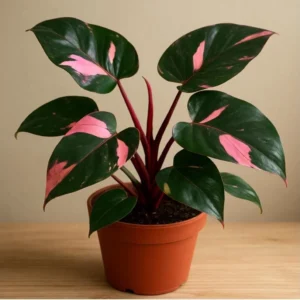
Introducing the stunning philodendron pink bikini live plant, a true jewel for any indoor plant enthusiast or collector. This exceptional variegated philodendron is celebrated for its breathtaking coloration, featuring an exquisite blend of bubblegum pink, creamy white, and deep green on its heart-shaped, glossy leaves. Each leaf of the philodendron pink bikini live plant is a unique work of art, often displaying streaks and paint-like splashes that make it stand out from other philodendrons. Known for its upright growth habit, this plant is not only beautiful but also a rewarding specimen to cultivate, especially as it matures and begins to climb, benefiting from a support pole. It’s a special variation within the beloved Pink Princess family, cherished for its vivid variegation and distinctive striping patterns that are truly eye-catching.
The allure of the variegated philodendron lies in its dynamic foliage, which continuously evolves, revealing new patterns and color intensities with each emerging leaf. This particular variety, the Pink Bikini, brings a fresh and vibrant energy to any indoor setting, making it an ideal choice for adding a pop of color and natural elegance to your home or office. It’s more than just a plant; it’s a living sculpture that enhances your environment and sparks conversation. Whether you’re a seasoned collector seeking a rare find or a beginner looking for a show-stopping plant, the Pink Bikini philodendron offers both beauty and a touch of exotic charm.
Key Benefits
The philodendron pink bikini live plant offers a multitude of benefits, making it a highly desirable addition to any indoor plant collection. Its unique aesthetics and relatively straightforward care make it a rewarding choice for various plant enthusiasts.
- Stunning Visual Appeal: The vibrant pink, cream, and green variegation creates a striking contrast that instantly brightens any room. Its glossy, heart-shaped leaves are truly captivating.
- Rare Collector’s Item: As a special variation, this variegated philodendron is highly sought after by collectors, adding prestige and uniqueness to your plant display.
- Air Purification: Like many philodendrons, this plant contributes to improving indoor air quality, helping to filter out common household toxins and creating a healthier living space.
- Upright Growth Habit: Its natural tendency to grow upright makes it a versatile plant for various spaces, and it can be trained to climb, adding vertical interest.
- Enhances Indoor Aesthetics: The vivid colors and elegant form of this pink houseplant provide a beautiful focal point, complementing modern and traditional decor alike.
- Therapeutic Presence: Caring for plants like the philodendron pink bikini live plant can be a calming and rewarding experience, contributing to overall well-being and stress reduction.
- Relatively Low Maintenance: While it appreciates specific conditions, once established, this philodendron is not overly demanding, making it suitable for those with some plant care experience.
Plant Care & Growing Tips
To ensure your philodendron pink bikini live plant thrives and maintains its stunning variegation, providing the right environmental conditions is crucial. This plant, like many rare philodendron varieties, appreciates consistency and attention to its specific needs.
For optimal color and health, the philodendron pink bikini live plant requires bright indirect light. Placing it near an east-facing window or a few feet away from a south or west-facing window is ideal. Direct sunlight can scorch its delicate variegated leaves, leading to browning, while insufficient light can cause the pink hues to fade and the plant to become leggy. Temperatures between 65-80°F (18-27°C) are preferred, along with higher humidity levels, ideally above 60%. You can increase humidity by using a pebble tray, a room humidifier, or by grouping it with other plants. A well-draining soil mix is essential to prevent root rot. A good blend would consist of potting mix, perlite, and orchid bark, providing both drainage and aeration.
Water your philodendron pink bikini live plant only when the top 1-2 inches of soil have dried out. Overwatering is a common mistake and can quickly lead to problems. Always check the soil moisture with your finger before watering. During the growing season (spring and summer), fertilize monthly with a balanced liquid fertilizer diluted to half strength. Reduce feeding in fall and winter. As it matures, this philodendron care involves providing a support pole, such as a moss pole, to encourage larger leaf growth and maintain its upright structure. Regularly inspect your plant for pests and wipe down leaves to keep them clean and dust-free, ensuring efficient photosynthesis and continued vibrant growth.
Size & Details
This offering is for a healthy philodendron pink bikini live plant, shipped in a 4-inch nursery pot. At this stage, the plant typically stands approximately 6-10 inches tall, with a compact growth habit, making it perfect for desks, shelves, or as an accent in a larger display. The growth rate is moderate, and with proper philodendron care, it can quickly establish itself and begin to produce new, vibrant leaves. As a mature plant, a Pink Bikini philodendron can reach heights of several feet when provided with adequate support, showcasing increasingly larger and more dramatically variegated foliage. It ships as a well-rooted, established plant, ready to acclimate to its new home.
Each plant is carefully selected to ensure quality and vigor, representing the distinctive characteristics of this rare variety. The 4-inch pot size provides a good starting point for growth, allowing the roots to develop before needing to be repotted. Expect a robust plant with several established leaves already displaying the characteristic pink and green variegation that makes this variety so desirable. This size is ideal for both beginner collectors and experienced enthusiasts looking to add a unique specimen to their collection.
Frequently Asked Questions
- Q: How big does this philodendron pink bikini live plant get? A: In a 4-inch pot, it typically stands 6-10 inches tall. With proper care and a support pole, it can grow several feet tall, with larger leaves as it matures.
- Q: Is this an indoor or outdoor plant? A: The philodendron pink bikini live plant is primarily an indoor plant, thriving in controlled environments with bright indirect light. It is not cold-hardy and should be protected from temperatures below 60°F (15°C).
- Q: How much sunlight does it need? A: It requires bright indirect light to maintain its vibrant pink variegation. Avoid direct sunlight, which can burn the leaves, and low light, which can cause the pink colors to fade.
- Q: Is this plant easy to care for? A: While not difficult, it is best suited for those with some experience in caring for houseplants. Consistent watering, adequate humidity, and bright indirect light are key for successful philodendron care.
- Q: What condition will it arrive in? A: Your philodendron pink bikini live plant will arrive as a healthy, established plant in its 4-inch nursery pot, carefully packaged to ensure its safety during transit.
- Q: What is the best soil for a variegated philodendron? A: A well-draining, airy potting mix is ideal. A mix of potting soil, perlite, and orchid bark provides the necessary drainage and aeration for healthy root development.
- Q: How often should I water my pink houseplant? A: Water when the top 1-2 inches of soil feel dry to the touch. It’s better to slightly underwater than overwater, as philodendrons are susceptible to root rot.
- Q: Is the rare philodendron Pink Bikini pet-safe? A: No, like many philodendrons, this plant is toxic if ingested by pets. Keep it out of reach of curious animals.
- Q: Why are the pink colors on my plant fading? A: Fading pink variegation is often a sign of insufficient light. Ensure your philodendron pink bikini live plant is receiving ample bright, indirect light to maintain its vibrant hues.
- Q: When is the best time to repot this plant? A: Repot your philodendron when it becomes root-bound, typically every 1-2 years, or when you notice roots growing out of the drainage holes. Spring is the ideal time for repotting.
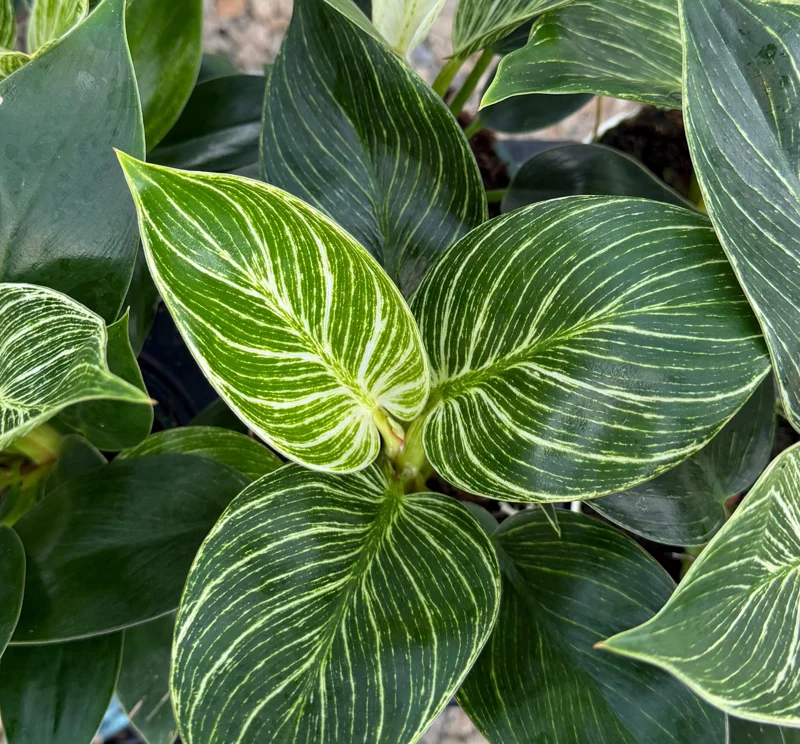
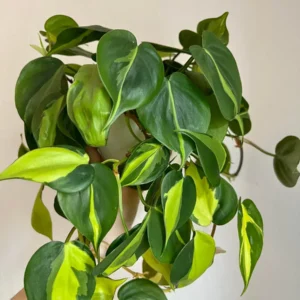
| Color | Pink Bikini, White Bikini |
|---|
Related products
-30%
Original price was: $25.98.$18.18Current price is: $18.18.
-25%
Original price was: $20.90.$15.68Current price is: $15.68.
-30%
Original price was: $13.98.$9.78Current price is: $9.78.
-25%
Original price was: $20.90.$15.68Current price is: $15.68.
-30%
Original price was: $129.98.$90.98Current price is: $90.98.
PLANTING & CARE

Growing Glencoe Raspberry: A Complete Guide for Gardeners
If you’re looking to add something unique to your garden, look no further than the
31
Mar
Mar

The Comprehensive Guide to Growing Bay Leaf Plants for a Flavorful Garden
Imagine stepping into your garden, greeted by the earthy aroma of fresh bay leaves, their
09
Feb
Feb

How to Make Comfrey Tea: The Ultimate Organic Plant Food
Growing an organic garden can be surprisingly expensive, especially when most store-bought fertilizers come in
02
Feb
Feb

True Comfrey: 7 Essential Tips Before You Plant This Herb
A staple in permaculture practices across the US, True Comfrey easily earns its reputation as
27
Jan
Jan

7 Heart-Shaped Plants for a Lasting Valentine’s Gift
If you’ve ever bought a bouquet of roses for Valentine’s Day, you know they are
26
Jan
Jan

Best Types of Ivy Plant for Houses: How to Choose the Perfect Ones for Your Home
Are you a garden lover looking to introduce some greenery into your home? Maybe you’ve
14
Nov
Nov

When to Harvest Garlic (Especially Fall-Planted Garlic)
TIMING IS EVERYTHING, they say – and for garlic, that truth hits with surprising accuracy.
13
Nov
Nov

11 of the Best Sweet Potato Varieties to Grow for Your Garden
If you’ve ever tried growing sweet potatoes, you know that picking the right variety can
12
Nov
Nov