Fishbone Cactus Live Plant – Zig Zag Orchid Cactus Houseplant in 2.5 inch Pot
-27%
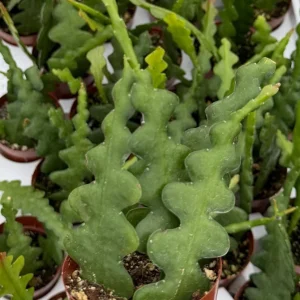
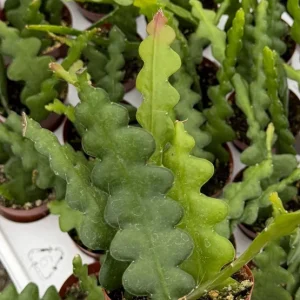
Fishbone Cactus Live Plant – Zig Zag Orchid Cactus Houseplant in 2.5 inch Pot
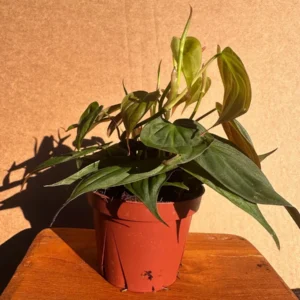
Bring unique charm to your home with a fishbone cactus live plant. This distinctive zig zag cactus care is minimal, making it an ideal orchid cactus houseplant for beginners or experienced plant enthusiasts. Its dramatic foliage and nocturnal flowers create a striking display. Shipped in a 2.5 inch pot, ready to thrive indoors.
Original price was: $25.98.$18.99Current price is: $18.99.

With our Alive & Thrive Guarantee, we’ve got your back for the first 30 days! If you have any concerns about your plants, just reach out to us. Our team is here to help answer your questions and guide you in selecting the best plants for your garden, climate, and unique preferences. We're excited to help you create the garden of your dreams!
Estimated arrival
Apr 12
Apr 17 - Apr 19
Apr 22 - Apr 26
Product Details
-
USDA Hardiness Zone
USDA zones 10-11 (outdoors); year-round indoors -
Soil type
Well-draining, slightly organic potting mix -
Sunlight Exposure
Bright indirect light -
Expected Planting Period
Year-round indoors
Overview
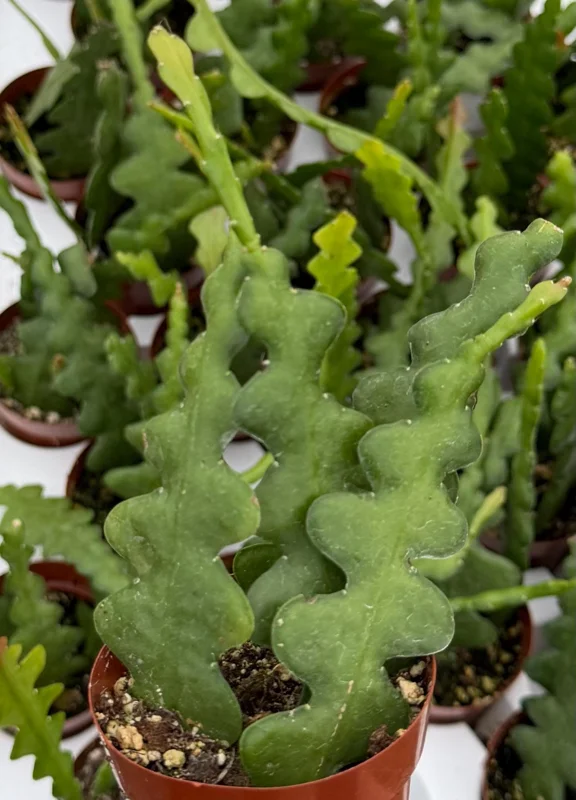
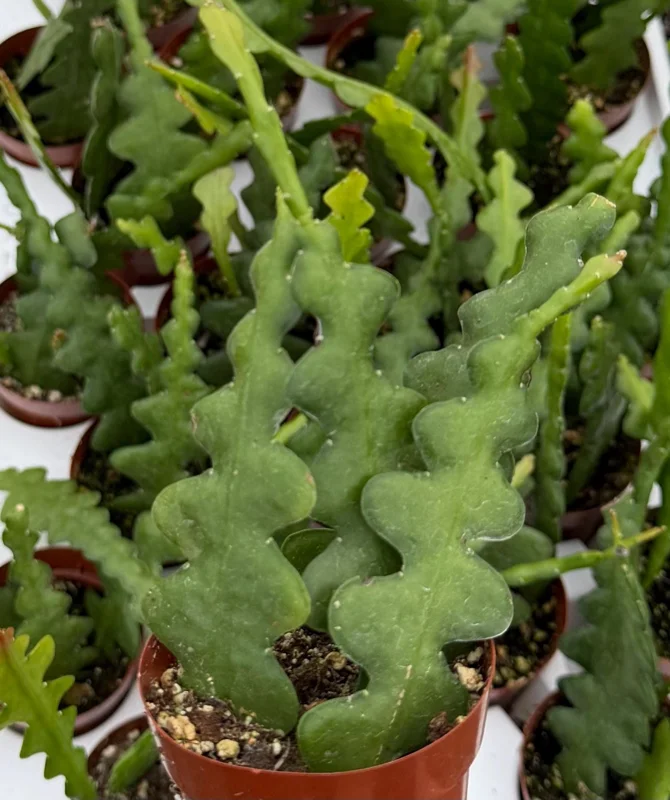
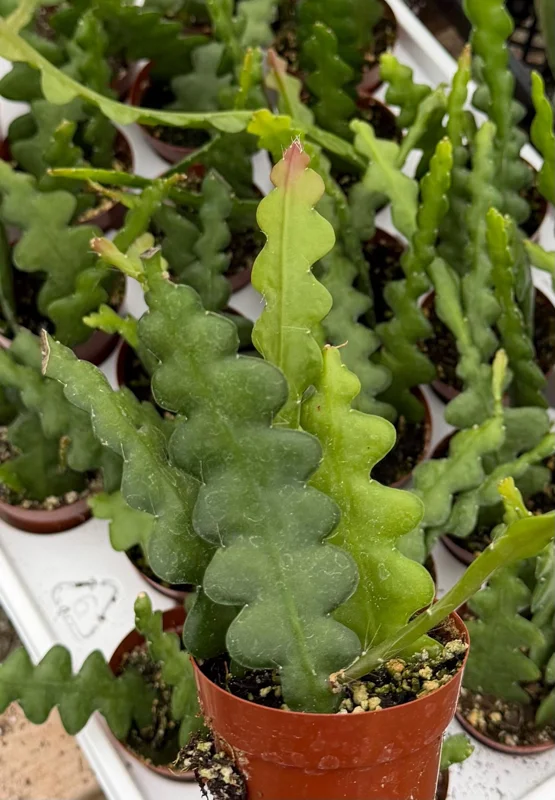
Introduce a touch of tropical elegance and architectural interest to your indoor garden with the stunning fishbone cactus live plant. Also widely known as the Zig Zag Cactus or Orchid Cactus houseplant, this unique epiphytic cactus, scientifically named Disocactus anguliger, is celebrated for its distinctive, deeply lobed stems that resemble a fishbone or zigzag pattern. Native to the lush rainforests of Mexico, this plant thrives by attaching itself to trees, soaking up bright, filtered light and high humidity, contrasting sharply with its desert-dwelling cactus cousins. Perfect for hanging baskets or as a vibrant shelf plant, the fishbone cactus live plant offers an exotic appeal that will captivate any plant lover. Its ease of care makes it a fantastic addition for both novice and experienced gardeners looking for a visually striking tropical houseplant.
Key Benefits
The fishbone cactus live plant offers a multitude of benefits, making it a highly desirable addition to any indoor plant collection. From its unique aesthetics to its relatively simple care, this plant is a true gem.
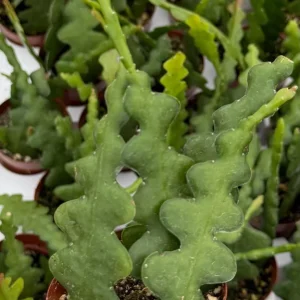
- Unique Ornamental Appeal: The most striking feature of this plant is its dramatic, wavy, and deeply serrated stems, which give it its common name, Zig Zag Cactus. This distinctive foliage provides year-round visual interest and can be a fantastic conversation starter in any room.
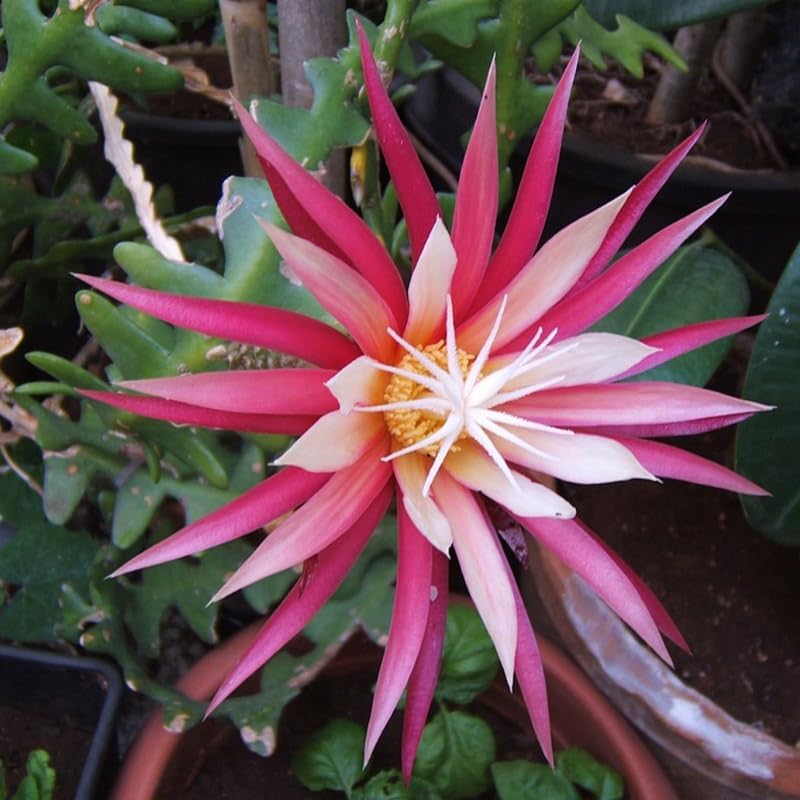
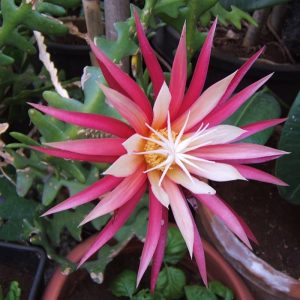
- Stunning Nocturnal Blooms: While its foliage is captivating, the orchid cactus houseplant also produces large, fragrant flowers that typically bloom at night. These beautiful white or pale yellow blossoms are truly spectacular when open, adding a magical touch to your evenings.
- Adaptable Houseplant: Unlike many cacti, the fishbone cactus live plant prefers conditions closer to a tropical houseplant, making it well-suited for indoor environments. It adapts well to typical home humidity and temperature levels, thriving without extreme specialized conditions.
- Relatively Low Maintenance: With proper understanding of its tropical needs, caring for a Disocactus anguliger is straightforward. It doesn’t require constant attention and can be forgiving of occasional neglect, making it a great choice for busy individuals.
- Air Purification Benefits: Like many houseplants, the fishbone cactus live plant contributes to a healthier indoor environment by helping to filter and purify the air, enhancing the overall quality of your living space.
- Great for Hanging Baskets: Its cascading growth habit makes the zig zag cactus care ideal for hanging planters, allowing its unique stems to drape gracefully and create a lush, living curtain effect.
Plant Care & Growing Tips
Caring for your fishbone cactus live plant involves providing conditions that mimic its native tropical rainforest habitat. It thrives in bright indirect light, similar to what it would receive under a canopy of trees. Avoid direct, harsh sunlight, which can scorch its delicate stems. An east or north-facing window is often ideal, or a spot a few feet away from a south or west-facing window. The ideal temperature range for a Disocactus anguliger is between 60-75°F (15-24°C), and it appreciates higher humidity levels, which can be achieved with regular misting, a pebble tray, or a humidifier.
When it comes to watering, the orchid cactus houseplant prefers consistent moisture but absolutely abhors soggy soil. Water thoroughly when the top inch or two of the soil feels dry to the touch, allowing excess water to drain completely. During its dormant period in winter, reduce watering frequency. A well-draining yet slightly organic soil mix is best, such as a blend designed for orchids or epiphytes, or a standard potting mix amended with perlite and orchid bark. Fertilize every 2-4 weeks during the growing season (spring and summer) with a balanced liquid fertilizer diluted to half strength. While generally robust, consistent zig zag cactus care will ensure a healthy and thriving plant, free from common issues like root rot from overwatering or sunburn from too much direct light.
Size & Details
This beautiful fishbone cactus live plant is shipped in a convenient 2.5 inch nursery pot, providing a perfect starter size for your home. Its unique stems will begin to cascade as it matures, making it an excellent choice for shelves or hanging baskets. While young, the plant will establish its root system and begin to produce its characteristic zigzag foliage. The growth rate is moderate, and with optimal tropical houseplant care, you can expect it to develop into a lush specimen over time. The plant will arrive healthy and actively growing, ready to be acclimated to its new environment. Its mature size can vary, with stems reaching several feet in length, creating a dramatic visual impact.
Frequently Asked Questions
- Q: How big does a fishbone cactus live plant get? A: The stems of a mature fishbone cactus live plant can grow quite long, often several feet in length, creating a beautiful trailing effect. The overall size depends on growing conditions and pot size.
- Q: What size pot does this orchid cactus houseplant come in? A: This orchid cactus houseplant is shipped in a 2.5 inch nursery pot, a perfect size to begin growing and then repot as it matures.
- Q: Is this an indoor or outdoor plant? A: The fishbone cactus live plant is primarily grown as an indoor plant in most climates due to its tropical nature. It can be moved outdoors in shaded areas during warm summer months in USDA zones 10-11, but must be brought inside before cold temperatures hit.
- Q: How much sunlight does a zig zag cactus care need? A: It thrives in bright, indirect light. Avoid direct, intense sun, which can burn its foliage. A position near an east or north-facing window is often ideal for optimal zig zag cactus care.
- Q: Is this plant easy to care for? A: Yes, the fishbone cactus live plant is considered relatively easy to care for, especially if you understand its preference for tropical conditions over desert conditions. It’s a great choice for beginners looking for a unique plant.
- Q: What condition will it arrive in? A: Your fishbone cactus live plant will arrive healthy and well-packaged, ready to be introduced to its new home. We take great care in ensuring safe transit.
- Q: Is the Disocactus anguliger pet-safe? A: The Disocactus anguliger is generally considered non-toxic to pets, making it a safe choice for homes with cats and dogs. However, it’s always best to prevent pets from chewing on plants.
- Q: How often should I water my tropical houseplant care? A: Water your tropical houseplant care when the top 1-2 inches of soil feel dry. It’s crucial to allow the soil to dry out slightly between waterings to prevent root rot, but don’t let it remain bone dry for extended periods.
- Q: When does the fishbone cactus bloom? A: The fishbone cactus live plant typically blooms in late spring or early summer, producing fragrant white or pale yellow flowers that open at night.
- Q: What kind of soil is best for this plant? A: A well-draining, slightly organic soil mix is ideal. Consider a blend formulated for orchids or epiphytes, or a standard potting mix amended with perlite, orchid bark, or coco coir for improved drainage and aeration.
Related products
-25%
Original price was: $23.80.$17.84Current price is: $17.84.
-30%
Original price was: $25.98.$18.18Current price is: $18.18.

-25%
Original price was: $20.90.$15.68Current price is: $15.68.

PLANTING & CARE

Growing Glencoe Raspberry: A Complete Guide for Gardeners
If you’re looking to add something unique to your garden, look no further than the
31
Mar
Mar

The Comprehensive Guide to Growing Bay Leaf Plants for a Flavorful Garden
Imagine stepping into your garden, greeted by the earthy aroma of fresh bay leaves, their
09
Feb
Feb

How to Make Comfrey Tea: The Ultimate Organic Plant Food
Growing an organic garden can be surprisingly expensive, especially when most store-bought fertilizers come in
02
Feb
Feb

True Comfrey: 7 Essential Tips Before You Plant This Herb
A staple in permaculture practices across the US, True Comfrey easily earns its reputation as
27
Jan
Jan

7 Heart-Shaped Plants for a Lasting Valentine’s Gift
If you’ve ever bought a bouquet of roses for Valentine’s Day, you know they are
26
Jan
Jan

Best Types of Ivy Plant for Houses: How to Choose the Perfect Ones for Your Home
Are you a garden lover looking to introduce some greenery into your home? Maybe you’ve
14
Nov
Nov

When to Harvest Garlic (Especially Fall-Planted Garlic)
TIMING IS EVERYTHING, they say – and for garlic, that truth hits with surprising accuracy.
13
Nov
Nov

11 of the Best Sweet Potato Varieties to Grow for Your Garden
If you’ve ever tried growing sweet potatoes, you know that picking the right variety can
12
Nov
Nov