Euphorbia Obesa Baseball Plant Live Succulent Plant in 4 inch Pot
-28%
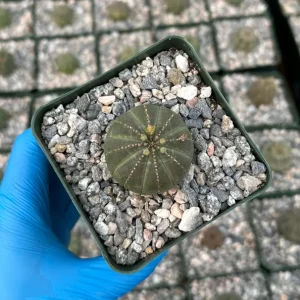
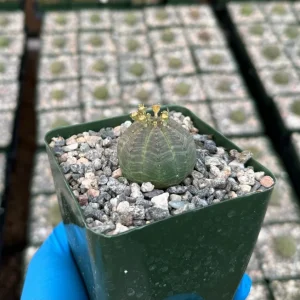
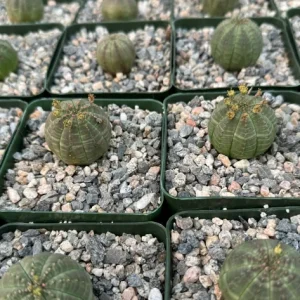
Euphorbia Obesa Baseball Plant Live Succulent Plant in 4 inch Pot
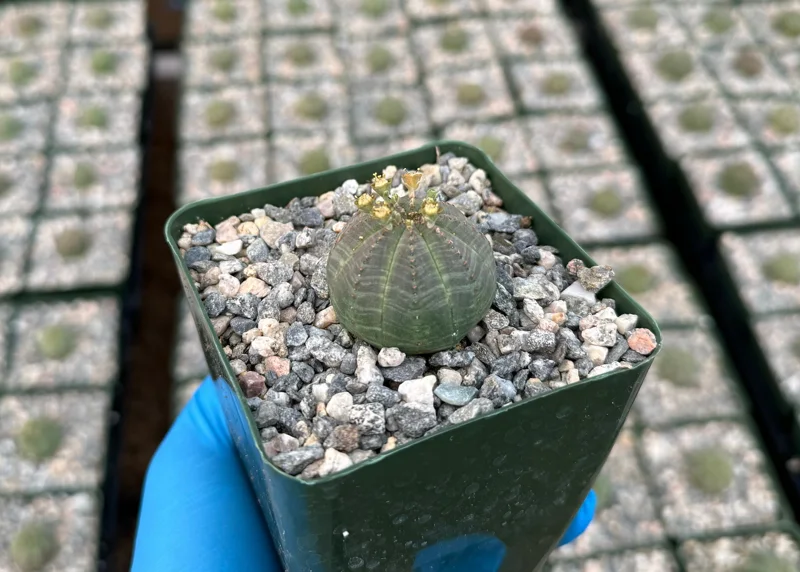
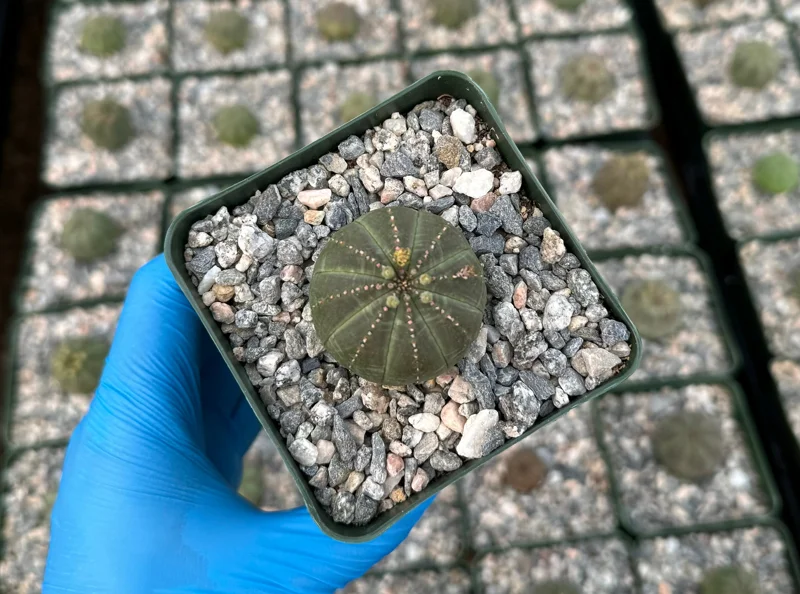
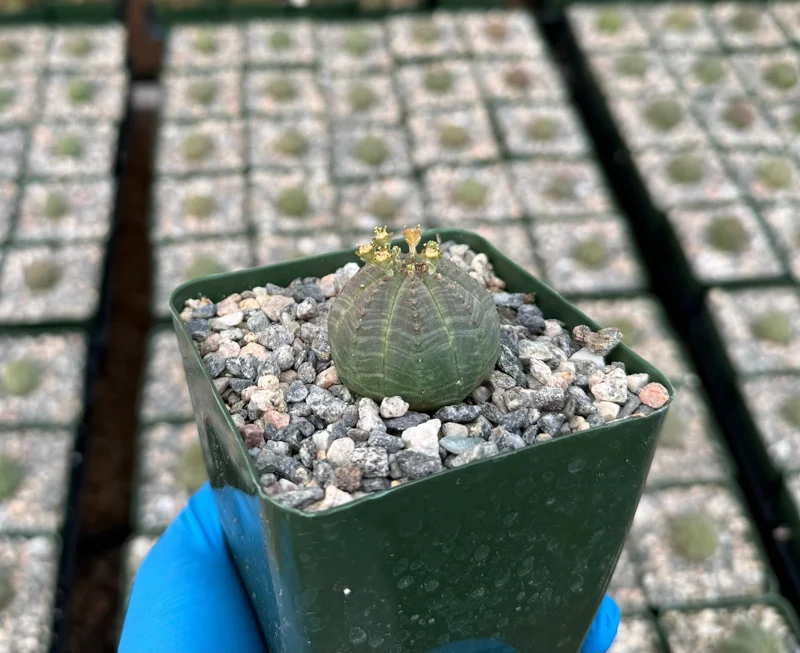
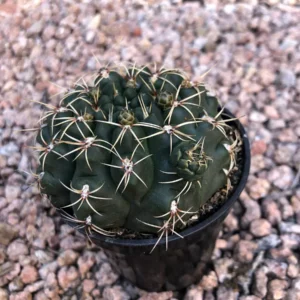
Bring home a unique and captivating addition to your plant collection with the Euphorbia Obesa live plant. Also known as the Baseball Plant succulent, this fascinating specimen comes in a 4 inch pot, ready to display its distinctive spherical shape and striking appearance. Perfect for indoor environments, it’s a conversation starter and a truly rare succulent plant.
Original price was: $35.98.$25.99Current price is: $25.99.

With our Alive & Thrive Guarantee, we’ve got your back for the first 30 days! If you have any concerns about your plants, just reach out to us. Our team is here to help answer your questions and guide you in selecting the best plants for your garden, climate, and unique preferences. We're excited to help you create the garden of your dreams!
Estimated arrival
Apr 13
Apr 18 - Apr 20
Apr 23 - Apr 27
Product Details
-
USDA Hardiness Zone
USDA zones 9–11 (outdoors); suitable for all zones indoors -
Soil type
Well-draining succulent or cactus potting mix -
Sunlight Exposure
Bright indirect light -
Expected Planting Period
Year-round indoors
Overview
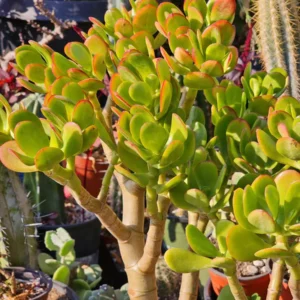
Introduce a truly captivating specimen to your indoor garden with the Euphorbia Obesa live plant. Often affectionately known as the “Baseball Plant” or “Living Baseball,” this unique succulent is a member of the diverse Euphorbiaceae family and is native to the arid regions of South Africa. Its most striking feature is its perfectly spherical, ball-like stem, which can grow up to 6 inches (15 cm) in diameter, resembling a baseball or a small melon. This distinctive shape, combined with its relatively slow growth rate, makes the Baseball Plant succulent a highly sought-after collector’s item and an excellent choice for those seeking a sculptural, low-maintenance plant. Its resilience and unusual form ensure it stands out in any collection, making it a truly rare succulent plant.
Key Benefits
The Euphorbia Obesa live plant offers numerous benefits, making it an ideal choice for both seasoned collectors and new plant enthusiasts alike. Its unique form and easy care requirements contribute to its appeal.
- Exceptional Aesthetic Appeal: The spherical, symmetrical shape of the Baseball Plant succulent provides a unique, sculptural element to any indoor space, acting as a natural piece of living art.
- Low Maintenance: As a succulent, Euphorbia obesa is incredibly drought-tolerant and requires minimal watering, making it perfect for busy individuals or those new to plant care.
- Rare and Collectible: Its distinctive appearance and status as a rare succulent plant make it a prized possession for plant enthusiasts looking to expand their unique collections.
- Compact Size: Growing slowly and remaining relatively small, the Euphorbia Obesa live plant is ideal for windowsills, desks, or terrariums where space is limited.
- Adaptable to Indoor Environments: This plant thrives in typical indoor conditions, provided it receives adequate light, making it an excellent houseplant.
- Conversation Starter: Its unusual “baseball” appearance is sure to spark curiosity and conversation among guests, adding a touch of exotic charm to your home.
- Drought Tolerance: Like other succulents, the Baseball Plant succulent stores water in its stem, allowing it to endure periods of dryness with ease.
Plant Care & Growing Tips
Caring for your Euphorbia Obesa live plant is relatively straightforward, making it a rewarding experience for succulent lovers. This plant thrives on neglect rather than over-care, so understanding its basic needs is key to its success. For optimal growth and to ensure your Baseball Plant succulent flourishes, follow these simple guidelines.
Sunlight Requirements: The Euphorbia Obesa live plant prefers bright, indirect light. A south-facing window with some protection from intense afternoon sun is ideal. While it can tolerate some direct morning sun, too much harsh, direct sunlight can cause scorching or stress. If grown outdoors in appropriate climates, place it in a location that receives ample light but is shielded during the hottest parts of the day. Proper light exposure is crucial for the characteristic coloration and compact growth of this rare succulent plant.
Watering Schedule and Soil Moisture Preferences: Watering is the most critical aspect of Euphorbia obesa care. As a succulent adapted to arid conditions, it is highly susceptible to root rot from overwatering. Allow the soil to dry out completely between waterings, then water thoroughly until water drains from the bottom of the pot. During its dormant period in winter, reduce watering significantly, perhaps once a month or even less. Always err on the side of underwatering rather than overwatering. The pot size (e.g., 4 inch pot) influences how quickly the soil dries, so monitor accordingly.
Soil Type and Drainage Requirements: A well-draining soil mix is absolutely essential for the Euphorbia Obesa live plant. A standard succulent or cactus potting mix is perfect. You can also create your own by mixing regular potting soil with perlite, pumice, or coarse sand in a 1:1 ratio to enhance drainage. The pot itself must have drainage holes to prevent water from pooling at the roots.
Temperature Range and USDA Hardiness Zone: Euphorbia obesa prefers warm temperatures, ideally between 60-80°F (15-27°C). It is not frost-tolerant and should be protected from temperatures below 40°F (4°C). If you live in USDA zones 9-11, it can be grown outdoors year-round, but in cooler climates, it must be brought indoors before the first frost. This makes it an excellent indoor succulent plant for most regions.
Fertilization Schedule and Type: Fertilize sparingly, if at all. During the growing season (spring and summer), you can feed your Euphorbia Obesa live plant with a diluted, balanced liquid fertilizer formulated for succulents or cacti, about once every 2-4 weeks. Do not fertilize during its dormant winter period.
Common Problems and Solutions: The most common issue is overwatering, leading to root rot. If you notice the plant becoming soft or discolored at the base, it’s likely receiving too much water. Pests are generally not a major problem, but mealybugs can occasionally appear. Treat with rubbing alcohol or an insecticidal soap. Ensure good air circulation to prevent fungal issues.
Size & Details
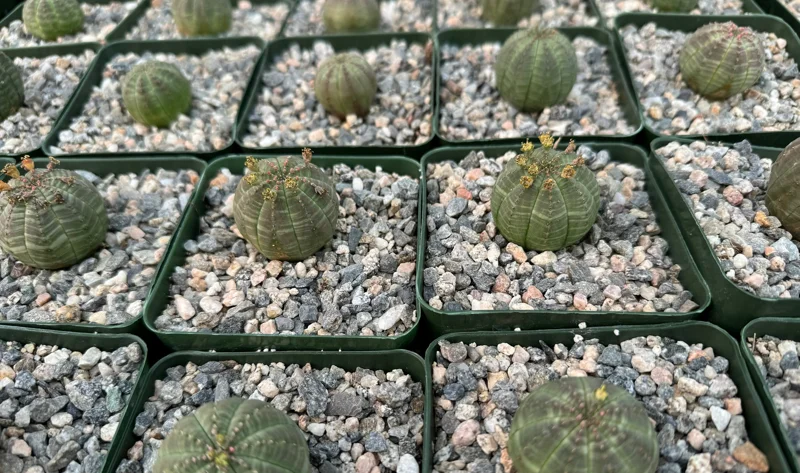
This offering is for a healthy Euphorbia Obesa live plant, commonly known as the Baseball Plant, shipped in a 4 inch pot. The spherical stem typically measures around 2-4 inches in diameter upon arrival, with the potential to grow up to 6 inches (15 cm) over many years. This slow-growing succulent maintains a compact form, making it an ideal indoor succulent plant for small spaces or as part of a succulent arrangement. It will arrive as a well-rooted, established plant, ready to be placed in its new home. Its unique structure and slow growth rate mean it will retain its distinctive appearance for a long time, requiring minimal intervention. As a dioecious plant, individual specimens are either male or female; male plants produce more noticeable flowers, while female plants have smaller, inconspicuous blooms, both typically greenish-yellow and arranged in clusters at the top of the plant.
Frequently Asked Questions
- Q: How big does this plant get? A: The spherical stem of the Euphorbia Obesa live plant typically grows up to 6 inches (15 cm) in diameter, though growth is very slow. It remains a compact and manageable size, perfect for indoor display.
- Q: What size pot does it come in? A: This Baseball Plant succulent is shipped in a 4 inch pot, providing ample space for its initial growth and establishment. You can choose to repot it into a slightly larger container as it grows.
- Q: Is this an indoor or outdoor plant? A: While it can be grown outdoors in warm, frost-free climates (USDA zones 9-11), it is primarily cultivated as an excellent indoor succulent plant in most regions due to its sensitivity to cold.
- Q: How much sunlight does it need? A: The Euphorbia Obesa live plant thrives in bright, indirect light. Avoid harsh, direct afternoon sun, which can scorch its surface. A spot near a south or west-facing window with some protection is ideal.
- Q: Is this plant easy to care for? A: Yes, Euphorbia obesa care is considered easy due to its drought tolerance and minimal needs. The key is to avoid overwatering and provide sufficient light, making it a great choice for beginners.
- Q: What condition will it arrive in? A: Your rare succulent plant will arrive as a healthy, live specimen, well-rooted in its 4 inch nursery pot. We take great care in packaging to ensure it reaches you in excellent condition.
- Q: Is this plant pet-safe? A: Like many Euphorbia species, the sap of Euphorbia obesa can be irritating if ingested or if it comes into contact with skin or eyes. It’s best to keep it out of reach of pets and children.
- Q: How often should I water my Euphorbia Obesa? A: Water only when the soil is completely dry to the touch, and then water thoroughly. Reduce watering significantly during the cooler, dormant winter months to prevent root rot, which is critical for successful Euphorbia obesa care.
- Q: What kind of soil is best for this succulent? A: A well-draining cactus or succulent potting mix is ideal for the Baseball Plant succulent. This ensures that excess water can escape quickly, preventing moisture buildup around the roots.
- Q: Does it produce flowers? A: Yes, Euphorbia obesa is dioecious, meaning it has separate male and female plants. Both produce small, greenish-yellow flowers in clusters at the top. Male flowers are generally more noticeable than the inconspicuous female flowers.
Related products
-39%
Original price was: $39.98.$24.50Current price is: $24.50.
-30%
Original price was: $85.98.$60.18Current price is: $60.18.
-30%
Original price was: $79.98.$55.98Current price is: $55.98.
-30%
Original price was: $47.98.$33.58Current price is: $33.58.
-30%
Original price was: $47.98.$33.58Current price is: $33.58.
PLANTING & CARE
Growing Glencoe Raspberry: A Complete Guide for Gardeners
If you’re looking to add something unique to your garden, look no further than the
31
Mar
Mar

The Comprehensive Guide to Growing Bay Leaf Plants for a Flavorful Garden
Imagine stepping into your garden, greeted by the earthy aroma of fresh bay leaves, their
09
Feb
Feb

How to Make Comfrey Tea: The Ultimate Organic Plant Food
Growing an organic garden can be surprisingly expensive, especially when most store-bought fertilizers come in
02
Feb
Feb

True Comfrey: 7 Essential Tips Before You Plant This Herb
A staple in permaculture practices across the US, True Comfrey easily earns its reputation as
27
Jan
Jan

7 Heart-Shaped Plants for a Lasting Valentine’s Gift
If you’ve ever bought a bouquet of roses for Valentine’s Day, you know they are
26
Jan
Jan

Best Types of Ivy Plant for Houses: How to Choose the Perfect Ones for Your Home
Are you a garden lover looking to introduce some greenery into your home? Maybe you’ve
14
Nov
Nov

When to Harvest Garlic (Especially Fall-Planted Garlic)
TIMING IS EVERYTHING, they say – and for garlic, that truth hits with surprising accuracy.
13
Nov
Nov

11 of the Best Sweet Potato Varieties to Grow for Your Garden
If you’ve ever tried growing sweet potatoes, you know that picking the right variety can
12
Nov
Nov