Peperomia Beetle Live Houseplant – Trailing Plant – 4 inch Pot – Indoor
-28%
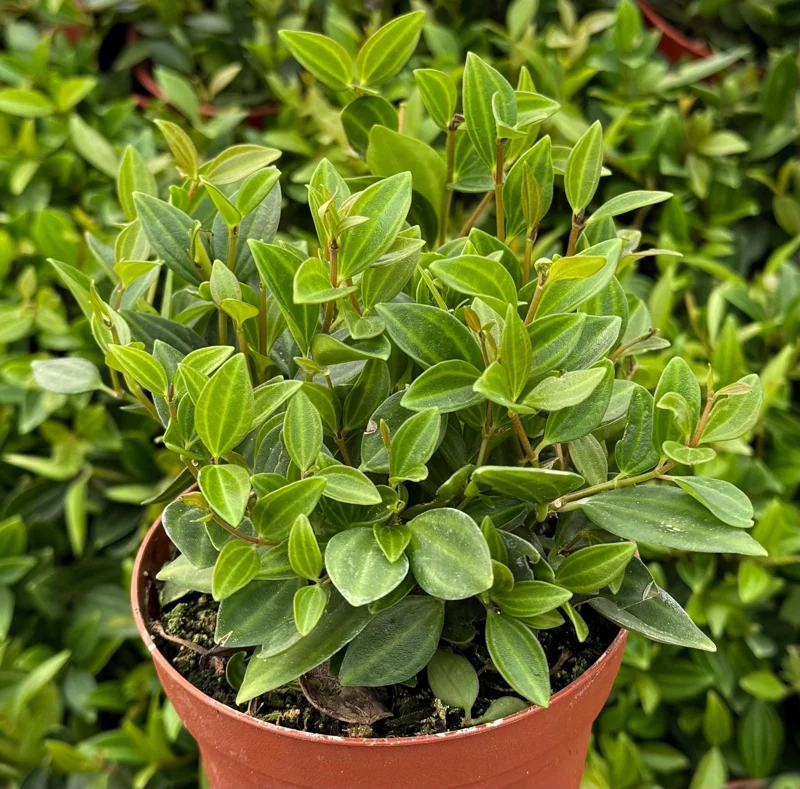
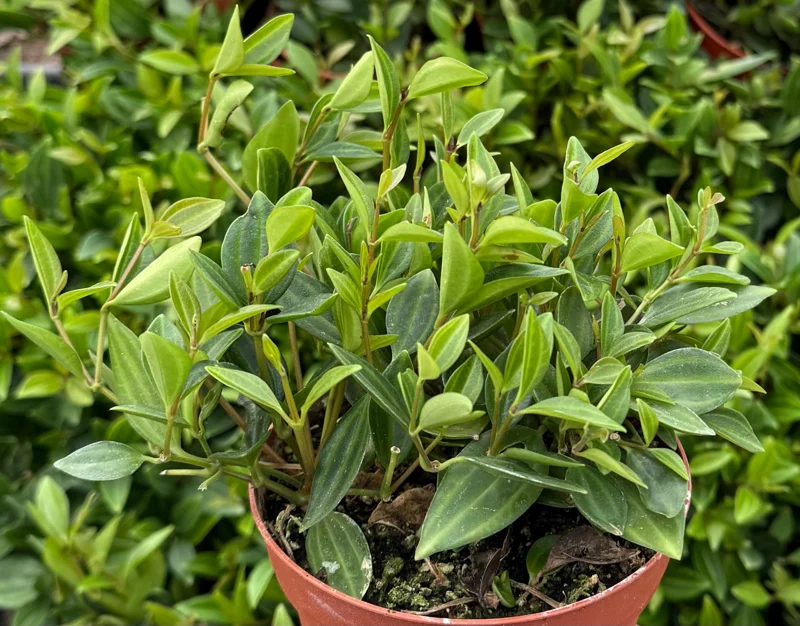
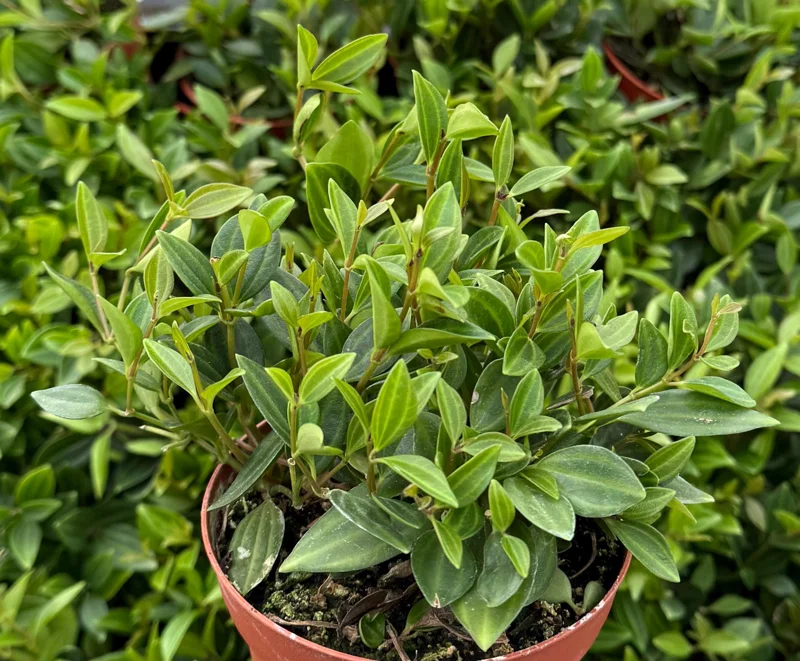
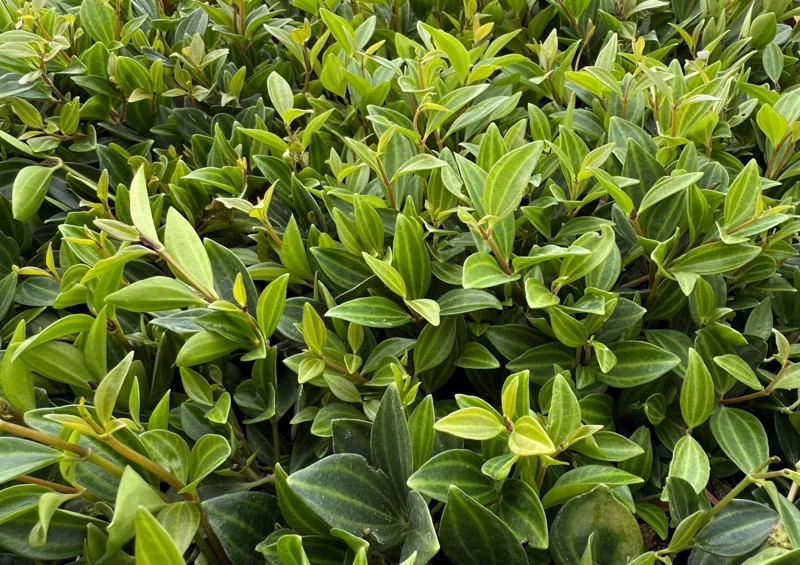
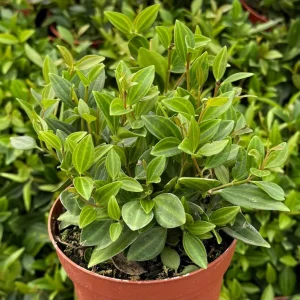
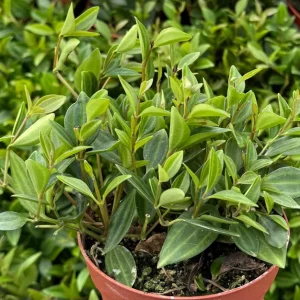
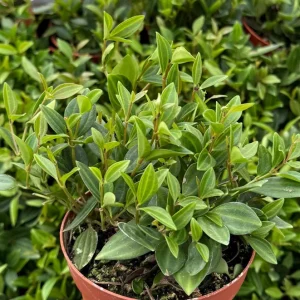
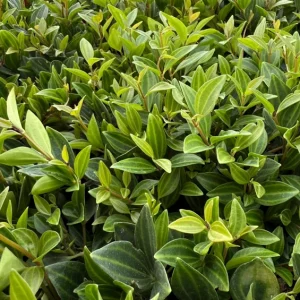
Peperomia Beetle Live Houseplant – Trailing Plant – 4 inch Pot – Indoor
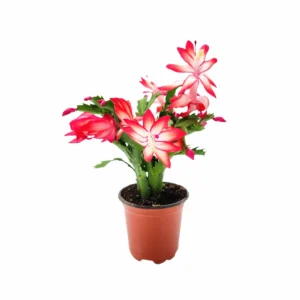
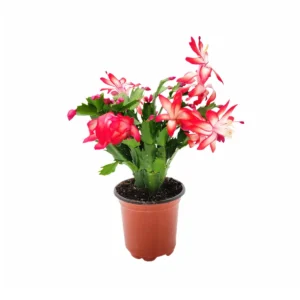
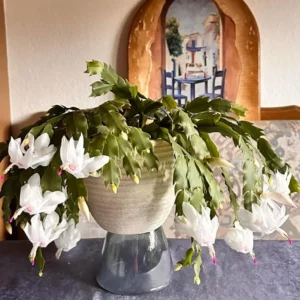
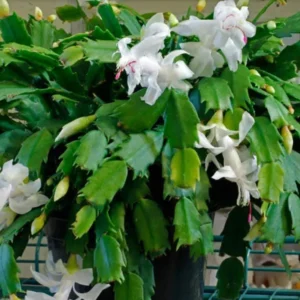
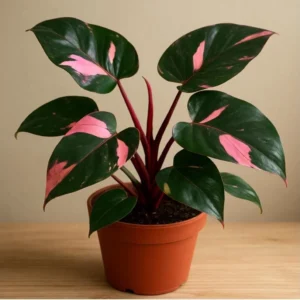
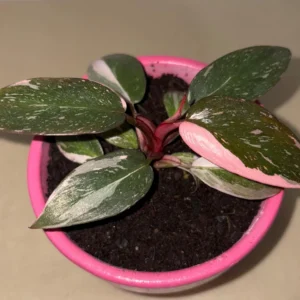
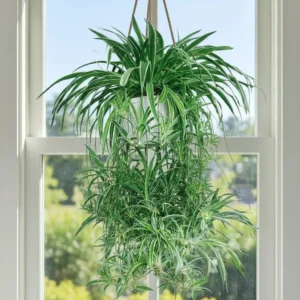
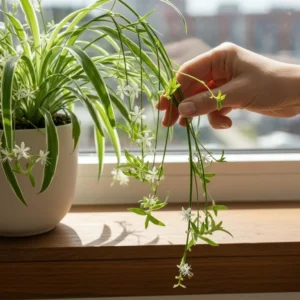
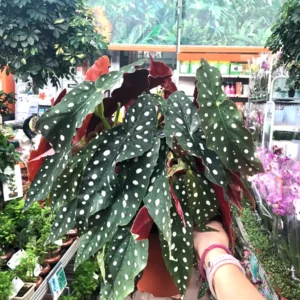
Bring home a beautiful peperomia beetle live houseplant, an ideal trailing plant for any indoor setting. This easy-care variety boasts glossy green leaves and is perfect for hanging baskets or shelves, adding natural elegance to your home. It’s also a pet-safe indoor plant, making it a worry-free addition.
Original price was: $31.98.$22.99Current price is: $22.99.

With our Alive & Thrive Guarantee, we’ve got your back for the first 30 days! If you have any concerns about your plants, just reach out to us. Our team is here to help answer your questions and guide you in selecting the best plants for your garden, climate, and unique preferences. We're excited to help you create the garden of your dreams!
Estimated arrival
Apr 13
Apr 18 - Apr 20
Apr 23 - Apr 27


Product Details
-
USDA Hardiness Zone
USDA zones 10-11 (primarily indoor) -
Soil type
Well-draining potting mix -
Sunlight Exposure
Bright indirect light -
Expected Planting Period
Year-round indoors
Overview
Welcome the charming peperomia beetle live houseplant into your home. Also known by its botanical name, Peperomia quadrangularis, and sometimes referred to as the “Emerald Ripple Radiator Plant,” this delightful trailing plant is a member of the Piperaceae family. Native to the lush tropical regions of South America, it’s celebrated for its delicate, graceful vines and small, oval-shaped leaves. Each glossy green leaf features faint, parallel venation, adding subtle texture and appeal. This peperomia is an excellent choice for plant enthusiasts seeking an attractive and relatively low-maintenance indoor plant that brings a touch of the tropics to any room. Its compact size and trailing habit make it versatile for various display options.
The peperomia beetle live houseplant is not just visually appealing; it’s also a robust and forgiving specimen, making it suitable for both novice and experienced plant parents. Its unique foliage and growth pattern provide an interesting focal point, and its easy adaptability to indoor environments ensures a rewarding growing experience. Whether you’re starting your plant collection or looking to expand it, this peperomia offers beauty and simplicity.
Key Benefits
The peperomia beetle live houseplant offers a multitude of benefits that make it a highly desirable addition to any indoor space. Its aesthetic appeal and ease of care are just a few reasons why it’s so popular:
- Beautiful Trailing Foliage: Enjoy the elegant, cascading vines and glossy green leaves that gracefully drape over edges, perfect for adding a touch of natural beauty to shelves, desks, or hanging baskets. This plant provides continuous visual interest.
- Easy to Care For: This peperomia plant care is straightforward, making it an excellent choice for beginners or those with busy lifestyles. It tolerates a range of indoor conditions and doesn’t demand constant attention.
- Pet-Friendly: The peperomia beetle live houseplant is non-toxic to pets, offering peace of mind for households with cats, dogs, or other animals. It’s a safe and stylish green accent.
- Versatile Decor: Its compact size and attractive growth habit make it suitable for various indoor settings, from small apartments to spacious homes. It can be a table accent, a hanging plant, or part of a larger plant arrangement.
- Air Purifying Qualities: Like many houseplants, the Peperomia Beetle can contribute to improved indoor air quality, helping to filter out common airborne toxins and create a healthier living environment.
- Low Light Tolerant: While it thrives in bright, indirect light, this peperomia can also tolerate lower light conditions, expanding the placement options within your home.
- Unique Leaf Pattern: The distinctive parallel venation on its small, oval leaves adds a unique textural element, making it stand out from other common houseplants.
Plant Care & Growing Tips
Proper peperomia plant care ensures your peperomia beetle live houseplant thrives. It prefers bright, indirect light. Place it near a window where it receives plenty of ambient light but is shielded from direct, harsh sunlight, which can scorch its delicate leaves. An east- or north-facing window is often ideal. While it can tolerate lower light, its growth may become leggy, and its vibrant color might diminish. Rotate the plant periodically to ensure even growth and exposure to light on all sides.
Watering is crucial for the health of your trailing peperomia. This plant prefers its soil to dry out almost completely between waterings to prevent root rot. Typically, this means watering every 1-2 weeks, but always check the soil moisture first by inserting your finger about an inch or two deep. If it feels dry, it’s time to water. Use well-draining soil, such as a succulent or cactus mix, or a standard potting mix amended with perlite or orchid bark to improve drainage. The pot should also have drainage holes to prevent water from sitting at the bottom.
The Peperomia Beetle thrives in average room temperatures, generally between 65-75°F (18-24°C). Avoid exposing it to temperatures below 50°F (10°C) or sudden drafts, which can shock the plant. Humidity levels typical of most homes are usually sufficient, but occasional misting or placing the pot on a pebble tray with water can be beneficial, especially in drier climates. Fertilize sparingly during the growing season (spring and summer) with a balanced liquid fertilizer diluted to half strength. This plant is generally not a heavy feeder. Watch out for common pests like spider mites or mealybugs; inspect your plant regularly and treat promptly with insecticidal soap if needed. The USDA hardiness zone for this tropical plant is typically 10-11 if grown outdoors, but it is primarily cultivated as an indoor plant across all zones.
Size & Details
This peperomia beetle live houseplant is provided in a 4 inch pot, making it a perfect size for immediate display or as a starter plant for your collection. It is a compact, trailing variety, with vines that can extend several inches, gracefully spilling over the edges of its container. The growth rate is moderate, allowing you to enjoy its development without it becoming unruly too quickly. With proper care, its vines can reach lengths of 12-18 inches or more, creating a lush, full appearance. It ships as a healthy, established plant, ready to thrive in its new indoor environment. Expect a well-rooted specimen with vibrant foliage, carefully packaged to ensure safe arrival. This trailing peperomia will continue to grow and develop its characteristic form, providing long-lasting beauty.
Frequently Asked Questions
- Q: How big does this peperomia beetle live houseplant get? A: In a 4 inch pot, the plant will start compact, but its trailing vines can grow to lengths of 12-18 inches or more, gracefully cascading over the pot’s edges, creating a lush appearance.
- Q: Is this an indoor or outdoor plant? A: The peperomia beetle live houseplant is primarily an indoor plant, thriving in typical household conditions. It can be placed outdoors in warm, shaded areas during summer in appropriate climates (USDA zones 10-11), but it must be brought inside before cold weather.
- Q: How much sunlight does the peperomia beetle need? A: This plant prefers bright, indirect light. Avoid direct sunlight, which can burn its leaves. An east or north-facing window is often ideal, or a spot a few feet away from a south or west-facing window.
- Q: Is this plant easy to care for? A: Yes, the peperomia beetle live houseplant is considered easy to care for, making it an excellent choice for beginners. Its care requirements are minimal, focusing mainly on proper watering and light.
- Q: What condition will my peperomia beetle arrive in? A: Your plant will arrive as a healthy, established specimen in a 4 inch pot, carefully packaged to ensure minimal stress during transit and ready to be placed in your home.
- Q: Is the peperomia beetle a pet-safe indoor plant? A: Yes, the Peperomia Beetle is non-toxic to both pets and humans, making it a safe choice for homes with furry friends or young children. This makes it a great pet-safe indoor plant option.
- Q: When is the best time to repot a trailing peperomia? A: Repotting is best done in the spring or early summer when the plant is actively growing. Only repot when the plant becomes root-bound, usually every 1-2 years, moving to a pot only slightly larger than the current one.
- Q: What kind of soil does this plant need? A: The Peperomia Beetle thrives in well-draining soil. A succulent or cactus mix, or a standard potting mix lightened with perlite or orchid bark, is ideal to prevent waterlogging and root rot.
- Q: How often should I water my peperomia plant? A: Water thoroughly when the top inch or two of soil feels dry to the touch. This typically means every 1-2 weeks, but it can vary based on humidity, light, and temperature. Always check the soil before watering.
- Q: Does this peperomia produce flowers? A: Peperomia plants can produce small, insignificant flower spikes that resemble rat tails. While not grown for their blooms, these can appear when the plant is happy and healthy.
Related products
-25%
Original price was: $20.90.$15.68Current price is: $15.68.
-35%
Original price was: $29.80.$19.36Current price is: $19.36.
-5%
Original price was: $91.98.$87.38Current price is: $87.38.

-30%
Original price was: $79.98.$55.98Current price is: $55.98.
PLANTING & CARE

Growing Glencoe Raspberry: A Complete Guide for Gardeners
If you’re looking to add something unique to your garden, look no further than the
31
Mar
Mar

The Comprehensive Guide to Growing Bay Leaf Plants for a Flavorful Garden
Imagine stepping into your garden, greeted by the earthy aroma of fresh bay leaves, their
09
Feb
Feb

How to Make Comfrey Tea: The Ultimate Organic Plant Food
Growing an organic garden can be surprisingly expensive, especially when most store-bought fertilizers come in
02
Feb
Feb

True Comfrey: 7 Essential Tips Before You Plant This Herb
A staple in permaculture practices across the US, True Comfrey easily earns its reputation as
27
Jan
Jan

7 Heart-Shaped Plants for a Lasting Valentine’s Gift
If you’ve ever bought a bouquet of roses for Valentine’s Day, you know they are
26
Jan
Jan

Best Types of Ivy Plant for Houses: How to Choose the Perfect Ones for Your Home
Are you a garden lover looking to introduce some greenery into your home? Maybe you’ve
14
Nov
Nov

When to Harvest Garlic (Especially Fall-Planted Garlic)
TIMING IS EVERYTHING, they say – and for garlic, that truth hits with surprising accuracy.
13
Nov
Nov

11 of the Best Sweet Potato Varieties to Grow for Your Garden
If you’ve ever tried growing sweet potatoes, you know that picking the right variety can
12
Nov
Nov