4 Pack Hawaiian Awapuhi Shampoo Ginger Rhizomes – Zingiber Zerumbet Tubers
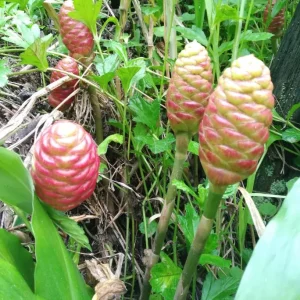
4 Pack Hawaiian Awapuhi Shampoo Ginger Rhizomes – Zingiber Zerumbet Tubers
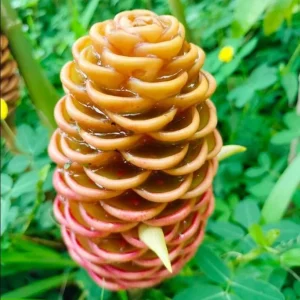
Cultivate your own Hawaiian Awapuhi Ginger, known for its unique pinecone-like flowers and natural hair care sap. These Zingiber Zerumbet tubers are perfect for adding a tropical touch to your garden or as an indoor potted plant. Enjoy the beauty and benefits of this easy-to-grow perennial.
$8.99

With our Alive & Thrive Guarantee, we’ve got your back for the first 30 days! If you have any concerns about your plants, just reach out to us. Our team is here to help answer your questions and guide you in selecting the best plants for your garden, climate, and unique preferences. We're excited to help you create the garden of your dreams!
Estimated arrival
Apr 04
Apr 09 - Apr 11
Apr 14 - Apr 18




Product Details
-
USDA Hardiness Zone
8-11 -
Soil type
Rich, well-draining, slightly acidic soil -
Sunlight Exposure
Partial to full shade -
Expected Planting Period
Spring, after last frost
Overview
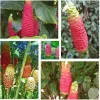
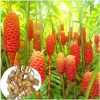
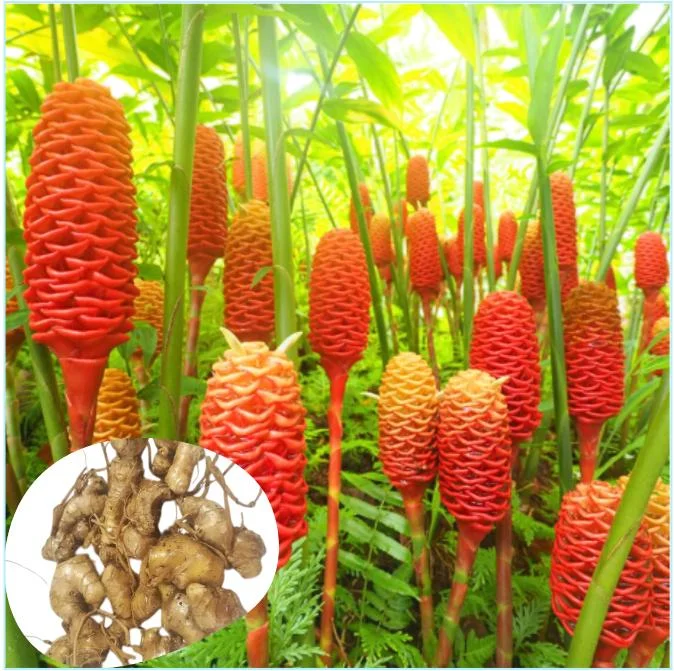
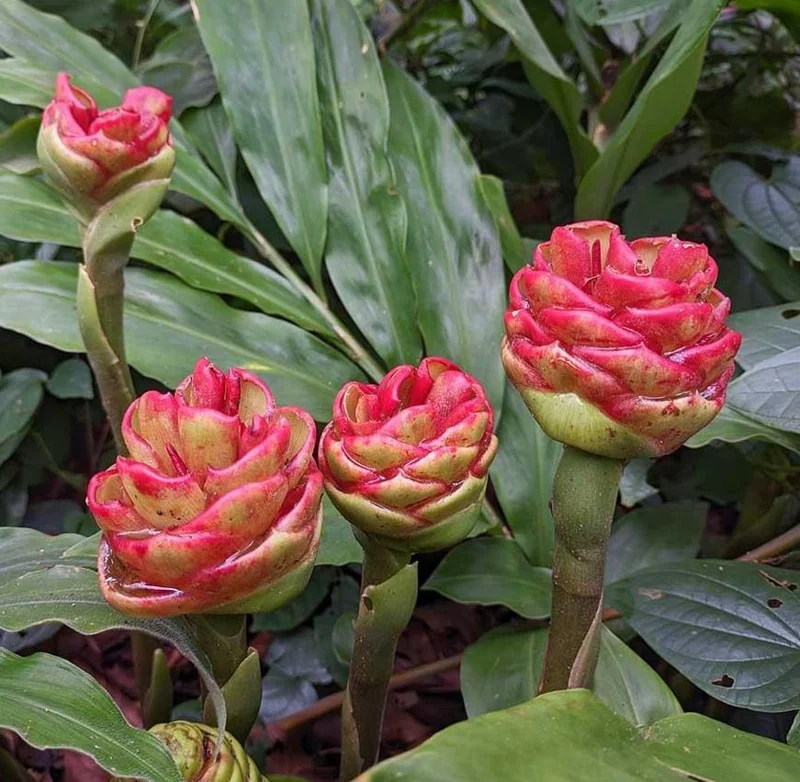
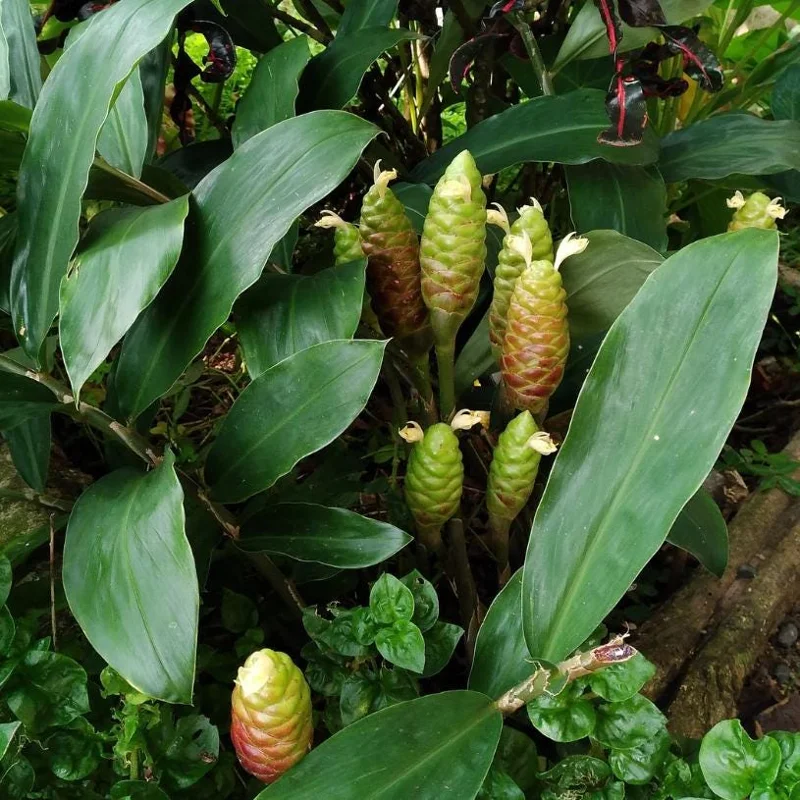
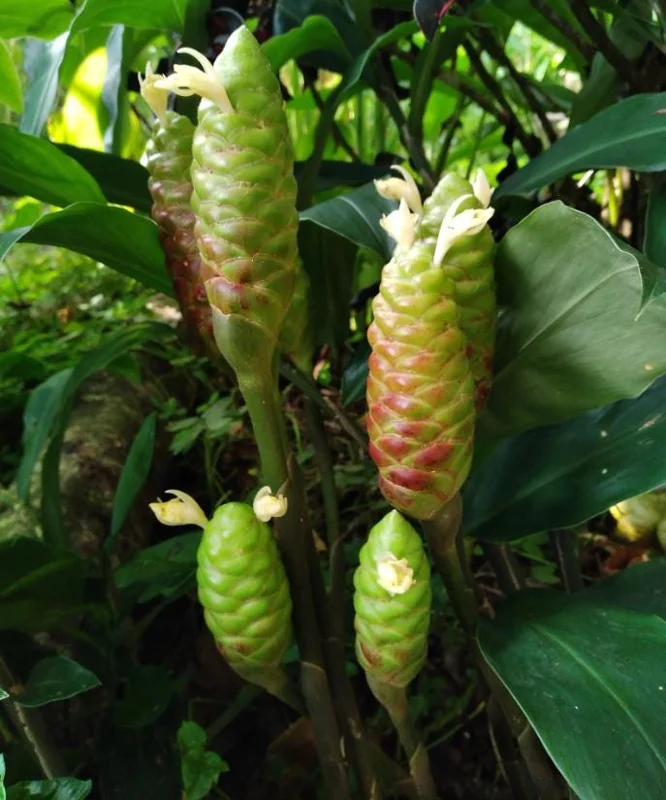
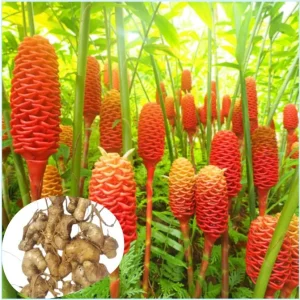
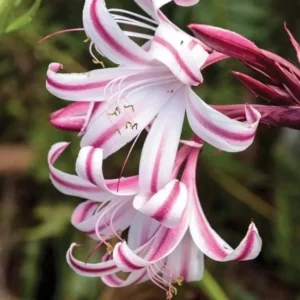
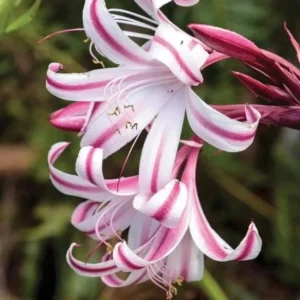
Embark on a rewarding gardening journey with our Hawaiian Awapuhi Ginger rhizomes. This unique and captivating plant, scientifically known as Zingiber zerumbet, is often referred to as shampoo ginger, pinecone ginger, or red ginger lily due to its distinctive inflorescence. The sap within its mature cone-like flowers has been traditionally used for centuries as a natural hair conditioner and shampoo in Hawaii. Growing your own shampoo ginger plant allows you to enjoy both its ornamental beauty and its practical uses. These rhizomes are carefully selected to ensure vigorous growth, bringing a touch of the tropics to your home or garden. Whether you’re an experienced gardener or just starting, cultivating Hawaiian Awapuhi Ginger is an enriching experience.
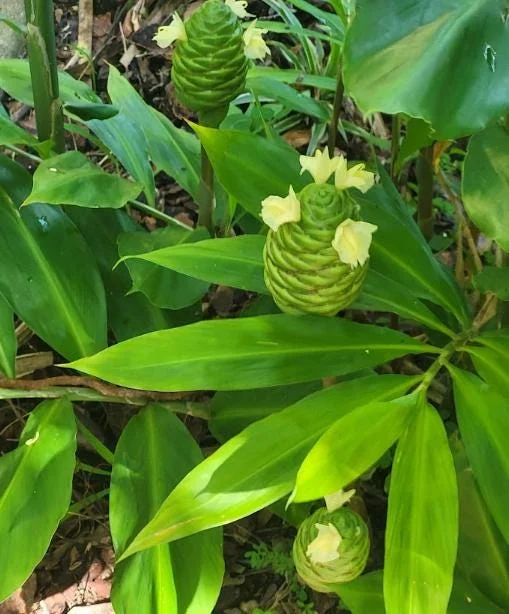
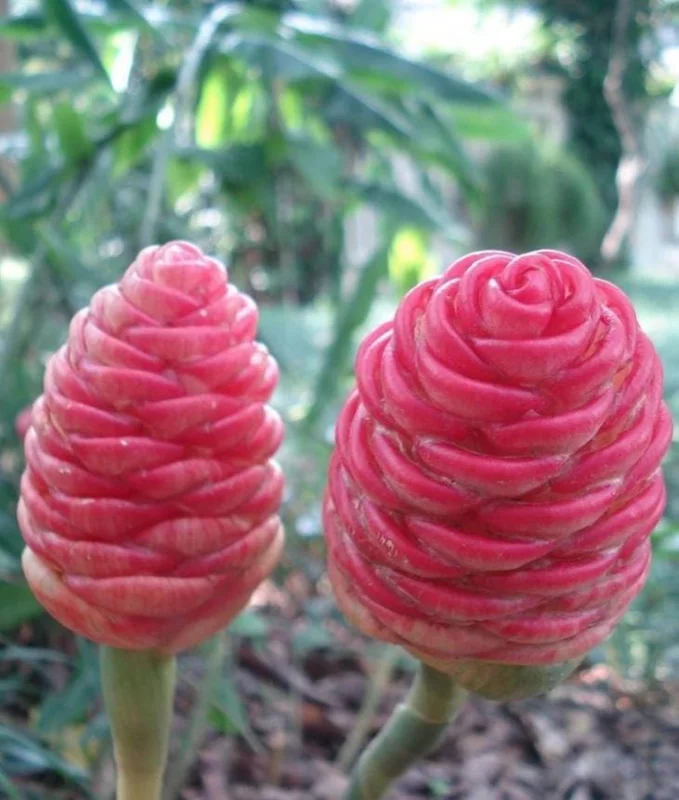
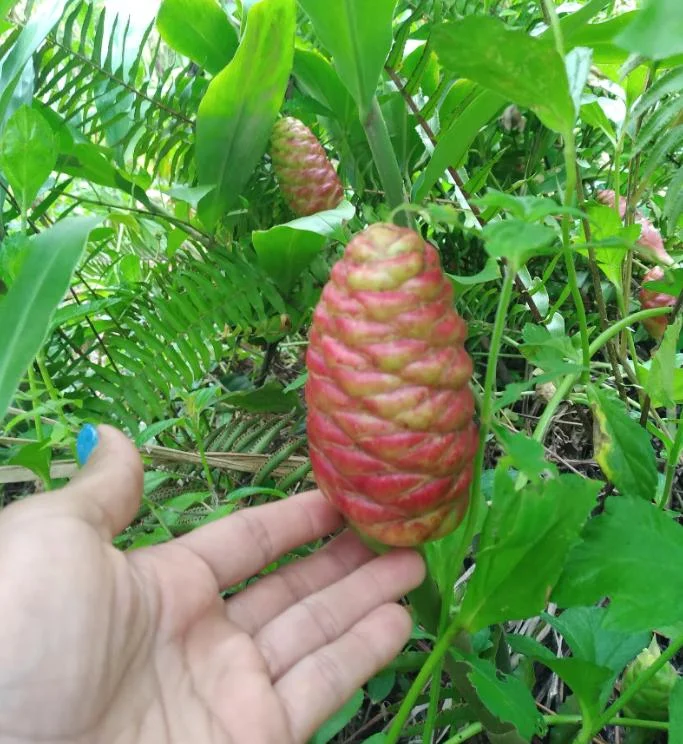
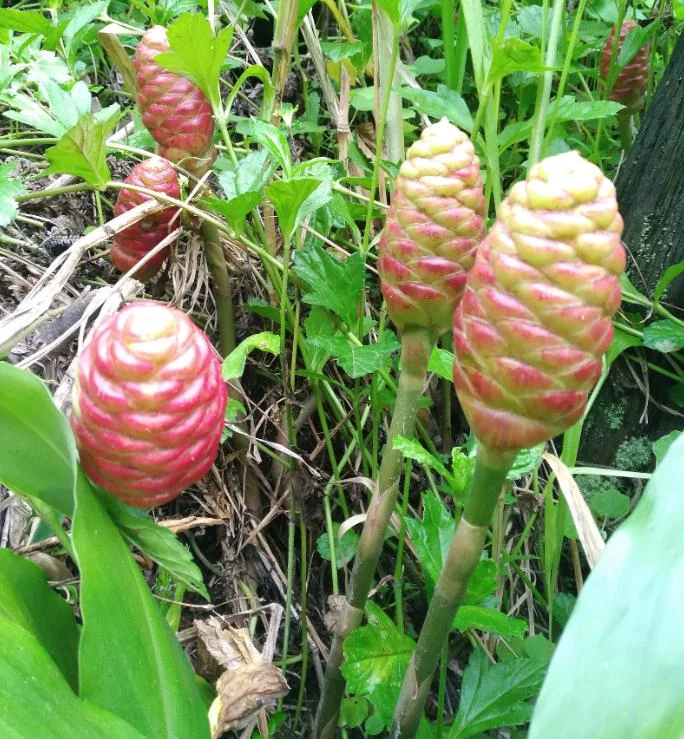
Our 4-pack of Zingiber Zerumbet tubers provides a fantastic opportunity to establish a healthy patch of this fascinating plant. Known for its lush green foliage and striking red, pinecone-shaped blooms that emerge in late summer, this ginger variety is a true showstopper. It thrives in warm, humid environments, making it an excellent choice for tropical and subtropical climates, but it can also be successfully grown in containers and brought indoors during cooler months. Discover the joy of nurturing a plant that offers both aesthetic appeal and a historical connection to natural wellness practices. Learn how to grow awapuhi ginger with our comprehensive guide.
Key Benefits
Our Hawaiian Awapuhi Ginger offers a multitude of benefits, making it a valuable addition to any plant collection. From its unique appearance to its traditional uses, this plant is truly special.
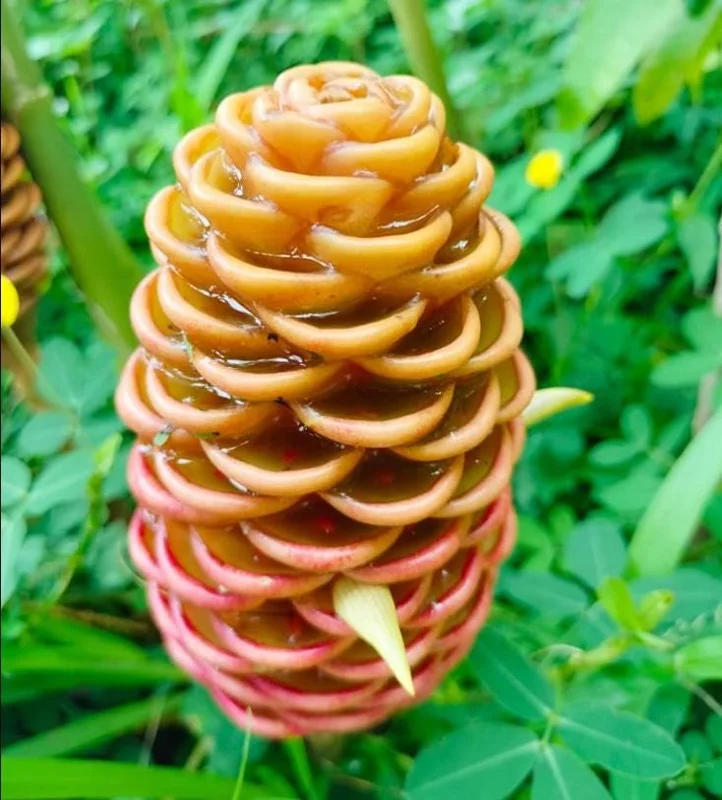
- Natural Hair Care Ingredient: The clear, fragrant sap from the mature pinecone-like flowers is a traditional natural conditioner and shampoo, leaving hair soft and shiny. This makes it a perfect choice for those interested in natural beauty solutions.
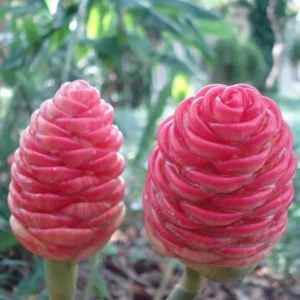
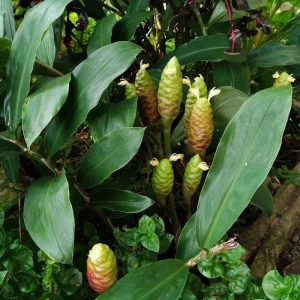
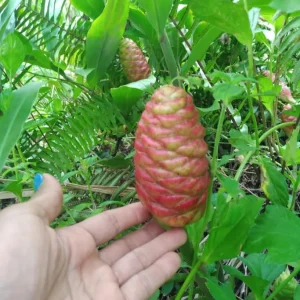
- Exotic Ornamental Plant: With its lush green leaves and distinctive red, cone-shaped blooms, the shampoo ginger plant adds a tropical and exotic flair to gardens, patios, or indoor spaces. Its unique flowers are a conversation starter.
- Fragrant Blooms: The mature ‘pinecones’ release a pleasant, mild ginger-like fragrance, enhancing the sensory experience of your garden. The aroma is subtle but distinct.
- Easy to Grow from Rhizomes: These Zingiber Zerumbet tubers are relatively easy to establish and maintain, even for novice gardeners, given the right growing conditions. They are resilient and rewarding.
- Versatile Growing Options: Suitable for USDA zones 8-11 outdoors, it can also be grown in containers and overwintered indoors in cooler climates, offering flexibility. This allows more people to grow awapuhi ginger.
- Pollinator Attractor: The unique flowers can attract beneficial insects to your garden, contributing to a healthy ecosystem.
- Traditional & Medicinal Uses: Beyond hair care, various parts of the plant have been used traditionally for their purported medicinal properties in some cultures.
Plant Care & Growing Tips
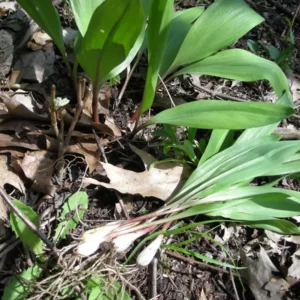
Growing Hawaiian Awapuhi Ginger from rhizomes is a rewarding experience when you understand its specific needs. As a tropical plant, it thrives in conditions that mimic its native Hawaiian environment. For optimal growth, these Zingiber Zerumbet tubers require consistent moisture and appropriate light levels. Plant the rhizomes in spring after the last frost, ensuring the ‘eyes’ or buds are facing upwards. Dig a hole about 3-4 inches deep and space them 12-18 inches apart to allow for spread. The plant will establish itself and produce its distinctive flowers, especially if you provide the right care for your shampoo ginger plant.
Sunlight: Awapuhi ginger prefers partial to full shade, especially in hotter climates where direct sun can scorch its leaves. It can tolerate some morning sun but should be protected from intense afternoon rays. If growing indoors, place it near a window with bright, indirect light. Watering: Consistent moisture is crucial, especially during the growing season. Water deeply but allow the top inch of soil to dry out slightly between waterings to prevent waterlogging, which can lead to rot. Good drainage is paramount. Soil: The plant thrives in rich, well-draining, slightly acidic soil with a pH of 5.5 to 6.5. Amending the soil with organic matter like compost or peat moss will improve fertility and drainage. Temperature & Hardiness: Best suited for USDA hardiness zones 8-11. In cooler regions, grow in containers and bring indoors when temperatures drop below 50°F (10°C). Fertilization: Feed every 4-6 weeks during the growing season with a balanced fertilizer (e.g., 10-10-10) or slow-release organic options like compost. Mulching: Apply a layer of mulch to help retain soil moisture, keep roots cool, and suppress weeds. Pruning: Remove any dead or damaged leaves to maintain plant health and appearance. Understanding how to grow awapuhi ginger properly ensures a vibrant and productive plant.
Size & Details
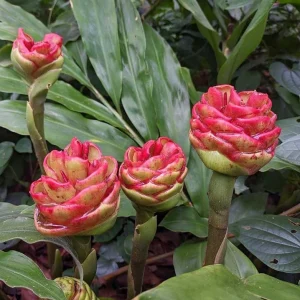
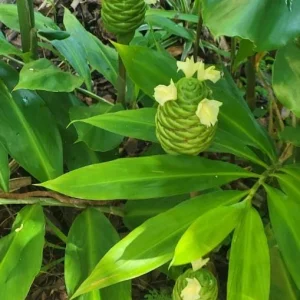
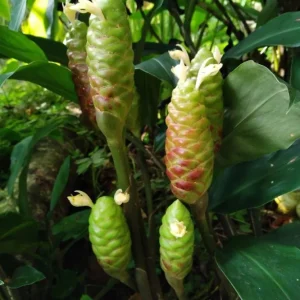
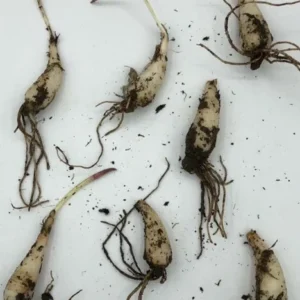
This offering includes a 4-pack of healthy Hawaiian Awapuhi Ginger rhizomes, ready for planting. Each rhizome typically measures several inches long and possesses visible ‘eyes’ or growth buds, indicating its viability. When mature, the shampoo ginger plant can reach heights of 3 to 6 feet (90-180 cm) with a spread of 2 to 3 feet (60-90 cm), forming an attractive clump of lush foliage. The distinctive pinecone-like inflorescences, which start green and gradually turn red as they mature, typically appear in late summer to early fall. These Zingiber Zerumbet tubers are shipped dormant, ensuring they arrive in optimal condition for planting and successful establishment. Expect initial growth within a few weeks of planting in appropriate conditions, with the full plant reaching maturity and blooming within its first or second growing season.
Frequently Asked Questions
- Q: How big does this plant get? A: A mature Hawaiian Awapuhi Ginger plant typically grows 3 to 6 feet tall with a spread of 2 to 3 feet, forming a dense clump of foliage. The size can vary based on growing conditions and climate.
- Q: Is this an indoor or outdoor plant? A: It can be both! It thrives outdoors in USDA zones 8-11. In cooler climates, it’s best grown in containers and brought indoors during winter to protect the Zingiber Zerumbet tubers from frost.
- Q: How much sunlight does it need? A: This plant prefers partial to full shade. It can tolerate some morning sun but should be protected from harsh afternoon sun, especially in hot regions, to prevent leaf scorch.
- Q: Is this plant easy to care for? A: Yes, Hawaiian Awapuhi Ginger is relatively easy to care for if its basic needs for warmth, humidity, consistent moisture, and shade are met. It’s a good choice for gardeners looking to grow awapuhi ginger with moderate effort.
- Q: What condition will the rhizomes arrive in? A: The rhizomes will arrive dormant and healthy, ready for planting. They are carefully packaged to ensure they reach you in optimal condition for successful growth.
- Q: How long until it blooms? A: With proper care, you can expect the shampoo ginger plant to produce its unique pinecone-like blooms in late summer or early fall, typically within its first or second year after planting.
- Q: When is the best time to plant the rhizomes? A: The best time to plant the rhizomes is in the spring, after the last frost has passed and soil temperatures have warmed sufficiently, ensuring the best start for your pinecone ginger rhizomes.
- Q: Can I use the sap from the flowers for my hair? A: Yes, the clear, fragrant sap that develops in the mature red ‘pinecones’ can be squeezed out and used as a natural hair conditioner or shampoo.
- Q: What type of soil is best for awapuhi ginger? A: It prefers rich, well-draining, slightly acidic soil. Amending with compost or other organic matter is beneficial for improving soil structure and fertility.
- Q: Will it survive winter in my zone if I live outside USDA 8-11? A: If you are outside zones 8-11, you must bring the plant indoors before the first frost. Grow it in a container and store it in a warm, protected area during winter.
Related products
-50%
Original price was: $63.96.$31.98Current price is: $31.98.
-20%
From Original price was: $22.00.$17.60Current price is: $17.60.
-50%
Original price was: $79.96.$39.98Current price is: $39.98.
-50%
Original price was: $63.96.$31.98Current price is: $31.98.
-20%
Original price was: $174.00.$139.20Current price is: $139.20.
-60%
Original price was: $69.99.$27.99Current price is: $27.99.
PLANTING & CARE

Growing Glencoe Raspberry: A Complete Guide for Gardeners
If you’re looking to add something unique to your garden, look no further than the
31
Mar
Mar

The Comprehensive Guide to Growing Bay Leaf Plants for a Flavorful Garden
Imagine stepping into your garden, greeted by the earthy aroma of fresh bay leaves, their
09
Feb
Feb

How to Make Comfrey Tea: The Ultimate Organic Plant Food
Growing an organic garden can be surprisingly expensive, especially when most store-bought fertilizers come in
02
Feb
Feb

True Comfrey: 7 Essential Tips Before You Plant This Herb
A staple in permaculture practices across the US, True Comfrey easily earns its reputation as
27
Jan
Jan

7 Heart-Shaped Plants for a Lasting Valentine’s Gift
If you’ve ever bought a bouquet of roses for Valentine’s Day, you know they are
26
Jan
Jan

Best Types of Ivy Plant for Houses: How to Choose the Perfect Ones for Your Home
Are you a garden lover looking to introduce some greenery into your home? Maybe you’ve
14
Nov
Nov

When to Harvest Garlic (Especially Fall-Planted Garlic)
TIMING IS EVERYTHING, they say – and for garlic, that truth hits with surprising accuracy.
13
Nov
Nov

11 of the Best Sweet Potato Varieties to Grow for Your Garden
If you’ve ever tried growing sweet potatoes, you know that picking the right variety can
12
Nov
Nov