210 Russet Potato Seeds for Planting – Heirloom Vegetable Seeds
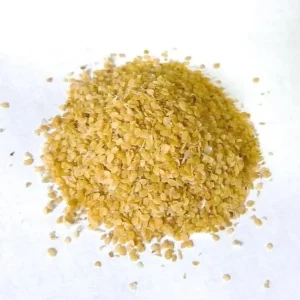
210 Russet Potato Seeds for Planting – Heirloom Vegetable Seeds
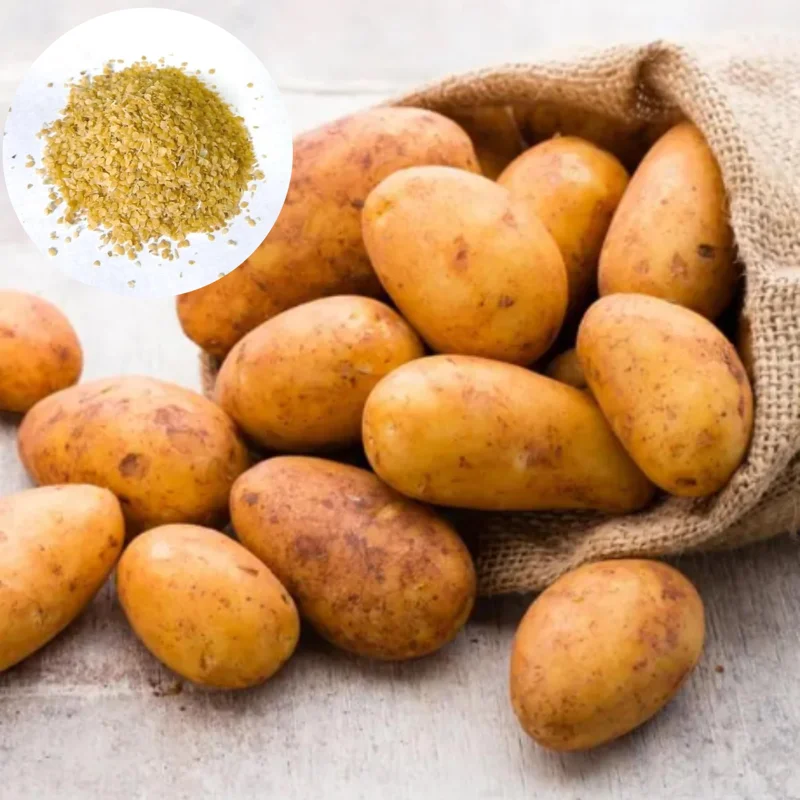
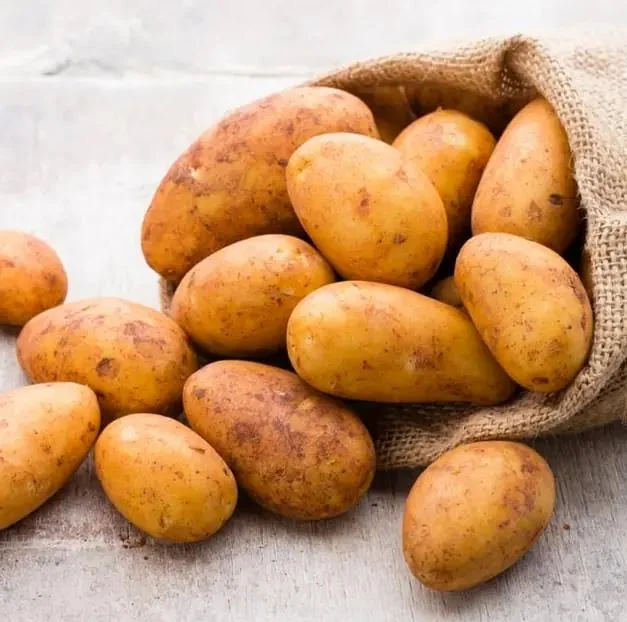
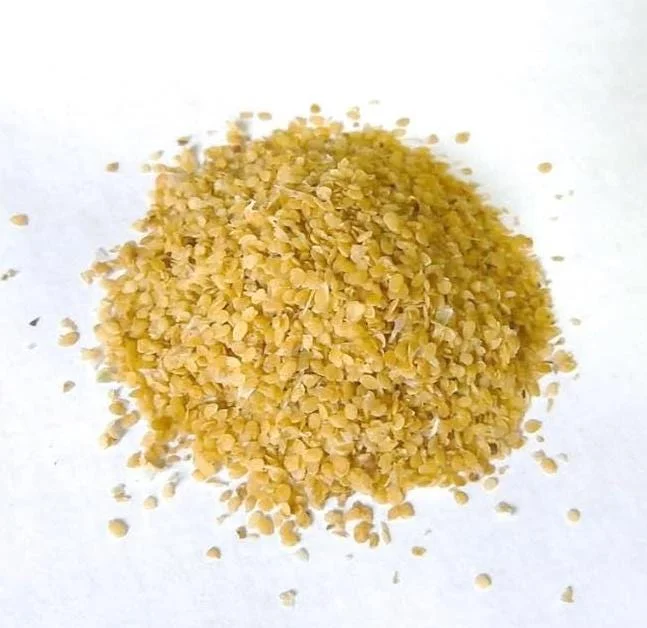
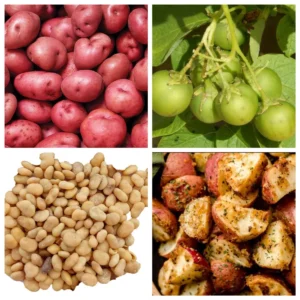
Cultivate your own delicious and versatile Russet potato seeds with this pack of 210 heirloom vegetable seeds. Ideal for home gardeners looking to grow hearty Idaho-type potatoes.
$40.99

With our Alive & Thrive Guarantee, we’ve got your back for the first 30 days! If you have any concerns about your plants, just reach out to us. Our team is here to help answer your questions and guide you in selecting the best plants for your garden, climate, and unique preferences. We're excited to help you create the garden of your dreams!
Estimated arrival
Mar 31
Apr 05 - Apr 07
Apr 10 - Apr 14


Product Details
-
USDA Hardiness Zone
USDA 3–10 -
Soil type
Loose, well-drained, sandy or loamy soil -
Sunlight Exposure
Full sun (at least 6–8 hours daily) -
Expected Planting Period
Spring to summer
Overview
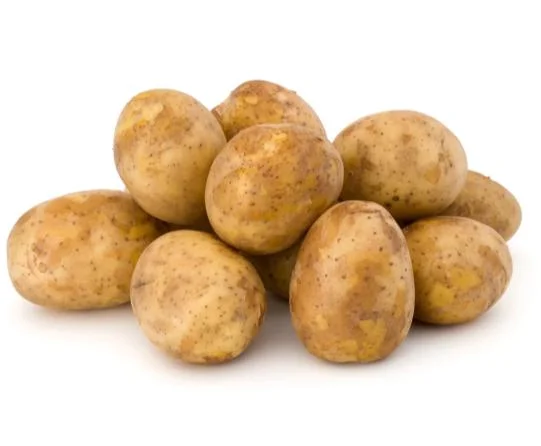
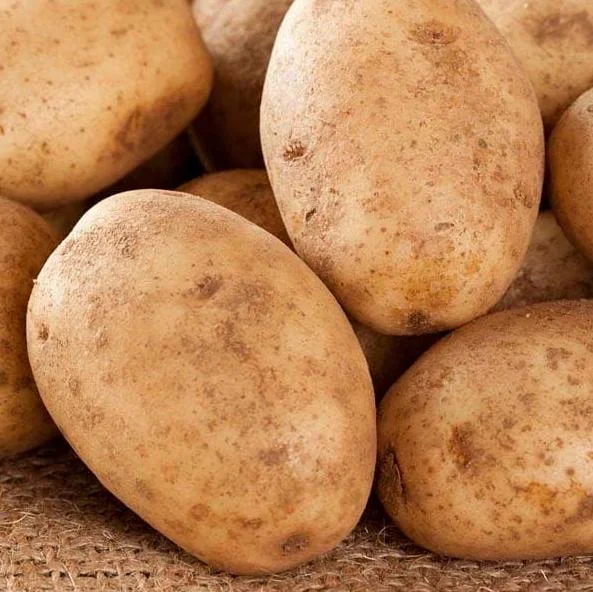
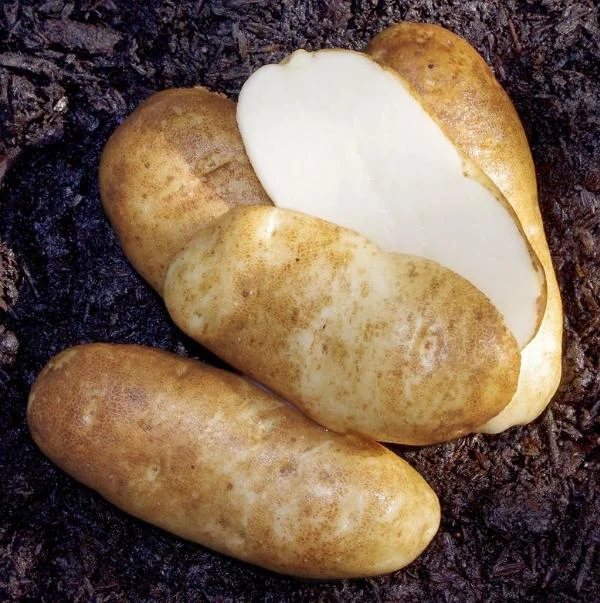
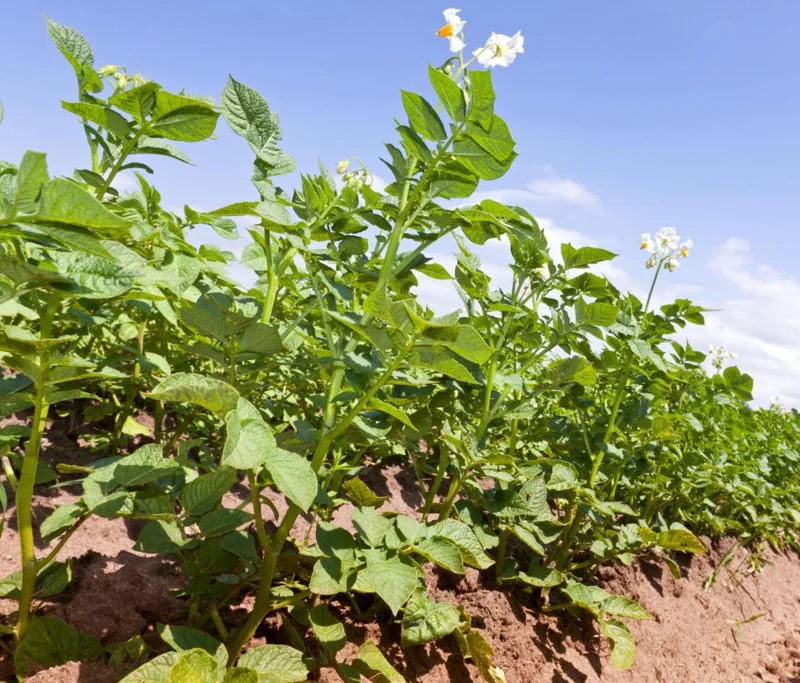
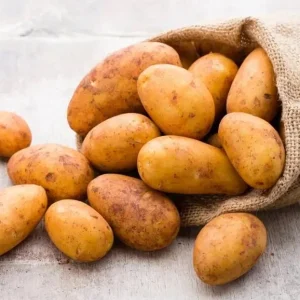
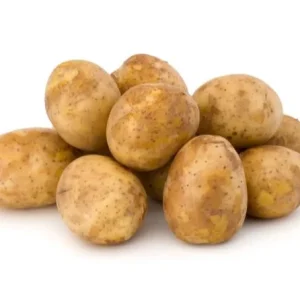
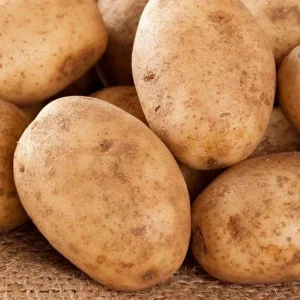
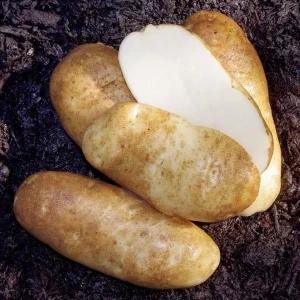
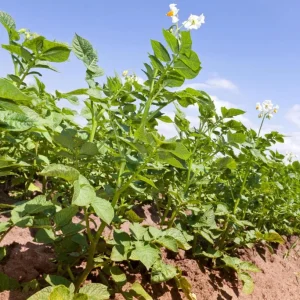
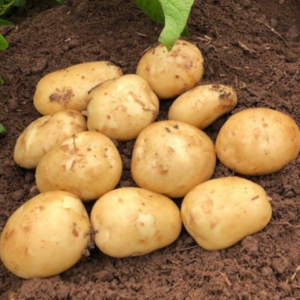
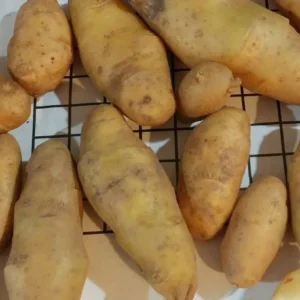
Embark on a rewarding gardening journey with our premium selection of Russet potato seeds. These heirloom vegetable seeds offer the opportunity to grow one of the world’s most popular and versatile potato varieties right in your own backyard. Known for their distinctive brown, rough, netted skin and starchy, white to pale yellow flesh, Russet potatoes are a staple for baking, frying, and mashing. Each pack contains 210 seeds, providing a generous quantity for a bountiful harvest. Whether you’re an experienced gardener or just starting out, heirloom potato seeds provide a connection to traditional farming methods and superior flavor. The plants grow as bushy annuals, adorned with green leaves and delicate small white or light purple flowers, adding a touch of natural beauty to your garden before yielding their delicious tubers.
Our Russet potato seeds are carefully selected to ensure high germination rates and robust plant growth. These are true seeds, not seed potatoes, offering a unique and often more disease-resistant way to cultivate your potato crop. Growing potatoes from seed can be a fascinating project, allowing you to observe the full life cycle of this incredible plant. Imagine harvesting your own homegrown Russet potatoes, fresh from the soil, ready to be transformed into your favorite dishes. This is an excellent choice for anyone interested in sustainable gardening and enjoying fresh, organic produce.
Key Benefits
Russet potato seeds offer numerous advantages for the home gardener, from their culinary versatility to their rewarding growth process. Cultivating these seeds allows you to experience the satisfaction of a homegrown harvest.
- Superior Culinary Quality: Grow your own Russet potatoes, renowned for their fluffy texture when baked and crispiness when fried. They are perfect for a wide range of dishes, from classic mashed potatoes to hearty potato skins, offering exceptional flavor unmatched by store-bought varieties.
- Heirloom Variety: These heirloom potato seeds ensure you are planting a time-tested variety known for consistent performance and authentic taste. Heirloom plants often possess unique characteristics and a rich history, connecting you to generations of gardeners.
- Abundant Harvest: With 210 seeds, you can anticipate a generous yield, providing plenty of potatoes for your family’s consumption and potentially for sharing with friends. A successful crop means a stocked pantry with fresh, nutritious produce.
- Educational Experience: Growing Russet potatoes from seed is an engaging and educational activity for all ages, teaching about plant biology and the origins of our food. It’s a wonderful way to introduce children to gardening and sustainable living.
- Versatile Use: Russet potatoes are incredibly versatile in the kitchen. Their high starch content makes them ideal for absorbing flavors, making them a cornerstone ingredient in countless recipes.
- Disease Resistance (from true seeds): Growing from true seeds, rather than seed potatoes, can sometimes offer better resistance to certain soil-borne diseases, contributing to a healthier crop.
- Sustainable Gardening: Cultivating your own vegetables from seed promotes self-sufficiency and reduces your reliance on commercially produced food, contributing to a more sustainable lifestyle.
Plant Care & Growing Tips
Successful growing Russet potatoes from seed requires attention to specific environmental conditions to ensure healthy tubers develop. Russet potato plants thrive in well-prepared soil and consistent care throughout their growing season. The ideal planting period is typically in spring after the last frost, allowing the plants to mature through summer.
For optimal growth, Russet potato seeds require full sun, meaning at least 6–8 hours of direct sunlight daily. Choose a location in your garden that receives ample sun exposure throughout the day. The soil should be loose, well-drained, and rich in organic matter. A sandy or loamy soil composition is preferred. It’s crucial to maintain consistent moisture, especially during the tuber formation stage. However, be vigilant to avoid waterlogging, as this can lead to rot and disease. Incorporating compost or well-rotted manure into the soil before planting will provide essential nutrients and improve soil structure. A balanced fertilizer can be applied once the plants are established and again when they begin to flower.
Russet potatoes prefer temperatures between 60 to 70 degrees Fahrenheit. They are typically grown as annuals and are hardy in USDA zones 3–10. Blooming season usually occurs from spring to summer, indicating the plant is actively growing and forming tubers. Low to moderate humidity is generally favored. Monitor for common potato pests and diseases, and address them promptly with organic solutions if possible. Hilling, which involves mounding soil around the base of the plant as it grows, is an important practice for potato cultivation to protect developing tubers from sunlight and increase yield. This potato planting guide will help you nurture your plants from tiny seeds to a bountiful harvest.
Size & Details
This offering includes 210 Russet potato seeds, providing a substantial quantity for home gardening projects. These are true seeds, not seed potatoes, and will arrive in a protective packet ready for planting. The plants themselves grow as bushy annuals, typically reaching heights of 18-24 inches with a similar spread, depending on growing conditions and hilling practices. The plants produce small white or light purple flowers during their blooming season from spring to summer. Expect tubers to begin forming after flowering, with harvest typically occurring 90-120 days after planting, once the foliage begins to yellow and die back. This provides ample time for the tubers to grow to a good size, perfect for culinary use. Plant spacing should be approximately 12 inches apart, with rows 3 feet apart, to allow for adequate growth and air circulation.
Frequently Asked Questions
- Q: How big do Russet potato plants get? A: Russet potato plants typically grow as bushy annuals, reaching a height of 18-24 inches with a similar spread. Proper spacing and hilling can influence their overall size and yield.
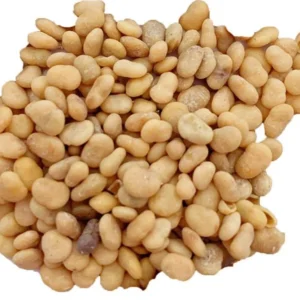
- Q: Are these actual potato seeds or seed potatoes? A: These are actual Russet potato seeds, which are true botanical seeds, not seed potatoes (which are pieces of potatoes used for propagation). Growing from true seeds can offer genetic diversity and sometimes better disease resistance.
- Q: How much sunlight do Russet potato seeds need to grow? A: Russet potato plants require full sun, meaning they need at least 6–8 hours of direct sunlight each day for optimal growth and tuber development.
- Q: Is this plant easy to care for for beginners? A: Yes, with a good potato planting guide and attention to basic care requirements like sunlight, soil, and consistent moisture, growing Russet potatoes from seed can be a rewarding experience for beginners.
- Q: What condition will the seeds arrive in? A: The heirloom potato seeds will arrive in a sealed packet, ensuring their viability and readiness for planting. They are carefully packaged to protect them during transit.
- Q: When is the best time to plant these Russet potato seeds? A: The best time for growing Russet potatoes from seed is in the spring, after the last danger of frost has passed and the soil has warmed up. This allows for a full growing season before harvest.
- Q: What USDA zones are suitable for growing Russet potatoes? A: Russet potatoes are typically grown as annuals in USDA zones 3–10. They are adaptable to a wide range of climates but prefer consistent temperatures during their growth cycle.
- Q: What kind of soil is best for growing Russet potatoes? A: Russet potatoes thrive in loose, well-drained, sandy or loamy soil rich in organic matter. Good drainage is crucial to prevent rot.
- Q: How long does it take for Russet potatoes to be ready for harvest from seed? A: From planting the Russet potato seeds, it typically takes 90-120 days until the tubers are ready for harvest, usually indicated by the plant’s foliage yellowing and dying back.
- Q: Can I save seeds from my homegrown Russet potatoes for next year? A: While you can save seeds, growing potatoes from true seed can result in genetic variations. For consistent results, it’s often recommended to purchase new seeds or use certified disease-free seed potatoes each year.
Related products
-50%
Original price was: $15.96.$7.98Current price is: $7.98.
-50%

Original price was: $11.00.$5.50Current price is: $5.50.
-48%
Original price was: $28.99.$14.99Current price is: $14.99.
-50%
Original price was: $181.98.$90.99Current price is: $90.99.
-50%
Original price was: $15.96.$7.98Current price is: $7.98.
-48%
Original price was: $28.99.$14.99Current price is: $14.99.
-50%
Original price was: $59.96.$29.98Current price is: $29.98.
-50%

Original price was: $15.96.$7.98Current price is: $7.98.
PLANTING & CARE

Growing Glencoe Raspberry: A Complete Guide for Gardeners
If you’re looking to add something unique to your garden, look no further than the
31
Mar
Mar

The Comprehensive Guide to Growing Bay Leaf Plants for a Flavorful Garden
Imagine stepping into your garden, greeted by the earthy aroma of fresh bay leaves, their
09
Feb
Feb

How to Make Comfrey Tea: The Ultimate Organic Plant Food
Growing an organic garden can be surprisingly expensive, especially when most store-bought fertilizers come in
02
Feb
Feb

True Comfrey: 7 Essential Tips Before You Plant This Herb
A staple in permaculture practices across the US, True Comfrey easily earns its reputation as
27
Jan
Jan

7 Heart-Shaped Plants for a Lasting Valentine’s Gift
If you’ve ever bought a bouquet of roses for Valentine’s Day, you know they are
26
Jan
Jan

Best Types of Ivy Plant for Houses: How to Choose the Perfect Ones for Your Home
Are you a garden lover looking to introduce some greenery into your home? Maybe you’ve
14
Nov
Nov

When to Harvest Garlic (Especially Fall-Planted Garlic)
TIMING IS EVERYTHING, they say – and for garlic, that truth hits with surprising accuracy.
13
Nov
Nov

11 of the Best Sweet Potato Varieties to Grow for Your Garden
If you’ve ever tried growing sweet potatoes, you know that picking the right variety can
12
Nov
Nov