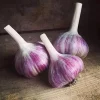
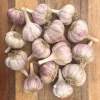
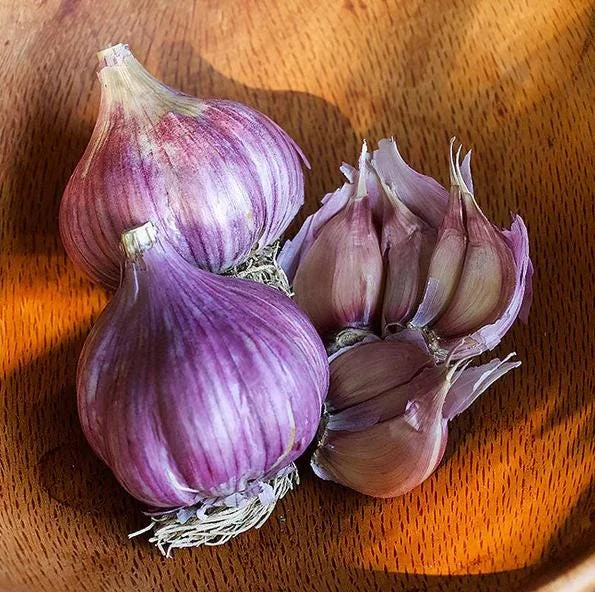
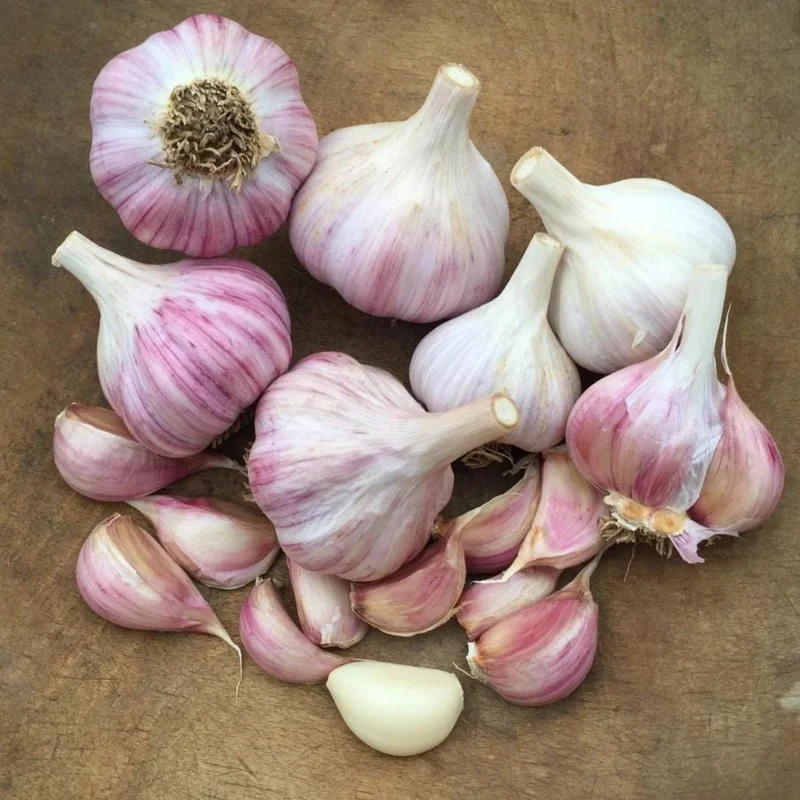
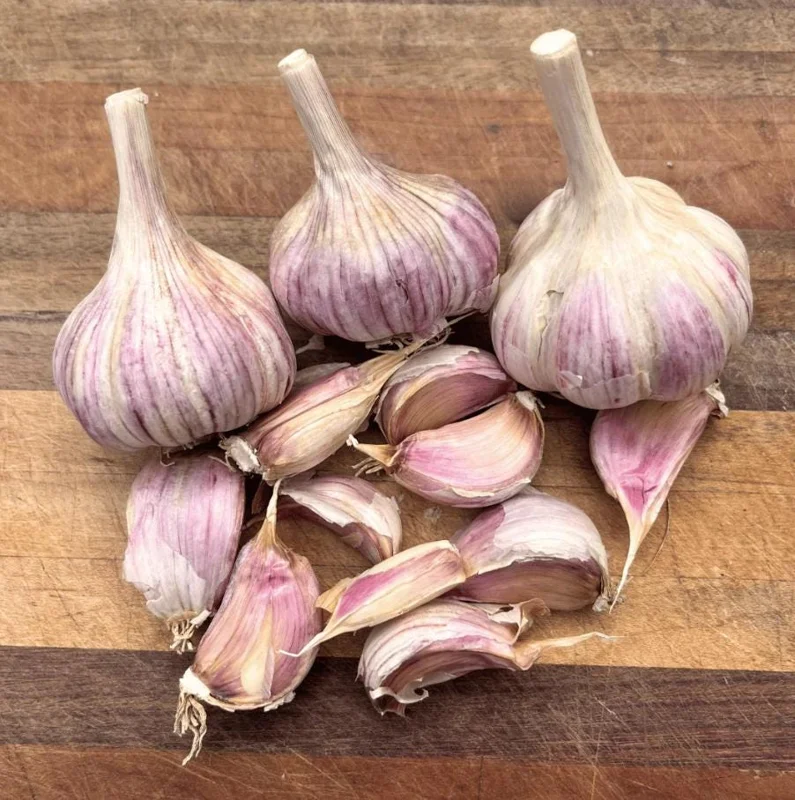
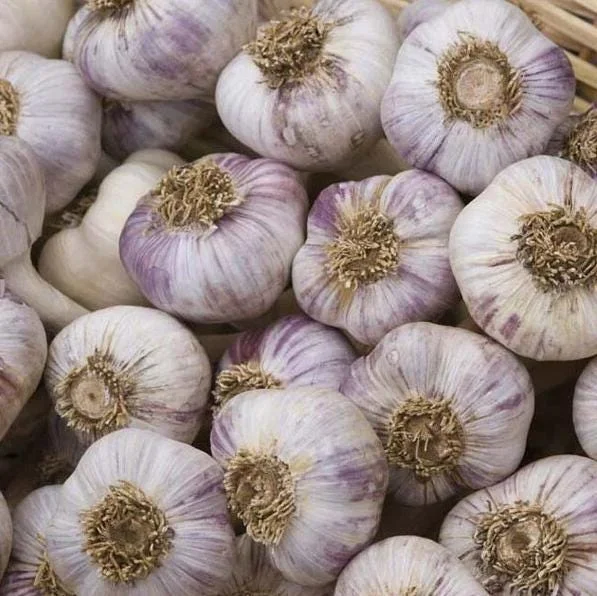
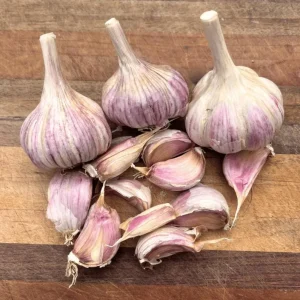
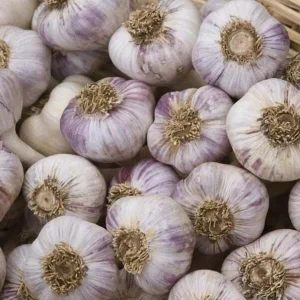
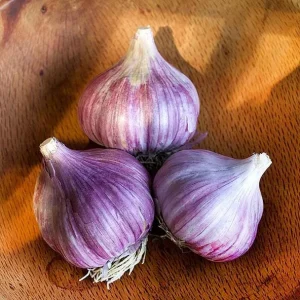
1Lb Chesnok Red Garlic Bulbs for Planting and Gardening, Hardneck Garlic Tubers
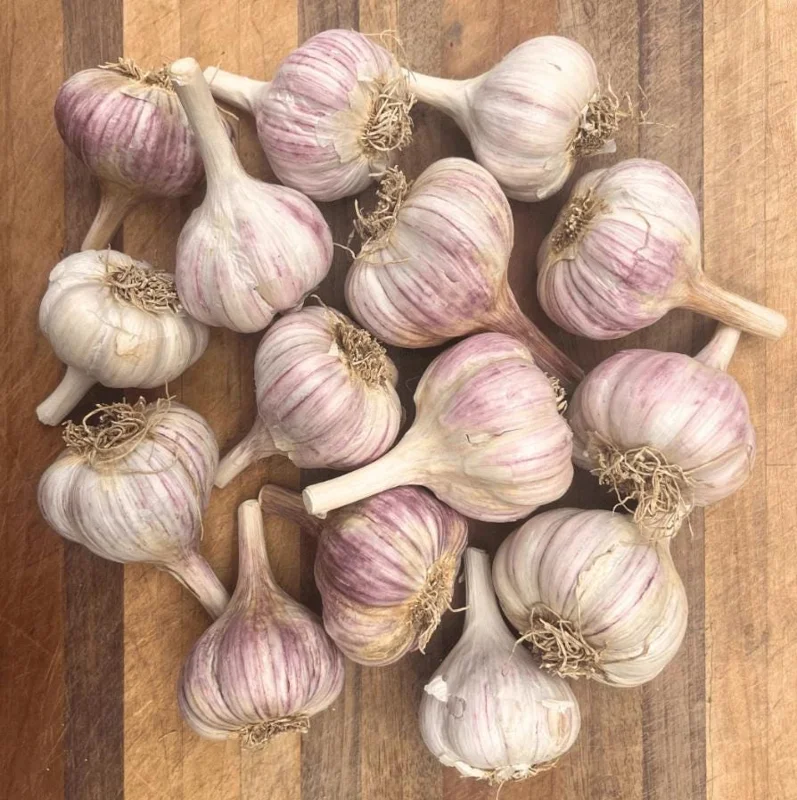
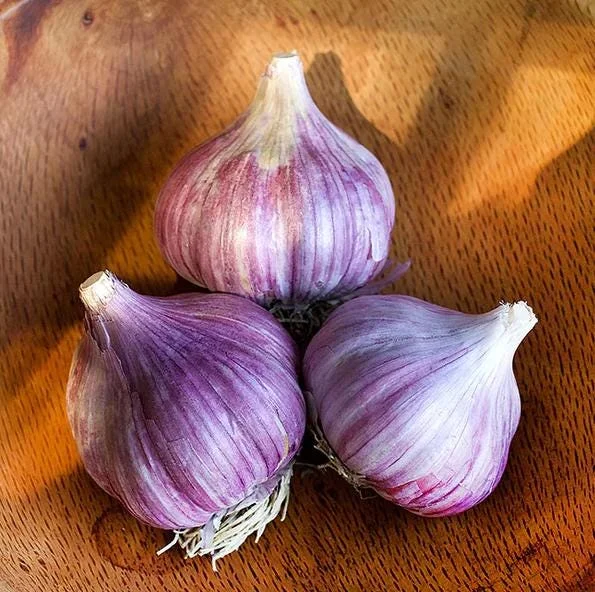
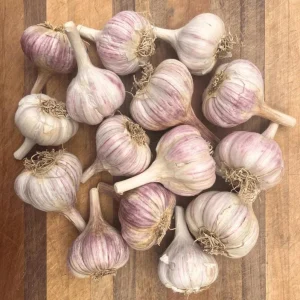
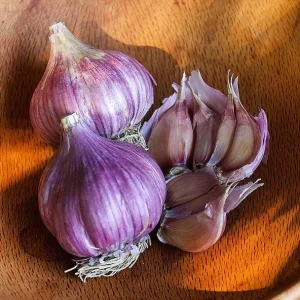
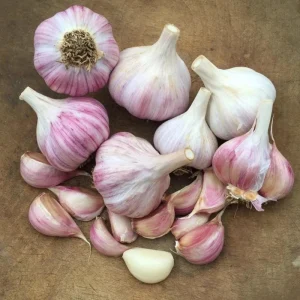
1Lb Chesnok Red Garlic Bulbs for Planting and Gardening, Hardneck Garlic Tubers
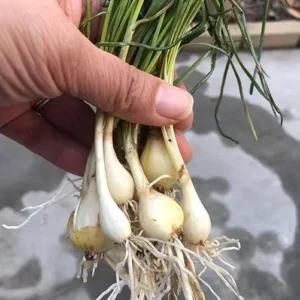
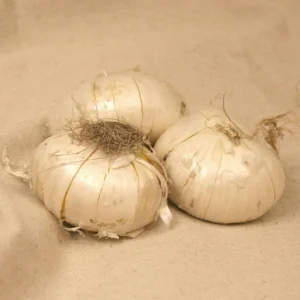
Cultivate your own delicious garlic with these Chesnok Red garlic bulbs. Ideal for planting in the garden, these hardneck garlic tubers produce flavorful cloves perfect for culinary use. Easy to grow and a rewarding addition to any home garden.
$32.99

With our Alive & Thrive Guarantee, we’ve got your back for the first 30 days! If you have any concerns about your plants, just reach out to us. Our team is here to help answer your questions and guide you in selecting the best plants for your garden, climate, and unique preferences. We're excited to help you create the garden of your dreams!
Estimated arrival
Apr 03
Apr 08 - Apr 10
Apr 13 - Apr 17


Product Details
Garlic bulbs are a popular and easy-to-grow crop that many gardeners enjoy planting.
1. When to Plant Garlic
Fall Planting: Garlic is typically planted in the fall, about 4–6 weeks before the ground freezes, allowing it to establish roots before winter. In many regions, this would be between late September and early November.
Spring Planting: In warmer climates, you can plant garlic in early spring after the last frost.
2. Preparing the Soil
Location: Choose a sunny spot that gets at least 6 hours of sunlight a day.
Soil: Garlic prefers well-draining, fertile soil. You can improve your soil by adding organic compost or well-rotted manure.
pH: Garlic thrives in slightly acidic to neutral soil with a pH of 6.0 to 7.0.
3. Planting Garlic
Breaking Apart Bulbs: Break the garlic bulb into individual cloves. Do this right before planting to prevent them from drying out.
Planting Depth: Plant cloves with the pointed end up, about 2 inches deep.
Spacing: Space the cloves 4–6 inches apart in rows, with rows spaced 10–12 inches apart.
4. Care and Maintenance
Watering: Garlic requires consistent moisture, but the soil should not be soggy. Water deeply and regularly, especially during dry periods.
Mulching: Mulch the garlic bed with straw or leaves to keep the soil warm, retain moisture, and suppress weeds.
Fertilization: Garlic doesn’t need a lot of fertilizer but can benefit from a balanced, slow-release fertilizer in the spring.
5. Harvesting
Timing: Garlic is typically ready to harvest in mid to late summer (around June to July). The leaves will start to yellow and die back when the garlic is mature.
How to Harvest: Carefully pull the garlic bulbs from the soil. Avoid damaging the bulbs by using a shovel or garden fork.
Curing: After harvesting, let the garlic cure in a cool, dry place with good air circulation for 2-3 weeks before storing.
Related products
-50%
Original price was: $79.96.$39.98Current price is: $39.98.
-50%
Original price was: $75.96.$37.98Current price is: $37.98.
-50%

Original price was: $121.98.$60.99Current price is: $60.99.
-50%
Original price was: $63.96.$31.98Current price is: $31.98.
-50%
Original price was: $71.96.$35.98Current price is: $35.98.
-60%
Original price was: $69.99.$27.99Current price is: $27.99.
PLANTING & CARE

Growing Glencoe Raspberry: A Complete Guide for Gardeners
If you’re looking to add something unique to your garden, look no further than the
31
Mar
Mar

The Comprehensive Guide to Growing Bay Leaf Plants for a Flavorful Garden
Imagine stepping into your garden, greeted by the earthy aroma of fresh bay leaves, their
09
Feb
Feb

How to Make Comfrey Tea: The Ultimate Organic Plant Food
Growing an organic garden can be surprisingly expensive, especially when most store-bought fertilizers come in
02
Feb
Feb

True Comfrey: 7 Essential Tips Before You Plant This Herb
A staple in permaculture practices across the US, True Comfrey easily earns its reputation as
27
Jan
Jan

7 Heart-Shaped Plants for a Lasting Valentine’s Gift
If you’ve ever bought a bouquet of roses for Valentine’s Day, you know they are
26
Jan
Jan

Best Types of Ivy Plant for Houses: How to Choose the Perfect Ones for Your Home
Are you a garden lover looking to introduce some greenery into your home? Maybe you’ve
14
Nov
Nov

When to Harvest Garlic (Especially Fall-Planted Garlic)
TIMING IS EVERYTHING, they say – and for garlic, that truth hits with surprising accuracy.
13
Nov
Nov

11 of the Best Sweet Potato Varieties to Grow for Your Garden
If you’ve ever tried growing sweet potatoes, you know that picking the right variety can
12
Nov
Nov