Pink Desert Rose Live Plant – Adenium Obesum Succulent, 4-8 Inches Tall
-50%
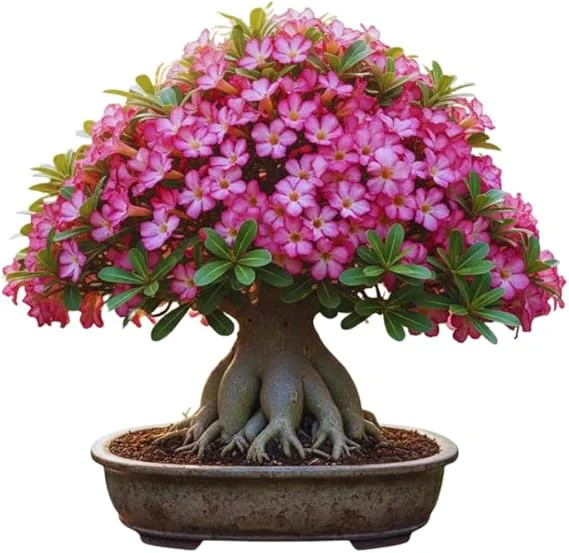
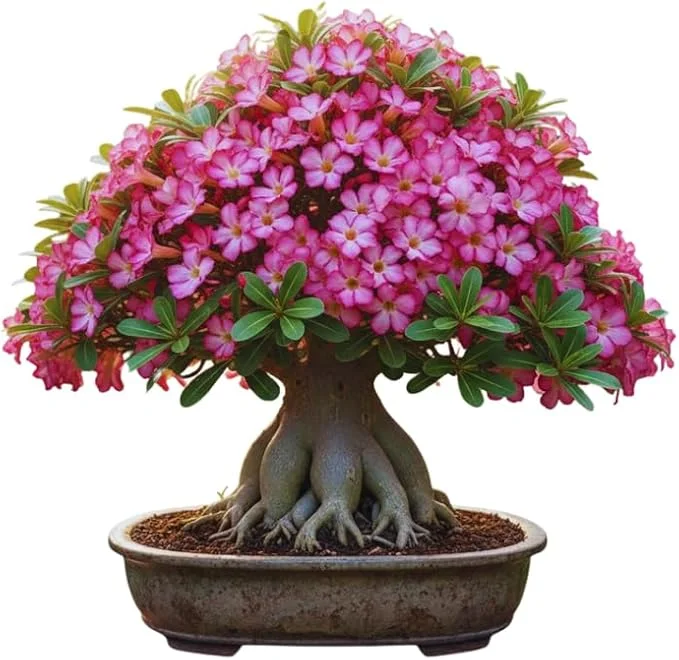
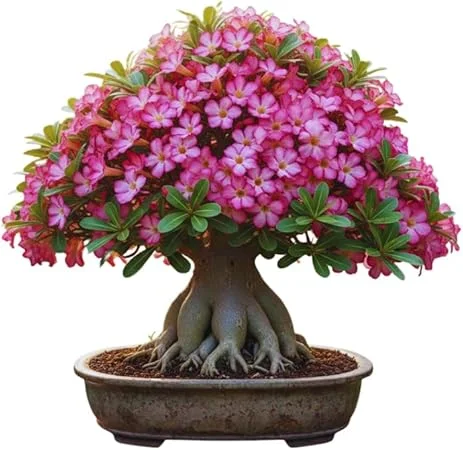
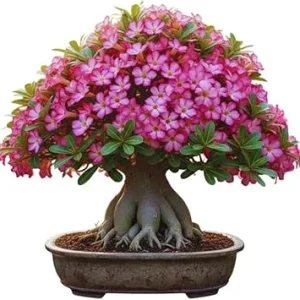
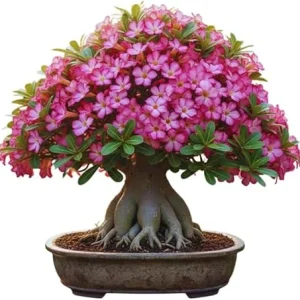
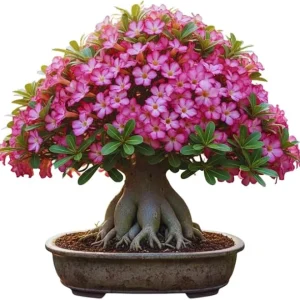
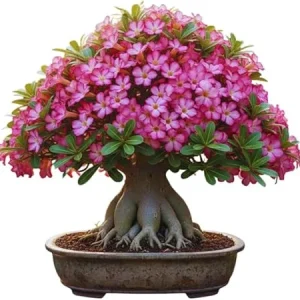
Pink Desert Rose Live Plant – Adenium Obesum Succulent, 4-8 Inches Tall
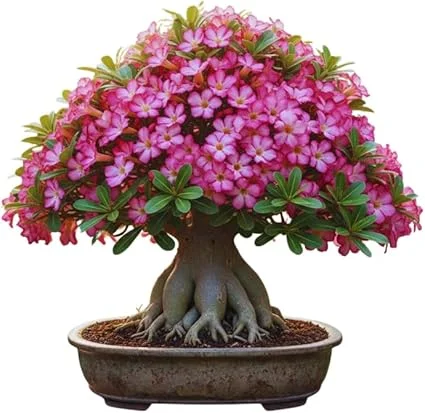
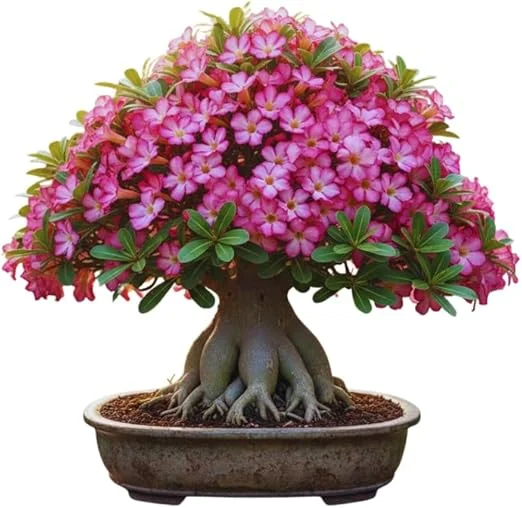
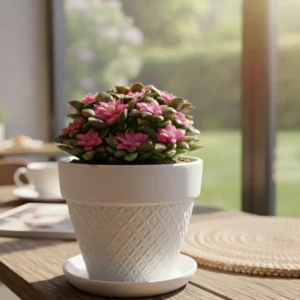
Bring exotic beauty to your home with a pink desert rose live plant. This stunning adenium obesum plant is a beginner-friendly succulent that thrives in bright light, offering vibrant pink blooms. Shipped as a bare root, it’s perfect for creating a beautiful succulent bonsai tree.
Original price was: $39.96.$19.98Current price is: $19.98.

With our Alive & Thrive Guarantee, we’ve got your back for the first 30 days! If you have any concerns about your plants, just reach out to us. Our team is here to help answer your questions and guide you in selecting the best plants for your garden, climate, and unique preferences. We're excited to help you create the garden of your dreams!
Estimated arrival
Apr 13
Apr 18 - Apr 20
Apr 23 - Apr 27

Product Details
-
USDA Hardiness Zone
USDA zones 10-11 (outdoors), can be grown indoors in all zones -
Soil type
Well-draining succulent or cactus mix -
Sunlight Exposure
Full sun (6-8+ hours direct light) -
Expected Planting Period
Year-round indoors, spring to early summer outdoors
Overview
Introduce a touch of the exotic to your plant collection with the exquisite pink desert rose live plant. Also known by its botanical name, Adenium obesum, this captivating succulent is celebrated for its striking, trumpet-shaped flowers and unique, swollen caudex. Originating from arid regions, the adenium obesum plant has adapted to thrive with minimal water, making it a surprisingly low-maintenance choice for both novice and experienced plant enthusiasts. This particular variety showcases beautiful pink blossoms, adding a pop of vibrant color to any indoor or outdoor setting. Often cultivated as a succulent bonsai tree, its unique form and elegant flowers make it a living piece of art.
Our pink desert rose live plant arrives as a bare root specimen, ready for you to pot and nurture. This allows for a fresh start in your preferred growing medium and container, encouraging robust growth from the outset. Known for its resilience and adaptability, the desert rose is not just a plant; it’s a statement piece that brings the allure of tropical deserts to your home. Enjoy the journey of watching this beautiful plant establish itself and reward you with its stunning floral displays.
Key Benefits
The pink desert rose live plant offers numerous advantages, making it a highly sought-after addition to any plant collection. Its unique characteristics and ease of care contribute to its widespread appeal:
-
Stunning Floral Display: Enjoy an abundance of vibrant pink, trumpet-shaped flowers that bloom for extended periods, providing continuous visual interest and a cheerful atmosphere. These showy flowers are a true highlight.
-
Low Maintenance: Ideal for busy individuals or beginners, the adenium obesum plant requires minimal watering and thrives on neglect, making it an easy-care option compared to many other flowering plants.
-
Drought Tolerant: As a succulent, the desert rose is naturally adapted to dry conditions, storing water in its caudex. This makes it highly forgiving if you occasionally forget to water.
-
Unique Caudex Formation: The distinctive swollen base (caudex) of the plant adds an artistic and sculptural element, especially when cultivated as a succulent bonsai tree, enhancing its aesthetic appeal.
-
Versatile Placement: Perfect for windowsills, patios, desks, or garden displays, this plant adapts well to various environments, bringing a tropical flair wherever it’s placed. Its compact size makes it suitable for many locations.
-
Beginner Friendly: Its resilient nature and simple care requirements make the pink desert rose live plant an excellent choice for those new to gardening, offering a rewarding experience with beautiful results.
-
Long-Lived Beauty: With proper care, a vibrant desert rose can live for many years, becoming a long-term companion and a cherished part of your home decor.
Plant Care & Growing Tips
Caring for your pink desert rose live plant is straightforward, especially when you understand its natural preferences. This succulent thrives in conditions that mimic its desert origins, primarily needing ample sunlight and careful watering. For optimal growth and prolific blooming, ensure your plant receives at least 6-8 hours of direct sunlight daily. An east-facing window that gets morning sun is ideal indoors, or a south-facing window with some protection from intense midday summer sun. Outdoors, place it in a location with full sun exposure, but be mindful of extreme heat during peak summer months.
Watering is perhaps the most crucial aspect of desert rose care. Since it’s a succulent, it’s susceptible to root rot if overwatered. Allow the soil to dry out completely between waterings, especially during its dormant period in winter. During the active growing season (spring and summer), you might water every 7-14 days depending on temperature and humidity. Always check the soil moisture before watering. The ideal soil for an adenium obesum plant is a well-draining succulent or cactus mix. You can also create your own by mixing potting soil with perlite, coarse sand, or pumice to enhance drainage. A slightly acidic to neutral pH (6.0-7.0) is preferred.
Temperature-wise, the pink desert rose live plant prefers warm conditions, ideally between 65-95°F (18-35°C). It is not frost-tolerant, so if you live in an area with cold winters, it must be brought indoors when temperatures drop below 50°F (10°C). Fertilize every 2-4 weeks during the growing season with a balanced liquid fertilizer diluted to half strength. Pruning can be done to maintain shape, encourage branching, and stimulate more blooms, especially if you’re cultivating a succulent bonsai tree. Watch out for common pests like spider mites and mealybugs; address them promptly with horticultural oil or insecticidal soap. Providing proper desert rose care will ensure a thriving and beautiful specimen.
Size & Details
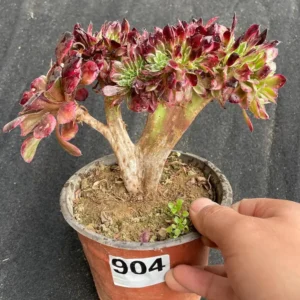
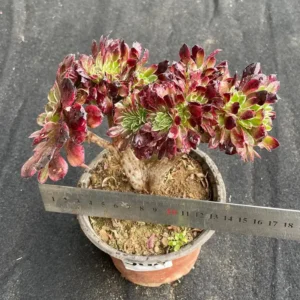
Each pink desert rose live plant is shipped as a bare root specimen, measuring approximately 4 to 8 inches tall. This size is perfect for immediate potting and allows you to establish the plant in your desired container and growing medium. As a relatively fast grower in ideal conditions, you can expect noticeable development within the first few months. When mature, an adenium obesum plant can reach heights of 1-3 feet with a similar spread, though its size can be managed through pruning, especially if styled as a succulent bonsai tree. The bare root delivery ensures the plant is healthy and ready to adapt to its new environment, minimizing transplant shock and promoting vigorous growth once potted.
The unique caudex, or swollen base, will continue to develop over time, becoming more prominent and sculptural as the plant ages. While it arrives without a pot, selecting an appropriate container with good drainage is crucial for its long-term health. Expect your vibrant desert rose to begin blooming within its first year, given proper light and care, continuing to delight with its beautiful flowers throughout its growing season.
Frequently Asked Questions
-
Q: How big does this plant get? A: This pink desert rose live plant typically grows to 1-3 feet tall and wide when mature, but its size can be managed with regular pruning, especially if you’re aiming for a compact succulent bonsai tree form. It arrives 4 to 8 inches tall as a bare root.
-
Q: Is this an indoor or outdoor plant? A: The adenium obesum plant can be grown both indoors and outdoors. It thrives outdoors in warm climates (USDA zones 10-11) but must be brought indoors when temperatures fall below 50°F (10°C) to protect it from cold.
-
Q: How much sunlight does it need? A: This plant requires abundant sunlight. Provide at least 6-8 hours of direct sun daily for the best growth and most prolific blooms. Full sun exposure is ideal for a healthy vibrant desert rose.
-
Q: Is this plant easy to care for? A: Yes, the desert rose is considered beginner-friendly due to its drought tolerance and relatively simple desert rose care requirements. The key is to avoid overwatering and ensure plenty of sunlight.
-
Q: What condition will it arrive in? A: Your pink desert rose live plant will arrive as a healthy bare root specimen, carefully packaged to ensure it reaches you in excellent condition, ready for potting.
-
Q: What kind of soil is best for it? A: A well-draining succulent or cactus potting mix is essential for the desert rose. Good drainage is vital to prevent root rot, which is a common issue for this plant.
-
Q: How often should I water my desert rose? A: Water sparingly. Allow the soil to dry out completely between waterings. During the active growing season, this might be every 7-14 days, but less frequently in cooler temperatures or during dormancy.
-
Q: Can I keep the adenium obesum plant on my desk? A: If your desk receives ample bright, direct sunlight for several hours a day, it can be a suitable spot. Otherwise, it might struggle without adequate light. Consider a grow light if natural light is insufficient for your pink desert rose live plant.
-
Q: When is the best time to plant a bare root desert rose? A: The best time to plant a bare root desert rose is during its active growing season, typically in spring or early summer, when temperatures are consistently warm.
-
Q: Is the desert rose toxic to pets? A: Yes, all parts of the adenium obesum plant are considered toxic if ingested by pets or humans. It’s best to keep it out of reach of curious animals and children.
Related products
-30%
Original price was: $79.98.$55.98Current price is: $55.98.
-30%
Original price was: $47.98.$33.58Current price is: $33.58.
-30%
Original price was: $79.98.$55.98Current price is: $55.98.
-30%
Original price was: $85.98.$60.18Current price is: $60.18.
-30%
Original price was: $79.98.$55.98Current price is: $55.98.
-97%
Original price was: $316.80.$9.92Current price is: $9.92.
PLANTING & CARE

Growing Glencoe Raspberry: A Complete Guide for Gardeners
If you’re looking to add something unique to your garden, look no further than the
31
Mar
Mar

The Comprehensive Guide to Growing Bay Leaf Plants for a Flavorful Garden
Imagine stepping into your garden, greeted by the earthy aroma of fresh bay leaves, their
09
Feb
Feb

How to Make Comfrey Tea: The Ultimate Organic Plant Food
Growing an organic garden can be surprisingly expensive, especially when most store-bought fertilizers come in
02
Feb
Feb

True Comfrey: 7 Essential Tips Before You Plant This Herb
A staple in permaculture practices across the US, True Comfrey easily earns its reputation as
27
Jan
Jan

7 Heart-Shaped Plants for a Lasting Valentine’s Gift
If you’ve ever bought a bouquet of roses for Valentine’s Day, you know they are
26
Jan
Jan

Best Types of Ivy Plant for Houses: How to Choose the Perfect Ones for Your Home
Are you a garden lover looking to introduce some greenery into your home? Maybe you’ve
14
Nov
Nov

When to Harvest Garlic (Especially Fall-Planted Garlic)
TIMING IS EVERYTHING, they say – and for garlic, that truth hits with surprising accuracy.
13
Nov
Nov

11 of the Best Sweet Potato Varieties to Grow for Your Garden
If you’ve ever tried growing sweet potatoes, you know that picking the right variety can
12
Nov
Nov