Yellow Japanese Grass Live Plant, Cold Hardy Ornamental Grass, Zones 5-9
-50%
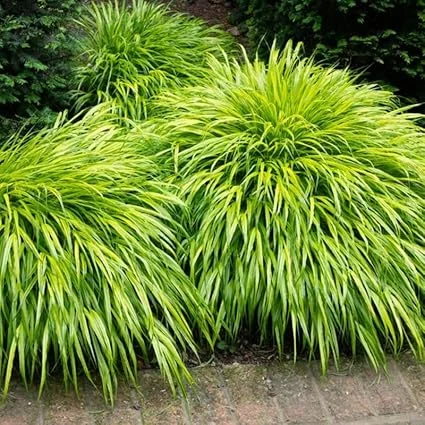
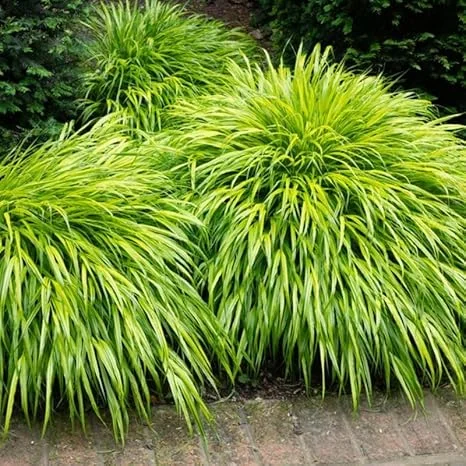
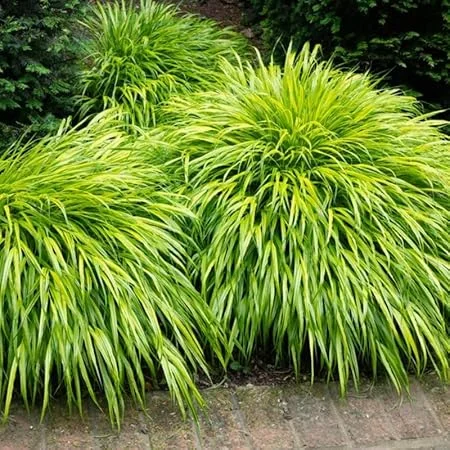
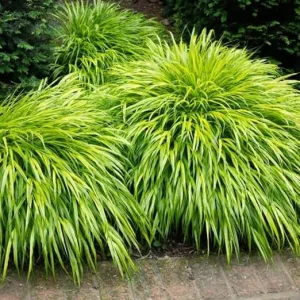
Yellow Japanese Grass Live Plant, Cold Hardy Ornamental Grass, Zones 5-9
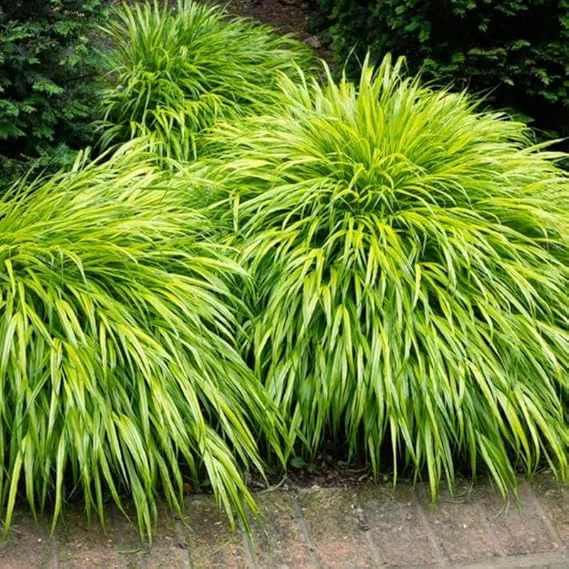
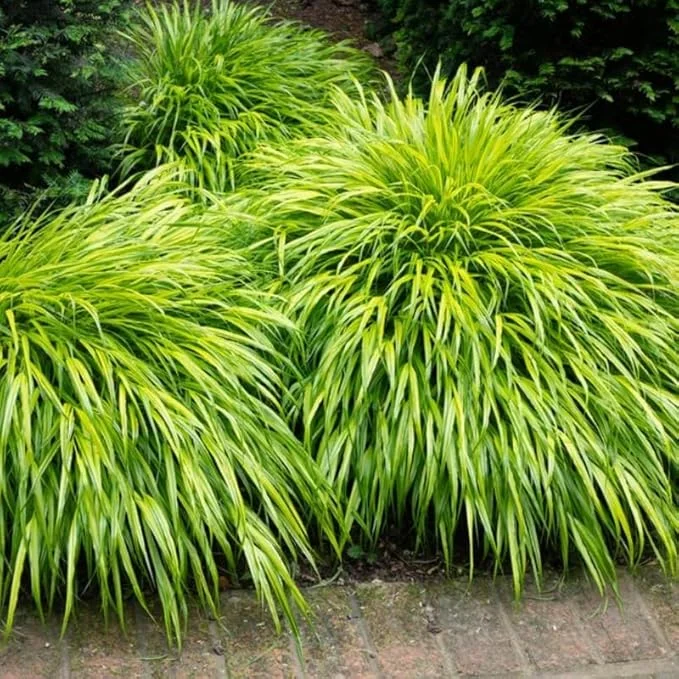
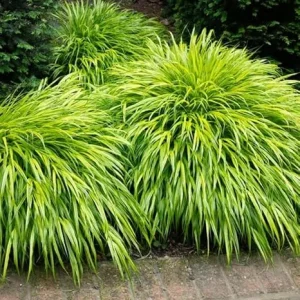
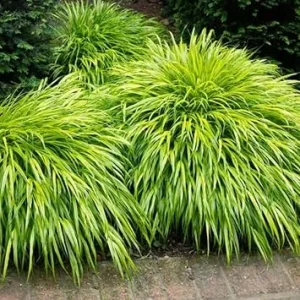
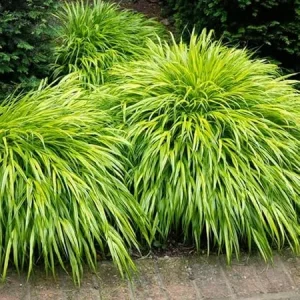
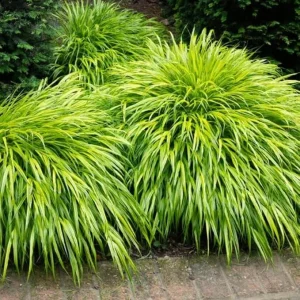
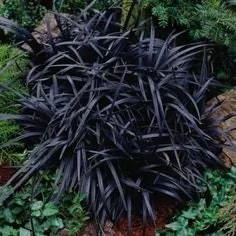
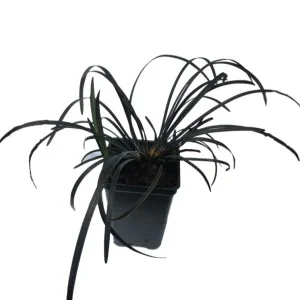
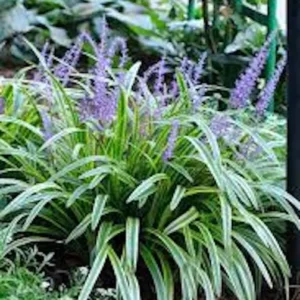
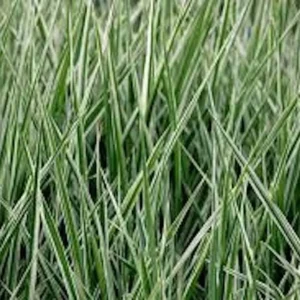
Add vibrant color and elegant texture to your landscape with this yellow Japanese grass live plant. A beautiful cold hardy ornamental grass, it’s perfect for borders, shade gardens, or containers. Thrives in USDA Zones 5-9, growing 18 inches tall and 14 inches wide.
Original price was: $59.98.$29.99Current price is: $29.99.

With our Alive & Thrive Guarantee, we’ve got your back for the first 30 days! If you have any concerns about your plants, just reach out to us. Our team is here to help answer your questions and guide you in selecting the best plants for your garden, climate, and unique preferences. We're excited to help you create the garden of your dreams!
Estimated arrival
Mar 31
Apr 05 - Apr 07
Apr 10 - Apr 14
Product Details
-
USDA Hardiness Zone
Zones 5-9 -
Soil type
Sandy Soil -
Sunlight Exposure
Partial to Full Shade -
Expected Planting Period
Winter
Overview
Introduce a splash of golden elegance to your garden with the yellow Japanese grass live plant, a stunning addition for any landscape enthusiast. Also known as Hakonechloa macra ‘Aureola’ or Japanese Forest Grass, this ornamental grass is celebrated for its gracefully arching, bamboo-like foliage that shimmers with bright yellow and chartreuse hues. Its flowing habit creates a soft, textural contrast in garden beds, pathways, or containers, making it a versatile choice for both modern and traditional designs. This particular variety is cherished for its vibrant color, especially when planted in partial shade where its yellow tones truly pop. Unlike many grasses, this one forms neat clumps rather than spreading aggressively, ensuring a tidy and manageable presence in your garden. It’s a fantastic option for adding year-round interest, offering a golden glow through the growing season and a lovely russet tone in fall and winter.
As a cold hardy ornamental grass, it’s designed to withstand colder temperatures, making it a reliable perennial in many regions. Each clump is well-rooted, ensuring a strong start for your garden project. The unique color and texture of this plant provide an excellent focal point or a sophisticated backdrop for other plants. Whether you’re designing a tranquil shade garden or seeking to add dynamic movement to your outdoor space, the yellow Japanese grass live plant is an exceptional choice that promises beauty and resilience.
Key Benefits
The yellow Japanese grass live plant offers a multitude of benefits, making it a highly desirable choice for gardeners looking to enhance their outdoor spaces with minimal effort and maximum impact.
- Vibrant Foliage: Known for its striking yellow and chartreuse striped leaves, this grass provides continuous color and brightens up shady areas where other plants might struggle. The foliage maintains its vibrant hue throughout the growing season, transitioning to attractive russet tones in autumn.
- Cold Hardiness: This is a robust cold hardy ornamental grass, thriving in USDA Zones 5-9. It can withstand significant temperature drops, ensuring it returns year after year with its beautiful display, providing long-term value and reliability.
- Low Maintenance: Once established, this Japanese forest grass requires minimal care. It’s relatively pest and disease resistant and doesn’t demand frequent pruning, making it ideal for busy gardeners or those new to plant care.
- Elegant Texture: The cascading, flowing habit of its leaves creates a soft, dynamic texture that adds movement and sophistication to garden beds, rock gardens, or container arrangements. It can soften harsh edges and provide a calming visual appeal.
- Shade Tolerance: Unlike many sun-loving plants, Hakonechloa macra ‘Aureola’ thrives in partial to full shade, making it a perfect solution for illuminating darker corners of your garden or under trees where sunlight is limited.
- Deer Resistant: Generally, deer tend to leave this ornamental grass alone, which is a significant advantage in areas where deer browsing is a concern, allowing your plants to flourish undisturbed.
- Versatile Use: Excellent for mass plantings, borders, ground cover, specimen plants, or even in decorative pots. Its clumping nature prevents it from becoming invasive, ensuring it stays where you plant it.
Plant Care & Growing Tips
Caring for your yellow Japanese grass live plant is relatively straightforward, making it a rewarding addition to various garden styles. The key to its success lies in understanding its preferred growing conditions, particularly its need for appropriate light and moisture. This ornamental grass thrives best in a location that receives partial to full shade. While it can tolerate some morning sun, intense afternoon sun, especially in hotter climates, can scorch its delicate foliage and diminish its vibrant yellow color. Aim for a spot that gets about 3-6 hours of indirect sunlight or dappled shade throughout the day. In cooler climates, it can tolerate a bit more sun.
When it comes to watering, this plant prefers consistently moist soil, but never waterlogged. Moderate watering is ideal, particularly during dry spells or its establishment period. Ensure the soil has good drainage to prevent root rot, which can be a common issue if the plant sits in standing water. A rich, well-draining soil type, ideally sandy loam with plenty of organic matter, will provide the best environment for healthy growth. The Japanese forest grass care routine also includes monitoring soil moisture, especially during hot summer months. Fertilization is generally not heavily required; a light application of a balanced slow-release fertilizer in early spring is usually sufficient to support vigorous growth. This plant is dormant in winter, meaning its foliage will die back, but it will re-emerge beautifully in spring.
For colder regions (USDA Zone 5), providing a layer of mulch around the base of the plant in late fall can offer additional winter protection. Pruning is minimal; simply cut back the old, dormant foliage to about 2-3 inches from the ground in late winter or early spring before new growth appears. This helps to maintain a tidy appearance and encourages fresh, vibrant new shoots. With these simple guidelines, your yellow Japanese grass live plant will flourish and provide years of beauty.
Size & Details
This yellow Japanese grass live plant is shipped as a well-rooted clump, ready to be planted directly into your garden or a larger container. Upon maturity, it typically grows to an attractive height of 18 inches and spreads approximately 14 inches wide, forming a dense, cascading mound of foliage. Its moderate growth rate allows it to establish well without becoming invasive, maintaining its clumping habit. The plant is reliably hardy in USDA Zones 5-9, making it suitable for a wide range of climates across the United States. It’s a perfect choice for adding medium-height texture and color to your landscape design.
The plant will arrive dormant if purchased during the winter months, which is a natural state for this perennial grass and indicates its readiness for a strong spring emergence. Its expected blooming period is winter, though its primary ornamental value comes from its stunning foliage. This cold hardy ornamental grass thrives in sandy soil with moderate watering needs, ensuring it’s a resilient and beautiful addition to your outdoor space.
Frequently Asked Questions
- Q: How big does this plant get? A: The yellow Japanese grass live plant typically grows to a mature height of about 18 inches tall and spreads approximately 14 inches wide, forming an attractive, mounding clump.
- Q: Is this an indoor or outdoor plant? A: This ornamental grass is primarily an outdoor plant, ideally suited for garden beds, borders, and containers in USDA Zones 5-9. It can be brought indoors temporarily in very cold climates but thrives outdoors.
- Q: How much sunlight does it need? A: It prefers partial to full shade, meaning about 3-6 hours of indirect or dappled sunlight. Too much direct afternoon sun can scorch its leaves and dull its vibrant yellow color.
- Q: What condition will it arrive in? A: Your yellow Japanese grass live plant will arrive as a well-rooted, healthy clump. If purchased in winter, it may be dormant, which is normal and indicates a healthy plant ready for spring growth.
- Q: Is this plant easy to care for? A: Yes, this cold hardy ornamental grass is relatively low-maintenance once established. It requires consistent moisture but good drainage, and minimal pruning. It’s a great choice for various skill levels.
- Q: When is the best time to plant? A: The best time to plant is in spring or early fall, allowing the plant to establish its root system before extreme temperatures. It can be planted in winter if the ground is not frozen.
- Q: Will it survive winter in my zone? A: This ornamental grass is cold hardy and thrives in USDA Zones 5-9. If you are within these zones, it should reliably survive the winter and return each spring.
- Q: What type of soil does it prefer? A: It prefers well-draining soil, ideally a sandy loam rich in organic matter. Good drainage is crucial to prevent root rot.
- Q: How often should I water this Japanese forest grass? A: Water regularly to keep the soil consistently moist, especially during dry periods and while the plant is establishing. Avoid letting it dry out completely or sit in waterlogged conditions. This is key for good Japanese forest grass care.
- Q: Does this plant attract pests? A: No, this grass is generally pest and disease resistant, making it a robust and healthy addition to your garden without much fuss.
Related products
-20%
Original price was: $40.00.$32.00Current price is: $32.00.
-20%
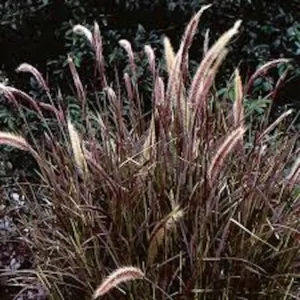
Original price was: $24.98.$19.98Current price is: $19.98.
-20%
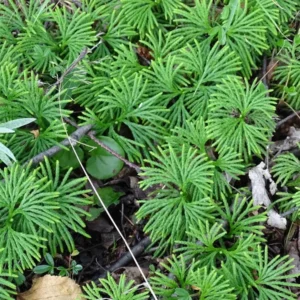
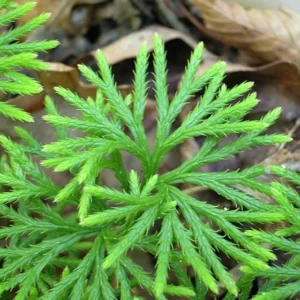
Original price was: $19.98.$15.98Current price is: $15.98.
-20%
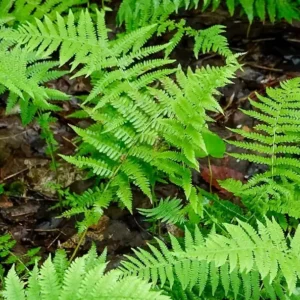
Original price was: $80.00.$64.00Current price is: $64.00.
-50%
Original price was: $65.98.$32.99Current price is: $32.99.
-20%
Original price was: $30.00.$24.00Current price is: $24.00.
-20%
Original price was: $76.00.$60.80Current price is: $60.80.
-20%
Original price was: $190.00.$152.00Current price is: $152.00.
PLANTING & CARE

Growing Glencoe Raspberry: A Complete Guide for Gardeners
If you’re looking to add something unique to your garden, look no further than the
31
Mar
Mar

The Comprehensive Guide to Growing Bay Leaf Plants for a Flavorful Garden
Imagine stepping into your garden, greeted by the earthy aroma of fresh bay leaves, their
09
Feb
Feb

How to Make Comfrey Tea: The Ultimate Organic Plant Food
Growing an organic garden can be surprisingly expensive, especially when most store-bought fertilizers come in
02
Feb
Feb

True Comfrey: 7 Essential Tips Before You Plant This Herb
A staple in permaculture practices across the US, True Comfrey easily earns its reputation as
27
Jan
Jan

7 Heart-Shaped Plants for a Lasting Valentine’s Gift
If you’ve ever bought a bouquet of roses for Valentine’s Day, you know they are
26
Jan
Jan

Best Types of Ivy Plant for Houses: How to Choose the Perfect Ones for Your Home
Are you a garden lover looking to introduce some greenery into your home? Maybe you’ve
14
Nov
Nov

When to Harvest Garlic (Especially Fall-Planted Garlic)
TIMING IS EVERYTHING, they say – and for garlic, that truth hits with surprising accuracy.
13
Nov
Nov

11 of the Best Sweet Potato Varieties to Grow for Your Garden
If you’ve ever tried growing sweet potatoes, you know that picking the right variety can
12
Nov
Nov