Red Shrimp Live Plants – 2 Pack, 5-7 inches Tall, Easy Care, Indoor/Outdoor
-50%
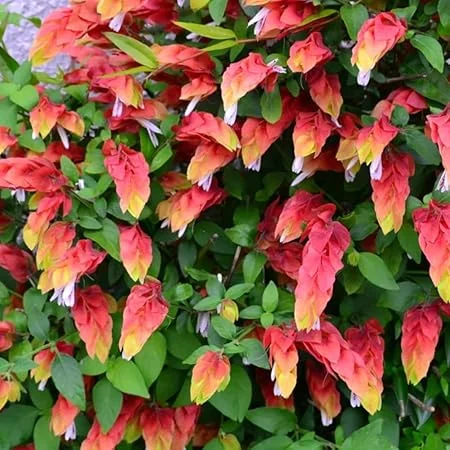
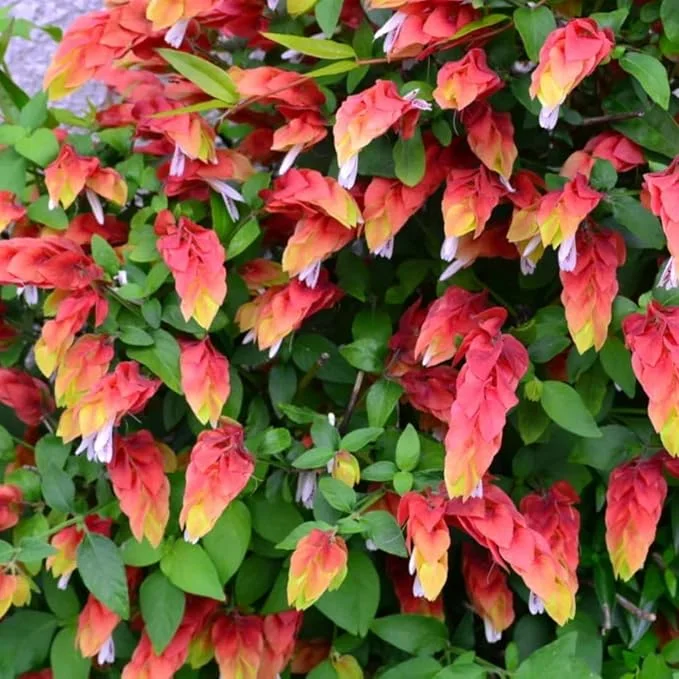
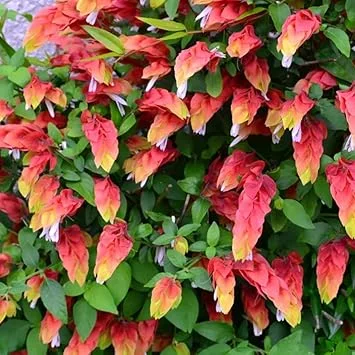
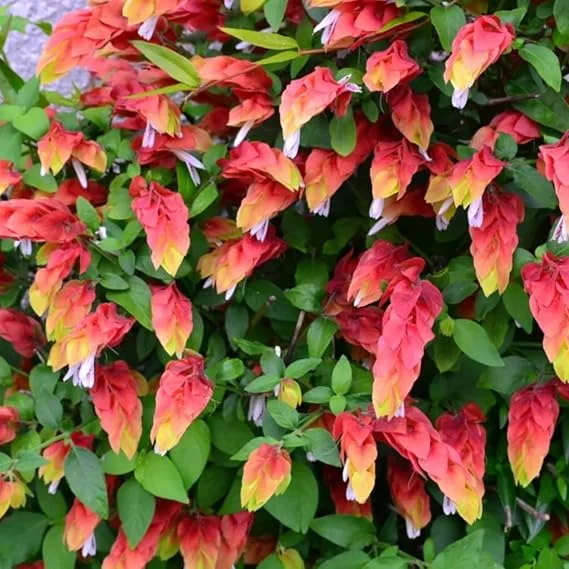
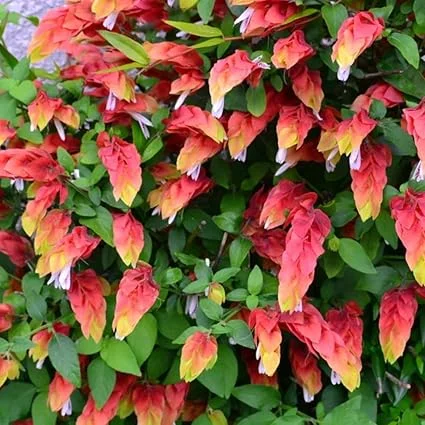
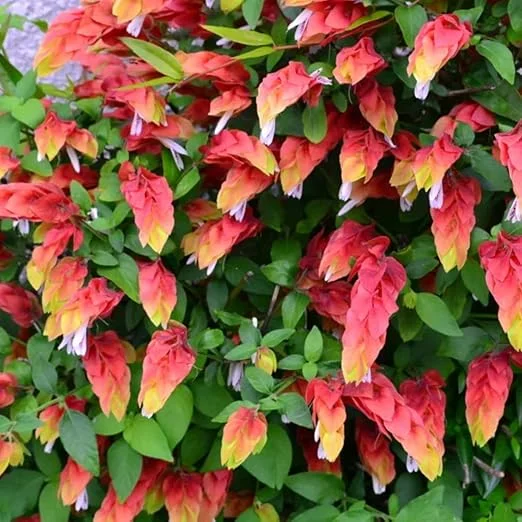
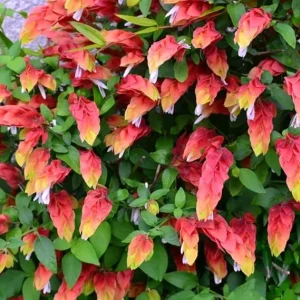
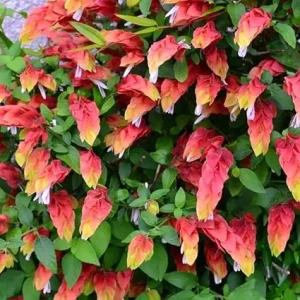
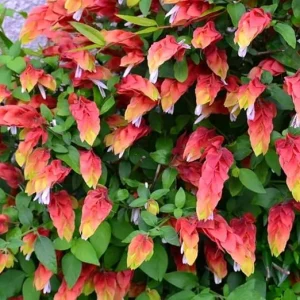
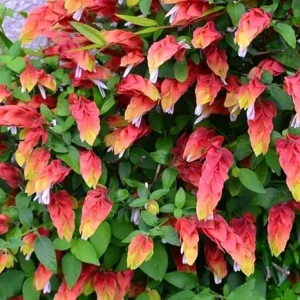
Red Shrimp Live Plants – 2 Pack, 5-7 inches Tall, Easy Care, Indoor/Outdoor
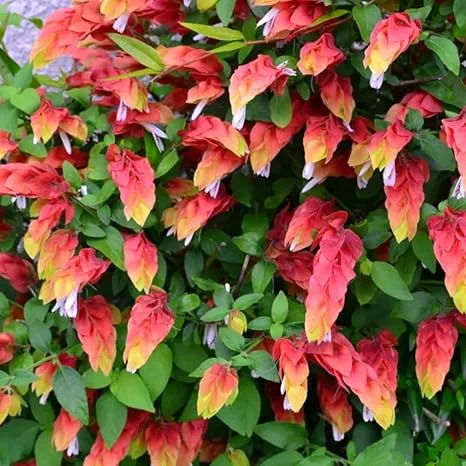
Bring exotic beauty to your home or garden with these vibrant red shrimp live plants. This convenient 2-pack offers well-rooted plants, 5-7 inches tall, ready for immediate planting. Ideal for both indoor and outdoor growing, they add a unique touch with their distinctive red bracts.
Original price was: $38.78.$19.39Current price is: $19.39.

With our Alive & Thrive Guarantee, we’ve got your back for the first 30 days! If you have any concerns about your plants, just reach out to us. Our team is here to help answer your questions and guide you in selecting the best plants for your garden, climate, and unique preferences. We're excited to help you create the garden of your dreams!
Estimated arrival
Apr 16
Apr 21 - Apr 23
Apr 26 - Apr 30
Product Details
-
USDA Hardiness Zone
USDA Zones 8-11 (or indoors) -
Soil type
Well-draining, fertile soil -
Sunlight Exposure
Full sun to partial shade (bright indirect light indoors) -
Expected Planting Period
Year-round indoors; spring to early summer outdoors
Overview
Introduce a splash of vibrant color and unique texture to your plant collection with these stunning red shrimp live plants. Known for their distinctive, shrimp-like bracts, these plants (botanically known as Justicia brandegeeana) are a captivating addition to any garden or indoor setting. This offering includes two healthy, well-rooted plants, each standing between 5 to 7 inches tall, making them ideal for immediate planting and enjoyment. The unique inflorescences, resembling a shrimp’s head, emerge in brilliant red hues, providing continuous visual interest throughout their growing season. Whether you’re an experienced gardener or just starting, the red shrimp live plants are an excellent choice for their ease of care and striking appearance.
These ornamental plants thrive in various environments, from sunny garden beds to bright indoor spots, making them incredibly versatile. Their robust nature ensures they quickly establish themselves, transforming your space with their unusual and eye-catching blooms. Embrace the beauty and simplicity of growing these remarkable red shrimp live plants and enjoy the unique charm they bring to your living space.
Key Benefits
Cultivating red shrimp live plants offers numerous advantages, blending aesthetic appeal with straightforward maintenance, making them a favored choice for many plant enthusiasts. Here are some of the key benefits:
- Unique Ornamental Appeal: The most striking feature of the red shrimp live plants is their unusual flower-like bracts that perfectly mimic the shape and color of a shrimp. This makes them a fantastic conversation starter and a focal point in any plant arrangement or garden bed.
- Continuous Blooms: Unlike many flowering plants with short blooming seasons, shrimp plants are known for their prolonged flowering period, often producing their vibrant red bracts for many months, providing consistent color.
- Versatile Growing Options: These plants are adaptable and can be grown successfully both indoors as a houseplant in a bright spot or outdoors in garden beds and containers, especially in warmer climates.
- Relatively Low Maintenance: Once established, shrimp plants are quite resilient and don’t demand constant attention. They are forgiving of occasional neglect, making them suitable for busy gardeners.
- Attracts Pollinators: While subtle, the actual flowers nestled within the bracts can attract hummingbirds and other small pollinators to your garden, contributing to local biodiversity.
- Easy to Propagate: For those looking to expand their collection, shrimp plants are known for being relatively easy to propagate from cuttings, allowing you to share their beauty with others.
- Adds Tropical Flair: With their exotic appearance, these plants can instantly infuse a tropical ambiance into your garden or indoor decor, creating a lush and vibrant atmosphere.
Plant Care & Growing Tips
Caring for your red shrimp live plants is relatively straightforward, ensuring they flourish and provide continuous beauty. These plants are quite adaptable, but a few key considerations will help them thrive. For optimal growth, provide plenty of bright, indirect light or partial shade. If growing outdoors, full morning sun with some afternoon shade is ideal, especially in hotter climates, to prevent leaf scorch. Indoors, place them near a bright window where they can receive several hours of light without direct, intense afternoon sun. Insufficient light can lead to leggy growth and fewer blooms, impacting the plant’s overall health and the vibrancy of its distinctive red bracts.
When it comes to watering, shrimp plant care involves consistent moisture without waterlogging. The soil should be kept evenly moist but never soggy. Allow the top inch of soil to dry out slightly between waterings. During warmer months and active growth, they will require more frequent watering. Reduce watering in cooler temperatures or during dormant periods. Well-draining soil is crucial to prevent root rot. A good quality potting mix enriched with organic matter works well for container plants. For garden beds, amend heavy clay soils with compost or sand to improve drainage. These plants generally prefer temperatures between 60-75°F (15-24°C) and appreciate high humidity, especially indoors. Fertilize every 2-4 weeks during the growing season with a balanced liquid fertilizer, diluting to half strength. Watch out for common pests like spider mites or aphids; treat promptly with insecticidal soap if detected. Regular pruning can encourage bushier growth and more prolific flowering, ensuring your red shrimp live plants remain a stunning focal point.
Size & Details
This offering includes two robust red shrimp live plants, each carefully cultivated to reach a healthy size of approximately 5 to 7 inches tall from the base of the plant to the tip. These plants are shipped well-rooted, typically in nursery pots, ready for you to transplant into your garden or preferred decorative containers. The compact size upon arrival makes them easy to handle and ideal for starting new arrangements or filling gaps in existing garden beds. Shrimp plants are known for their moderate growth rate, and with proper shrimp plant care, they can ultimately reach heights of 1 to 3 feet tall and spread similar widths, forming attractive, bushy specimens.
While the exact bloom time can vary based on climate and care, these plants are known for their extended flowering season, often blooming from spring through fall, and even year-round in ideal, frost-free conditions. The vibrant red bracts are the main attraction, creating a continuous display of color. Expect your plants to establish quickly and begin producing their characteristic ‘shrimp’ blooms within a few weeks of planting when provided with adequate light and water. These plants are well-suited for a variety of uses, from mixed borders to specimen plants in containers, offering a unique texture and color element to your landscape or indoor plant collection.
Frequently Asked Questions
- Q: How big do these red shrimp live plants get? A: Upon arrival, these plants are 5-7 inches tall. With proper care, they can grow to be 1 to 3 feet tall and wide, forming a dense, bushy shrub.
- Q: What is the best light for shrimp plant outdoor or indoor growing? A: For outdoor planting, partial shade to full sun (especially morning sun) is ideal. Indoors, place them in a bright location with indirect light, such as near an east or west-facing window.
- Q: Is this plant easy to care for? A: Yes, shrimp plant care is considered relatively easy. They are forgiving plants that thrive with consistent watering and adequate light, making them suitable for beginners and experienced gardeners alike.
- Q: What condition will the plants arrive in? A: You will receive two well-rooted red shrimp live plants, carefully packaged to ensure they arrive healthy and ready for planting. They are typically shipped in nursery pots with soil.
- Q: Can I grow red shrimp plant indoor year-round? A: Absolutely! Shrimp plants make excellent houseplants and can bloom year-round indoors if given sufficient light and warmth, bringing continuous color to your home.
- Q: When is the best time to plant these shrimp plants? A: These plants can be planted anytime if you’re growing them indoors. If planting outdoors, spring after the last frost is generally the best time to allow them to establish before summer heat or winter cold.
- Q: What USDA Hardiness Zones are suitable for shrimp plants for sale? A: Shrimp plants are typically hardy in USDA Zones 8-11. In colder zones, they are best grown as annuals or brought indoors for the winter.
- Q: How often should I water my shrimp plant? A: Keep the soil consistently moist but not waterlogged. Allow the top inch of soil to dry out between waterings. Adjust frequency based on temperature and humidity.
- Q: Do these plants attract pests? A: While generally robust, like many plants, they can occasionally attract pests such as spider mites or aphids. Regular inspection and prompt treatment with insecticidal soap can manage any issues.
- Q: What kind of soil do red shrimp live plants prefer? A: They thrive in well-draining, fertile soil rich in organic matter. A good quality potting mix is perfect for containers, and garden soil should be amended for good drainage.
Related products
-30%
Original price was: $63.98.$44.78Current price is: $44.78.
-67%
Original price was: $59.97.$19.99Current price is: $19.99.
-70%
Original price was: $79.98.$24.00Current price is: $24.00.
-10%
Original price was: $11.99.$10.79Current price is: $10.79.
-67%
Original price was: $41.97.$13.99Current price is: $13.99.
-75%
Original price was: $59.98.$15.00Current price is: $15.00.
-20%
Original price was: $31.98.$25.58Current price is: $25.58.
PLANTING & CARE

Growing Glencoe Raspberry: A Complete Guide for Gardeners
If you’re looking to add something unique to your garden, look no further than the
31
Mar
Mar

The Comprehensive Guide to Growing Bay Leaf Plants for a Flavorful Garden
Imagine stepping into your garden, greeted by the earthy aroma of fresh bay leaves, their
09
Feb
Feb

How to Make Comfrey Tea: The Ultimate Organic Plant Food
Growing an organic garden can be surprisingly expensive, especially when most store-bought fertilizers come in
02
Feb
Feb

True Comfrey: 7 Essential Tips Before You Plant This Herb
A staple in permaculture practices across the US, True Comfrey easily earns its reputation as
27
Jan
Jan

7 Heart-Shaped Plants for a Lasting Valentine’s Gift
If you’ve ever bought a bouquet of roses for Valentine’s Day, you know they are
26
Jan
Jan

Best Types of Ivy Plant for Houses: How to Choose the Perfect Ones for Your Home
Are you a garden lover looking to introduce some greenery into your home? Maybe you’ve
14
Nov
Nov

When to Harvest Garlic (Especially Fall-Planted Garlic)
TIMING IS EVERYTHING, they say – and for garlic, that truth hits with surprising accuracy.
13
Nov
Nov

11 of the Best Sweet Potato Varieties to Grow for Your Garden
If you’ve ever tried growing sweet potatoes, you know that picking the right variety can
12
Nov
Nov