Rosemary Live Plants – 3-Pack Herb Starter Plants, 4-7 Inches Tall, Outdoor
-50%
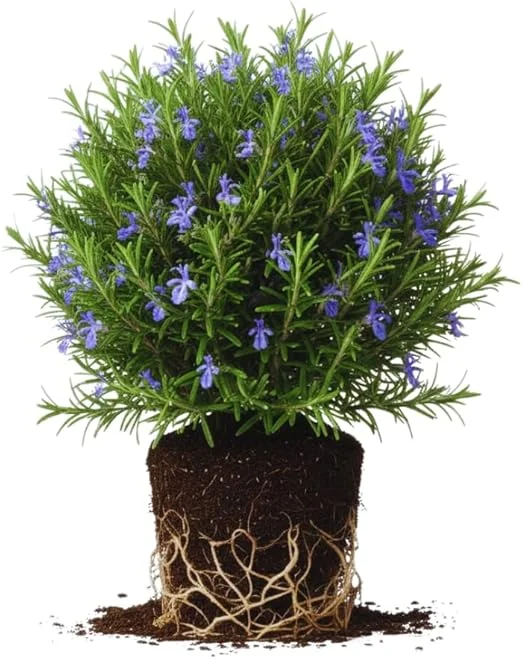
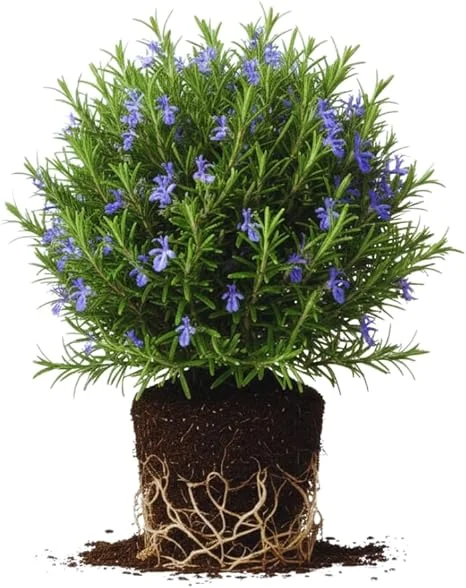
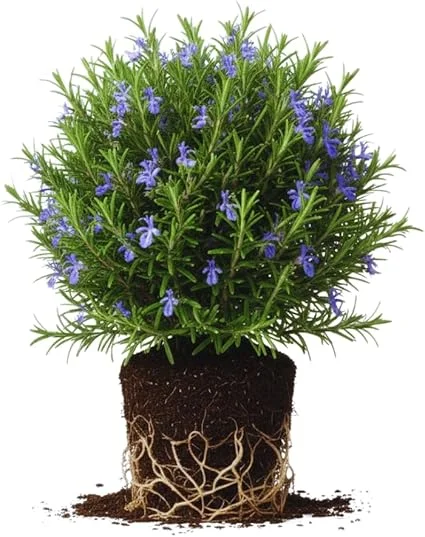
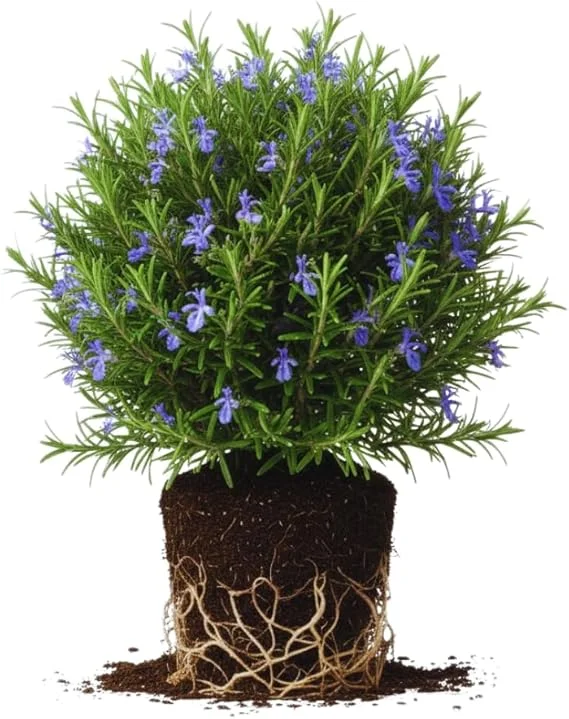
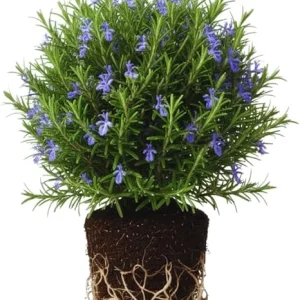
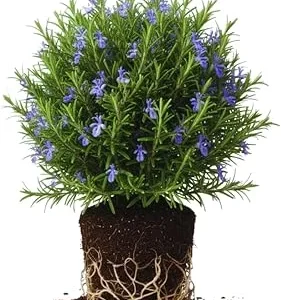
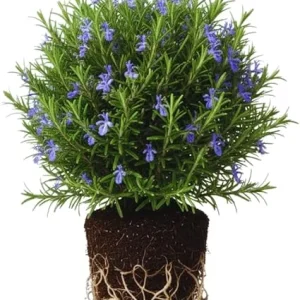
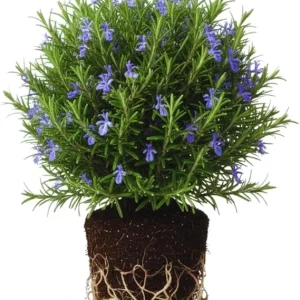
Rosemary Live Plants – 3-Pack Herb Starter Plants, 4-7 Inches Tall, Outdoor
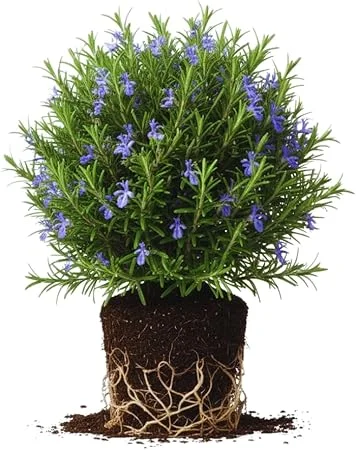
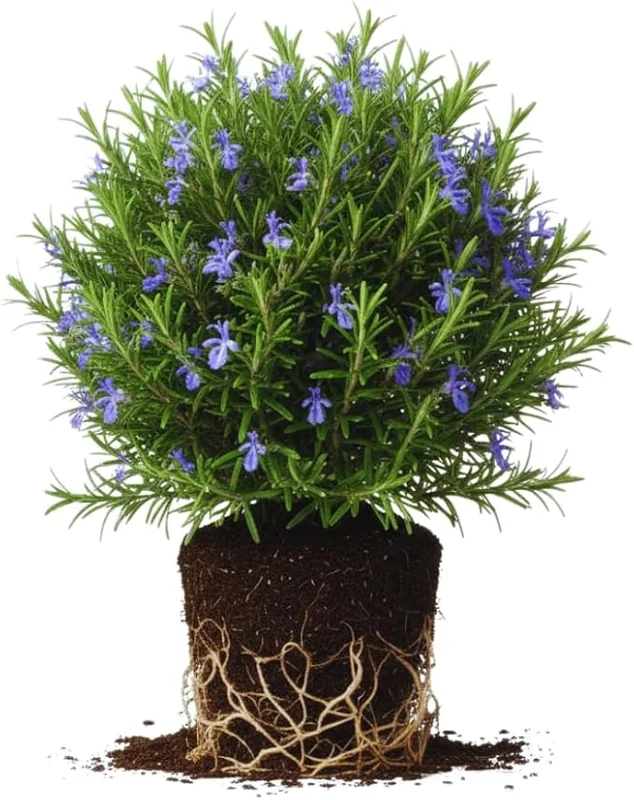
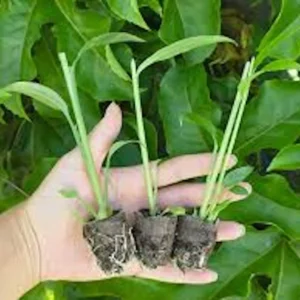
Cultivate fresh herbs with this convenient rosemary live plants 3-pack. Each starter plant measures 4 to 7 inches tall, ready to be transplanted into your garden or containers. Enjoy the aromatic foliage for cooking, essential oils, or as a beautiful ornamental.
Original price was: $37.98.$18.99Current price is: $18.99.

With our Alive & Thrive Guarantee, we’ve got your back for the first 30 days! If you have any concerns about your plants, just reach out to us. Our team is here to help answer your questions and guide you in selecting the best plants for your garden, climate, and unique preferences. We're excited to help you create the garden of your dreams!
Estimated arrival
Mar 28
Apr 02 - Apr 04
Apr 07 - Apr 11

Product Details
-
USDA Hardiness Zone
USDA zones 7-10 (can be grown as annual or overwintered indoors in colder zones) -
Soil type
Sandy, well-draining soil -
Sunlight Exposure
Full sun (6-8+ hours direct light daily) -
Expected Planting Period
Spring after last frost, or year-round indoors
Overview
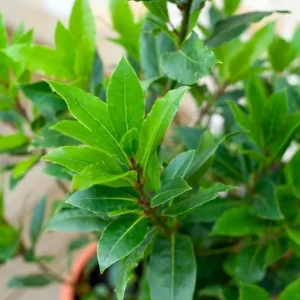
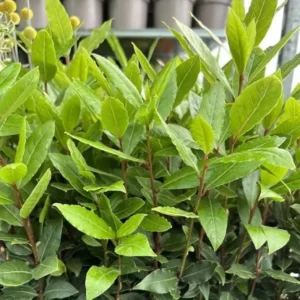
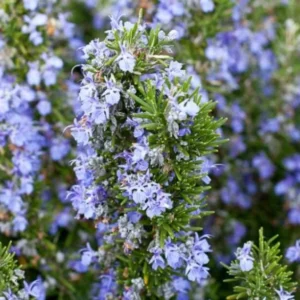
Discover the joy of growing your own herbs with this exceptional value 3-pack of rosemary live plants. Scientifically known as Salvia rosmarinus, rosemary is a highly aromatic evergreen shrub cherished for its distinctive fragrance and culinary versatility. These robust starter plants, each measuring between 4 to 7 inches tall, are eager to establish themselves in your garden or a pot on your patio. Ideal for both novice and experienced gardeners, these plants offer a continuous supply of fresh rosemary for your kitchen, adding depth and flavor to a wide array of dishes. Beyond its culinary appeal, rosemary also serves as an attractive ornamental plant, featuring needle-like leaves and delicate blue flowers that attract pollinators.
Our rosemary live plants are carefully cultivated to ensure healthy growth and easy transition to their new home. They arrive ready to plant, making the process simple and rewarding. Whether you’re looking to create an herb garden, add texture to your landscape, or simply enjoy the fresh scent of rosemary, these plants are an excellent choice. Their resilience and relatively low maintenance make them a favorite among herb enthusiasts.
Key Benefits
Bringing these beautiful and functional rosemary live plants into your home or garden offers numerous advantages:
- Culinary Excellence: Enjoy a constant supply of fresh, aromatic rosemary for cooking. Its pungent, piney flavor enhances roasted meats, vegetables, bread, and even desserts. Having fresh rosemary on hand elevates your culinary creations to a new level.
- Aromatic Appeal: The distinct, invigorating fragrance of rosemary is known for its uplifting and calming properties. It makes an excellent addition to sensory gardens or near seating areas where its scent can be fully appreciated.
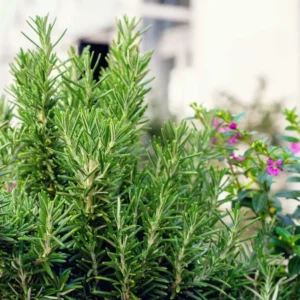
- Ornamental Value: With its attractive, evergreen foliage and occasional delicate blue blooms, rosemary is a beautiful addition to any landscape. It can be used as a low hedge, in rock gardens, or as a striking container plant.
- Pollinator Friendly: The small blue flowers of rosemary are a magnet for bees and other beneficial pollinators, contributing to the biodiversity and health of your garden ecosystem.
- Drought Tolerant: Once established, rosemary is remarkably drought-tolerant, making it an excellent choice for water-wise gardening. This resilience reduces the need for frequent watering, especially in warmer climates.
- Easy to Grow: These rosemary starter plants are known for their hardiness and ability to thrive with minimal intervention, making them suitable for gardeners of all skill levels.
- Versatile Use: Beyond cooking, rosemary has traditional uses in aromatherapy, herbal remedies, and even as a natural insect repellent. Its versatility makes it a valuable plant for any home.
Plant Care & Growing Tips
Caring for your rosemary live plants is straightforward, especially when you provide them with the right conditions. Rosemary thrives in full sun, meaning at least 6-8 hours of direct sunlight per day. If planting outdoors, choose a south-facing spot or an area that receives ample sunlight throughout the day. For indoor growing, place your plant near a bright window, ideally south or west-facing. Insufficient light can lead to leggy growth and reduced fragrance.
When it comes to watering, rosemary prefers well-draining soil and does not like to sit in soggy conditions. Allow the soil to dry out completely between waterings. Overwatering is a common cause of rosemary plant failure. Stick your finger about an inch into the soil; if it feels dry, it’s time to water. Sandy soil is ideal as it promotes excellent drainage. Rosemary is generally tolerant of a wide range of temperatures but prefers warmer climates and can be sensitive to hard frosts. In colder regions, it’s best to grow rosemary in containers that can be moved indoors during winter.
Fertilization is typically not heavily required for rosemary. If your soil is poor, a light application of a balanced, slow-release fertilizer in spring can be beneficial. Avoid over-fertilizing, as this can lead to lush green growth but less aromatic foliage. Pruning is essential for maintaining the shape of your rosemary live plants and encouraging bushy growth. Trim back about one-third of the plant after it finishes flowering or in early spring before new growth begins. This also provides you with fresh sprigs for use. When considering growing rosemary, remember that good air circulation around the plant helps prevent fungal diseases. Keep an eye out for common pests like aphids or spider mites, which can usually be managed with organic insecticidal soap if they become an issue.
Size & Details
This offering includes a bundle of three individual rosemary starter plants, each standing approximately 4 to 7 inches tall from the base of the plant to the tip of its foliage. These are young, vigorous plants, perfectly sized for transplanting into larger pots, garden beds, or as part of a culinary herb collection. They are shipped without pots to minimize shipping weight and environmental impact, with their root systems carefully protected to ensure a smooth transition. Upon arrival, they are ready to be planted immediately.
While rosemary’s growth rate can vary based on conditions, these starters are expected to establish quickly and begin producing abundant foliage within their first growing season. Mature rosemary plants can reach heights of 2 to 6 feet and widths of 2 to 4 feet, depending on the variety and growing conditions. These particular plants are chosen for their strong root development, which is crucial for successful establishment and robust future growth. With proper care, you’ll soon have a thriving source of fresh rosemary herb.
Frequently Asked Questions
- Q: How big will these rosemary plants get? A: These starter plants are 4-7 inches tall upon arrival. With proper care, mature rosemary plants can grow anywhere from 2 to 6 feet tall and 2 to 4 feet wide, depending on the specific variety and growing conditions in your area.
- Q: Is this an indoor or outdoor plant? A: Rosemary can be grown both indoors and outdoors. It thrives outdoors in full sun in USDA zones where it’s hardy. In colder climates, it’s often grown in containers and brought indoors for winter.
- Q: How much sunlight do these rosemary live plants need? A: Rosemary requires at least 6-8 hours of direct sunlight per day to flourish. If growing indoors, place it in your brightest window. Outdoor plants should be in a location that receives full sun.
- Q: Is this plant easy to care for? A: Yes, rosemary is generally considered an easy-to-care-for herb. Its main requirements are full sun and well-draining soil. Avoiding overwatering is key to its success. It’s a great choice for those interested in growing rosemary.
- Q: What condition will the plants arrive in? A: Your rosemary starter plants will arrive healthy and ready for planting, with their root systems protected. They are shipped without pots to ensure safe and efficient delivery.
- Q: Can I use this rosemary for cooking? A: Absolutely! These are culinary-grade rosemary plants, perfect for adding fresh flavor to your favorite dishes. You’ll love having a constant supply of fresh rosemary herb right from your garden.
- Q: When is the best time to plant these rosemary live plants? A: The best time to plant is in spring after the last frost, or in early fall in warmer climates. If growing indoors, they can be planted year-round.
- Q: What type of soil is best for rosemary? A: Rosemary prefers sandy, well-draining soil. It’s crucial to avoid heavy, clay soils that retain too much moisture, as this can lead to root rot. Good drainage is paramount for healthy rosemary live plants.
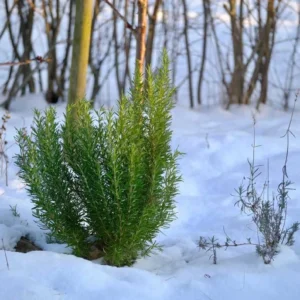
- Q: Will these plants survive winter in my zone? A: Rosemary’s winter hardiness varies by variety and USDA zone. Many common rosemary types are hardy in zones 8-10. If you are in a colder zone, it’s recommended to protect them or bring them indoors for winter.
- Q: Are these plants pest-resistant? A: Rosemary is generally quite pest-resistant due to its strong aroma. However, occasional issues with aphids or spider mites can occur, especially if the plant is stressed. Regular inspection and good air circulation help prevent most problems.
Related products
-10%
Original price was: $23.99.$21.59Current price is: $21.59.
-20%
Original price was: $35.00.$28.00Current price is: $28.00.
-67%

Original price was: $39.72.$13.24Current price is: $13.24.
-30%
Original price was: $59.98.$41.98Current price is: $41.98.
-50%

Original price was: $27.96.$13.98Current price is: $13.98.
-30%
Original price was: $59.98.$41.98Current price is: $41.98.
-58%
Original price was: $39.99.$16.99Current price is: $16.99.
-10%
Original price was: $75.00.$67.50Current price is: $67.50.
PLANTING & CARE

The Comprehensive Guide to Growing Bay Leaf Plants for a Flavorful Garden
Imagine stepping into your garden, greeted by the earthy aroma of fresh bay leaves, their
09
Feb
Feb

How to Make Comfrey Tea: The Ultimate Organic Plant Food
Growing an organic garden can be surprisingly expensive, especially when most store-bought fertilizers come in
02
Feb
Feb

True Comfrey: 7 Essential Tips Before You Plant This Herb
A staple in permaculture practices across the US, True Comfrey easily earns its reputation as
27
Jan
Jan

7 Heart-Shaped Plants for a Lasting Valentine’s Gift
If you’ve ever bought a bouquet of roses for Valentine’s Day, you know they are
26
Jan
Jan

Best Types of Ivy Plant for Houses: How to Choose the Perfect Ones for Your Home
Are you a garden lover looking to introduce some greenery into your home? Maybe you’ve
14
Nov
Nov

When to Harvest Garlic (Especially Fall-Planted Garlic)
TIMING IS EVERYTHING, they say – and for garlic, that truth hits with surprising accuracy.
13
Nov
Nov

11 of the Best Sweet Potato Varieties to Grow for Your Garden
If you’ve ever tried growing sweet potatoes, you know that picking the right variety can
12
Nov
Nov

Pruning Bougainvillea for Winter
Bougainvillea vines are known for their dazzling display of magenta, orange, and fuchsia bracts that
05
Nov
Nov