Bay Leaf Tree Live Plant 5-7 Inches – Laurus Nobilis for Indoor & Outdoor
-50%
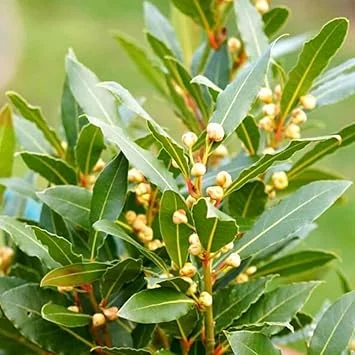
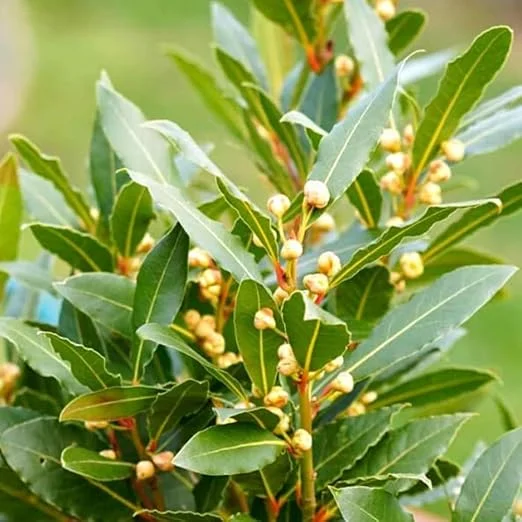
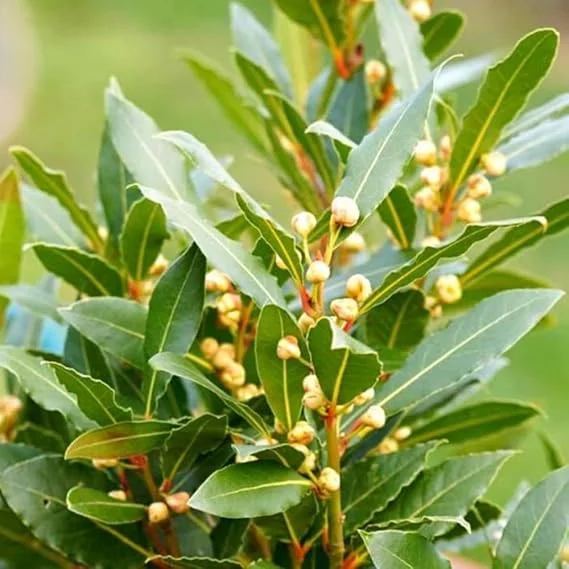
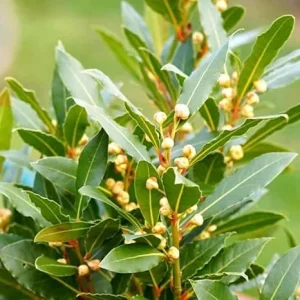
Bay Leaf Tree Live Plant 5-7 Inches – Laurus Nobilis for Indoor & Outdoor
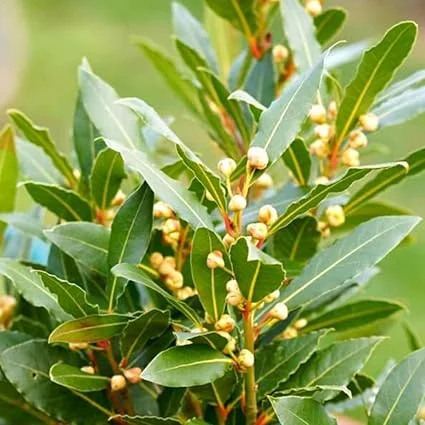
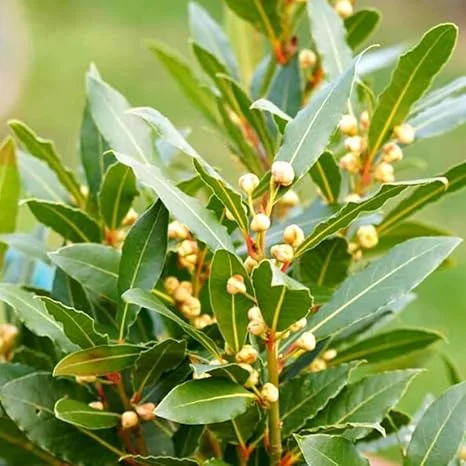
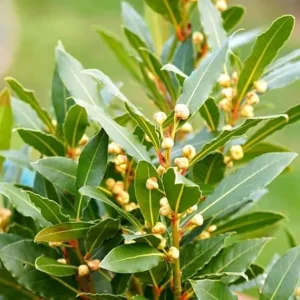
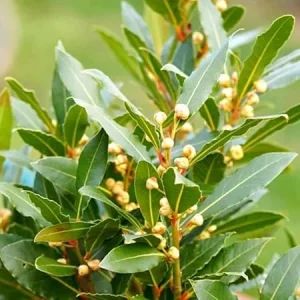
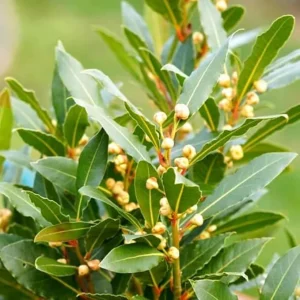
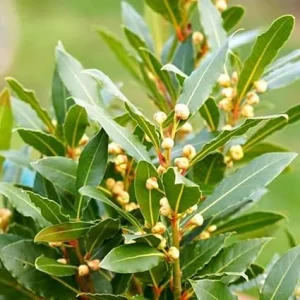
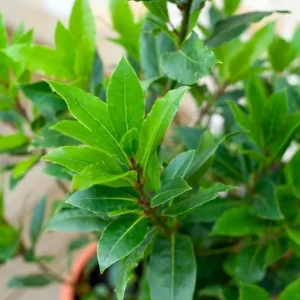
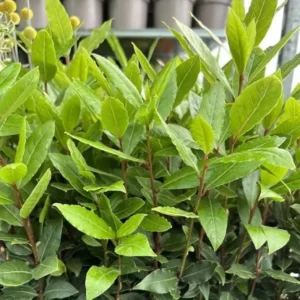
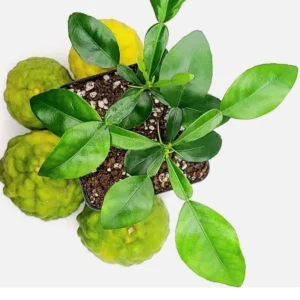
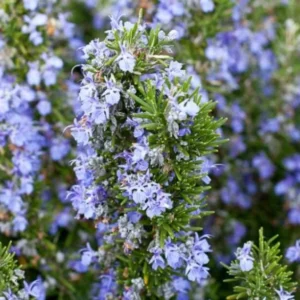
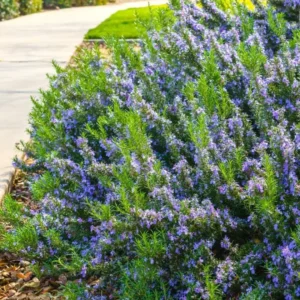
Bring the flavor of fresh bay leaves to your kitchen with this vibrant bay leaf tree live plant. Standing 5 to 7 inches tall, this Laurus nobilis plant is perfect for both indoor and outdoor gardening. Enjoy aromatic leaves for cooking and enhance your garden or patio with this evergreen beauty. Easy to care for and ready to grow.
Original price was: $39.98.$19.99Current price is: $19.99.

With our Alive & Thrive Guarantee, we’ve got your back for the first 30 days! If you have any concerns about your plants, just reach out to us. Our team is here to help answer your questions and guide you in selecting the best plants for your garden, climate, and unique preferences. We're excited to help you create the garden of your dreams!
Estimated arrival
Mar 28
Apr 02 - Apr 04
Apr 07 - Apr 11
Product Details
-
USDA Hardiness Zone
USDA zones 8-11 (can be grown indoors in colder zones) -
Soil type
Well-draining loamy soil -
Sunlight Exposure
Full sun -
Expected Planting Period
Year-round indoors, spring to early summer outdoors
Overview
Discover the joy of growing your own culinary herbs with our exquisite bay leaf tree live plant. This vibrant plant, scientifically known as Laurus nobilis plant, is a true gardener’s delight, offering both aesthetic appeal and practical utility. Measuring between 5 to 7 inches in height, this young specimen is ready to thrive in your home or garden. The bay laurel, as it’s commonly known, is celebrated for its aromatic leaves, which are a staple in various cuisines worldwide. Imagine plucking fresh, fragrant bay leaves directly from your own plant to enhance soups, stews, sauces, and roasts. This evergreen shrub or small tree is not only a culinary asset but also a beautiful addition to any space, offering lush green foliage year-round. Whether you’re an experienced horticulturist or a budding green thumb, cultivating a bay leaf tree live plant provides a rewarding and flavorful experience.
Our bay laurel plant is carefully nurtured to ensure it arrives healthy and ready for its new home. It’s a versatile plant that can adapt to various growing conditions, making it suitable for both indoor cultivation as a potted plant or outdoor planting in appropriate climates. Known for its resilience and relatively low maintenance, the bay leaf tree is an excellent choice for those looking to add a touch of Mediterranean charm and fresh flavor to their lifestyle. Embrace the convenience and satisfaction of having a continuous supply of this essential herb right at your fingertips.
Key Benefits
Cultivating a bay leaf tree live plant offers a multitude of benefits, enriching your home and kitchen with its unique qualities. From its aromatic leaves to its ornamental charm, this plant is a valuable addition to any plant collection. Enjoy the convenience and freshness it brings to your culinary endeavors.
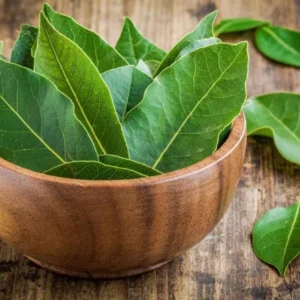
- Fresh Culinary Herbs: The primary benefit is access to fresh, aromatic bay leaves for cooking. Unlike dried leaves, fresh bay leaves impart a more vibrant and nuanced flavor to dishes, elevating your culinary creations.
- Beautiful Evergreen Foliage: The Laurus nobilis plant boasts glossy, dark green leaves that remain vibrant throughout the year, providing continuous beauty and a touch of elegance to your indoor or outdoor space.
- Versatile Growth: This plant can be grown in containers indoors, making it an excellent choice for kitchens or sunny windowsills, or planted directly in the garden in warmer climates, offering flexibility for various gardening styles.
- Low Maintenance: Once established, the bay leaf tree live plant is relatively easy to care for, requiring moderate watering and occasional pruning. It’s a resilient plant suitable for gardeners of all experience levels.
- Aromatic Air Freshener: The leaves release a subtle, pleasant aroma, especially when brushed or crushed, naturally freshening the air in your home or garden space.
- Potential for Topiary: The bay laurel responds well to pruning, allowing you to shape it into various topiary forms, adding a sophisticated and structured element to your garden design.
- Symbolic Significance: Historically, bay laurel has been a symbol of honor, victory, and achievement, adding a layer of cultural richness to your plant ownership.
Plant Care & Growing Tips
Proper care is essential for a thriving bay leaf tree live plant. While generally robust, understanding its specific needs will ensure vigorous growth and an abundant supply of aromatic leaves. This Mediterranean native prefers conditions that mimic its natural habitat, but it’s adaptable enough for many environments.
For sunlight, the bay leaf tree thrives in full sun exposure, meaning at least 6 hours of direct sunlight per day. If growing indoors, place it in your brightest window, preferably south-facing. Outdoors, choose a sunny spot that also offers some protection from harsh afternoon sun in very hot climates. Regular watering is crucial, especially for young plants and those in containers. The soil should be kept consistently moist but never waterlogged. Allow the top inch or two of soil to dry out slightly before watering again. Good drainage is paramount; use a well-draining potting mix for container plants and ensure garden soil is not heavy clay. The ideal soil type is a rich, well-draining loam with a slightly acidic to neutral pH (6.0-7.0).
The bay laurel live plant is hardy in USDA zones 8-11, where it can be grown outdoors year-round. In colder zones, it must be brought indoors before the first frost. Fertilize sparingly during the growing season (spring and summer) with a balanced, slow-release fertilizer or a liquid feed diluted to half strength. Avoid over-fertilizing, which can burn the roots. Pruning can be done to maintain shape, size, and encourage bushier growth, and it’s also how you harvest your fresh leaves. Watch out for common pests like scale insects or mealybugs, and treat them promptly with insecticidal soap if spotted. Providing good air circulation and avoiding overwatering will help prevent fungal issues. Following these guidelines will help your bay leaf plant care routine lead to a healthy and productive plant.
Size & Details
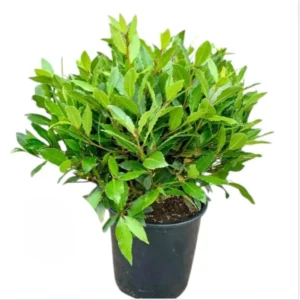
This offering includes one healthy bay leaf tree live plant, which stands approximately 5 to 7 inches tall from the base of the soil to the tip of its tallest leaf. It arrives in a nursery pot, ready for immediate transplanting into a larger container or directly into your garden, depending on your climate and preference. Bay laurel is a slow to moderate grower, typically reaching heights of 6-8 feet in cultivation, though it can grow larger in ideal outdoor conditions. With consistent pruning, it can be maintained at a smaller, more manageable size, making it suitable for container living for many years. The plant ships as a young, actively growing specimen, ensuring it establishes well in its new environment. Expect a robust root system and vibrant green foliage upon arrival, ready to embark on its journey in your home or garden.
Frequently Asked Questions
- Q: How big does this bay leaf tree get? A: This bay leaf tree live plant arrives 5 to 7 inches tall. In ideal outdoor conditions, it can grow into a small tree up to 20 feet, but when grown in a pot or pruned regularly, it can be maintained as a compact shrub, typically 3-8 feet tall.
- Q: Is this an indoor or outdoor plant? A: This versatile Laurus nobilis plant can be grown both indoors and outdoors. In USDA zones 8-11, it thrives outdoors year-round. In colder climates, it’s best grown in a container and brought indoors during winter months.
- Q: How much sunlight does it need? A: Your bay laurel live plant prefers full sun, meaning at least 6 hours of direct sunlight daily. If growing indoors, place it in a bright, sunny window. Outdoors, choose a location with ample sunlight.
- Q: Is this plant easy to care for? A: Yes, bay leaf plant care is considered relatively easy. It requires consistent moisture, good drainage, and plenty of sunlight. It’s a hardy plant that can tolerate some neglect once established.
- Q: What condition will it arrive in? A: Your bay leaf plant will arrive as a healthy, actively growing specimen in a nursery pot, with its root ball intact. It will be carefully packaged to ensure a safe journey to your home.
- Q: Can I use the leaves for cooking right away? A: Yes, you can start harvesting a few leaves for culinary use once the plant has settled into its new environment and shows signs of new growth. This encourages the plant to produce more foliage.
- Q: What is the best time to plant or repot? A: The best time to plant or repot your bay leaf tree is in spring or early summer when the plant is actively growing. This allows it ample time to establish before cooler temperatures arrive.
- Q: Is the bay leaf tree pet-safe? A: While culinary bay leaves are generally safe for human consumption in small quantities, some sources list Laurus nobilis as mildly toxic to pets if ingested in large amounts. It’s always best to keep plants out of reach of curious pets.
- Q: What kind of soil is best for a bay leaf tree? A: A well-draining potting mix or garden soil is ideal for your bay leaf tree. It prefers a slightly acidic to neutral pH and does not tolerate waterlogged conditions.
- Q: How often should I fertilize my bay leaf plant? A: Fertilize your bay leaf tree live plant sparingly during the growing season (spring and summer) with a balanced liquid fertilizer diluted to half strength, or a slow-release granular fertilizer. Reduce feeding in fall and winter.
Related products
-20%
From Original price was: $22.00.$17.60Current price is: $17.60.
-10%
Original price was: $65.00.$58.50Current price is: $58.50.
-30%
Original price was: $59.98.$41.98Current price is: $41.98.
-67%
Original price was: $39.72.$13.24Current price is: $13.24.
-10%

Original price was: $11.99.$10.79Current price is: $10.79.
-50%
Original price was: $47.96.$23.98Current price is: $23.98.
-30%
Original price was: $67.98.$47.58Current price is: $47.58.
-20%
Original price was: $35.00.$28.00Current price is: $28.00.
PLANTING & CARE

The Comprehensive Guide to Growing Bay Leaf Plants for a Flavorful Garden
Imagine stepping into your garden, greeted by the earthy aroma of fresh bay leaves, their
09
Feb
Feb

How to Make Comfrey Tea: The Ultimate Organic Plant Food
Growing an organic garden can be surprisingly expensive, especially when most store-bought fertilizers come in
02
Feb
Feb

True Comfrey: 7 Essential Tips Before You Plant This Herb
A staple in permaculture practices across the US, True Comfrey easily earns its reputation as
27
Jan
Jan

7 Heart-Shaped Plants for a Lasting Valentine’s Gift
If you’ve ever bought a bouquet of roses for Valentine’s Day, you know they are
26
Jan
Jan

Best Types of Ivy Plant for Houses: How to Choose the Perfect Ones for Your Home
Are you a garden lover looking to introduce some greenery into your home? Maybe you’ve
14
Nov
Nov

When to Harvest Garlic (Especially Fall-Planted Garlic)
TIMING IS EVERYTHING, they say – and for garlic, that truth hits with surprising accuracy.
13
Nov
Nov

11 of the Best Sweet Potato Varieties to Grow for Your Garden
If you’ve ever tried growing sweet potatoes, you know that picking the right variety can
12
Nov
Nov
Pruning Bougainvillea for Winter
Bougainvillea vines are known for their dazzling display of magenta, orange, and fuchsia bracts that
05
Nov
Nov