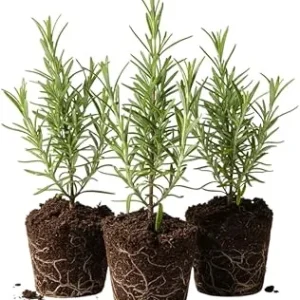
Set of 3 Rosemary Live Starter Plants, 3-6 Inch Tall, Bare Root, Outdoor Herb
-50%
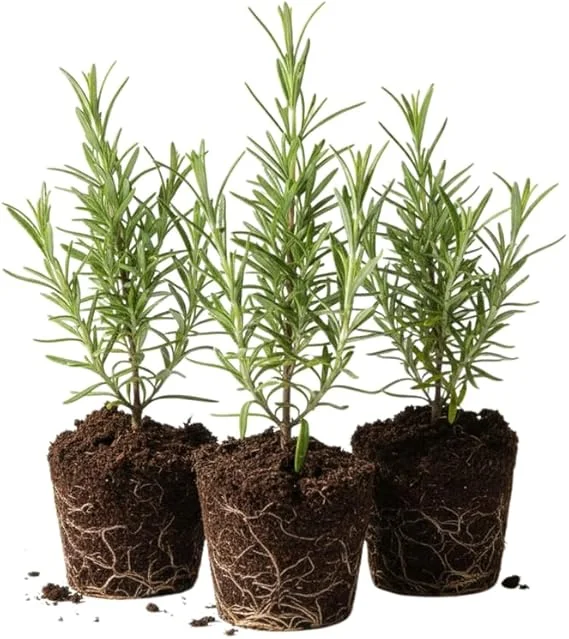
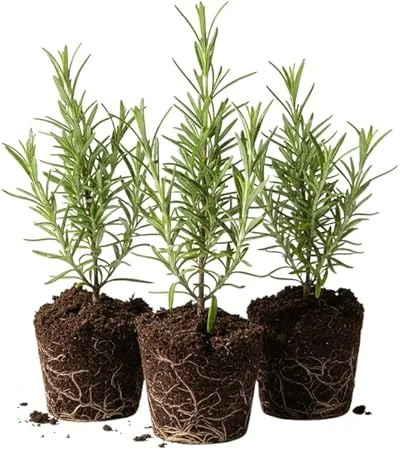
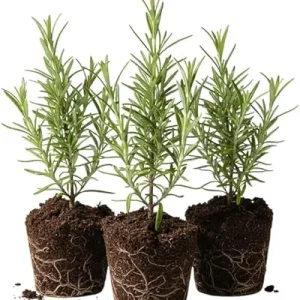
Set of 3 Rosemary Live Starter Plants, 3-6 Inch Tall, Bare Root, Outdoor Herb
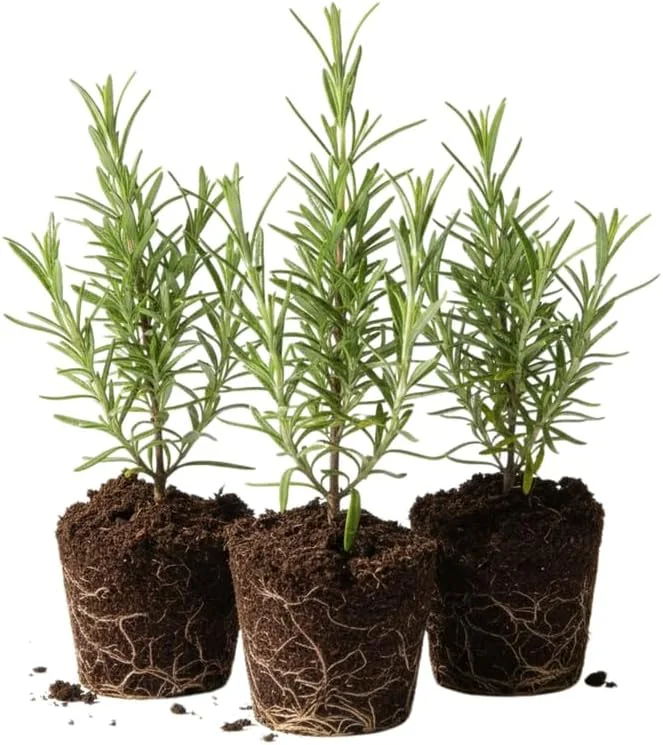
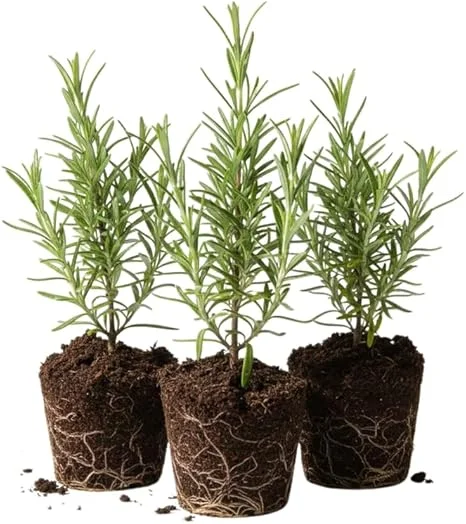
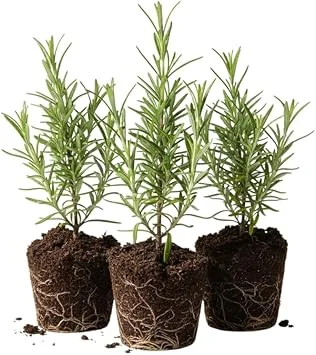
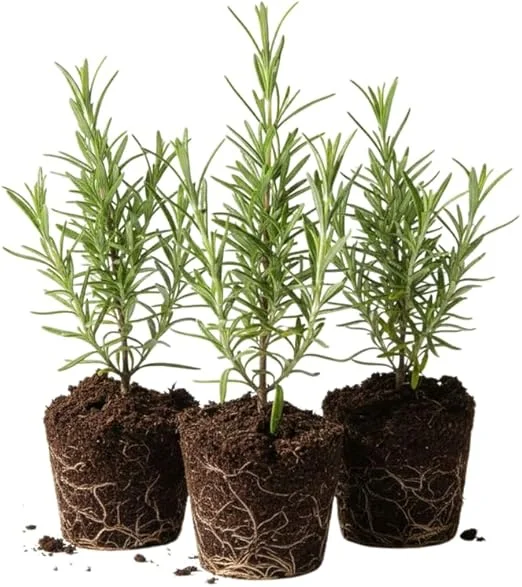
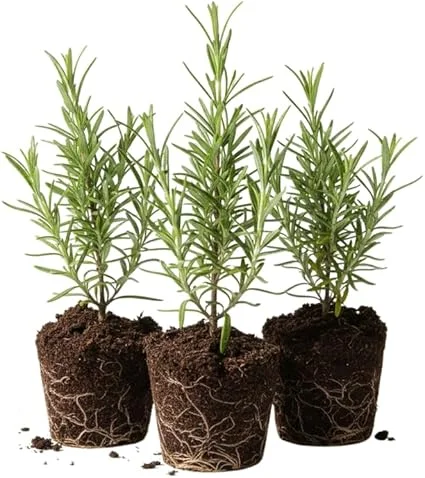
Cultivate your own aromatic garden with this rosemary live starter plant set. You’ll receive 3 fragrant, 3-6 inch bare root plants, perfect for culinary use and ornamental beauty. These easy-to-grow perennials thrive in full sun and well-draining soil, making them ideal for both novice and experienced gardeners.
Original price was: $45.98.$22.99Current price is: $22.99.

With our Alive & Thrive Guarantee, we’ve got your back for the first 30 days! If you have any concerns about your plants, just reach out to us. Our team is here to help answer your questions and guide you in selecting the best plants for your garden, climate, and unique preferences. We're excited to help you create the garden of your dreams!
Estimated arrival
Mar 28
Apr 02 - Apr 04
Apr 07 - Apr 11
Product Details
-
USDA Hardiness Zone
USDA Zones 7-10 -
Soil type
Well-draining soil -
Sunlight Exposure
Full sun -
Expected Planting Period
Spring to early summer
Overview
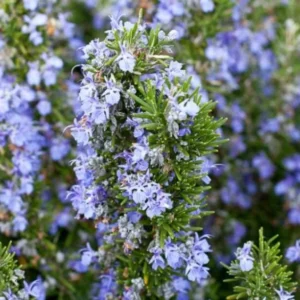
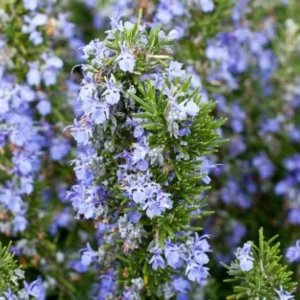
Transform your garden or kitchen with a set of 3 rosemary live starter plant specimens. These fragrant herbs, known scientifically as Salvia rosmarinus (formerly Rosmarinus officinalis), are beloved for their culinary versatility, evergreen foliage, and beautiful small blue-purple flowers. Each order includes three young plants, measuring approximately 3 to 6 inches in height, provided as bare roots. This method ensures they establish quickly in their new environment when planted correctly. Rosemary is a classic herb that adds a distinctive flavor to various dishes and emits a pleasant aroma, enhancing any outdoor space or sunny indoor spot. Its needle-like leaves are a staple in Mediterranean cuisine and are often used in aromatherapy. Cultivating your own rosemary offers the freshest ingredients right at your fingertips and provides an attractive, low-maintenance addition to your plant collection.
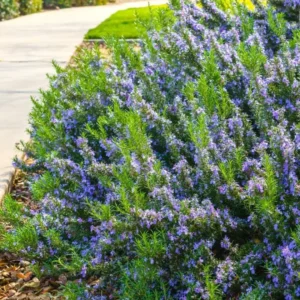
Whether you’re looking to start an herb garden, fill a container, or add a touch of evergreen beauty to your landscape, these rosemary live starter plant bare roots are an excellent choice. They are ready to be planted directly into your garden beds, raised beds, or pots upon arrival. With proper care, these compact perennials will grow into thriving, aromatic plants that can be harvested for their flavorful leaves year-round in many climates.
Key Benefits
Adding a rosemary live starter plant to your home or garden offers numerous advantages, from culinary delight to aesthetic appeal and ease of care. These plants are a fantastic choice for anyone looking to enjoy fresh herbs and a beautiful evergreen.
- Culinary Excellence: Enjoy fresh, aromatic rosemary leaves for cooking. Perfect for seasoning meats, vegetables, breads, and infusing oils and vinegars, providing a distinct, savory flavor that elevates many dishes.
- Fragrant Foliage: The needle-like leaves release a delightful, pine-like aroma when brushed, making it a wonderful sensory plant for patios, walkways, or kitchen windowsills. The fragrance is also known for its calming properties.
- Evergreen Beauty: As a compact perennial, rosemary maintains its vibrant green foliage throughout the year, offering continuous visual interest even in colder months where temperatures allow. This makes it an excellent choice for consistent garden structure.
- Attracts Pollinators: The small blue-purple flowers that emerge on the rosemary live starter plant are highly attractive to bees and other beneficial pollinators, contributing to a healthy garden ecosystem.
- Low Maintenance: Once established, rosemary is remarkably drought-tolerant and requires minimal care, making it suitable for busy gardeners or those new to growing herbs. It’s an easy plant to keep thriving.
- Versatile Planting: Ideal for various settings including garden beds, raised beds, containers, pots, and even kitchen windowsills. Its compact growth habit allows it to fit into many different garden designs and spaces.
- Pest Deterrent: The strong aroma of rosemary can help deter certain garden pests, providing a natural and beneficial companion for other plants in your garden.
Plant Care & Growing Tips
Caring for your rosemary live starter plant is straightforward, especially once it’s established. These hardy herbs thrive on neglect rather than over-pampering. The most critical factor for success is ensuring adequate sunlight and well-draining soil. Upon arrival, gently unpack your bare root plants and prepare them for planting. It’s often beneficial to soak the roots in water for about 30 minutes before planting to rehydrate them.
Rosemary absolutely loves sunlight, requiring at least 6-8 hours of full sun per day to flourish. Position your plants in the brightest spot available in your garden or on a sunny windowsill if growing indoors. For soil, a well-draining soil mix is paramount. Rosemary detests soggy feet, so ensure your soil or potting mix allows water to drain freely. Amending heavy clay soils with sand or perlite can improve drainage significantly. These plants are quite drought-tolerant once mature, so water deeply but infrequently, allowing the soil to dry out completely between waterings. Overwatering is the most common cause of rosemary plant failure. In terms of temperature, rosemary is generally hardy in USDA Zones 7-10, though some varieties can tolerate colder temperatures. In colder climates, it’s best to grow rosemary live starter plant in containers that can be moved indoors during winter. Fertilization is rarely needed; a light application of a balanced, slow-release fertilizer in spring is usually sufficient if your soil is poor. Prune your rosemary after flowering to maintain its shape and encourage bushier growth. Watch out for powdery mildew in humid conditions or root rot from overwatering. With these simple tips, you’ll be able to grow rosemary from bare root successfully.
Size & Details
This offering includes a set of 3 rosemary live starter plant bare roots. Each individual plant measures between 3 to 6 inches in height upon arrival, providing a robust start for your garden. These plants are shipped without pots, allowing for flexible planting directly into your desired location. Rosemary is a relatively fast-growing herb, and with optimal conditions, these starter plants will quickly establish themselves. They are compact perennials, typically growing to a mature height of 2 to 4 feet and a similar spread, depending on the variety and growing conditions. The bare root format allows for easy transplantation and encourages strong root development once planted. Expect these plants to begin producing fragrant foliage and small blue-purple flowers within their first growing season. You will be able to enjoy fresh rosemary herb garden harvests for many years to come.
Frequently Asked Questions
- Q: How big does this plant get? A: A rosemary live starter plant typically grows into a compact perennial, reaching a mature height and spread of 2 to 4 feet. Its ultimate size depends on the specific variety, growing conditions, and whether it’s pruned regularly.
- Q: What size pot does it come in? A: This product includes three rosemary live starter plant bare roots and does not come with pots. They are ready to be planted directly into your garden or preferred containers upon arrival.
- Q: Is this an indoor or outdoor plant? A: Rosemary can be grown both indoors and outdoors. It thrives outdoors in full sun in USDA Zones 7-10. For colder climates, it can be grown outdoors during warmer months and brought indoors before the first frost, making it a versatile compact rosemary perennial.
- Q: How much sunlight does it need? A: Rosemary requires at least 6-8 hours of direct sunlight per day to grow vigorously. It should be placed in a south-facing window indoors or the sunniest spot in your garden outdoors.
- Q: Is this plant easy to care for? A: Yes, rosemary is considered an easy-to-care-for herb, especially once established. It is drought-tolerant and prefers well-draining soil and plenty of sun, making rosemary plant care relatively low maintenance.
- Q: What condition will it arrive in? A: Your order will arrive as a set of three rosemary live starter plant bare roots, carefully packaged to ensure their health during transit. The roots will be moist and ready for immediate planting.
- Q: Can I use this rosemary in cooking? A: Absolutely! This rosemary is perfect for culinary use. Its fragrant leaves can be harvested for seasoning a wide variety of dishes, from roasted meats and vegetables to breads and infused oils.
- Q: When is the best time to plant? A: The best time to plant bare root rosemary is in spring after the last frost, or in early fall in warmer climates. This allows the plant time to establish its root system before extreme temperatures.
- Q: Will it survive winter in my zone? A: Rosemary is generally hardy in USDA Zones 7-10. If you live in a colder zone, it’s recommended to plant your rosemary live starter plant in a container so it can be moved indoors during the winter months to protect it from frost.
- Q: What type of soil does it prefer? A: Rosemary prefers well-draining, slightly sandy loam soil with a pH between 6.0 and 7.0. Good drainage is crucial to prevent root rot.
Related products
-67%
Original price was: $39.72.$13.24Current price is: $13.24.
-20%
From Original price was: $22.00.$17.60Current price is: $17.60.
-10%

Original price was: $11.99.$10.79Current price is: $10.79.
-20%
Original price was: $35.00.$28.00Current price is: $28.00.
-50%
Original price was: $15.96.$7.98Current price is: $7.98.
-30%
Original price was: $59.98.$41.98Current price is: $41.98.
-67%
Original price was: $75.72.$25.24Current price is: $25.24.
-48%
Original price was: $39.99.$20.99Current price is: $20.99.
PLANTING & CARE

The Comprehensive Guide to Growing Bay Leaf Plants for a Flavorful Garden
Imagine stepping into your garden, greeted by the earthy aroma of fresh bay leaves, their
09
Feb
Feb

How to Make Comfrey Tea: The Ultimate Organic Plant Food
Growing an organic garden can be surprisingly expensive, especially when most store-bought fertilizers come in
02
Feb
Feb

True Comfrey: 7 Essential Tips Before You Plant This Herb
A staple in permaculture practices across the US, True Comfrey easily earns its reputation as
27
Jan
Jan

7 Heart-Shaped Plants for a Lasting Valentine’s Gift
If you’ve ever bought a bouquet of roses for Valentine’s Day, you know they are
26
Jan
Jan

Best Types of Ivy Plant for Houses: How to Choose the Perfect Ones for Your Home
Are you a garden lover looking to introduce some greenery into your home? Maybe you’ve
14
Nov
Nov

When to Harvest Garlic (Especially Fall-Planted Garlic)
TIMING IS EVERYTHING, they say – and for garlic, that truth hits with surprising accuracy.
13
Nov
Nov

11 of the Best Sweet Potato Varieties to Grow for Your Garden
If you’ve ever tried growing sweet potatoes, you know that picking the right variety can
12
Nov
Nov
Pruning Bougainvillea for Winter
Bougainvillea vines are known for their dazzling display of magenta, orange, and fuchsia bracts that
05
Nov
Nov