Peppermint Live Plant – 2 Bare Root Herb Starter Plants – 4-6 Inch – Indoor/Outdoor
-50%
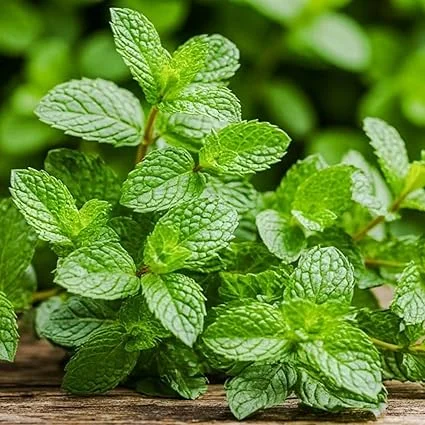
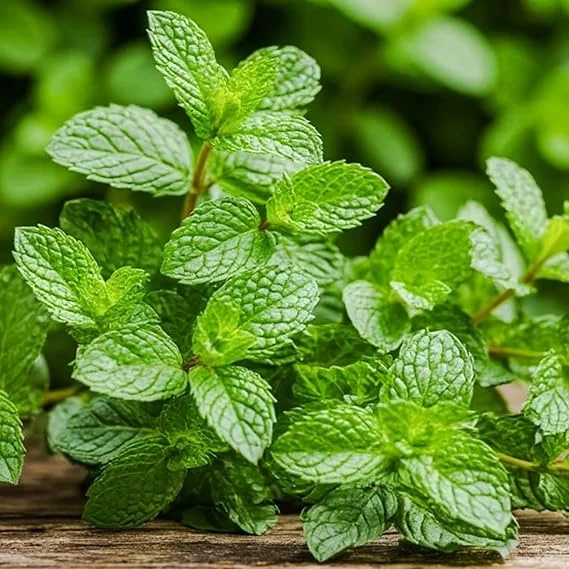
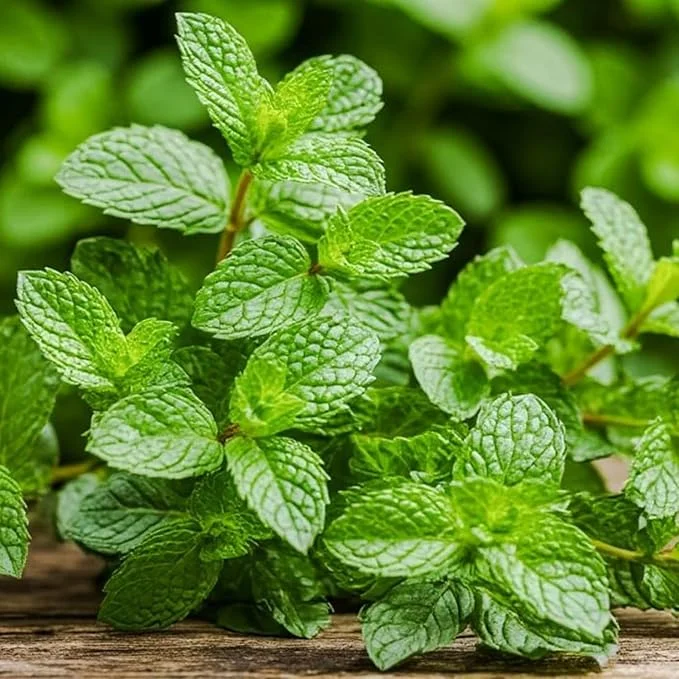
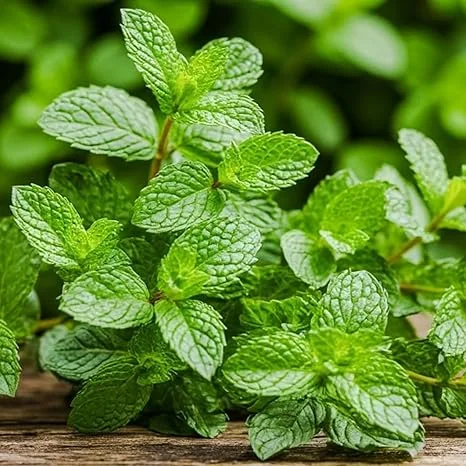
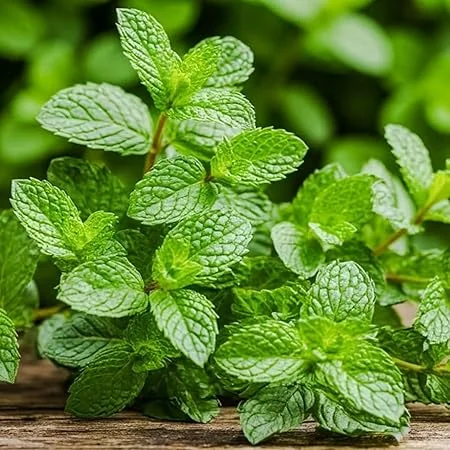
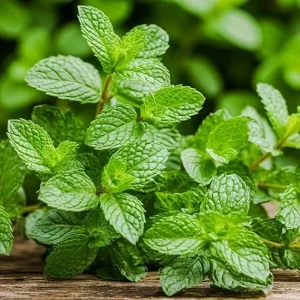
Peppermint Live Plant – 2 Bare Root Herb Starter Plants – 4-6 Inch – Indoor/Outdoor
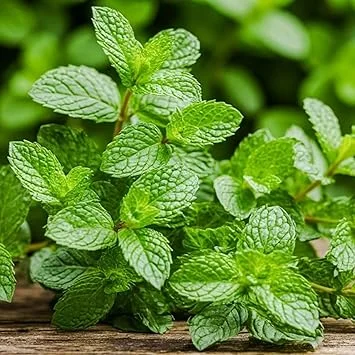
Cultivate your own fresh herbs with this set of two peppermint live plant bare root starters. Each plant measures 4-6 inches, ready for immediate planting in your garden or containers. Enjoy the refreshing aroma and culinary versatility of freshly grown peppermint, perfect for teas, cooking, and more. Ideal for both indoor and outdoor growing.
Original price was: $39.98.$19.99Current price is: $19.99.

With our Alive & Thrive Guarantee, we’ve got your back for the first 30 days! If you have any concerns about your plants, just reach out to us. Our team is here to help answer your questions and guide you in selecting the best plants for your garden, climate, and unique preferences. We're excited to help you create the garden of your dreams!
Estimated arrival
Mar 27
Apr 01 - Apr 03
Apr 06 - Apr 10
Product Details
-
USDA Hardiness Zone
USDA Zones 4-9 -
Soil type
Well-drained soil -
Sunlight Exposure
Full Sun -
Expected Planting Period
Year Round
Overview
Bring the refreshing aroma and flavor of fresh herbs into your home or garden with this offering of two peppermint live plant bare root starters. Peppermint (Mentha x piperita) is a classic, fast-growing perennial herb renowned for its distinctive fragrance and versatile uses. These 4-6 inch starter plants are shipped bare root, making them perfectly primed for planting directly into pots, raised garden beds, or your outdoor landscape. Whether you’re an experienced gardener or just starting your herb journey, growing your own peppermint is a rewarding experience, providing a continuous supply of fragrant leaves for culinary creations, refreshing beverages, and aromatic purposes. This resilient herb thrives in various conditions, adapting well to both indoor and outdoor environments, making it an excellent choice for a wide range of climates and growing setups.
The peppermint live plant is a hybrid mint, a cross between watermint and spearmint, known for its high menthol content which gives it its characteristic cooling sensation and strong, clean scent. Its vigorous growth habit means you can enjoy fresh leaves within weeks of planting, providing ongoing harvests throughout the growing season. These bare root plants are a sustainable and economical way to establish a thriving peppermint patch, ensuring you always have this beloved herb at your fingertips. Embrace the joy of gardening and the benefits of fresh herbs with these easy-to-grow peppermint starters.
Key Benefits
Growing a peppermint live plant offers a multitude of advantages, enhancing both your garden and your lifestyle. Its ease of cultivation and generous output make it a favorite among herb enthusiasts.
- Fresh Culinary Ingredient: Harvest fresh peppermint leaves to elevate your cooking, drinks, and desserts. Perfect for teas, cocktails, salads, and garnishes, providing a vibrant, cooling flavor that store-bought herbs can’t match.
- Aromatic & Refreshing: The strong, clean scent of peppermint is a natural air freshener. Its fragrant leaves can be used in potpourri, essential oils, or simply brushed against to release a revitalizing aroma, contributing to a pleasant home environment.
- Rapid Growth & Continuous Harvest: This fast-growing herb produces an abundance of leaves, allowing for continuous harvesting throughout the growing season. The more you pick, the more it grows, ensuring a steady supply of fresh peppermint.
- Hardy & Low Maintenance: A robust perennial, peppermint is relatively easy to care for once established. It thrives in USDA Zones 4-9 and requires minimal attention, making it suitable for beginners and busy gardeners alike.
- Versatile Growing Options: Ideal for indoor windowsills, outdoor herb gardens, raised beds, or containers. Its adaptability means you can enjoy fresh peppermint regardless of your living situation, whether you have a large garden or a small balcony.
- Natural Repellent: Peppermint’s strong scent can naturally deter certain pests, making it a beneficial companion plant in your garden and a pleasant addition to your home.
- Medicinal & Wellness Uses: Historically used for its soothing properties, peppermint tea can aid digestion and alleviate discomfort. Its invigorating scent is also popular in aromatherapy.
Plant Care & Growing Tips
Caring for your peppermint live plant is straightforward, ensuring a bountiful harvest of fragrant leaves. Peppermint is a resilient herb, but providing optimal conditions will encourage the healthiest and most vigorous growth. When you receive your bare root peppermint plants, it’s best to plant them as soon as possible. Prepare your planting site with well-drained soil, whether in a pot or directly in the ground. For container growing, use a good quality potting mix with perlite or sand to improve drainage. Peppermint can spread aggressively, so consider planting it in containers or with root barriers if planting directly in the garden to prevent it from overtaking other plants.
Sunlight Requirements: Peppermint prefers full sun to partial shade. Aim for at least 4-6 hours of direct sunlight per day. While it can tolerate more shade, growth may be less vigorous, and the flavor less intense. If growing indoors, place it near a bright, south-facing window or under grow lights to ensure it receives adequate light. Watering: Keep the soil consistently moist but not waterlogged. Peppermint enjoys regular watering, especially during dry spells or if grown in containers, which tend to dry out faster. Check the soil moisture daily by feeling the top inch; if it feels dry, it’s time to water. Soil Type: Well-drained soil is crucial for peppermint. It thrives in rich, moist, loamy soil with a pH between 6.0 and 7.0. Amend heavy clay soils with compost and sand to improve drainage and fertility. Temperature & Hardiness: This hardy perennial is suitable for USDA Zones 4-9. It can tolerate light frosts but may die back to the ground in colder climates, regrowing in spring. Indoor plants should be kept away from cold drafts and extreme temperature fluctuations. Fertilization: Peppermint is not a heavy feeder. A balanced liquid fertilizer can be applied every 4-6 weeks during the growing season (spring and summer) at half strength. Avoid over-fertilizing, as this can reduce the intensity of its essential oils. To encourage bushier growth and prevent flowering, pinch back the growing tips regularly. This also helps to concentrate the plant’s energy into leaf production. Regularly harvesting also acts as a form of pruning, promoting more leaves and a denser plant. Watch out for common pests like spider mites or aphids; a strong spray of water or insecticidal soap can usually manage these issues. Learning how to grow peppermint indoors can ensure a year-round supply of this wonderful herb.
Size & Details
This offering includes two peppermint herb plant bare root starters, each measuring approximately 4-6 inches in length. These plants are carefully harvested and shipped without soil, ensuring they arrive ready for immediate planting. Bare root plants typically establish quickly once planted, as they focus their energy on developing a strong root system in their new environment. Upon arrival, gently unpack your plants and prepare them for planting. The mature size of a peppermint plant can vary depending on growing conditions and whether it’s contained. In optimal conditions, a single plant can spread several feet wide if not managed, and grow 1-2 feet tall. Expect to begin harvesting your fragrant leaves within a few weeks after planting, with continuous production throughout the growing season.
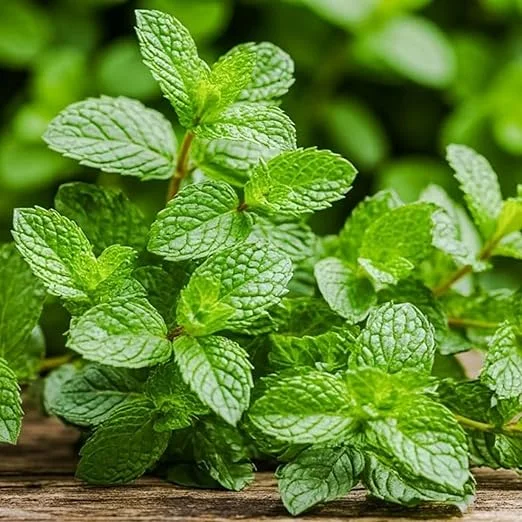
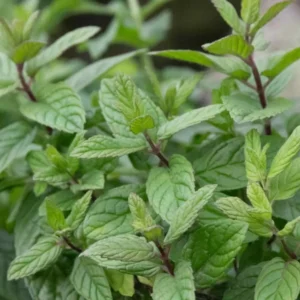
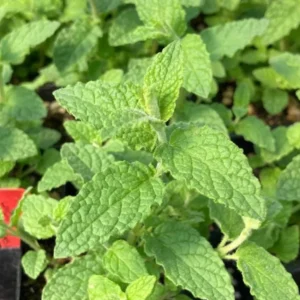
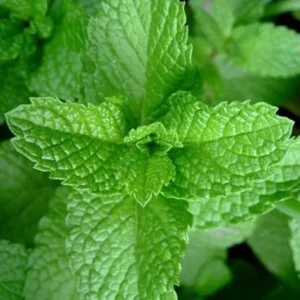
Peppermint is known for its vigorous growth rate, quickly filling out pots or garden beds. When planted in containers, the size will be restricted, making it easier to manage. For best results, consider a pot at least 8-10 inches in diameter for each plant. The plant will produce lush, green leaves with serrated edges, characteristic of the peppermint variety. Its robust nature makes it an excellent choice for both novice and experienced gardeners seeking a reliable and rewarding herb to cultivate. These peppermint herb plant starters provide a strong foundation for a thriving herb garden.
Frequently Asked Questions
- Q: How big does this peppermint live plant get? A: Each bare root starter is 4-6 inches upon arrival. Once planted, peppermint can grow 1-2 feet tall and spread several feet wide if uncontained. In a pot, its size will be limited by the container.
- Q: Is this an indoor or outdoor plant? A: This peppermint herb plant is versatile and can be grown both indoors and outdoors. It thrives in outdoor gardens in USDA Zones 4-9 and can be successfully grown on an indoor windowsill with adequate light.
- Q: How much sunlight does it need? A: Peppermint prefers full sun to partial shade, ideally receiving 4-6 hours of direct sunlight daily. For optimal growth, provide plenty of bright light, especially if growing indoors.
- Q: Is this plant easy to care for? A: Yes, peppermint is considered a low-maintenance and easy-to-grow herb, making it ideal for beginners. It’s hardy and forgiving, as long as its basic needs for water and light are met.
- Q: What condition will it arrive in? A: Your order will include two bare root peppermint starter plants, meaning they will arrive without soil in a dormant state, ready for planting. This method ensures healthy root development upon transplanting.
- Q: Can I use this peppermint in cooking? A: Absolutely! These peppermint plants are perfect for culinary use. Their fragrant leaves can be used to make teas, flavor desserts, add to salads, or garnish drinks.
- Q: When is the best time to plant these bare root peppermint plants? A: While peppermint can be planted year-round indoors, the best time for outdoor planting is in spring after the last frost, or in early fall in warmer climates.
- Q: What kind of soil does peppermint live plant prefer? A: Peppermint thrives in rich, moist, and well-draining soil. A good quality potting mix with added compost works well for containers, and garden soil should be amended to ensure good drainage.
- Q: Will it survive winter in my zone? A: Peppermint is a perennial hardy in USDA Zones 4-9. In colder zones, it may die back to the ground in winter but will typically regrow from its roots in spring. Indoor plants will continue to grow if kept warm and well-lit.
- Q: Is this plant invasive? A: Peppermint can be quite vigorous and spread rapidly through underground runners, which is why many gardeners prefer to grow peppermint in containers or raised beds to control its spread. This is a key aspect of peppermint plant care.
Related products
-30%
Original price was: $59.98.$41.98Current price is: $41.98.
-50%
Original price was: $15.96.$7.98Current price is: $7.98.
-10%
Original price was: $23.99.$21.59Current price is: $21.59.
-50%
Original price was: $47.96.$23.98Current price is: $23.98.
-50%
Original price was: $79.96.$39.98Current price is: $39.98.
-48%
Original price was: $39.99.$20.99Current price is: $20.99.
-30%
Original price was: $67.98.$47.58Current price is: $47.58.
-50%
Original price was: $107.96.$53.98Current price is: $53.98.
PLANTING & CARE

The Comprehensive Guide to Growing Bay Leaf Plants for a Flavorful Garden
Imagine stepping into your garden, greeted by the earthy aroma of fresh bay leaves, their
09
Feb
Feb

How to Make Comfrey Tea: The Ultimate Organic Plant Food
Growing an organic garden can be surprisingly expensive, especially when most store-bought fertilizers come in
02
Feb
Feb

True Comfrey: 7 Essential Tips Before You Plant This Herb
A staple in permaculture practices across the US, True Comfrey easily earns its reputation as
27
Jan
Jan

7 Heart-Shaped Plants for a Lasting Valentine’s Gift
If you’ve ever bought a bouquet of roses for Valentine’s Day, you know they are
26
Jan
Jan

Best Types of Ivy Plant for Houses: How to Choose the Perfect Ones for Your Home
Are you a garden lover looking to introduce some greenery into your home? Maybe you’ve
14
Nov
Nov

When to Harvest Garlic (Especially Fall-Planted Garlic)
TIMING IS EVERYTHING, they say – and for garlic, that truth hits with surprising accuracy.
13
Nov
Nov

11 of the Best Sweet Potato Varieties to Grow for Your Garden
If you’ve ever tried growing sweet potatoes, you know that picking the right variety can
12
Nov
Nov
Pruning Bougainvillea for Winter
Bougainvillea vines are known for their dazzling display of magenta, orange, and fuchsia bracts that
05
Nov
Nov