Bay Laurel Tree Live Plant, Laurus Nobilis Herb, 4-9 Inches Tall, Sweet Bay
-50%
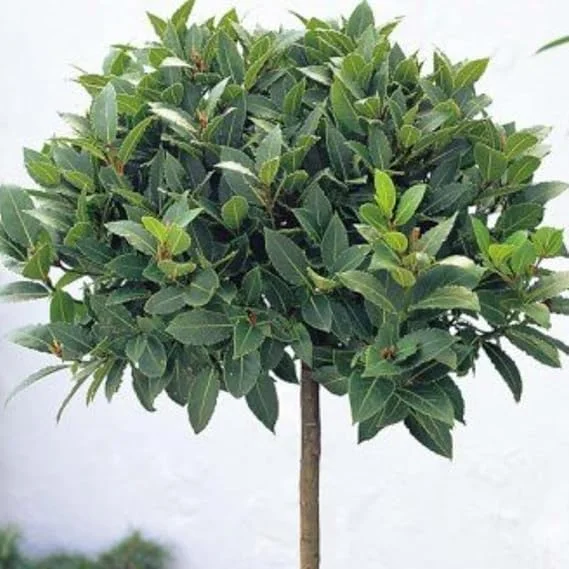
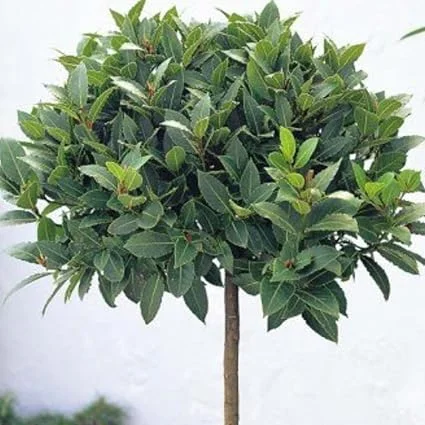
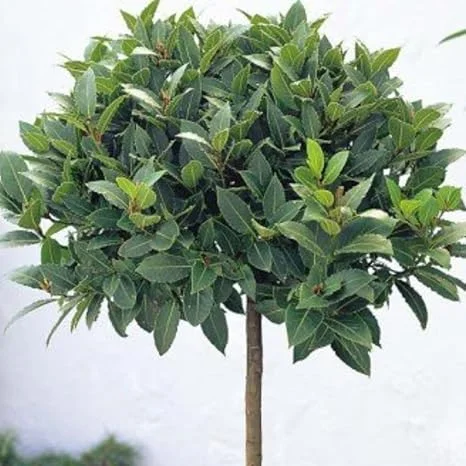
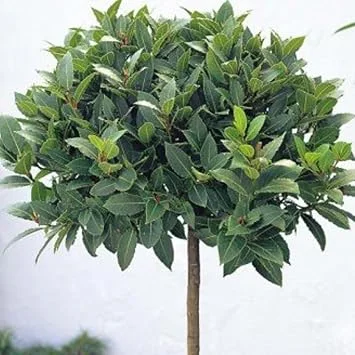
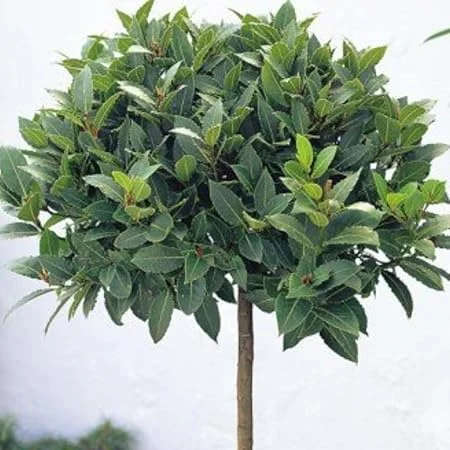
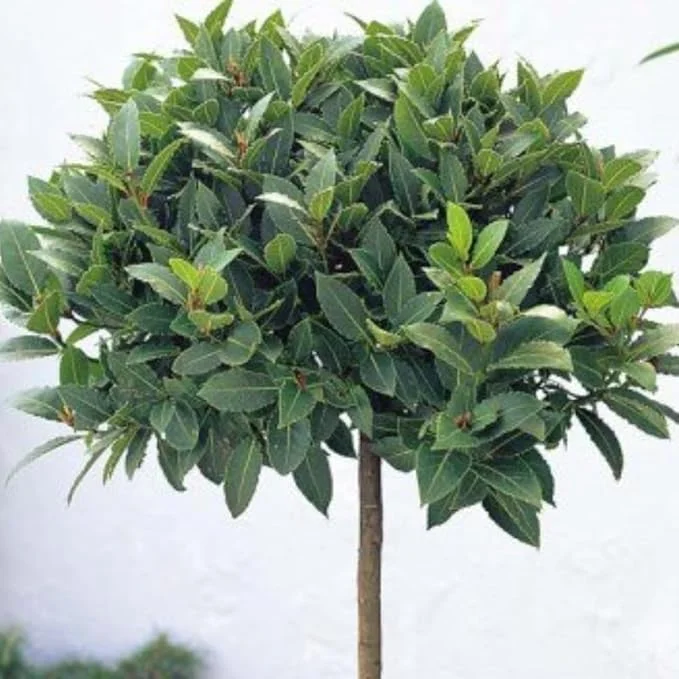
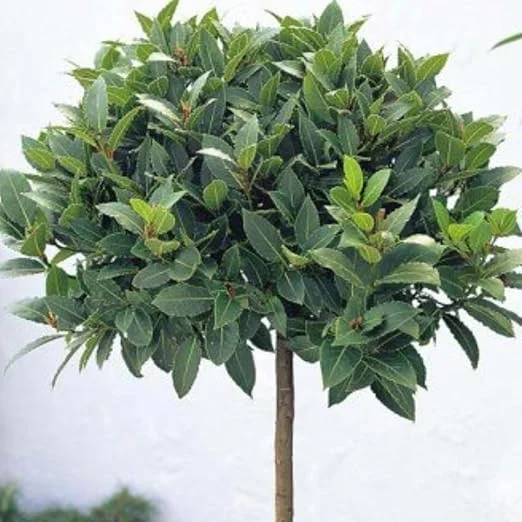
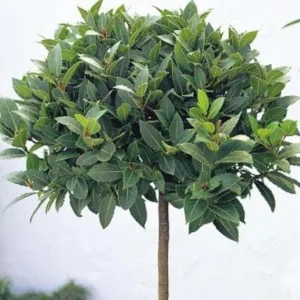
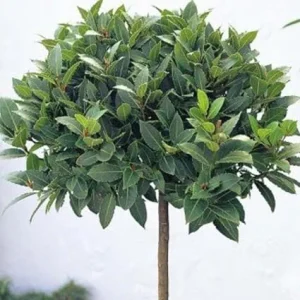
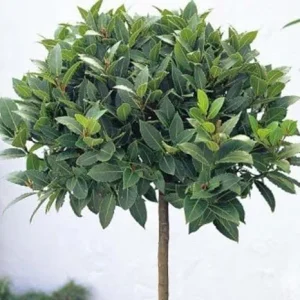
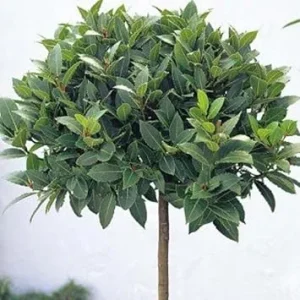
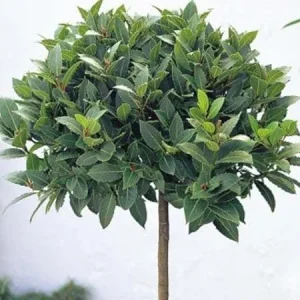
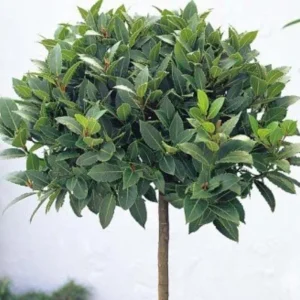
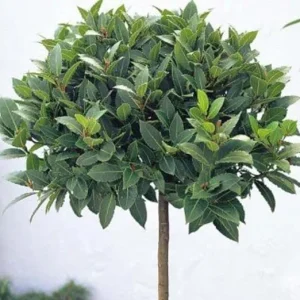
Bay Laurel Tree Live Plant, Laurus Nobilis Herb, 4-9 Inches Tall, Sweet Bay
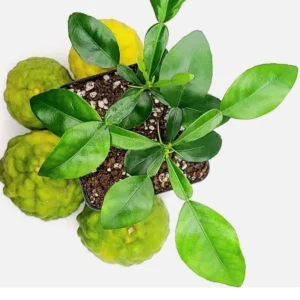
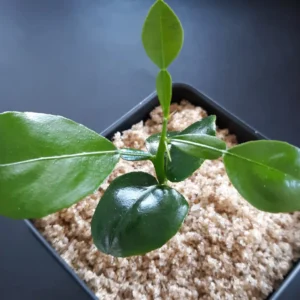
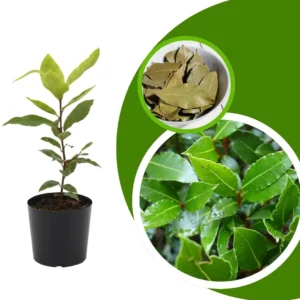
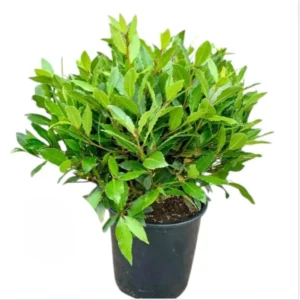
Bring the fresh aroma of the Mediterranean to your home with a bay laurel live plant. This beautiful laurus nobilis plant, standing 6-9 inches tall, is perfect for culinary use and adds a touch of greenery to any space, indoors or out. Enjoy fresh sweet bay leaf plant year-round.
Original price was: $45.98.$22.99Current price is: $22.99.

With our Alive & Thrive Guarantee, we’ve got your back for the first 30 days! If you have any concerns about your plants, just reach out to us. Our team is here to help answer your questions and guide you in selecting the best plants for your garden, climate, and unique preferences. We're excited to help you create the garden of your dreams!
Estimated arrival
Mar 28
Apr 02 - Apr 04
Apr 07 - Apr 11
Product Details
-
USDA Hardiness Zone
Zones 8-10 or indoors -
Soil type
Sandy Soil -
Sunlight Exposure
Full sun to partial shade -
Expected Planting Period
Year-round indoors, spring to early summer outdoors
Overview
Elevate your gardening and culinary experience with the exquisite bay laurel live plant. This aromatic herb, scientifically known as Laurus Nobilis, is a fantastic addition to any home garden, providing fresh, fragrant leaves for cooking and a touch of classic elegance to your decor. Originating from the Mediterranean, the laurus nobilis plant is revered for its distinct flavor profile, which deepens and enriches a wide array of dishes, from soups and stews to sauces and marinades. Our live bay laurel plant arrives ready to thrive, typically between 6 to 9 inches tall, making it a perfect size for transplanting into a decorative pot or directly into your garden. Whether you’re a seasoned chef or a budding gardener, this versatile plant offers both aesthetic appeal and practical utility, bringing the essence of gourmet cooking right to your fingertips.
The bay laurel live plant is more than just a culinary herb; it’s a symbol of victory and accomplishment, historically used to crown champions. Today, it continues to be celebrated for its evergreen foliage and the subtle, earthy aroma it imparts. Growing your own sweet bay leaf plant ensures you always have access to the freshest ingredients, far superior to dried alternatives. This particular specimen is cultivated to be robust and adaptable, suitable for various growing conditions, either as a charming indoor houseplant in cooler climates or a resilient outdoor shrub in warmer zones. Its glossy, dark green leaves are not only beautiful but also carry the promise of delicious meals to come, making it an indispensable part of any herb collection.
Key Benefits
Beyond its striking appearance and rich history, the bay laurel live plant offers numerous benefits that make it an essential addition to your home or garden. Its evergreen nature ensures year-round beauty and a constant supply of fresh leaves, enhancing both your living space and your cooking. Discover the many advantages of cultivating your own laurus nobilis plant.
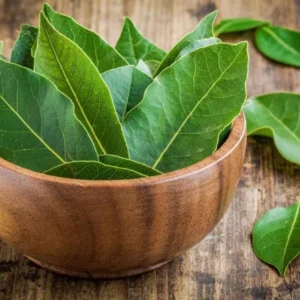
- Fresh Culinary Herb: Enjoy an endless supply of fresh bay leaves, known for their aromatic and slightly bitter flavor that enhances soups, stews, sauces, and roasts. The fresh leaves from your bay laurel live plant are significantly more potent and flavorful than dried alternatives.
- Aesthetic Appeal: With its glossy, dark green foliage, the bay laurel makes an attractive ornamental plant. It can be easily shaped and pruned into various forms, adding a touch of classic elegance to patios, kitchens, or garden beds.
- Air Purification: Like many live plants, the bay laurel contributes to a healthier indoor environment by naturally filtering air and releasing oxygen, improving overall air quality in your home.
- Low Maintenance: This resilient plant is relatively easy to care for, requiring moderate watering and adaptable to various light conditions. It’s an excellent choice for both beginner and experienced gardeners looking for a hassle-free herb.
- Versatile Growth: The sweet bay leaf plant thrives both indoors as a potted specimen and outdoors in garden beds, especially in suitable climates. This flexibility allows you to enjoy its benefits regardless of your living situation.
- Pest Deterrent: The strong aroma of bay leaves can naturally deter certain common garden pests, helping to protect nearby plants without the need for harsh chemicals.
- Symbolic Value: Historically a symbol of triumph and honor, growing a bay laurel adds a touch of classical significance and tradition to your garden, making it a conversation starter.
Plant Care & Growing Tips
Caring for your bay laurel live plant is a rewarding experience, leading to a continuous supply of fresh, aromatic leaves. Understanding its basic needs will ensure a healthy and vigorous plant that thrives for years. This robust laurus nobilis plant is generally forgiving, but optimal conditions will yield the best results.
For sunlight, bay laurels prefer full sun to partial shade. If growing outdoors, choose a spot that receives at least 6 hours of direct sunlight daily. Indoors, place your plant near a bright window with southern or western exposure. While it can tolerate some shade, too little light may result in sparse foliage and reduced aroma. When it comes to watering, moderate watering is key. The soil should be kept consistently moist but never waterlogged. Allow the top inch or two of soil to dry out between waterings. Overwatering is a common mistake and can lead to root rot. Good drainage is crucial, so ensure your pot has drainage holes if growing indoors.
The ideal soil type for a sweet bay leaf plant is well-draining sandy soil, rich in organic matter. A good quality potting mix amended with sand or perlite works well for container-grown plants. Bay laurels are hardy in USDA Zones 8-10, meaning they can typically withstand winter conditions in these regions. In colder climates (Zones 7 and below), it’s best to grow them in containers so they can be brought indoors during the winter months, as they are dormant in winter. Fertilize your bay leaf tree for cooking every 2-4 weeks during the growing season (spring and summer) with a balanced liquid fertilizer diluted to half strength. Reduce fertilization in fall and winter. Pruning can be done to maintain shape and size, and to encourage bushier growth. Watch out for common pests like scale insects and mealybugs; address them promptly with insecticidal soap if spotted. Providing the right environment will ensure your indoor bay laurel care routine is simple and effective.
Size & Details
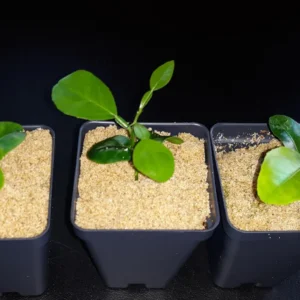
This bay laurel live plant arrives as a healthy, young specimen, typically ranging from 6 to 9 inches in height. It is shipped as a live plant, ready for you to transplant into your preferred pot or garden location. The size allows for easy handling and establishes quickly in its new environment. As a young plant, its growth rate will be moderate, gradually developing into a more substantial shrub or small tree over time, depending on its growing conditions and pruning. When grown in optimal conditions, a bay laurel can eventually reach heights of 10-20 feet in the garden, though it can be kept much smaller through regular pruning, especially when container-grown indoors. Expect to enjoy fresh bay leaves for culinary use shortly after planting, as the plant establishes and produces new growth. This laurus nobilis plant is ideal for starting your own herb garden or adding to an existing collection.
Upon arrival, the plant will be carefully packaged to ensure its health and vitality during transit. It’s important to unpack and water your sweet bay leaf plant promptly. While it is dormant in winter, it will awaken with vigorous new growth in the spring. The plant is suitable for container growing, making it adaptable for various living spaces, including balconies, patios, and kitchen windowsills. Its compact initial size makes it easy to integrate into existing plant arrangements. This bay leaf tree for cooking is a long-term investment in fresh flavor and beautiful greenery, promising years of aromatic pleasure.
Frequently Asked Questions
- Q: How big does this plant get? A: This bay laurel live plant arrives 6 to 9 inches tall. With proper care, it can grow into a large shrub or small tree, reaching 10-20 feet outdoors, but can be maintained at a smaller, more manageable size through regular pruning, especially when grown in a pot.
- Q: Is this an indoor or outdoor plant? A: The laurus nobilis plant is versatile and can be grown both indoors and outdoors. In USDA Zones 8-10, it can thrive outdoors year-round. In colder zones, it should be grown in a container and brought indoors during winter.
- Q: How much sunlight does it need? A: Bay laurels prefer full sun to partial shade, ideally receiving at least 6 hours of direct sunlight per day. If growing indoors, place it near a bright, south or west-facing window for optimal light.
- Q: Is this plant easy to care for? A: Yes, the sweet bay leaf plant is considered relatively easy to care for. It requires moderate watering, well-draining soil, and protection from harsh winter cold in some regions. It’s a great choice for both novice and experienced gardeners.
- Q: What condition will it arrive in? A: Your bay laurel live plant will arrive carefully packaged, healthy, and ready for planting. It will be a young, established plant, ready to continue growing in its new home.
- Q: Can I use bay leaf in cooking right away? A: Yes, once your bay leaf tree for cooking has settled into its new environment and started to produce new growth, you can begin harvesting fresh leaves for your culinary needs.
- Q: What’s the best time to plant? A: While you can plant your bay laurel live plant at any time indoors, outdoor planting is best done in spring or early summer after the last frost, allowing the plant ample time to establish before winter.
- Q: Will it survive winter in my zone? A: Bay laurels are hardy in USDA Zones 8-10. If you live in a colder zone (7 or below), you will need to protect your plant from freezing temperatures by bringing it indoors during the winter months.
- Q: What kind of soil is best for indoor bay laurel care? A: A well-draining sandy soil mix, preferably rich in organic matter, is ideal. For potted plants, use a high-quality potting mix amended with perlite or sand to improve drainage.
- Q: Is the plant dormant in winter? A: Yes, the bay laurel live plant enters a period of dormancy in winter, especially in cooler climates. During this time, growth slows down significantly, and it requires less water and fertilizer.
Related products
-50%
Original price was: $15.96.$7.98Current price is: $7.98.
-67%
Original price was: $39.72.$13.24Current price is: $13.24.
-30%
Original price was: $59.98.$41.98Current price is: $41.98.
-67%
Original price was: $75.72.$25.24Current price is: $25.24.
-30%
Original price was: $57.98.$40.58Current price is: $40.58.
-50%
Original price was: $53.98.$26.99Current price is: $26.99.
-30%
Original price was: $67.98.$47.58Current price is: $47.58.
-67%
Original price was: $39.72.$13.24Current price is: $13.24.
PLANTING & CARE

The Comprehensive Guide to Growing Bay Leaf Plants for a Flavorful Garden
Imagine stepping into your garden, greeted by the earthy aroma of fresh bay leaves, their
09
Feb
Feb

How to Make Comfrey Tea: The Ultimate Organic Plant Food
Growing an organic garden can be surprisingly expensive, especially when most store-bought fertilizers come in
02
Feb
Feb

True Comfrey: 7 Essential Tips Before You Plant This Herb
A staple in permaculture practices across the US, True Comfrey easily earns its reputation as
27
Jan
Jan

7 Heart-Shaped Plants for a Lasting Valentine’s Gift
If you’ve ever bought a bouquet of roses for Valentine’s Day, you know they are
26
Jan
Jan

Best Types of Ivy Plant for Houses: How to Choose the Perfect Ones for Your Home
Are you a garden lover looking to introduce some greenery into your home? Maybe you’ve
14
Nov
Nov

When to Harvest Garlic (Especially Fall-Planted Garlic)
TIMING IS EVERYTHING, they say – and for garlic, that truth hits with surprising accuracy.
13
Nov
Nov

11 of the Best Sweet Potato Varieties to Grow for Your Garden
If you’ve ever tried growing sweet potatoes, you know that picking the right variety can
12
Nov
Nov
Pruning Bougainvillea for Winter
Bougainvillea vines are known for their dazzling display of magenta, orange, and fuchsia bracts that
05
Nov
Nov