Pink Wandering Jew Live Plant – Vining Houseplant – 2.5 Inch Pot – Indoor/Outdoor
-50%
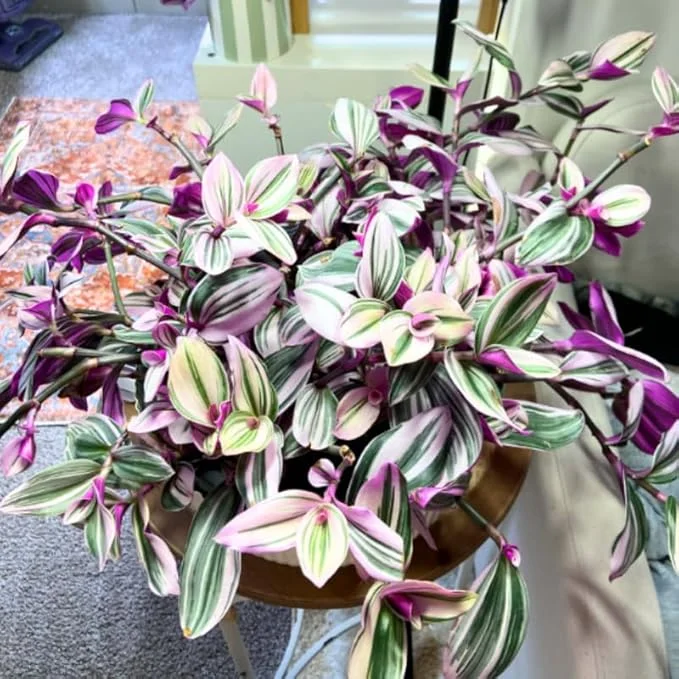
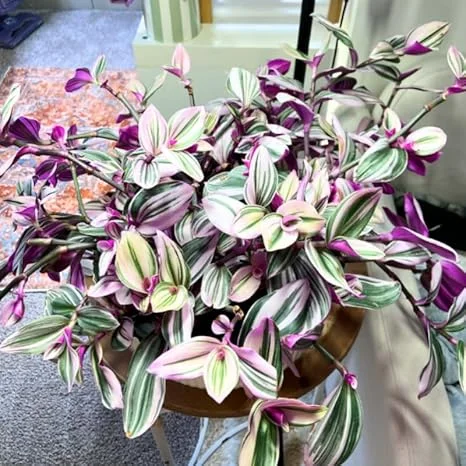
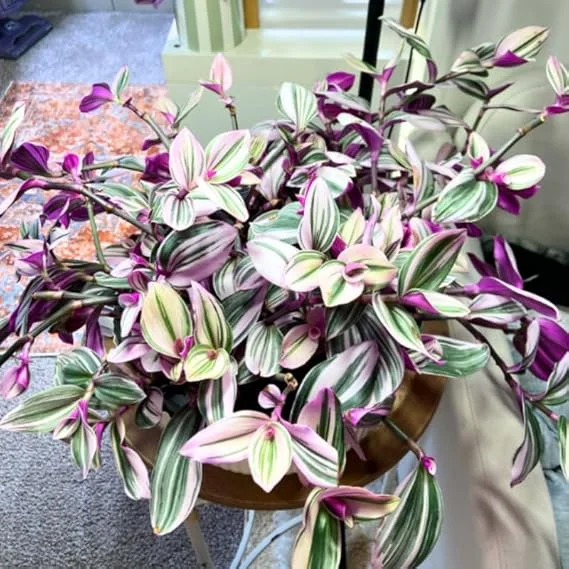
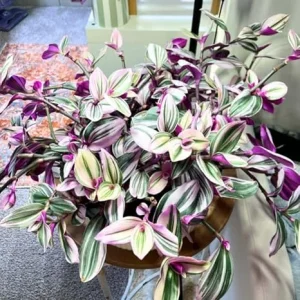
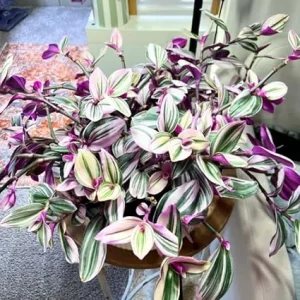
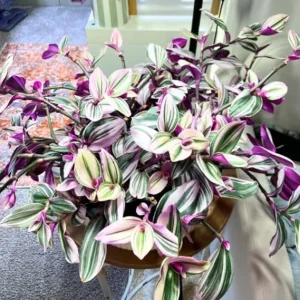
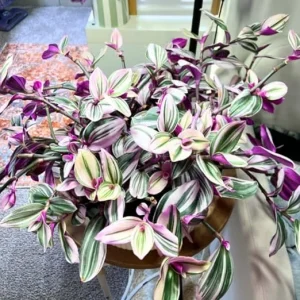
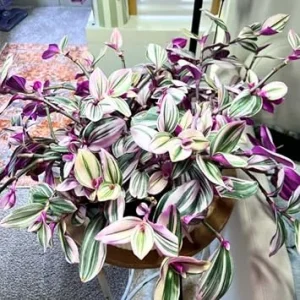
Pink Wandering Jew Live Plant – Vining Houseplant – 2.5 Inch Pot – Indoor/Outdoor
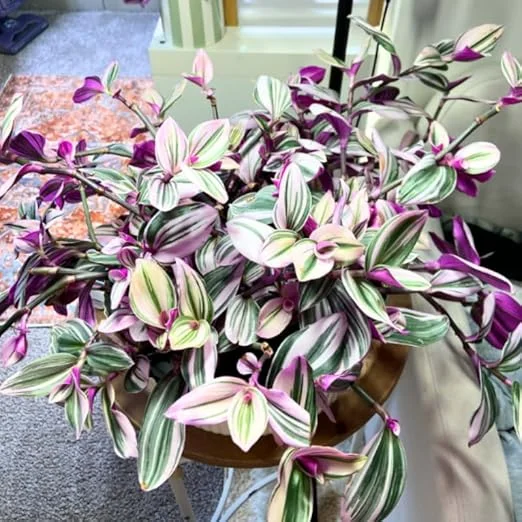
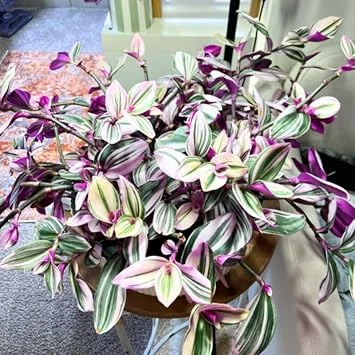
Introduce a splash of vibrant color to your home or garden with this stunning pink wandering jew live plant. This easy-to-care-for vining houseplant pink is delivered in a 2.5-inch pot, ready to grow. Perfect for hanging baskets or as a trailing accent.
Original price was: $37.56.$18.78Current price is: $18.78.

With our Alive & Thrive Guarantee, we’ve got your back for the first 30 days! If you have any concerns about your plants, just reach out to us. Our team is here to help answer your questions and guide you in selecting the best plants for your garden, climate, and unique preferences. We're excited to help you create the garden of your dreams!
Estimated arrival
Apr 13
Apr 18 - Apr 20
Apr 23 - Apr 27



Product Details
-
USDA Hardiness Zone
3-11 (as annual or perennial depending on climate) -
Soil type
Well-draining potting mix -
Sunlight Exposure
Full Sun -
Expected Planting Period
Year-round indoors, spring to summer outdoors
Overview
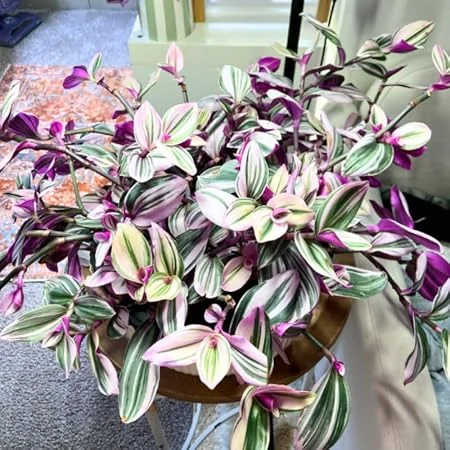
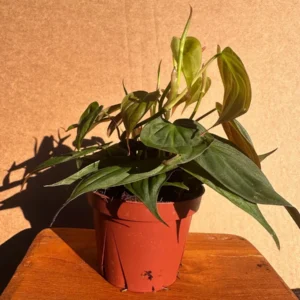
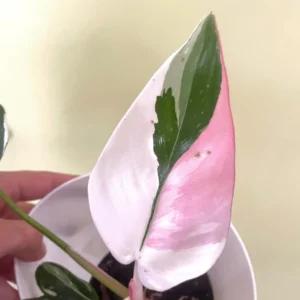
Transform your living space with the vibrant beauty of a pink wandering jew live plant. This captivating vining plant, also known scientifically as Tradescantia pallida ‘Pink Stripe’ or sometimes generically referred to as tradescantia pallida pink, is celebrated for its striking foliage. Each leaf boasts a mesmerizing blend of pink, green, and cream hues, creating a dynamic visual display. Originating from tropical regions, this plant thrives on warmth and humidity, making it an excellent choice for indoor environments where it can drape elegantly from shelves or hanging baskets. Its rapid growth and ease of propagation also make it a favorite among both novice and experienced plant enthusiasts. This particular offering provides you with a healthy, established plant in a 2.5-inch pot, ready to be integrated into your home decor or outdoor garden (in suitable climates).
The pink wandering jew live plant is not just a treat for the eyes; it’s also remarkably resilient. Its ability to adapt to various light conditions and its forgiving nature regarding watering make it an ideal choice for busy individuals or those just starting their plant journey. Whether you’re looking to add a pop of color to a dull corner, create a lush indoor jungle, or enhance your outdoor patio, this plant is a versatile and rewarding option. Its lively pink and green leaves will bring a fresh, tropical feel to any setting, promising continuous growth and beauty with minimal effort.
Key Benefits
Adding a pink wandering jew live plant to your collection offers numerous advantages, enhancing both your living space and your well-being. This resilient and beautiful plant is more than just a decorative item; it brings a touch of nature’s tranquility and vibrancy into your daily life.
-
Stunning Aesthetic Appeal: The primary draw of the pink wandering jew live plant is its incredibly vibrant foliage. The variegated leaves, featuring shades of pink, green, and white, create a dynamic and eye-catching display. This natural artistry makes it a perfect focal point or a complementary piece in any room, instantly brightening up your decor.
-
Versatile Vining Growth: As a vining houseplant pink, it excels in various display settings. Its trailing stems are ideal for hanging baskets, allowing its colorful foliage to cascade gracefully. It can also be grown in standard pots on shelves, where its vines will elegantly spill over the edges, adding depth and texture to your plant arrangements.
-
Easy to Care For: This plant is renowned for its low-maintenance requirements, making it an excellent choice for beginners or those with busy schedules. It tolerates a range of conditions and is quite forgiving, bouncing back quickly from minor neglects. This ease of care ensures you can enjoy its beauty without constant worry.
-
Rapid Growth and Propagation: The pink wandering jew live plant grows relatively quickly, providing a satisfying visual transformation in a short period. Furthermore, it’s incredibly easy to propagate from cuttings, allowing you to expand your collection, share with friends, or fill out existing pots to create a fuller look.
-
Air Purifying Qualities: Like many houseplants, the pink wandering jew contributes to a healthier indoor environment. While not as potent as some other plants, it helps filter common airborne toxins, improving the air quality in your home or office and promoting a fresher atmosphere.
-
Adaptable to Various Settings: Whether you place it indoors as a vibrant houseplant or outdoors on a patio in warmer climates, this plant adapts well. Its hardiness across USDA Zones 3-11 (as an annual or perennial depending on climate) offers flexibility in how and where you can enjoy its unique beauty.
Plant Care & Growing Tips
Caring for your pink wandering jew live plant is straightforward, making it a rewarding experience for all plant lovers. To ensure your plant thrives and maintains its brilliant coloration, understanding its basic needs is key. This plant prefers bright, indirect light to achieve the most vibrant pink hues. Too much direct, harsh sunlight can scorch its delicate leaves, causing them to fade or turn brown. Conversely, too little light can lead to leggy growth and less intense coloration. An east or west-facing window is often ideal, providing ample light without the intensity of midday sun. If growing outdoors, choose a spot with morning sun and afternoon shade.
When it comes to watering, the pink wandering jew care routine suggests keeping the soil consistently moist but never waterlogged. Allow the top inch of soil to dry out slightly between waterings, especially during the active growing season (spring and summer). Reduce watering in winter when the plant’s growth slows. Overwatering is a common issue and can lead to root rot, so ensure your pot has good drainage. A well-draining potting mix is crucial. Regular household temperatures are generally suitable, ideally between 60-75°F (15-24°C). This plant is quite hardy, thriving across USDA Hardiness Zones 3-11, though it may need to be brought indoors or treated as an annual in colder regions.
Fertilize your vining houseplant pink every 2-4 weeks during the spring and summer months with a balanced liquid fertilizer diluted to half strength. Avoid fertilizing in fall and winter. Pruning is also an important aspect of pink wandering jew care; pinch back the stems regularly to encourage bushier growth and prevent it from becoming too leggy. This also helps promote more vigorous new growth. If you notice any fading or discoloration in the leaves, it’s often a sign of insufficient light or improper watering. With these simple tips, your plant will flourish and continue to provide stunning color.
Size & Details
This offering includes one healthy pink wandering jew live plant, meticulously grown and presented in a compact 2.5-inch nursery pot. At this stage, the plant features several established vines, typically ranging from 4 to 8 inches in length, ready to begin their beautiful trailing journey. The modest pot size makes it an ideal starter plant, perfect for transplanting into a decorative pot, a hanging basket, or even incorporating into a larger mixed planter. The plant’s growth rate is considered fast, and with proper care, you can expect its vines to extend significantly, reaching lengths of 1 to 2 feet or more within its first year, creating a lush and full appearance. It is shipped as a live, rooted plant, carefully packaged to ensure its safe arrival at your doorstep.
The tradescantia pallida pink is known for its robust nature and ability to quickly establish itself in a new environment. While it arrives in a 2.5-inch pot, it will benefit greatly from being repotted into a slightly larger container (e.g., 4-6 inches) once it has settled into your home. This will provide ample space for root development and continued vigorous growth. Expect this plant to be a continuous performer, providing vibrant foliage year-round when grown indoors, and throughout the warm seasons if placed outdoors in appropriate climates. Its compact initial size makes it easy to handle and integrate into various garden or indoor design schemes.
Frequently Asked Questions
-
Q: How big does this pink wandering jew live plant get? A: While this plant arrives in a 2.5-inch pot, its vines can grow quite long, typically reaching 1 to 2 feet or more within a year with proper care. Its size is largely dependent on the pot size and how often it’s pruned, allowing you to control its overall spread and length.
-
Q: Is this an indoor or outdoor plant? A: This pink wandering jew live plant is highly versatile. It thrives as an indoor houseplant, especially in hanging baskets. In USDA Zones 9-11, it can be grown outdoors year-round as a perennial. In colder zones, it can be enjoyed outdoors during the warm months and brought inside before the first frost.
-
Q: How much sunlight does my tradescantia pallida pink need? A: For the most vibrant pink coloration, your plant needs bright, indirect light for several hours a day. Avoid harsh, direct afternoon sun, which can scorch the leaves. Too little light will result in less intense color and leggy growth.
-
Q: Is this plant easy to care for? A: Yes, the pink wandering jew is considered an easy-care plant, making it suitable for beginners. It’s quite forgiving of minor neglect and recovers well. The main aspects of pink wandering jew care are consistent watering (allowing the topsoil to dry), bright indirect light, and occasional pruning.
-
Q: What condition will the plant arrive in? A: Your pink wandering jew live plant will arrive as a healthy, established plant in its 2.5-inch nursery pot. It is carefully packaged to minimize stress during transit, ensuring it reaches you in excellent condition, ready for its new home.
-
Q: How often should I water my vining houseplant pink? A: Water when the top inch of soil feels dry to the touch. This usually translates to once or twice a week during warmer months and less frequently in winter. Always ensure the pot has drainage holes to prevent waterlogging, which can lead to root rot.
-
Q: Is the pink wandering jew toxic to pets? A: Yes, like many houseplants, the pink wandering jew (Tradescantia species) is considered mildly toxic to pets if ingested, potentially causing irritation to the mouth and stomach. It’s best to keep it out of reach of curious pets.
-
Q: When is the best time to repot this plant? A: The best time to repot your pink wandering jew live plant is in the spring or early summer, when it is actively growing. You can move it to a pot that is one size larger (e.g., from a 2.5-inch to a 4-inch pot) to give its roots more space.
-
Q: Why are my easy care pink plant leaves fading or turning green? A: Fading pink colors or leaves turning mostly green often indicate that the plant is not receiving enough light. Move it to a brighter spot with more indirect sunlight to encourage the vibrant pink hues to return.
-
Q: Can I propagate this plant easily? A: Absolutely! The pink wandering jew live plant is one of the easiest plants to propagate. Simply snip off a healthy stem cutting, remove the lower leaves, and place it in water or moist soil. Roots will typically form within a few weeks.
Related products
-25%
Original price was: $23.80.$17.84Current price is: $17.84.
-25%
Original price was: $20.90.$15.68Current price is: $15.68.
-30%
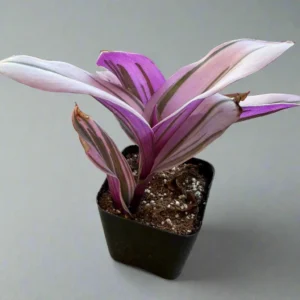
Original price was: $13.98.$9.78Current price is: $9.78.
-25%
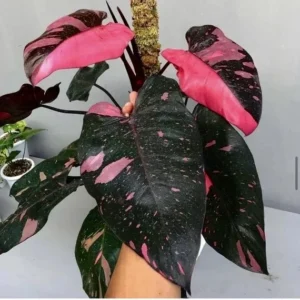
Original price was: $20.90.$15.68Current price is: $15.68.
-35%
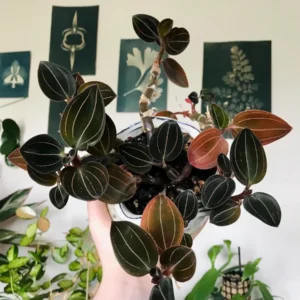
Original price was: $37.24.$24.20Current price is: $24.20.
PLANTING & CARE
Growing Glencoe Raspberry: A Complete Guide for Gardeners
If you’re looking to add something unique to your garden, look no further than the
31
Mar
Mar

The Comprehensive Guide to Growing Bay Leaf Plants for a Flavorful Garden
Imagine stepping into your garden, greeted by the earthy aroma of fresh bay leaves, their
09
Feb
Feb

How to Make Comfrey Tea: The Ultimate Organic Plant Food
Growing an organic garden can be surprisingly expensive, especially when most store-bought fertilizers come in
02
Feb
Feb

True Comfrey: 7 Essential Tips Before You Plant This Herb
A staple in permaculture practices across the US, True Comfrey easily earns its reputation as
27
Jan
Jan

7 Heart-Shaped Plants for a Lasting Valentine’s Gift
If you’ve ever bought a bouquet of roses for Valentine’s Day, you know they are
26
Jan
Jan

Best Types of Ivy Plant for Houses: How to Choose the Perfect Ones for Your Home
Are you a garden lover looking to introduce some greenery into your home? Maybe you’ve
14
Nov
Nov

When to Harvest Garlic (Especially Fall-Planted Garlic)
TIMING IS EVERYTHING, they say – and for garlic, that truth hits with surprising accuracy.
13
Nov
Nov

11 of the Best Sweet Potato Varieties to Grow for Your Garden
If you’ve ever tried growing sweet potatoes, you know that picking the right variety can
12
Nov
Nov