Purple Pink Lilac Live Plant, Reblooming Flower Starter for Garden, 4-6 Inch Tall
-50%
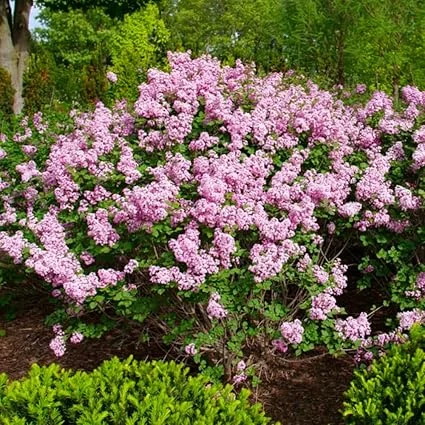
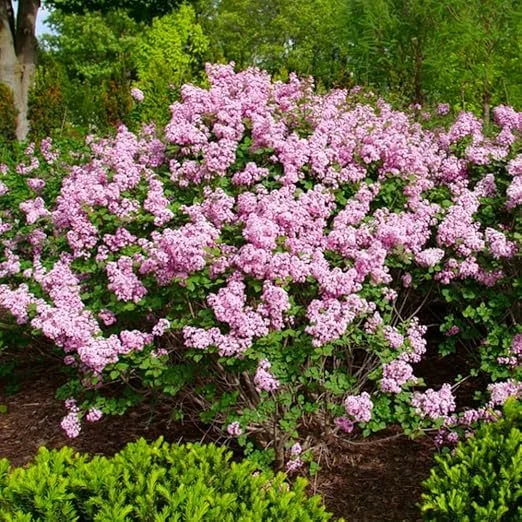
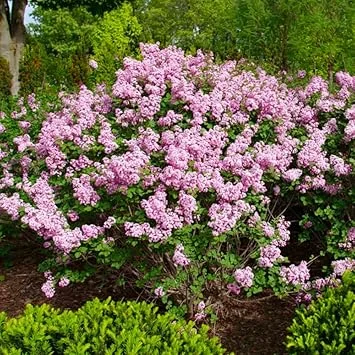
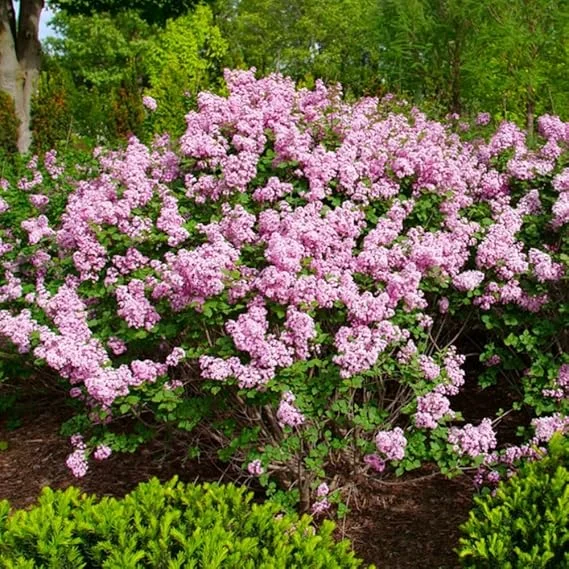
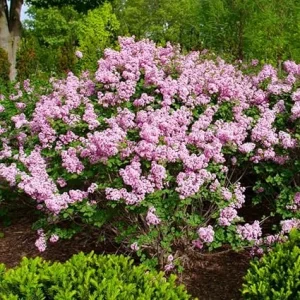
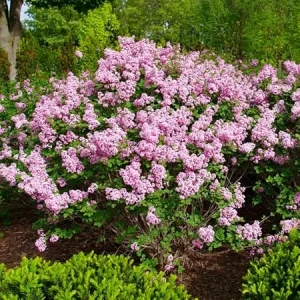
Purple Pink Lilac Live Plant, Reblooming Flower Starter for Garden, 4-6 Inch Tall
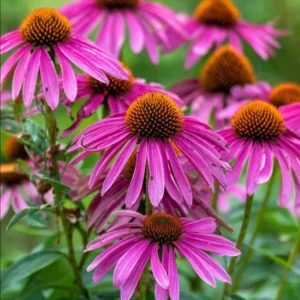
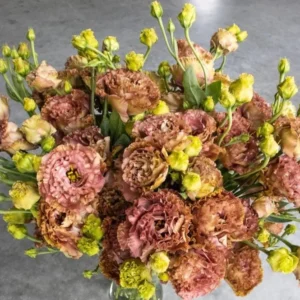
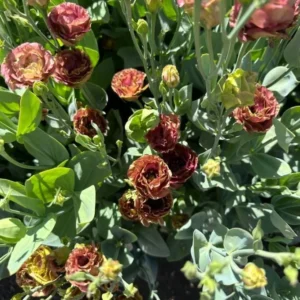
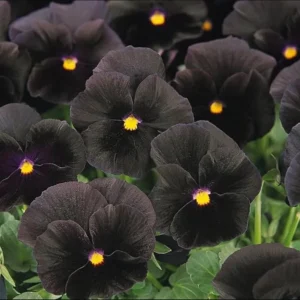
Bring enchanting fragrance and vibrant color to your garden with this purple pink lilac live plant. This 4-6 inch tall starter plant offers beautiful reblooming flowers from spring to summer, ideal for enriching any outdoor space.
- Fragrant lilac plant with purple-pink blooms
- Reblooming lilac flower for extended beauty
- Easy to grow, perfect for garden landscapes
Original price was: $65.98.$32.99Current price is: $32.99.

With our Alive & Thrive Guarantee, we’ve got your back for the first 30 days! If you have any concerns about your plants, just reach out to us. Our team is here to help answer your questions and guide you in selecting the best plants for your garden, climate, and unique preferences. We're excited to help you create the garden of your dreams!
Estimated arrival
Mar 28
Apr 02 - Apr 04
Apr 07 - Apr 11


Product Details
-
USDA Hardiness Zone
3-7 -
Soil type
Well-drained soil -
Sunlight Exposure
Full Sun -
Expected Planting Period
Spring to Summer
Overview
Introduce timeless beauty and intoxicating fragrance to your outdoor space with the stunning purple pink lilac live plant. This exquisite variety is celebrated for its captivating purple-pink blossoms that emerge in abundance, offering a visual and olfactory delight. Unlike traditional lilacs, this unique reblooming lilac flower extends its blooming period from spring through summer, gracing your garden with continuous color and sweet perfume. Each lilac starter plant arrives as a healthy, vibrant specimen, typically measuring 4 to 6 inches tall, ready to establish quickly and thrive in your landscape. Known botanically as Syringa, lilacs are beloved for their hardiness and classic charm, making them a superb addition to cottage gardens, borders, or as a fragrant focal point.
This particular syringa plant care is relatively straightforward, making it an excellent choice for both novice and experienced gardeners. Its compact size at maturity makes it versatile for various garden designs, from small urban spaces to larger country estates. Prepare to enjoy the delightful presence of these charming flowers year after year, transforming your garden into a fragrant sanctuary.
Key Benefits
The addition of a purple pink lilac live plant to your garden brings a multitude of benefits, enhancing both aesthetics and sensory experience. This robust plant is designed to deliver consistent beauty and joy throughout its growing season.
- Extended Blooming Season: Enjoy the beauty of this reblooming lilac flower from spring all the way through summer, offering a longer period of vibrant color and delightful fragrance compared to single-blooming varieties.
- Intoxicating Fragrance: The sweet, classic scent of lilac is a hallmark of this plant, creating an inviting and serene atmosphere in your garden or near windows and entryways. This makes it a truly fragrant lilac plant.
- Attracts Pollinators: Its abundant, nectar-rich flowers are a magnet for beneficial pollinators like butterflies and hummingbirds, contributing to a healthier garden ecosystem.
- Low Maintenance & Hardy: Once established, this lilac is remarkably resilient and requires minimal care, making it an ideal choice for busy gardeners seeking maximum impact with minimal effort.
- Versatile Landscape Use: Perfect for planting in mixed borders, as a specimen shrub, or even in large containers, its moderate size at maturity allows for flexible placement in diverse garden settings.
- Deer Resistant: Lilacs are generally not favored by deer, offering a natural defense against common garden pests and preserving your beautiful blooms.
- Beautiful Cut Flowers: The lovely clusters of purple-pink blooms make excellent cut flowers, bringing the garden’s charm and fragrance indoors.
Plant Care & Growing Tips
Ensuring the health and vitality of your purple pink lilac live plant is simple with proper care. This plant thrives when provided with the right conditions, leading to abundant blooms and robust growth. Starting with a healthy lilac starter plant, proper establishment is key.
For optimal growth and flowering, this lilac requires full sun exposure, meaning at least 6 hours of direct sunlight per day. Adequate sunlight is crucial for the development of its vibrant purple-pink flowers and for encouraging its reblooming habit. When it comes to watering, the plant has moderate moisture needs. Water regularly after planting to help establish the root system, ensuring the soil remains consistently moist but not waterlogged. Once established, it becomes more drought-tolerant but will benefit from watering during dry spells, especially during its blooming periods. The best way to gauge moisture is to check the top inch or two of soil; if it feels dry, it’s time to water.
The ideal soil type for this fragrant lilac plant is well-drained soil. It tolerates a range of soil types but prefers a neutral to slightly alkaline pH. Amending heavy clay soils with organic matter can improve drainage, while sandy soils may benefit from compost to enhance water retention. This particular lilac is hardy in USDA Zones 3-7, indicating its ability to withstand cold winter temperatures in these regions. Fertilize in early spring with a balanced slow-release fertilizer designed for flowering shrubs to support vigorous growth and blooming. Pruning should be done after the first flush of blooms to encourage reblooming and maintain a desirable shape. Remove spent flowers and any dead or crossing branches. Understanding syringa plant care is vital for its long-term success.
Size & Details
This purple pink lilac live plant arrives as a healthy starter plant, typically measuring 4 to 6 inches tall, ready to be transplanted into your garden. It is shipped in a small pot or nursery container, ensuring its root system is protected during transit. At maturity, this particular reblooming lilac flower variety can reach a height of 3 to 5 feet with a spread of 2 to 3 feet, creating a lovely, compact shrub ideal for various garden applications. Its moderate growth rate means it will establish well and begin to produce its beautiful blooms within a few seasons. The plant begins to bloom on both new and old wood, which contributes to its extended flowering period from spring to summer. Expect to see the first wave of fragrant blooms in spring, followed by subsequent flushes throughout the warmer months, making it a continuous source of beauty and scent.
Frequently Asked Questions
- Q: How big will this purple pink lilac live plant get? A: This lilac typically matures to a height of 3 to 5 feet with a spread of 2 to 3 feet, making it a compact and manageable shrub for most gardens.
- Q: What size pot does this lilac starter plant come in? A: It is shipped as a 4 to 6 inch tall starter plant, usually in a small nursery pot or similar container designed to protect its root system during delivery.
- Q: Is this an indoor or outdoor plant? A: This fragrant lilac plant is intended for outdoor use. It requires full sun exposure and is hardy in USDA Zones 3-7, making it unsuitable for long-term indoor cultivation.
- Q: How much sunlight does it need? A: For best results and abundant reblooming, this lilac needs at least 6 hours of direct sunlight each day. Full sun exposure is crucial for its health and flowering.
- Q: Is this plant easy to care for? A: Yes, this lilac is considered relatively easy to care for. Once established, it’s quite hardy and low-maintenance, making it suitable for gardeners of all experience levels.
- Q: What condition will it arrive in? A: Your purple pink lilac live plant will arrive as a healthy, actively growing starter plant, carefully packaged to ensure its safe journey and immediate readiness for planting.
- Q: How long until it blooms? A: While it’s a starter plant, with proper care, you can expect to see its beautiful reblooming lilac flower within the first 1-2 growing seasons, especially given its reblooming nature.
- Q: When is the best time to plant this lilac? A: The best time to plant is in spring or early fall, allowing the plant sufficient time to establish its root system before extreme temperatures.
- Q: Will it survive winter in my zone? A: This lilac is cold-hardy in USDA Zones 3-7, meaning it is well-suited to survive winter conditions within these zones, often without special protection once established.
- Q: What type of soil does this syringa plant care best in? A: It prefers well-drained soil, tolerating a range of soil types but performing best in soil that is neutral to slightly alkaline. Good drainage is essential to prevent root rot.
Related products
-30%
Original price was: $65.98.$46.18Current price is: $46.18.
-20%
Original price was: $31.98.$25.58Current price is: $25.58.
-30%
Original price was: $63.98.$44.78Current price is: $44.78.
-10%
Original price was: $11.99.$10.79Current price is: $10.79.
-75%
Original price was: $59.98.$15.00Current price is: $15.00.
-30%
Original price was: $63.98.$44.78Current price is: $44.78.
PLANTING & CARE

The Comprehensive Guide to Growing Bay Leaf Plants for a Flavorful Garden
Imagine stepping into your garden, greeted by the earthy aroma of fresh bay leaves, their
09
Feb
Feb

How to Make Comfrey Tea: The Ultimate Organic Plant Food
Growing an organic garden can be surprisingly expensive, especially when most store-bought fertilizers come in
02
Feb
Feb

True Comfrey: 7 Essential Tips Before You Plant This Herb
A staple in permaculture practices across the US, True Comfrey easily earns its reputation as
27
Jan
Jan

7 Heart-Shaped Plants for a Lasting Valentine’s Gift
If you’ve ever bought a bouquet of roses for Valentine’s Day, you know they are
26
Jan
Jan

Best Types of Ivy Plant for Houses: How to Choose the Perfect Ones for Your Home
Are you a garden lover looking to introduce some greenery into your home? Maybe you’ve
14
Nov
Nov

When to Harvest Garlic (Especially Fall-Planted Garlic)
TIMING IS EVERYTHING, they say – and for garlic, that truth hits with surprising accuracy.
13
Nov
Nov

11 of the Best Sweet Potato Varieties to Grow for Your Garden
If you’ve ever tried growing sweet potatoes, you know that picking the right variety can
12
Nov
Nov

Pruning Bougainvillea for Winter
Bougainvillea vines are known for their dazzling display of magenta, orange, and fuchsia bracts that
05
Nov
Nov