10 White Lily of the Valley Bulbs – Fragrant May Lilies, Easy to Grow, Cold Hardy
-50%
10 White Lily of the Valley Bulbs – Fragrant May Lilies, Easy to Grow, Cold Hardy
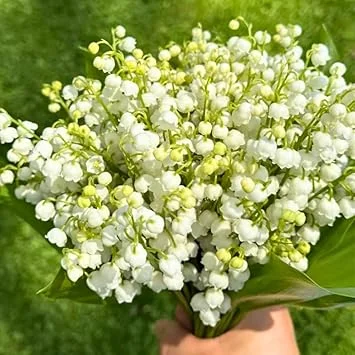
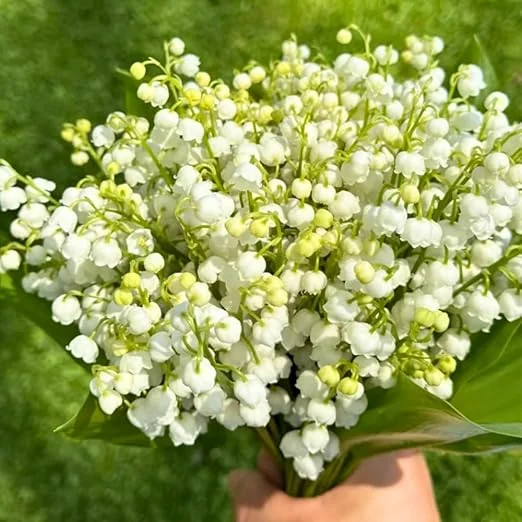
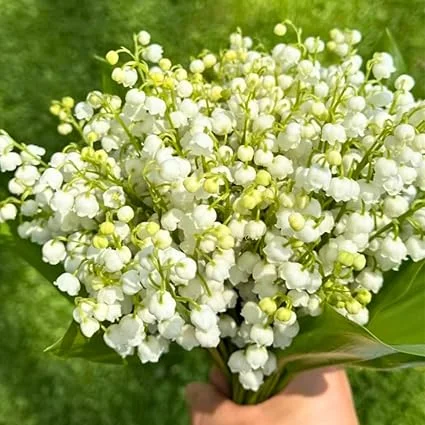
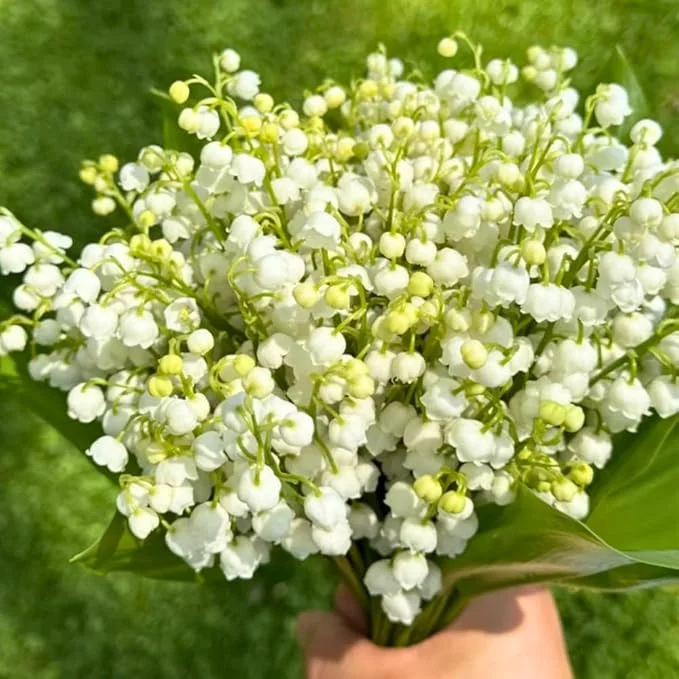
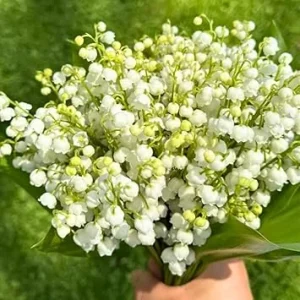
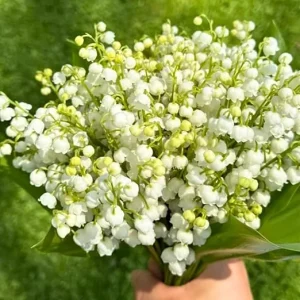
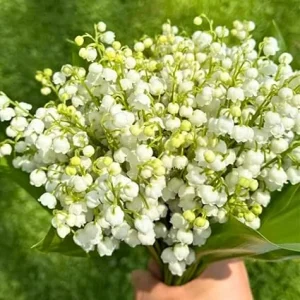
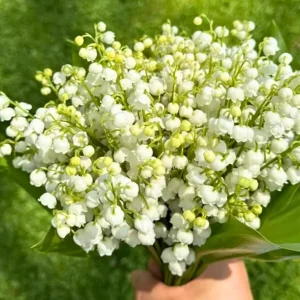
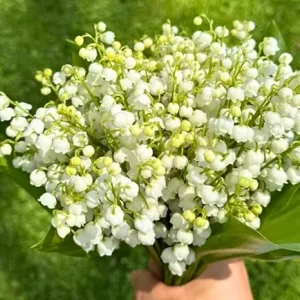
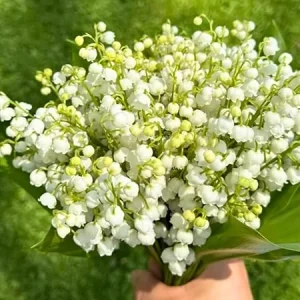
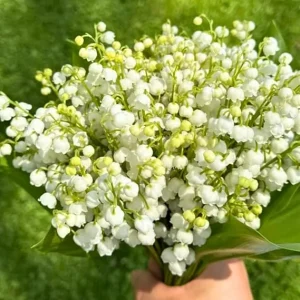
Plant these 10 white lily of the valley bulbs for an enchanting display of fragrant May lilies. These cold hardy perennials are incredibly easy to grow, returning year after year with delicate, bell-shaped flowers perfect for ground cover, borders, or charming bouquets.
Original price was: $35.98.$17.99Current price is: $17.99.

With our Alive & Thrive Guarantee, we’ve got your back for the first 30 days! If you have any concerns about your plants, just reach out to us. Our team is here to help answer your questions and guide you in selecting the best plants for your garden, climate, and unique preferences. We're excited to help you create the garden of your dreams!
Estimated arrival
Apr 13
Apr 18 - Apr 20
Apr 23 - Apr 27



Product Details
-
USDA Hardiness Zone
USDA Zones 2-9 -
Soil type
Moist, well-draining soil rich in organic matter -
Sunlight Exposure
Partial to full shade -
Expected Planting Period
Fall or early spring
Overview
Introduce timeless elegance to your garden with our premium pack of 10 white lily of the valley bulbs. Revered for their delicate beauty and intoxicating fragrance, lily of the valley (Convallaria majalis) is a quintessential spring bloomer. These rhizomes, often referred to as ‘pips,’ are ready to establish and transform shaded areas into a fragrant wonderland. As a hardy perennial, lily of the valley will reliably return each spring, offering a carpet of lush green foliage topped with dainty, bell-shaped white flowers. They are an ideal choice for gardeners seeking low-maintenance, high-impact ground cover or charming additions to woodland gardens and shady borders. With these white lily of the valley bulbs, you’re not just planting flowers; you’re cultivating a tradition of spring beauty and delightful aroma.
These exquisite plants are also known as fragrant May lilies, blooming typically in late spring and early summer, adding a touch of classic charm to any landscape. Their easy-to-grow nature makes them suitable for both novice and experienced gardeners. Prepare to be enchanted by their sweet scent and graceful appearance, whether used as a groundcover, in containers, or as cut flowers for charming indoor arrangements.
Key Benefits
Planting these white lily of the valley bulbs offers a multitude of advantages for your garden and home, ensuring years of beauty and enjoyment. Their robust nature and stunning appearance make them a cherished addition.
- Effortless Elegance: Enjoy beautiful, delicate white flowers without extensive effort. Lily of the valley thrives with minimal intervention, making it a perfect choice for busy gardeners or those new to planting. Their charming appearance adds a touch of classic sophistication.
- Captivating Fragrance: These fragrant May lilies are renowned for their sweet, memorable perfume. A single patch can fill your garden with a delightful aroma, enhancing your outdoor living space and making them ideal for cutting and bringing indoors.
- Reliable Perennial Performance: As cold hardy perennials, these plants return year after year, establishing dense clumps that expand over time. They are incredibly resilient and provide consistent beauty without the need for annual replanting, offering long-term value.
- Versatile Garden Use: Perfect for a variety of garden applications, including ground cover in shady spots, border plantings, or as an underplanting for larger shrubs and trees. They also perform beautifully in pots and containers, allowing you to enjoy their charm on patios or balconies.
- Easy to Grow: Known for their adaptability, these bulbs are incredibly easy to grow. They flourish in partial to full shade and prefer moist, well-drained soil, making them forgiving for various garden conditions and skill levels.
- Early Spring Blooms: Be among the first to welcome spring with the early arrival of lily of the valley flowers. Their blooms signify the end of winter and the promise of warmer days, providing a much-needed splash of color and life.
Plant Care & Growing Tips
Caring for your white lily of the valley bulbs is straightforward, ensuring a lush and fragrant display for many springs to come. Understanding their basic needs will help you achieve the best results and enjoy their classic beauty season after season. These cold hardy perennials are quite resilient, but a little care goes a long way in promoting vigorous growth and abundant blooms.
Lily of the valley thrives in partial to full shade. While they can tolerate some morning sun, direct afternoon sun can scorch their delicate leaves. For optimal growth, choose a location under deciduous trees or on the north side of a building where they receive dappled light throughout the day. They prefer consistently moist, well-drained soil that is rich in organic matter. Amend heavy clay soils with compost or other organic material to improve drainage and fertility. Plant the rhizomes (pips) about 1-2 inches deep and 3-4 inches apart, with the pointed end facing upwards. Water thoroughly after planting. Once established, they are relatively self-sufficient, but ensuring the soil remains moist, especially during dry spells, will encourage stronger growth and more prolific flowering. These plants are cold hardy in USDA Zones 2-9, meaning they can withstand quite cold winters and will re-emerge in spring.
Fertilize lightly in early spring with a balanced, slow-release granular fertilizer or a liquid feed diluted to half strength. Avoid over-fertilizing, as this can lead to excessive foliage at the expense of flowers. Pests and diseases are generally not a major concern for lily of the valley, making them a low-maintenance choice. While these plants are easy to grow, they can spread aggressively, so consider planting them where their spread can be contained or where they have room to naturalize. This vigorous spreading habit also makes them excellent for naturalizing woodland areas or filling in difficult shady spots. Proper lily of the valley care ensures a healthy, vibrant patch for years.
Size & Details
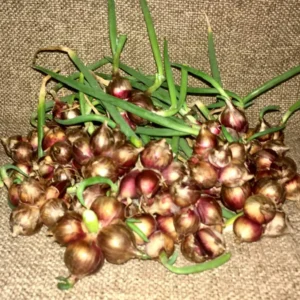
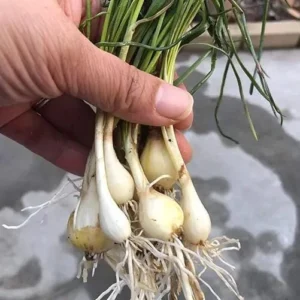
This offering includes 10 white lily of the valley bulbs (rhizomes or pips), ready for planting. Each bulb is carefully selected to ensure viability and robust growth. When mature, lily of the valley plants typically reach a height of 6-12 inches and spread indefinitely, forming dense groundcover. They have a moderate to fast growth rate, quickly establishing themselves and spreading through underground rhizomes to create a beautiful carpet of foliage and flowers. These bulbs are shipped dormant and bare root, ensuring they are in the best condition for planting upon arrival. Expect blooms in late spring, usually in May, providing a fragrant spectacle.
The plants will develop bright green, lance-shaped leaves that emerge before the flower stalks. The delicate white, bell-shaped flowers hang gracefully from slender stems. These bulbs are ideal for creating a naturalized look in shaded gardens, under trees, or along pathways. The exact spread will depend on growing conditions, but they are known to be enthusiastic spreaders, making them excellent for filling larger areas over time. These fragrant May lilies are a charming addition to any garden.
Frequently Asked Questions
- Q: How big does this plant get? A: Lily of the Valley typically grows to a height of 6-12 inches (15-30 cm) tall. Its spread can be quite extensive as it naturalizes and forms dense colonies through its rhizomes.
- Q: Is this an indoor or outdoor plant? A: Lily of the Valley is primarily an outdoor plant, best suited for shady garden areas. While it can be forced indoors for temporary display, its natural habitat is outdoors, where it thrives as a perennial.
- Q: How much sunlight does it need? A: These white lily of the valley bulbs prefer partial to full shade. Too much direct sun, especially in hot climates, can scorch their leaves and hinder flowering. Dappled shade is ideal.
- Q: Is this plant easy to care for? A: Yes, lily of the valley is renowned for being very easy to grow and low-maintenance. Once established, it requires minimal attention, making it perfect for beginners and busy gardeners.
- Q: What condition will it arrive in? A: Your 10 white lily of the valley bulbs (rhizomes or pips) will arrive dormant and bare root, carefully packaged to ensure they are healthy and ready for planting.
- Q: How long until it blooms? A: If planted in the fall or early spring, you can expect the first blooms in late spring (typically May) of the following year or the same year, depending on planting time and climate.
- Q: Will it survive winter in my zone? A: Yes, these are cold hardy perennials, thriving in USDA Hardiness Zones 2-9. They are well-adapted to cold winters and will reliably return each spring. Proper lily of the valley care during winter involves little to no intervention.
- Q: What type of soil do these fragrant May lilies prefer? A: They prefer consistently moist, well-drained soil that is rich in organic matter. A slightly acidic to neutral pH is ideal for optimal growth.
- Q: Can I use lily of the valley for bouquets? A: Absolutely! Their delicate, bell-shaped flowers and enchanting fragrance make them a classic choice for small, charming bouquets and boutonnieres.
- Q: How do I contain its spread if I don’t want it to naturalize? A: If you wish to limit its spread, consider planting the white lily of the valley bulbs in containers or installing root barriers in the ground around the planting area.
Related products
-50%
Original price was: $87.96.$43.98Current price is: $43.98.
-60%
Original price was: $69.99.$27.99Current price is: $27.99.
-50%
Original price was: $19.96.$9.98Current price is: $9.98.
-50%
Original price was: $179.60.$89.80Current price is: $89.80.
-50%
Original price was: $63.96.$31.98Current price is: $31.98.
-43%
Original price was: $69.99.$39.99Current price is: $39.99.
-50%

Original price was: $63.96.$31.98Current price is: $31.98.
PLANTING & CARE

Growing Glencoe Raspberry: A Complete Guide for Gardeners
If you’re looking to add something unique to your garden, look no further than the
31
Mar
Mar

The Comprehensive Guide to Growing Bay Leaf Plants for a Flavorful Garden
Imagine stepping into your garden, greeted by the earthy aroma of fresh bay leaves, their
09
Feb
Feb

How to Make Comfrey Tea: The Ultimate Organic Plant Food
Growing an organic garden can be surprisingly expensive, especially when most store-bought fertilizers come in
02
Feb
Feb

True Comfrey: 7 Essential Tips Before You Plant This Herb
A staple in permaculture practices across the US, True Comfrey easily earns its reputation as
27
Jan
Jan

7 Heart-Shaped Plants for a Lasting Valentine’s Gift
If you’ve ever bought a bouquet of roses for Valentine’s Day, you know they are
26
Jan
Jan

Best Types of Ivy Plant for Houses: How to Choose the Perfect Ones for Your Home
Are you a garden lover looking to introduce some greenery into your home? Maybe you’ve
14
Nov
Nov

When to Harvest Garlic (Especially Fall-Planted Garlic)
TIMING IS EVERYTHING, they say – and for garlic, that truth hits with surprising accuracy.
13
Nov
Nov

11 of the Best Sweet Potato Varieties to Grow for Your Garden
If you’ve ever tried growing sweet potatoes, you know that picking the right variety can
12
Nov
Nov