Cabbage Plant Seedling Live Plant – 4 Inch Pot – 3-6 Inch Tall – Outdoor Vegetable
-50%
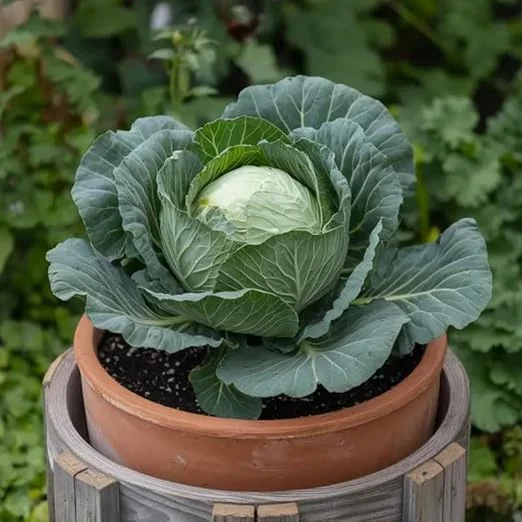
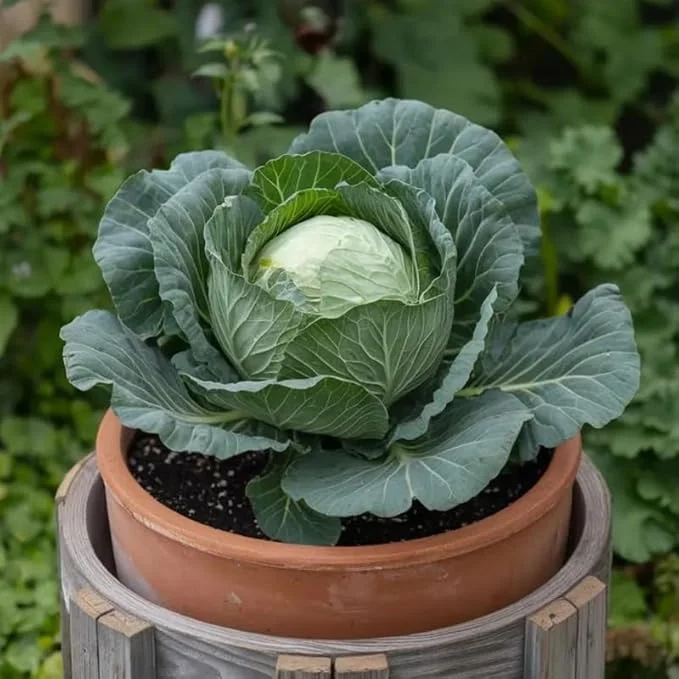
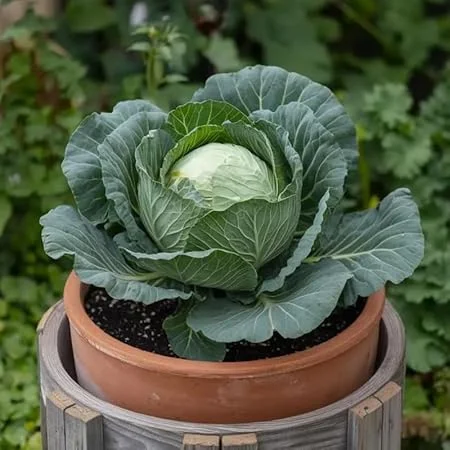
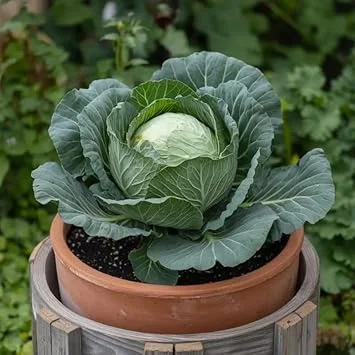
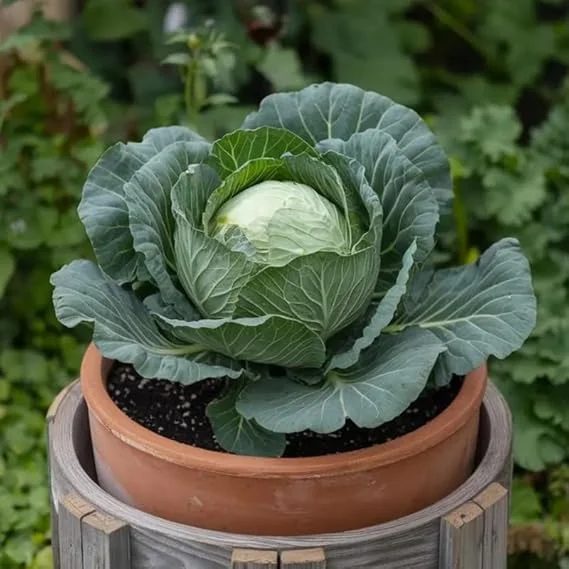
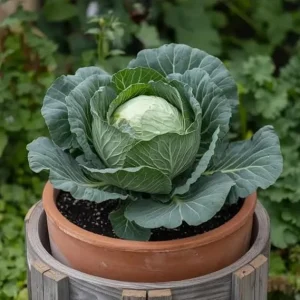
Cabbage Plant Seedling Live Plant – 4 Inch Pot – 3-6 Inch Tall – Outdoor Vegetable
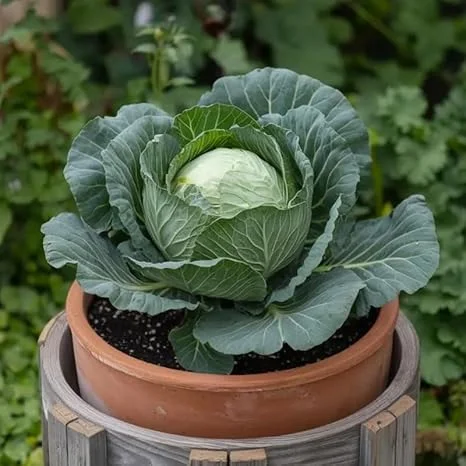
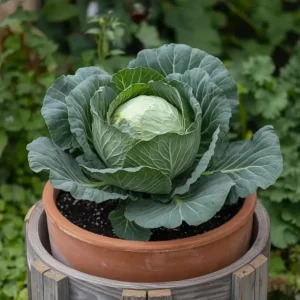
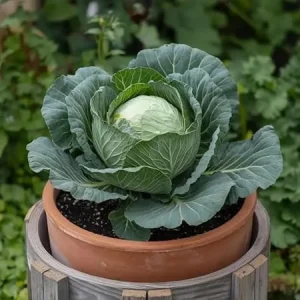
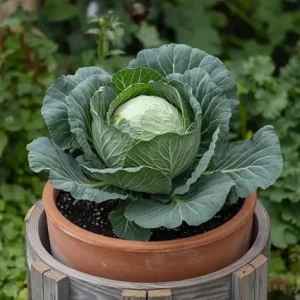
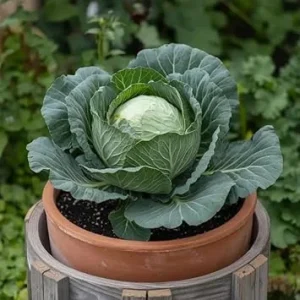
Start your vegetable garden with a healthy cabbage plant seedling. This 3 to 6-inch tall plant comes in a 4-inch pot, ready for outdoor planting. Known for being a cold hardy cabbage, it thrives in spring and fall, providing fresh, crisp heads for your culinary creations.
Original price was: $45.98.$22.99Current price is: $22.99.

With our Alive & Thrive Guarantee, we’ve got your back for the first 30 days! If you have any concerns about your plants, just reach out to us. Our team is here to help answer your questions and guide you in selecting the best plants for your garden, climate, and unique preferences. We're excited to help you create the garden of your dreams!
Estimated arrival
Mar 31
Apr 05 - Apr 07
Apr 10 - Apr 14
Product Details
-
USDA Hardiness Zone
unknown -
Soil type
Well-draining, rich loamy soil -
Sunlight Exposure
Full sun -
Expected Planting Period
Spring to fall
Overview
Cultivate your own organic produce with this robust cabbage plant seedling. Arriving as a healthy young plant in a 4-inch nursery pot, each seedling measures approximately 3 to 6 inches tall, ensuring a strong start in your garden. Cabbage is a popular leafy green vegetable known for its dense, leafy heads, offering a wealth of nutritional benefits and culinary versatility. This particular variety is selected for its vigor and adaptability, making it an excellent choice for both novice and experienced gardeners. Growing cabbage plants from a seedling rather than seed can significantly reduce germination time and increase success rates, especially in regions with shorter growing seasons. Prepare to enjoy fresh, homegrown cabbage directly from your garden, perfect for salads, slaws, or cooked dishes.
Cabbage (Brassica oleracea var. capitata) is a member of the diverse Brassicaceae family, which also includes broccoli, kale, and Brussels sprouts. It’s a cool-season crop, meaning it performs best in milder temperatures, making our cold hardy cabbage ideal for spring and fall planting. With adequate care, these plants will mature into impressive heads, providing a bountiful harvest for your kitchen. Its crisp texture and mild flavor make it a staple ingredient in many cuisines around the world.
Key Benefits
Adding a cabbage plant seedling to your garden offers numerous advantages, from fresh produce to rewarding gardening experiences. These benefits make it a must-have for any home gardener:
- Homegrown Freshness: Enjoy the unparalleled taste and nutritional value of freshly harvested cabbage, free from pesticides and grown with your own hands. There’s nothing quite like picking your own vegetables.
- Easy to Grow: Cabbage plants are relatively low-maintenance once established, making them suitable for gardeners of all skill levels. With basic care, you can expect a successful harvest from your cabbage plant seedling.
- Nutrient-Rich Vegetable: Cabbage is packed with vitamins C and K, fiber, and various antioxidants, contributing to a healthy diet. It’s a fantastic way to boost your daily nutrient intake.
- Cold Hardy Nature: This cold hardy cabbage variety thrives in cooler temperatures, making it perfect for planting in early spring or late summer for a fall harvest. It can withstand light frosts, extending your growing season.
- Versatile Culinary Use: From crisp coleslaws and hearty soups to fermented sauerkraut, cabbage offers endless culinary possibilities. Having fresh cabbage on hand opens up a world of delicious recipes.
- Space-Efficient Gardening: While mature plants can be substantial, they can be grown effectively in both large garden beds and smaller raised garden beds, making them adaptable to various garden sizes.
- Rewarding Gardening Experience: Watching your cabbage plant seedling grow from a small plant into a large, healthy head is incredibly satisfying, fostering a deeper connection with your food source.
Plant Care & Growing Tips
Ensuring the success of your cabbage plant seedling involves providing the right conditions and consistent care. Cabbage thrives in full sun, meaning it needs at least 6 hours of direct sunlight per day to develop robust, firm heads. Choose a location in your garden that receives ample sun throughout the day. While it prefers cooler temperatures, protecting it from intense midday summer heat can prevent bolting (going to seed prematurely).
Proper watering is crucial for growing cabbage plants. They require moderate, consistent moisture, especially during dry spells and as the heads begin to form. Aim to keep the soil evenly moist but not waterlogged, as this can lead to root rot. Well-draining soil is essential; a rich, loamy soil with a pH between 6.0 and 7.0 is ideal. Amend heavy clay soils with organic matter like compost to improve drainage and fertility. Fertilize your cabbage plants every 2-3 weeks with a balanced vegetable fertilizer, or use a nitrogen-rich fertilizer to promote lush leaf growth.
Pest management is an important aspect of cabbage plant care. Common pests include cabbage worms, aphids, and slugs. Regularly inspect your plants for signs of infestation and use organic pest control methods like hand-picking worms, applying neem oil, or using row covers to protect young plants. Ensure good air circulation to prevent fungal diseases. This outdoor vegetable plant is generally resilient, but vigilance helps ensure a healthy harvest. Thinning seedlings to appropriate spacing (12-18 inches apart) will provide ample room for heads to develop fully and improve air circulation.
Size & Details
Each cabbage plant seedling is carefully cultivated and shipped in a 4-inch nursery pot, providing a secure and established root system for transplanting. The plants typically measure between 3 to 6 inches in height upon arrival, offering a significant head start compared to planting from seed. When mature, these outdoor vegetable plants generally reach a size of 12-18 inches tall and wide, depending on the variety and growing conditions. They are shipped as live, actively growing plants, ready to be transferred to your garden bed or a larger container. Expect a harvest within 60-90 days after transplanting, allowing you to enjoy fresh cabbage throughout the cool seasons. The vibrant green foliage is a healthy indicator of a thriving plant, promising crisp, delicious heads.
Frequently Asked Questions
- Q: How big does this cabbage plant get? A: A: This cabbage plant seedling typically grows to a mature size of 12-18 inches tall and wide, producing a full head of cabbage with proper care.
- Q: What size pot does it come in? A: Each cabbage plant seedling is shipped in a standard 4-inch nursery pot, providing a healthy root ball for easy transplanting.
- Q: Is this an indoor or outdoor plant? A: This is an outdoor vegetable plant, best suited for garden beds or large outdoor containers where it can receive full sun and cool temperatures.
- Q: How much sunlight does it need? A: Cabbage plants require full sun, meaning at least 6 hours of direct sunlight per day, to ensure optimal growth and head formation.
- Q: Is this plant easy to care for? A: Yes, growing cabbage plants from a seedling is considered relatively easy, making it a great choice for beginner gardeners. Consistent watering and adequate sunlight are key.
- Q: What condition will it arrive in? A: Your cabbage plant seedling will arrive as a healthy, live plant in its 4-inch pot, carefully packaged to minimize stress during transit.
- Q: When is the best time to plant this cabbage? A: This cold hardy cabbage is best planted in early spring for a summer harvest or late summer for a fall harvest, thriving in cooler temperatures.
- Q: Will it survive winter in my zone? A: Cabbage is a cool-season crop and can tolerate light frosts, but typically will not survive harsh winters. It’s often grown as an annual. Check your USDA hardiness zone for specific guidance on overwintering.
- Q: What kind of soil does cabbage prefer? A: Cabbage thrives in rich, well-draining, loamy soil with a slightly acidic to neutral pH (6.0-7.0) for optimal growth.
- Q: Can I grow this cabbage in a container? A: Yes, you can grow this cabbage plant seedling in a large container (at least 12 inches in diameter) with good drainage, ensuring it receives enough sunlight and consistent moisture.
Related products
-10%
Original price was: $19.99.$17.99Current price is: $17.99.
-20%
Original price was: $36.00.$28.80Current price is: $28.80.
-20%
Original price was: $35.00.$28.00Current price is: $28.00.
-20%
Original price was: $36.00.$28.80Current price is: $28.80.
-20%
Original price was: $100.00.$80.00Current price is: $80.00.
-22%
Original price was: $160.99.$125.99Current price is: $125.99.
-20%
Original price was: $36.00.$28.80Current price is: $28.80.
PLANTING & CARE
Growing Glencoe Raspberry: A Complete Guide for Gardeners
If you’re looking to add something unique to your garden, look no further than the
31
Mar
Mar

The Comprehensive Guide to Growing Bay Leaf Plants for a Flavorful Garden
Imagine stepping into your garden, greeted by the earthy aroma of fresh bay leaves, their
09
Feb
Feb

How to Make Comfrey Tea: The Ultimate Organic Plant Food
Growing an organic garden can be surprisingly expensive, especially when most store-bought fertilizers come in
02
Feb
Feb

True Comfrey: 7 Essential Tips Before You Plant This Herb
A staple in permaculture practices across the US, True Comfrey easily earns its reputation as
27
Jan
Jan

7 Heart-Shaped Plants for a Lasting Valentine’s Gift
If you’ve ever bought a bouquet of roses for Valentine’s Day, you know they are
26
Jan
Jan

Best Types of Ivy Plant for Houses: How to Choose the Perfect Ones for Your Home
Are you a garden lover looking to introduce some greenery into your home? Maybe you’ve
14
Nov
Nov

When to Harvest Garlic (Especially Fall-Planted Garlic)
TIMING IS EVERYTHING, they say – and for garlic, that truth hits with surprising accuracy.
13
Nov
Nov

11 of the Best Sweet Potato Varieties to Grow for Your Garden
If you’ve ever tried growing sweet potatoes, you know that picking the right variety can
12
Nov
Nov