English Lavender Live Plant – Purple Perennial Flower, 2-4″ Tall in 3″ Pot
-69%
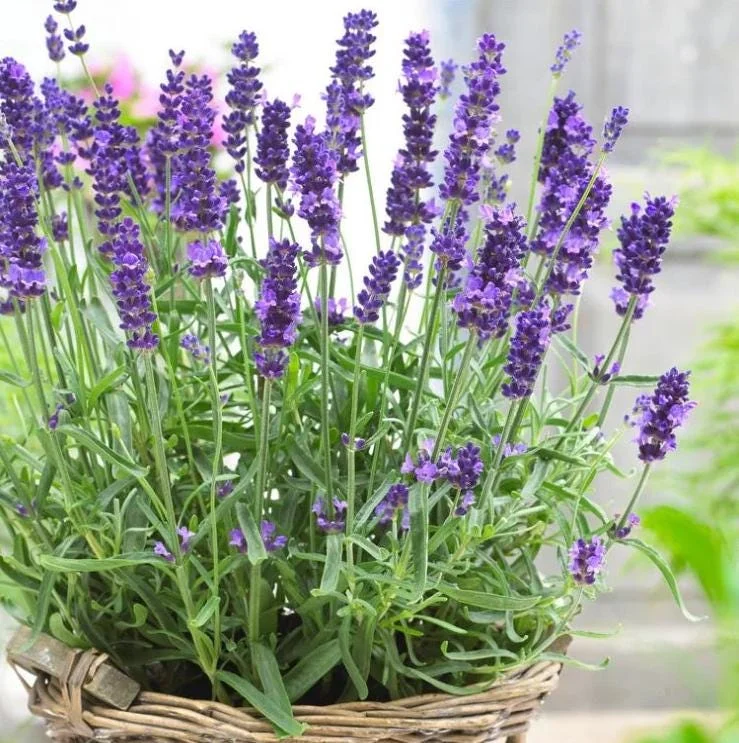
English Lavender Live Plant – Purple Perennial Flower, 2-4″ Tall in 3″ Pot
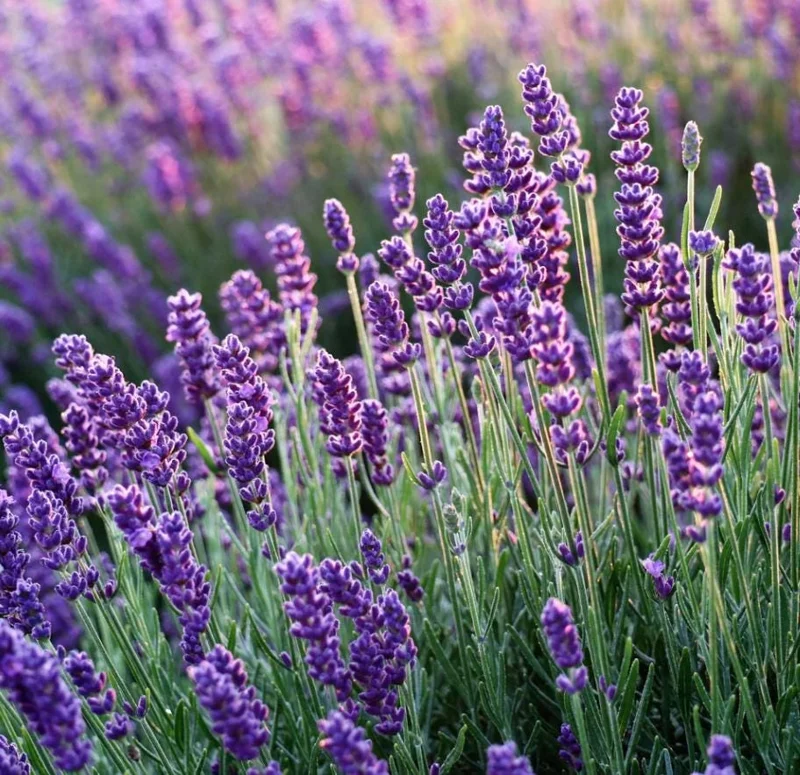
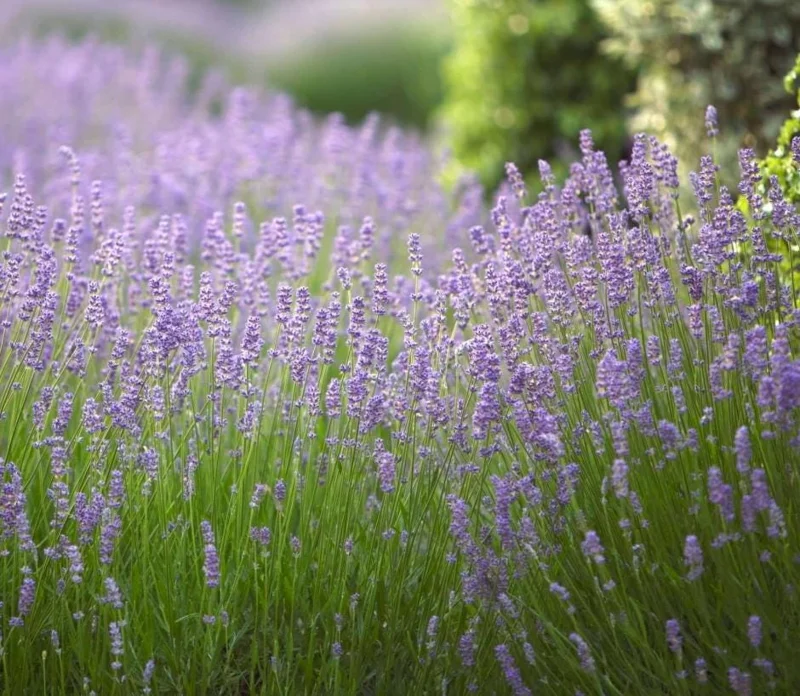
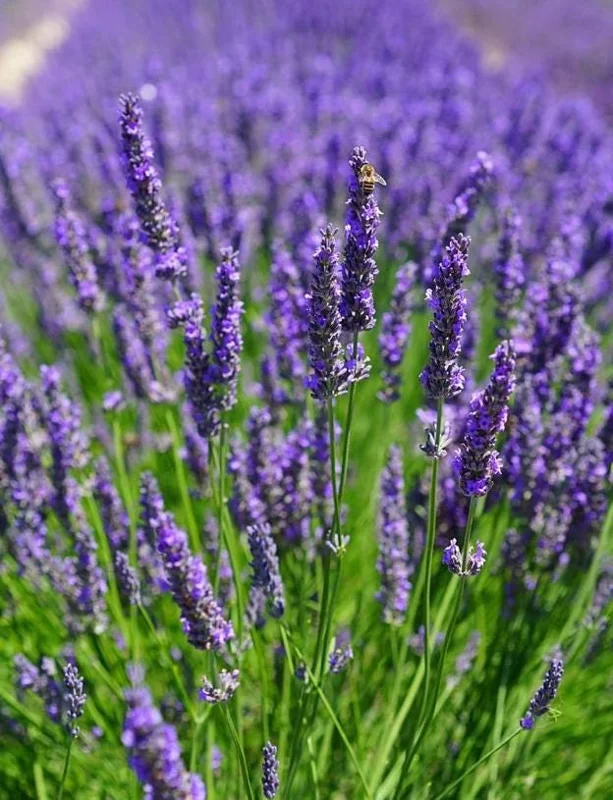
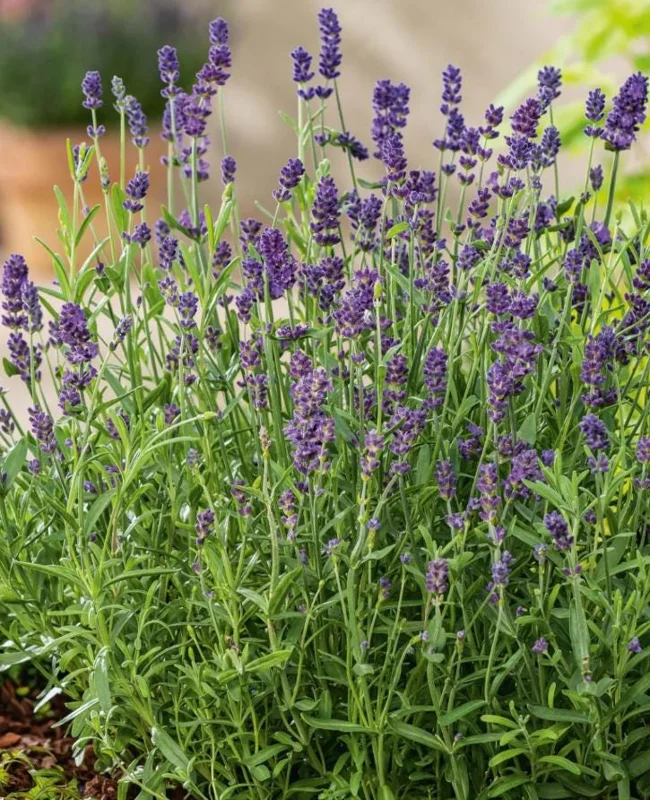
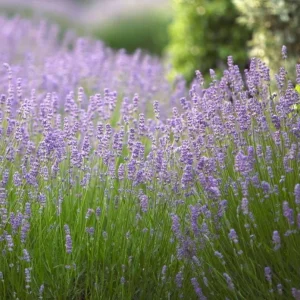
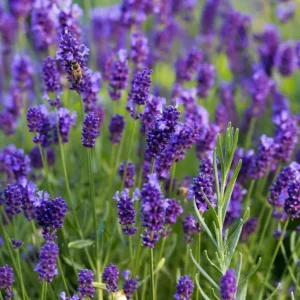
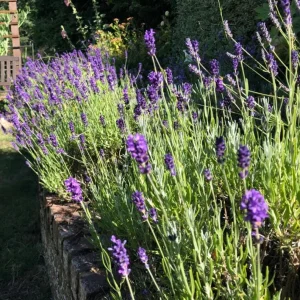
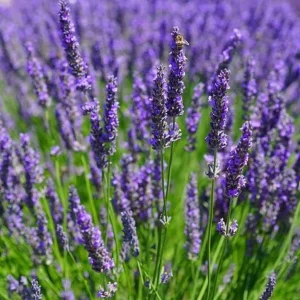
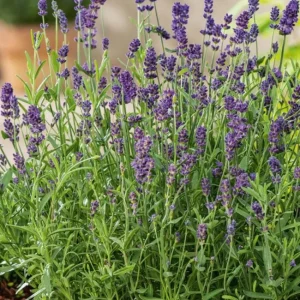
Bring the soothing scent and vibrant beauty of an english lavender live plant to your home or garden. This 2-4 inch tall perennial flower, delivered in a 3-inch pot, thrives indoors or outdoors, producing fragrant purple blooms and attracting pollinators.
Original price was: $28.99.$8.99Current price is: $8.99.

With our Alive & Thrive Guarantee, we’ve got your back for the first 30 days! If you have any concerns about your plants, just reach out to us. Our team is here to help answer your questions and guide you in selecting the best plants for your garden, climate, and unique preferences. We're excited to help you create the garden of your dreams!
Estimated arrival
Mar 31
Apr 05 - Apr 07
Apr 10 - Apr 14

Product Details
-
USDA Hardiness Zone
USDA zones 5–9 -
Soil type
Well-drained sandy or loamy soil -
Sunlight Exposure
Full sun (6-8 hours daily) -
Expected Planting Period
Spring to early summer
Overview
Immerse yourself in the enchanting world of aromatherapy and vibrant garden aesthetics with our premium english lavender live plant. This exquisite perennial, known scientifically as Lavandula angustifolia, is celebrated for its highly fragrant purple-blue flowers and silvery-green foliage. Originating from the Mediterranean, English Lavender is a beloved choice for gardeners seeking both beauty and utility. Our live plant arrives ready for planting, offering a head start on establishing a thriving, aromatic addition to your outdoor space or even a sunny indoor spot. Whether you’re creating a fragrant border, a soothing herb garden, or simply adding a touch of elegance to your patio, this hardy and versatile plant will become a cherished feature. Embrace the joy of gardening with a plant that promises enduring beauty and a calming presence. For those interested in growing lavender in pots, this specimen is perfectly sized to begin its journey in a container.
Our english lavender live plant is carefully cultivated to ensure robust health and vigorous growth. It’s an ideal choice for attracting beneficial pollinators like bees and butterflies, contributing to a healthy ecosystem in your garden. With its compact growth habit and delightful scent, this plant is more than just a decorative item; it’s an experience for the senses. It’s an excellent addition for anyone looking for a beautiful and low-maintenance purple lavender plant.
Key Benefits
Adding an english lavender live plant to your home or garden offers a multitude of advantages, both aesthetic and practical. Its unique characteristics make it a standout choice for various planting schemes, providing continuous delight and utility.
- Aromatic Fragrance: Enjoy the classic, soothing scent of lavender that can calm the mind and create a serene atmosphere. Perfect for planting near walkways or seating areas to fully appreciate its perfume, enhancing relaxation and well-being. This characteristic makes the english lavender live plant a favorite.
- Beautiful Purple Blooms: Produces abundant spikes of vibrant purple-blue flowers from late spring to early summer, adding a splash of color to any landscape. These elegant blooms are also excellent for cutting and drying, allowing you to enjoy their beauty and fragrance indoors.
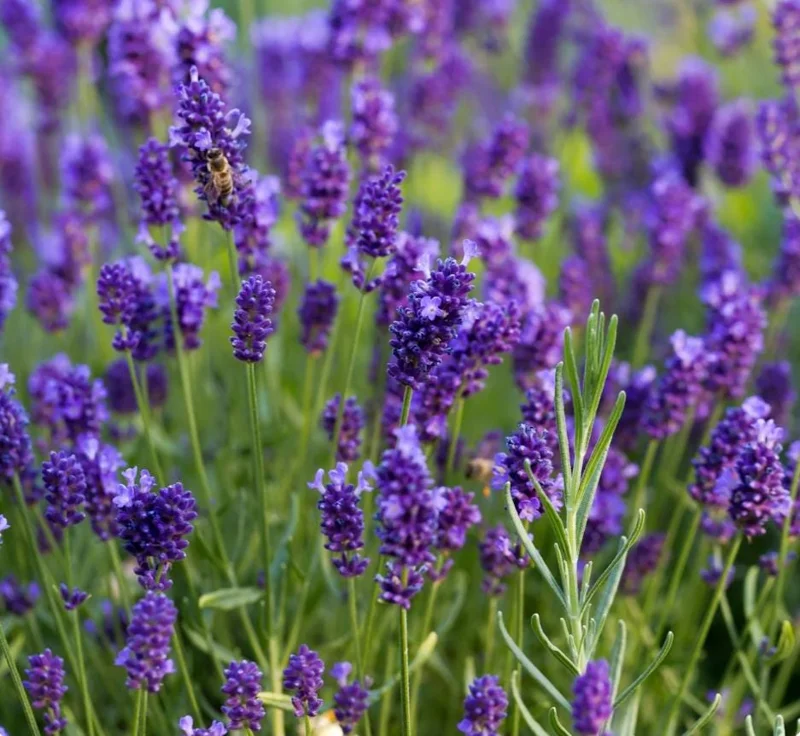
- Attracts Pollinators: A magnet for bees, butterflies, and other beneficial pollinators, contributing to biodiversity and helping to pollinate other plants in your garden. This natural attraction supports a healthy and thriving ecosystem.
- Drought-Tolerant: Once established, this hardy plant requires minimal watering, making it an excellent choice for xeriscaping or gardens in drier climates. Its ability to thrive with less water makes perennial lavender care much simpler.
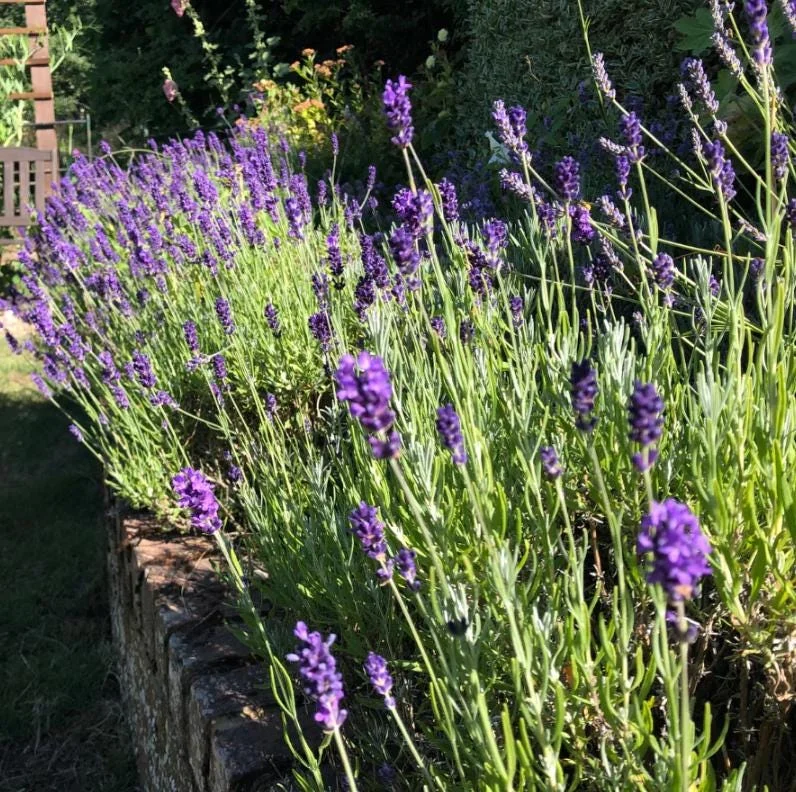
- Versatile Planting Options: Thrives equally well in garden beds, rock gardens, or containers, making it suitable for various garden designs and spaces, including small patios or balconies. Its adaptability makes it a popular choice for diverse gardening projects.
- Low Maintenance: Known for its resilience and ease of care, requiring only occasional pruning to maintain its shape and encourage reblooming. This makes it a great option for both novice and experienced gardeners seeking a rewarding plant without extensive effort.
- Culinary and Medicinal Uses: Beyond its beauty, the flowers and leaves of lavandula angustifolia can be used in culinary dishes, teas, and homemade essential oils or potpourri, offering a range of practical applications and sensory experiences.
Plant Care & Growing Tips
Caring for your english lavender live plant is straightforward, ensuring years of beautiful blooms and fragrance. Location is key; choose a spot with full sun, meaning at least 6–8 hours of direct sunlight daily. Lavender thrives in warmth and light, which is crucial for abundant flowering and strong growth. When considering growing lavender in pots, ensure the container has excellent drainage holes and is placed in a sunny location like a balcony, patio, or a south-facing window. Potted plants may require more frequent watering than those in the ground, especially during hot, dry periods.
Soil conditions are vital for healthy lavender. This plant prefers well-drained sandy or loamy soil. Avoid heavy clay soils that retain too much moisture, as this can lead to root rot. If your soil is heavy, amend it with sand or grit to improve drainage. Water deeply but infrequently, allowing the soil to dry out completely between waterings. Once established after its first season, perennial lavender care becomes even easier as the plant is remarkably drought-tolerant. Pruning is best done after flowering, typically in late summer or early fall, to maintain a compact shape and encourage fresh growth. Only trim green growth, avoiding old woody stems, and remove faded flowers to promote a potential second flush of blooms. Fertilization is rarely needed for established plants, especially if planted in good soil; excessive fertilizer can lead to lush foliage but fewer flowers. Protect young plants from extreme winter conditions in colder zones with a layer of mulch. With proper placement and minimal attention, your english lavender live plant will flourish, providing a sensory delight season after season.
English Lavender is hardy in USDA zones 5–9, making it suitable for a wide range of climates. It generally prefers cooler summers compared to other lavender varieties. Monitor for common pests like aphids or whiteflies, though lavender’s strong scent often deters many insects. Ensure good air circulation to prevent fungal diseases, especially in humid environments. Proper care will ensure your purple lavender plant remains healthy and robust.
Size & Details
This english lavender live plant is supplied as a thriving young plant, typically measuring 2-4 inches tall from the top of the soil, nestled in a 3-inch nursery pot. This size is ideal for transplanting into your garden beds, borders, or larger decorative containers. English Lavender, a perennial flower, is known for its moderate growth rate, reaching a mature height of 1-2 feet and a similar spread, creating a beautiful, rounded bush over time. When planting, space individual plants 12–18 inches (30–45 cm) apart to allow for proper air circulation and growth. You can expect the first blooms in late spring to early summer, with the possibility of a lighter second bloom in late summer if spent flowers are trimmed. The plant ships securely in its nursery pot, ensuring its root system remains undisturbed and ready for its new home, providing a hassle-free start to your gardening project. This compact size makes it perfect for beginning your perennial lavender care journey.
Frequently Asked Questions
- Q: How big does this English Lavender plant get? A: This english lavender live plant typically grows to a mature height and spread of 1-2 feet. Its compact, bushy habit makes it suitable for various garden designs and container planting, allowing for versatile placement in your landscape.
- Q: What size pot does it come in? A: Your english lavender live plant will arrive in a 3-inch nursery pot, ready for you to transplant it into a larger container or directly into your garden, providing a healthy start for the plant.
- Q: Is this an indoor or outdoor plant? A: While primarily an outdoor plant, English Lavender can be grown indoors if provided with ample sunlight (at least 6-8 hours daily) and good air circulation, making it versatile for placement in various settings.
- Q: How much sunlight does it need? A: English Lavender thrives in full sun, requiring a minimum of 6-8 hours of direct sunlight each day to produce abundant blooms and maintain healthy growth, ensuring vibrant color and fragrance.
- Q: Is this plant easy to care for? A: Yes, perennial lavender care is considered relatively easy. Once established, it is drought-tolerant and requires minimal attention beyond occasional pruning and proper watering, making it ideal for gardeners of all skill levels.
- Q: What condition will it arrive in? A: Your english lavender live plant will be carefully packaged and shipped in its nursery pot to ensure it arrives healthy and ready for planting, with its root system intact and undisturbed.
- Q: How long until it blooms? A: This English Lavender plant typically blooms from late spring to early summer. With proper care, you may see flowers in its first season, especially if planted in ideal conditions, bringing early beauty to your garden.
- Q: Will it survive winter in my zone? A: English Lavender, or lavandula angustifolia, is hardy in USDA zones 5–9. If you are within these zones, it should survive winter outdoors. In colder zones, consider providing winter protection or bringing potted plants indoors.
- Q: What’s the best soil for growing lavender in pots? A: For potted lavender, use a sandy or gritty potting mix that ensures excellent drainage. Avoid heavy, moisture-retentive soils to prevent root rot and promote healthy root development.
- Q: Can I use this lavender for culinary purposes? A: Yes, English Lavender (lavandula angustifolia) is one of the best varieties for culinary use. Its fragrant flowers and leaves can be used in baking, teas, and savory dishes, offering a delightful flavor.
Related products
-67%
Original price was: $59.97.$19.99Current price is: $19.99.
-67%
Original price was: $66.72.$22.24Current price is: $22.24.
-30%
Original price was: $63.98.$44.78Current price is: $44.78.
-67%
Original price was: $59.97.$19.99Current price is: $19.99.
-10%
Original price was: $11.99.$10.79Current price is: $10.79.
-70%
Original price was: $79.98.$24.00Current price is: $24.00.
-67%
Original price was: $66.72.$22.24Current price is: $22.24.
-30%
Original price was: $63.98.$44.78Current price is: $44.78.
PLANTING & CARE
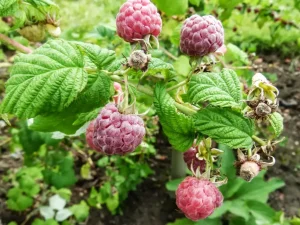
Growing Glencoe Raspberry: A Complete Guide for Gardeners
If you’re looking to add something unique to your garden, look no further than the
31
Mar
Mar

The Comprehensive Guide to Growing Bay Leaf Plants for a Flavorful Garden
Imagine stepping into your garden, greeted by the earthy aroma of fresh bay leaves, their
09
Feb
Feb

How to Make Comfrey Tea: The Ultimate Organic Plant Food
Growing an organic garden can be surprisingly expensive, especially when most store-bought fertilizers come in
02
Feb
Feb

True Comfrey: 7 Essential Tips Before You Plant This Herb
A staple in permaculture practices across the US, True Comfrey easily earns its reputation as
27
Jan
Jan

7 Heart-Shaped Plants for a Lasting Valentine’s Gift
If you’ve ever bought a bouquet of roses for Valentine’s Day, you know they are
26
Jan
Jan

Best Types of Ivy Plant for Houses: How to Choose the Perfect Ones for Your Home
Are you a garden lover looking to introduce some greenery into your home? Maybe you’ve
14
Nov
Nov

When to Harvest Garlic (Especially Fall-Planted Garlic)
TIMING IS EVERYTHING, they say – and for garlic, that truth hits with surprising accuracy.
13
Nov
Nov

11 of the Best Sweet Potato Varieties to Grow for Your Garden
If you’ve ever tried growing sweet potatoes, you know that picking the right variety can
12
Nov
Nov