Pink Pampas Grass Plant Cortaderia Selloana Rosea Live Starter 5-9 Inch Tall Outdoor Ornamental Grass
-41%
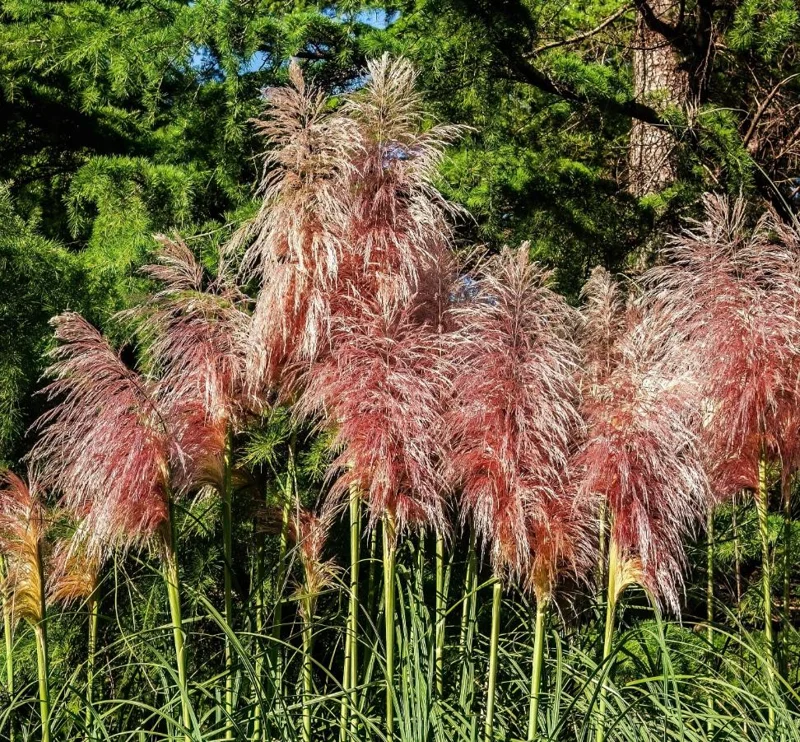
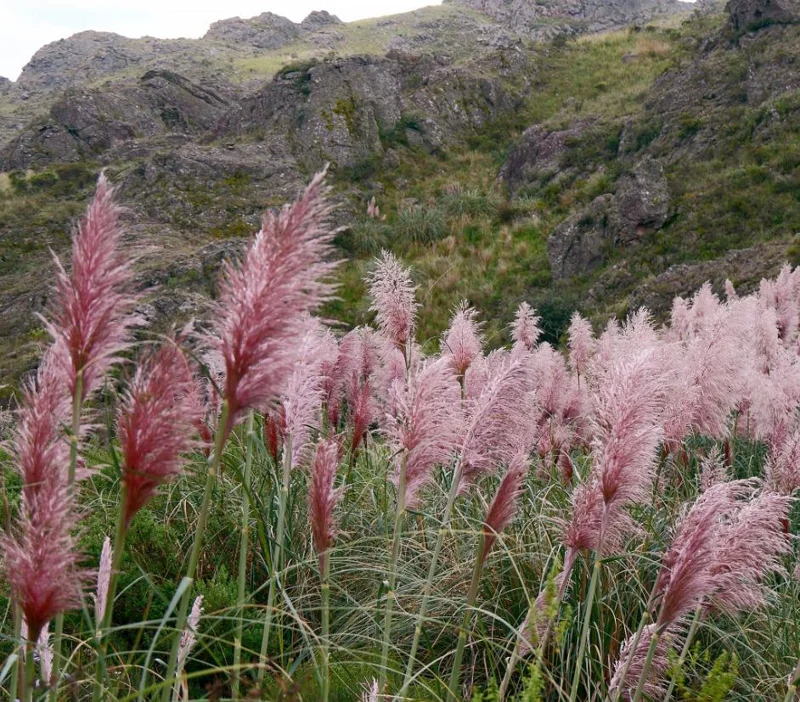
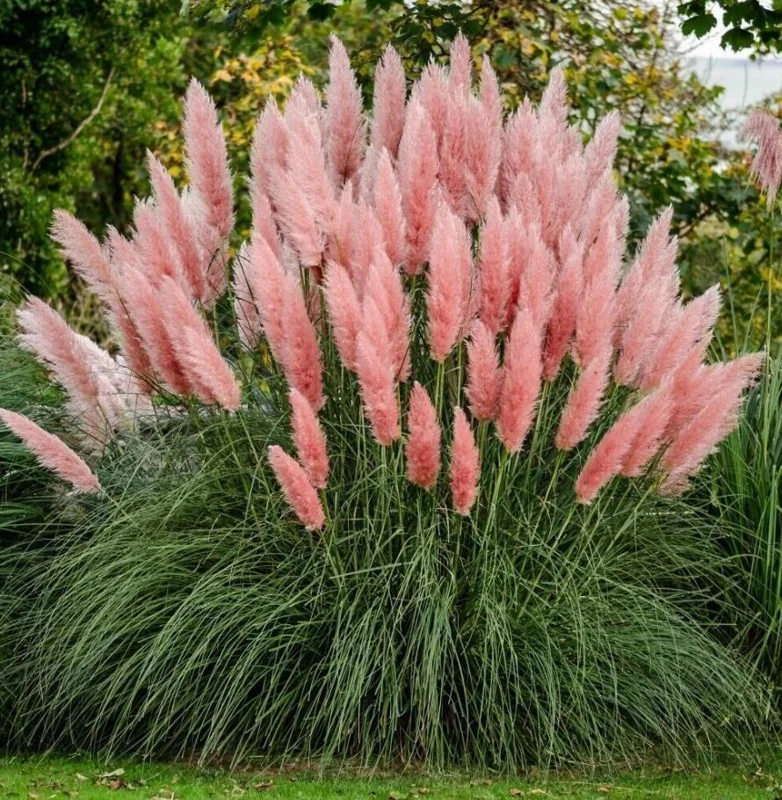
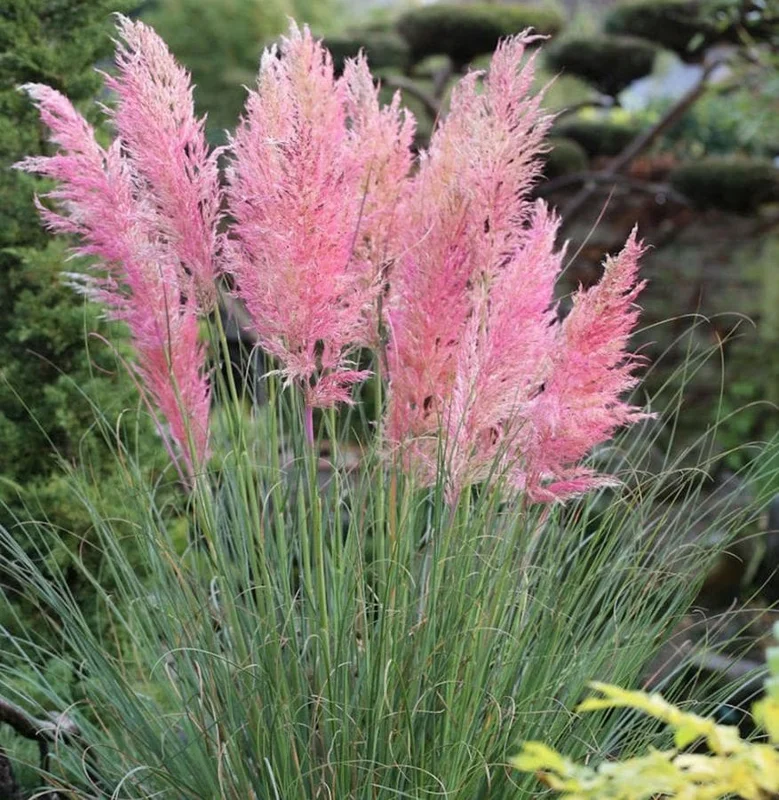
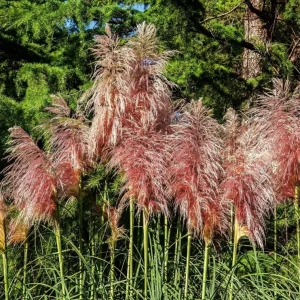
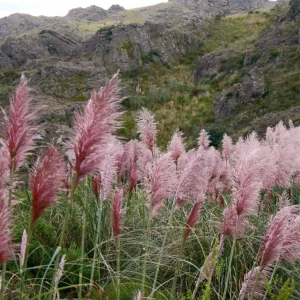
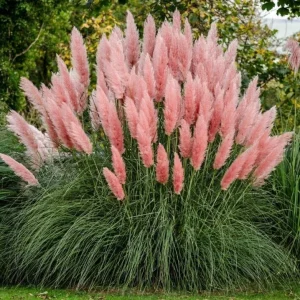
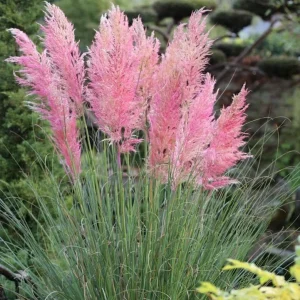
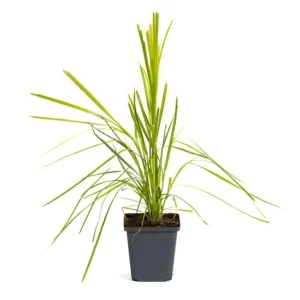
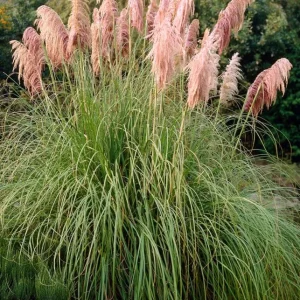
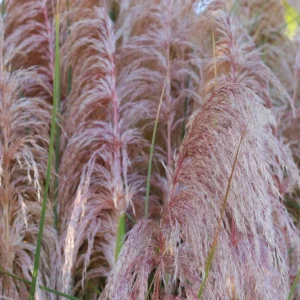
Pink Pampas Grass Plant Cortaderia Selloana Rosea Live Starter 5-9 Inch Tall Outdoor Ornamental Grass
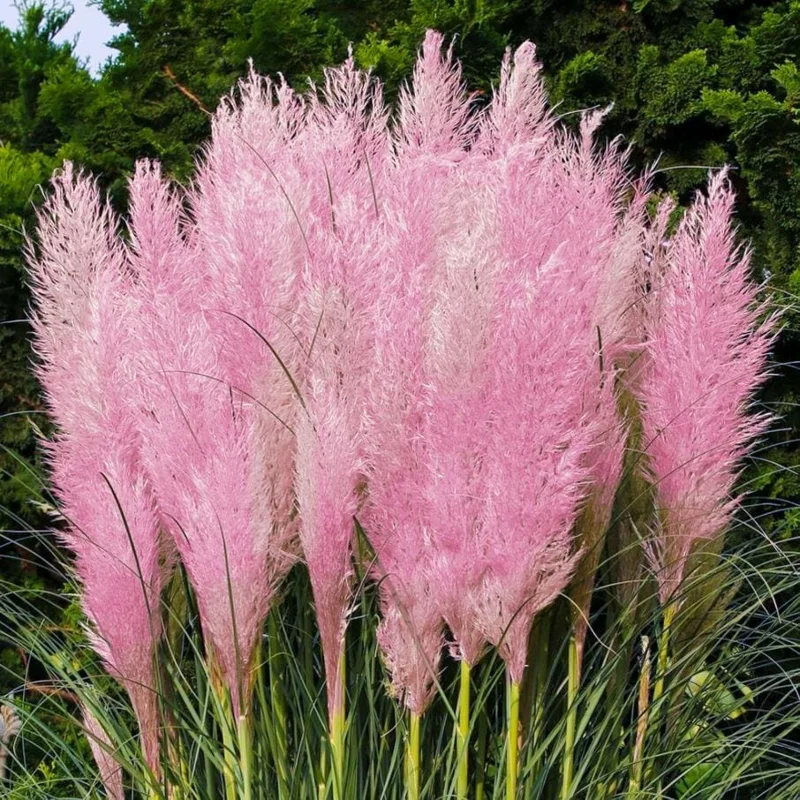
Introduce elegance to your landscape with this pink pampas grass plant, a beautiful Cortaderia Selloana Rosea live starter. Known for its striking feathery pink plumes and robust growth, this ornamental grass perennial is perfect for adding dramatic visual interest, privacy, and texture to outdoor spaces. It’s a low-maintenance, drought-tolerant hardy grass seedling that thrives in full sun.
Original price was: $48.99.$28.99Current price is: $28.99.

With our Alive & Thrive Guarantee, we’ve got your back for the first 30 days! If you have any concerns about your plants, just reach out to us. Our team is here to help answer your questions and guide you in selecting the best plants for your garden, climate, and unique preferences. We're excited to help you create the garden of your dreams!
Estimated arrival
Apr 01
Apr 06 - Apr 08
Apr 11 - Apr 15
Product Details
-
USDA Hardiness Zone
USDA zones 7-11 (sometimes zone 6 with protection) -
Soil type
Well-draining soil (sandy, loamy, or clay) -
Sunlight Exposure
Full sun to partial sun (at least 6-8 hours direct sun) -
Expected Planting Period
Spring to early summer
Overview
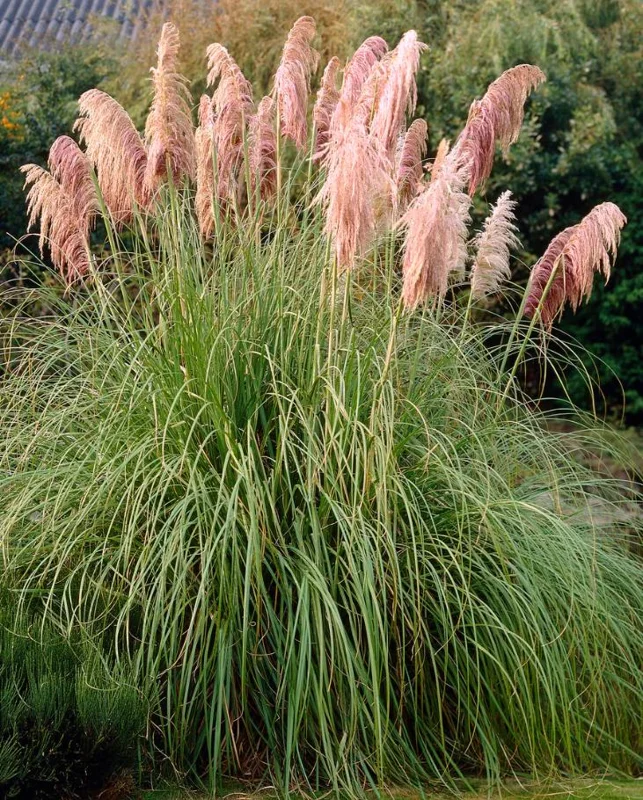
Introduce a touch of elegance and drama to your garden with the stunning pink pampas grass plant. This vibrant variety, scientifically known as Cortaderia Selloana Rosea, is a highly sought-after ornamental grass prized for its unmistakable feathery pink plumes. As a live starter plant, it provides a head start to cultivating a magnificent display in your outdoor space. Known for its robust nature and impressive size, the pink pampas grass plant quickly establishes itself, offering a dynamic architectural element to any landscape. It’s an excellent choice for gardeners looking for a low-maintenance yet high-impact perennial that brings color and texture throughout the seasons.
Originating from South America, pampas grass has become a popular choice worldwide for its adaptability and visual appeal. This specific ‘Rosea’ cultivar stands out with its softer, more delicate pink hue, making it a favorite for contemporary and traditional garden designs alike. Whether used as a specimen plant, in mass plantings, or to create natural screens, this ornamental grass perennial promises to be a captivating addition to your home and garden.
Key Benefits
Adding a pink pampas grass plant to your garden offers numerous advantages, from aesthetic appeal to ease of care. This versatile ornamental grass provides a unique blend of beauty and resilience that can transform any outdoor area into a picturesque retreat, making growing pampas grass a rewarding experience.
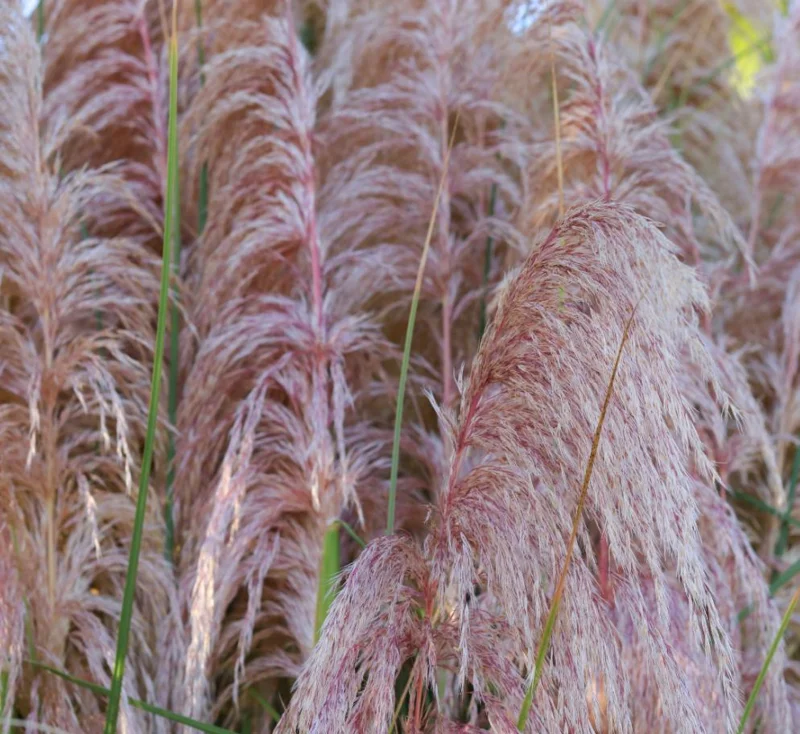
- Stunning Visual Impact: The most striking feature of the pink pampas grass plant is its magnificent feathery pink plumes. These soft, flowing plumes emerge in late summer and autumn, creating a spectacular visual display that can reach impressive heights, adding vertical interest and a romantic touch to your landscape. They sway gracefully in the breeze, providing dynamic movement.
- Hardy and Resilient: As a hardy ornamental grass perennial, this plant is incredibly robust and can tolerate a wide range of growing conditions once established. It’s known for its ability to thrive even in challenging environments, making it a reliable choice for various climates and soil types.
- Low Maintenance: Once established, growing pampas grass requires minimal attention. It is drought-tolerant and generally pest and disease resistant, freeing up your time to enjoy its beauty rather than constantly tending to it. Annual pruning is typically the most significant care requirement.
- Excellent for Privacy and Screening: Due to its large size and dense growth habit, the Cortaderia Selloana Rosea is an ideal choice for creating natural privacy screens or windbreaks. It can quickly grow to form an imposing barrier, offering seclusion and protection from the elements.
- Architectural Interest: The bold form and texture of the pink pampas grass plant provide significant architectural interest in the garden. Its strong upright growth and cascading plumes make it a focal point, drawing the eye and adding structure to garden beds and borders.
- Erosion Control: Its extensive root system makes pampas grass an effective plant for stabilizing soil and preventing erosion, particularly on slopes or in areas prone to soil runoff.
- Wildlife Habitat: While primarily ornamental, dense clumps of pampas grass can offer shelter and nesting sites for small birds and other garden wildlife.
Plant Care & Growing Tips
Successful growing pampas grass, especially the pink pampas grass plant, involves understanding its basic needs for sunlight, water, and soil. This resilient plant is relatively easy to care for once established, but providing the right conditions from the start will ensure vigorous growth and abundant plumes. The Cortaderia Selloana Rosea thrives in full sun to partial sun. For the best plume production and strongest growth, aim for at least 6-8 hours of direct sunlight per day. While it can tolerate some shade, too little sun may result in fewer and smaller plumes. This plant is known to be hardy in USDA zones 7-11, sometimes even in zone 6 with adequate winter protection. It prefers well-draining soil and is not particular about soil type, adapting well to sandy, loamy, or clay soils, as long as they drain efficiently. Avoid waterlogged conditions, which can lead to root rot. New plants will benefit from deep watering to encourage root establishment, but once mature, rainfall is often sufficient. Established plants are quite drought-tolerant.
Fertilization is generally not heavily required for this ornamental grass perennial. If your soil is poor, a balanced, slow-release fertilizer in early spring can promote healthy growth. Pruning is crucial for maintaining the health and appearance of your hardy grass seedling. In late winter or early spring, before new growth begins, cut back the entire plant to about 6-12 inches from the ground. This helps remove old, dead foliage and encourages fresh, vibrant growth. Always wear gloves and long sleeves when pruning pampas grass, as the leaf blades can be sharp. Keep in mind that pampas grass is highly flammable, so plant it away from structures, outdoor cooking areas, or open flames.
Size & Details
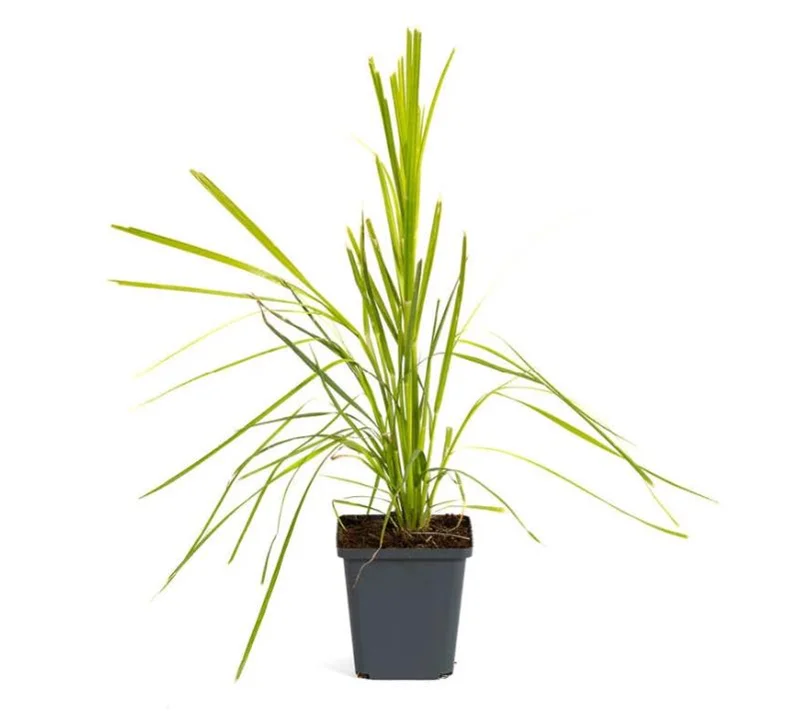
This offering is for a pink pampas grass plant, specifically a Cortaderia Selloana Rosea live starter plant. You will receive a well-rooted, healthy seedling that typically measures 5-9 inches tall at the time of shipment. These starter plants are shipped without a pot to minimize shipping costs and environmental impact, allowing you to plant them directly into your garden or a larger container upon arrival. With proper care, this ornamental grass perennial can grow quite large, reaching mature heights of 6-10 feet with a similar spread. The feathery plumes can extend even higher, adding to its impressive stature. Expect the plant to establish itself quickly and begin producing its characteristic plumes in its second or third year, with full maturity reached within 3-5 years. This hardy grass seedling is an excellent foundation for a striking garden feature.
Frequently Asked Questions
- Q: How big will my pink pampas grass plant get? A: A mature pink pampas grass plant, specifically the Cortaderia Selloana Rosea, can reach impressive heights of 6-10 feet tall with a similar spread. The plumes can extend even higher, creating a very dramatic presence in the landscape.
- Q: How much sunlight does growing pampas grass need? A: For optimal growth and the best plume production, your pink pampas grass plant needs full sun, meaning at least 6-8 hours of direct sunlight per day. It can tolerate partial sun, but flowering may be reduced.
- Q: Is this ornamental grass perennial easy to care for? A: Yes, once established, the pink pampas grass plant is considered very low maintenance. It is drought-tolerant and generally resistant to pests and diseases, making it a great choice for busy gardeners.
- Q: What condition will the hardy grass seedling arrive in? A: Your hardy grass seedling will arrive as a well-rooted starter plant, typically 5-9 inches tall, shipped without a pot. It will be carefully packaged to ensure its health during transit.
- Q: When is the best time to plant my pink pampas grass plant? A: The best time to plant your pink pampas grass plant is in spring or early summer after the last frost, allowing it ample time to establish its root system before winter.
- Q: Will this hardy ornamental grass perennial survive winter in my zone? A: Cortaderia Selloana Rosea is generally hardy in USDA Zones 7-11. In colder parts of Zone 6, it may need winter protection to ensure survival.
- Q: Does growing pampas grass require special soil? A: The pink pampas grass plant is not particular about soil type, but it absolutely requires well-draining soil. It tolerates sandy, loamy, or clay soils as long as they do not retain excessive moisture.
Related products
-50%
From Original price was: $87.60.$43.80Current price is: $43.80.
-20%
Original price was: $19.98.$15.98Current price is: $15.98.
-20%


Original price was: $31.98.$25.58Current price is: $25.58.
-20%
Original price was: $190.00.$152.00Current price is: $152.00.
-20%
Original price was: $40.00.$32.00Current price is: $32.00.
-20%
Original price was: $27.98.$22.38Current price is: $22.38.
-20%
Original price was: $80.00.$64.00Current price is: $64.00.
-20%
Original price was: $76.00.$60.80Current price is: $60.80.
PLANTING & CARE
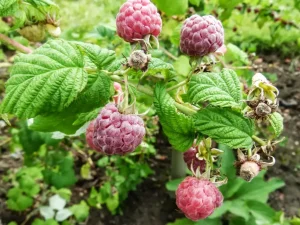
Growing Glencoe Raspberry: A Complete Guide for Gardeners
If you’re looking to add something unique to your garden, look no further than the
31
Mar
Mar

The Comprehensive Guide to Growing Bay Leaf Plants for a Flavorful Garden
Imagine stepping into your garden, greeted by the earthy aroma of fresh bay leaves, their
09
Feb
Feb

How to Make Comfrey Tea: The Ultimate Organic Plant Food
Growing an organic garden can be surprisingly expensive, especially when most store-bought fertilizers come in
02
Feb
Feb

True Comfrey: 7 Essential Tips Before You Plant This Herb
A staple in permaculture practices across the US, True Comfrey easily earns its reputation as
27
Jan
Jan

7 Heart-Shaped Plants for a Lasting Valentine’s Gift
If you’ve ever bought a bouquet of roses for Valentine’s Day, you know they are
26
Jan
Jan

Best Types of Ivy Plant for Houses: How to Choose the Perfect Ones for Your Home
Are you a garden lover looking to introduce some greenery into your home? Maybe you’ve
14
Nov
Nov

When to Harvest Garlic (Especially Fall-Planted Garlic)
TIMING IS EVERYTHING, they say – and for garlic, that truth hits with surprising accuracy.
13
Nov
Nov

11 of the Best Sweet Potato Varieties to Grow for Your Garden
If you’ve ever tried growing sweet potatoes, you know that picking the right variety can
12
Nov
Nov