Chestnut Tree Live Plant, 2 Feet Tall, 1 Year Old, Hardy, Outdoor
-50%
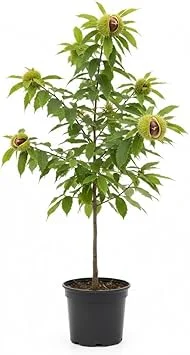
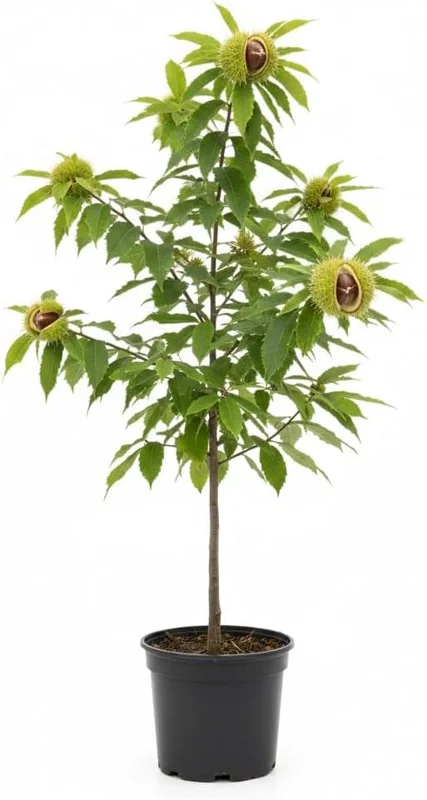
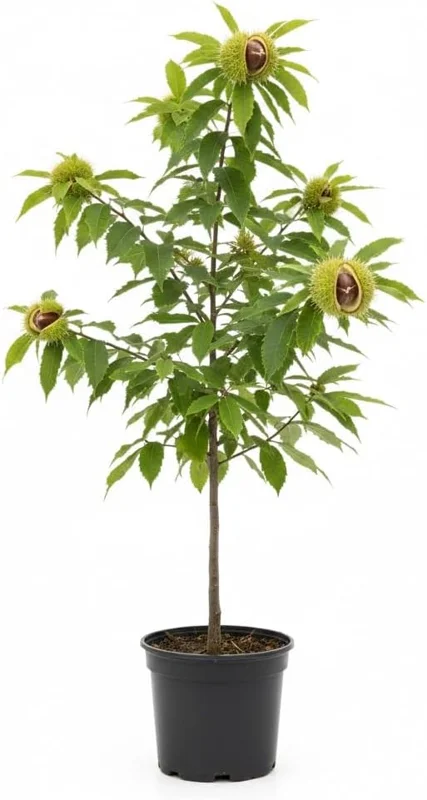
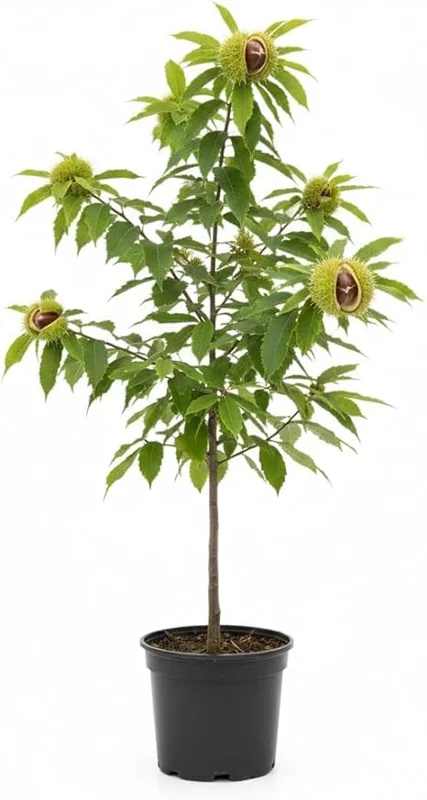
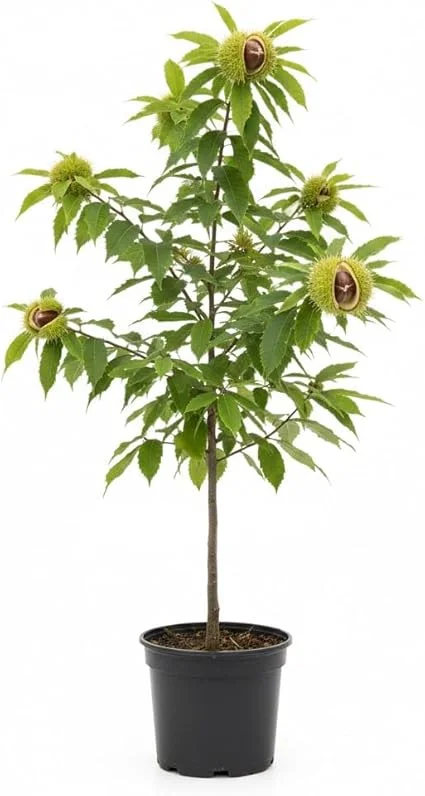
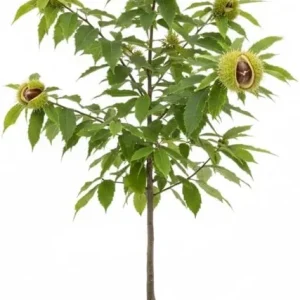
Chestnut Tree Live Plant, 2 Feet Tall, 1 Year Old, Hardy, Outdoor
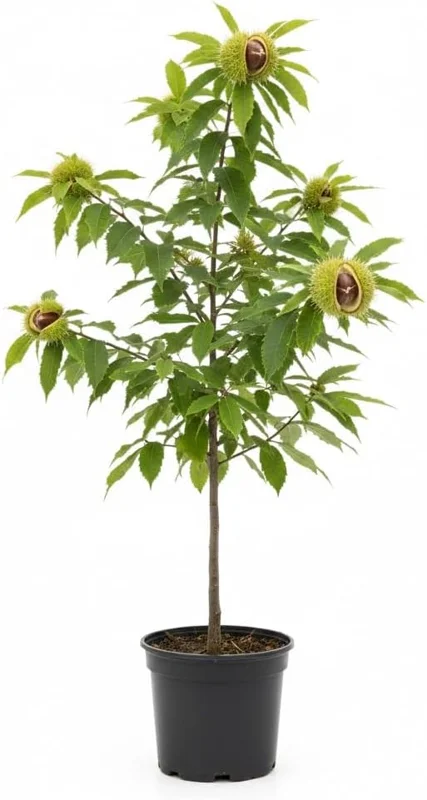
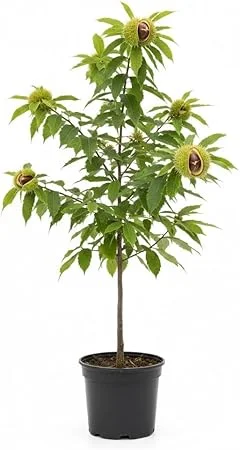
Cultivate your own edible nuts with this chestnut tree live plant. This 2-foot tall, 1-year-old tree is fast-growing and hardy, designed for outdoor gardens. It thrives in full sun and is suitable for USDA Zones 4-9, making it an excellent addition for both novice and experienced gardeners seeking a productive nut-bearing tree.
Original price was: $59.98.$29.99Current price is: $29.99.

With our Alive & Thrive Guarantee, we’ve got your back for the first 30 days! If you have any concerns about your plants, just reach out to us. Our team is here to help answer your questions and guide you in selecting the best plants for your garden, climate, and unique preferences. We're excited to help you create the garden of your dreams!
Estimated arrival
Mar 31
Apr 05 - Apr 07
Apr 10 - Apr 14
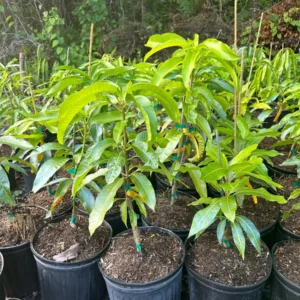
Product Details
-
USDA Hardiness Zone
4-9 -
Soil type
Well-draining, loamy soil -
Sunlight Exposure
Full Sun -
Expected Planting Period
Early spring or fall
Overview
Discover the joy of growing your own delicious nuts with this exceptional chestnut tree live plant. This 1-year-old specimen, standing approximately 2 feet tall, is ready to establish itself in your garden. Known for its rapid growth and robust nature, the chestnut tree is a fantastic choice for home orchards, large gardens, or as a distinctive landscaping tree. These trees are celebrated for their ability to produce edible nuts within just 3-5 years of planting, offering a rewarding harvest for years to come. Our chestnut tree live plant is carefully nurtured to ensure it arrives healthy and ready to thrive, providing you with a strong foundation for a productive and beautiful addition to your outdoor space. Enjoy the benefits of a native, hardy tree that contributes to local ecosystems while providing a bountiful crop.
The European chestnut (Castanea sativa) and American chestnut (Castanea dentata) are well-known species, and this particular offering brings the resilience and productivity associated with these beloved trees to your home. With proper care, your chestnut tree live plant will develop into a magnificent, nut-bearing specimen that enhances the beauty and bounty of your property.
Key Benefits
Investing in a chestnut tree offers numerous advantages, from its aesthetic appeal to its practical yield. This particular chestnut tree live plant provides several key benefits for any gardener:
- Rapid Nut Production: Begin harvesting tasty, edible nuts in as little as 3-5 years after planting, providing a consistent and rewarding yield for many seasons.
- Hardy and Adaptable: This robust tree is highly adaptable to various soil conditions and climates, making it a reliable choice for a wide range of growing environments. It’s a truly hardy nut tree.
- Low Maintenance: Once established, chestnut trees require minimal ongoing care, making them suitable for both experienced gardeners and those new to tree cultivation.
- Fast-Growing Specimen: Enjoy a quickly maturing tree that adds significant height and presence to your landscape in a relatively short period, contributing to an established garden aesthetic.
- Ecological Value: Chestnut trees provide valuable food and habitat for local wildlife, supporting biodiversity in your garden and surrounding area.
- Beautiful Landscaping Feature: With its attractive foliage and stately presence, a chestnut tree serves as an impressive focal point or a valuable component of a larger landscape design.
- Winter Dormant: The tree naturally enters a dormant state in winter, conserving energy and preparing for vigorous spring growth, which is a key characteristic of a resilient, growing chestnut tree.
Plant Care & Growing Tips
Caring for your chestnut tree live plant is straightforward, ensuring a healthy and productive future. These trees thrive in full sun exposure, requiring at least 6-8 hours of direct sunlight daily to produce abundant nuts. Choose a planting location that receives ample light throughout the day. When it comes to watering, chestnut trees prefer moderate moisture. During the first few years after planting, especially in dry periods, ensure the soil remains consistently moist but not waterlogged. Once established, they become more drought-tolerant, but regular watering during dry spells will promote better growth and nut production.
The ideal soil for a chestnut tree live plant is well-draining, loamy soil with a slightly acidic to neutral pH. Avoid heavy clay soils that retain too much water, as this can lead to root rot. Good drainage is crucial for the health of your tree. These trees are hardy and adaptable, thriving in USDA Hardiness Zones 4-9. This wide range makes them suitable for many temperate climates with cold winters and moderate summers. Fertilization can be done in early spring with a balanced, slow-release fertilizer designed for trees and shrubs. Follow package instructions carefully to avoid over-fertilization. Pruning should focus on removing dead, damaged, or crossing branches to maintain good air circulation and tree structure. Common problems are rare for established trees, but monitoring for pests and diseases, and addressing them promptly, will ensure your tree remains vigorous. Understanding chestnut tree care is key to a thriving plant.
Size & Details
This offering is for a single chestnut tree live plant, which is approximately 1 year old and stands about 2 feet tall at the time of shipment. This size makes it an ideal starter tree, ready to be transplanted and establish quickly in your garden. The tree is shipped in a dormant state during cooler months to ensure successful transplanting and reduce stress. Once planted, these trees are known for their fast-growing nature, rapidly increasing in size each year. Expect the tree to reach a mature height of 30-50 feet over many years, with a spread of 20-30 feet, making it suitable for larger gardens or as a prominent landscaping tree. The tree will begin producing nuts within 3-5 years, with yields increasing as the tree matures. This 2 foot chestnut tree is a robust foundation for a long-lasting and productive addition to your landscape.
Frequently Asked Questions
- Q: How big does this chestnut tree get? A: This chestnut tree live plant is approximately 2 feet tall when shipped. At maturity, it can reach heights of 30-50 feet with a spread of 20-30 feet, depending on growing conditions and specific variety.
- Q: Is this an indoor or outdoor plant? A: This is an outdoor tree. Chestnut trees require full sun and a period of winter dormancy, making them unsuitable for indoor cultivation.
- Q: How much sunlight does a chestnut tree need? A: A chestnut tree live plant thrives in full sun, requiring a minimum of 6-8 hours of direct sunlight per day to ensure optimal growth and nut production.
- Q: Is this plant easy to care for? A: Yes, once established, chestnut trees are considered relatively easy to care for. They are hardy and adaptable, making them suitable for gardeners of all experience levels, especially when following basic chestnut tree care guidelines.
- Q: What condition will the chestnut tree arrive in? A: Your chestnut tree live plant will arrive carefully packaged, typically in a dormant state if ordered during cooler months, ensuring it’s healthy and ready for planting. We take great care in preparing our trees for shipment.
- Q: When is the best time to plant a chestnut tree? A: The best time to plant a growing chestnut tree is in early spring or fall, after the last frost or before the first hard frost, respectively. This allows the tree to establish its root system before extreme temperatures.
- Q: Will it survive winter in my zone? A: This hardy nut tree is suitable for USDA Hardiness Zones 4-9. If your region falls within these zones, it is expected to survive winter conditions and thrive.
- Q: What kind of soil is best for a chestnut tree? A: Chestnut trees prefer well-draining, slightly acidic to neutral loamy soil. Good drainage is crucial to prevent root issues, so avoid heavy clay soils that retain too much moisture.
- Q: How long until I get nuts from my chestnut tree? A: Under ideal growing conditions, you can expect your chestnut tree live plant to begin producing edible nuts in approximately 3-5 years after planting. Production will increase as the tree matures.
- Q: What is the recommended watering for this tree? A: Young chestnut trees require moderate watering, keeping the soil consistently moist but not waterlogged. Established trees are more drought-tolerant but benefit from watering during prolonged dry periods.
Related products
-20%
Original price was: $90.00.$72.00Current price is: $72.00.
-10%
Original price was: $80.99.$72.89Current price is: $72.89.
PLANTING & CARE

Growing Glencoe Raspberry: A Complete Guide for Gardeners
If you’re looking to add something unique to your garden, look no further than the
31
Mar
Mar

The Comprehensive Guide to Growing Bay Leaf Plants for a Flavorful Garden
Imagine stepping into your garden, greeted by the earthy aroma of fresh bay leaves, their
09
Feb
Feb

How to Make Comfrey Tea: The Ultimate Organic Plant Food
Growing an organic garden can be surprisingly expensive, especially when most store-bought fertilizers come in
02
Feb
Feb

True Comfrey: 7 Essential Tips Before You Plant This Herb
A staple in permaculture practices across the US, True Comfrey easily earns its reputation as
27
Jan
Jan

7 Heart-Shaped Plants for a Lasting Valentine’s Gift
If you’ve ever bought a bouquet of roses for Valentine’s Day, you know they are
26
Jan
Jan

Best Types of Ivy Plant for Houses: How to Choose the Perfect Ones for Your Home
Are you a garden lover looking to introduce some greenery into your home? Maybe you’ve
14
Nov
Nov

When to Harvest Garlic (Especially Fall-Planted Garlic)
TIMING IS EVERYTHING, they say – and for garlic, that truth hits with surprising accuracy.
13
Nov
Nov

11 of the Best Sweet Potato Varieties to Grow for Your Garden
If you’ve ever tried growing sweet potatoes, you know that picking the right variety can
12
Nov
Nov