Catnip Live Plant – 3-Pack 3-6″ Tall Herb Mint Starter Plants – Outdoor
-50%
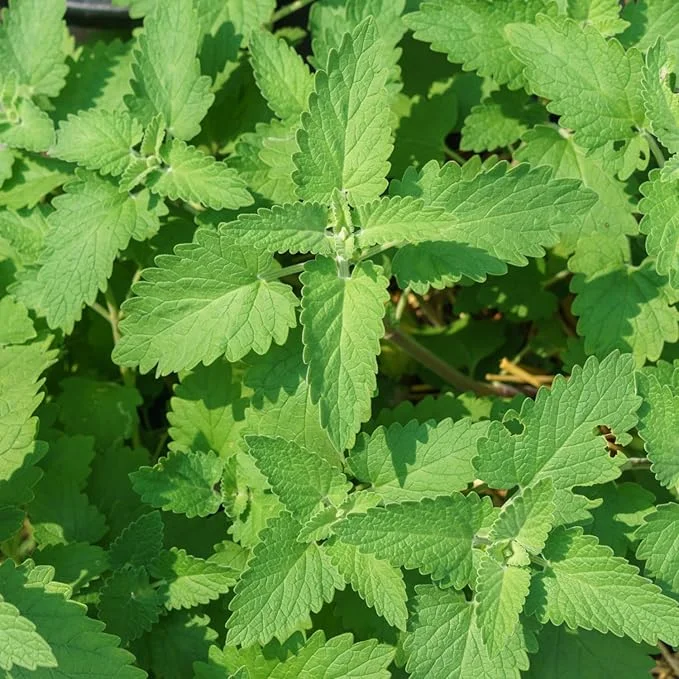
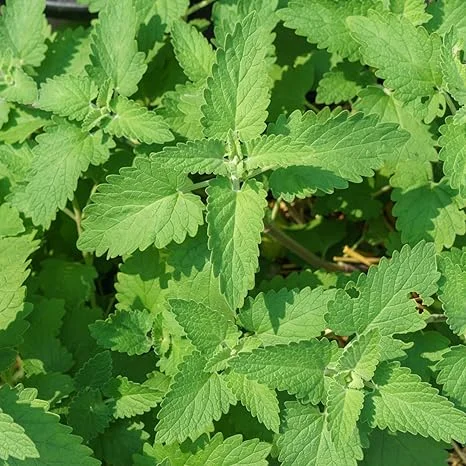
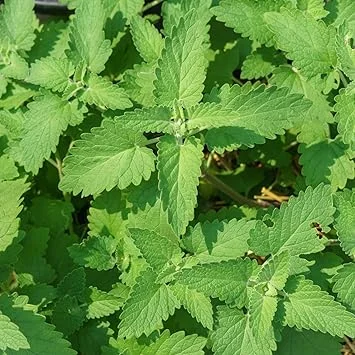
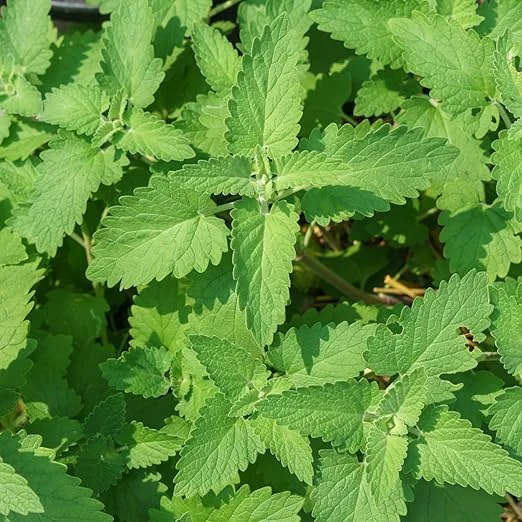
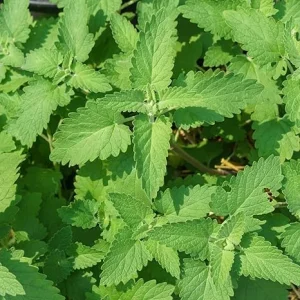
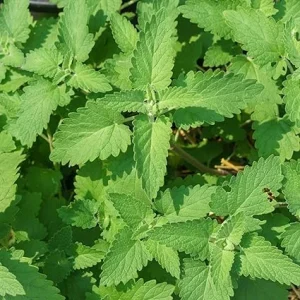
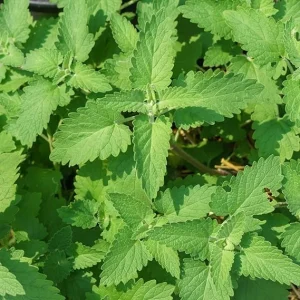
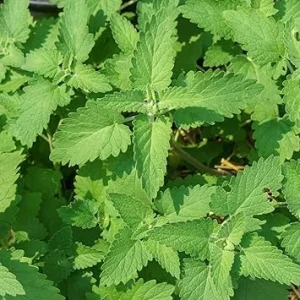
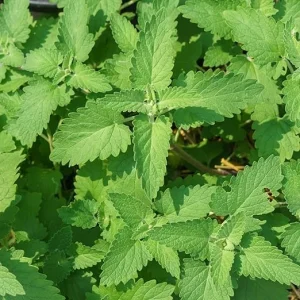
Catnip Live Plant – 3-Pack 3-6″ Tall Herb Mint Starter Plants – Outdoor
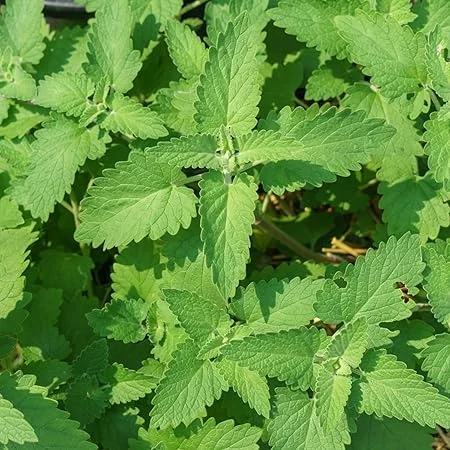
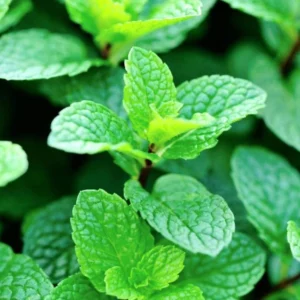
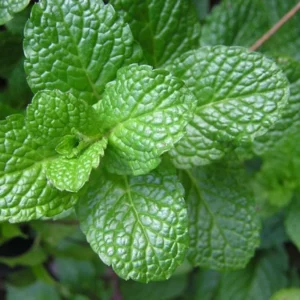
Introduce the joy of fresh catnip live plant to your garden with this convenient 3-pack of well-rooted starter plants. Perfect for attracting feline friends and adding a fragrant, low-maintenance herb to your outdoor space. These 3-6 inch tall plants are ready for planting.
Original price was: $45.98.$22.99Current price is: $22.99.

With our Alive & Thrive Guarantee, we’ve got your back for the first 30 days! If you have any concerns about your plants, just reach out to us. Our team is here to help answer your questions and guide you in selecting the best plants for your garden, climate, and unique preferences. We're excited to help you create the garden of your dreams!
Estimated arrival
Apr 18
Apr 23 - Apr 25
Apr 28 - May 02
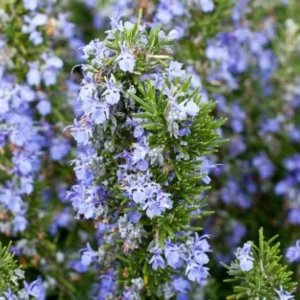
Product Details
-
USDA Hardiness Zone
3-9 -
Soil type
Well-drained soil -
Sunlight Exposure
Full sun to partial shade -
Expected Planting Period
Spring
Overview
Bring the delightful allure of fresh herbs to your garden with this 3-pack of catnip live plant starters. Known for its appealing fragrance and stimulating effect on cats, Nepeta cataria, commonly known as catnip or catmint, is a popular perennial herb for both pet owners and gardeners. These well-rooted starter plants, typically 3-6 inches tall, are ready to be transplanted directly into your garden, raised beds, or containers. Growing catnip is a rewarding experience, as this hardy plant thrives with minimal care, making it an excellent choice for beginner gardeners and seasoned enthusiasts alike. Enjoy a continuous supply of fresh leaves throughout the growing season, perfect for your feline companions or for use in herbal remedies.
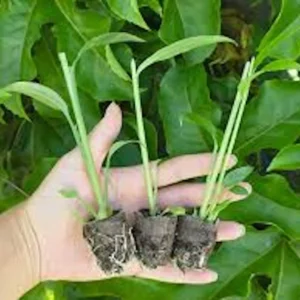
Our catnip live plant offers a robust start to cultivating this versatile herb. Each pack contains three healthy, established starter plants, ensuring a higher success rate for your gardening efforts. The plants are shipped without pots but come with ample soil around their roots, ready for their new home. Expect vibrant green foliage and a vigorous growth habit that will quickly fill out your chosen planting area, providing beauty and functionality to your outdoor space.
Key Benefits
Cultivating catnip live plant in your garden offers a multitude of advantages, from its aesthetic appeal to its practical uses:
- Attracts Pollinators: Beyond its appeal to cats, catnip flowers are known to attract beneficial pollinators like bees and butterflies, contributing to a healthier garden ecosystem.
- Natural Pest Repellent: The strong scent of catnip can help deter certain garden pests, offering a natural and organic pest control solution for neighboring plants.
- Low Maintenance Herb: This hardy perennial requires minimal care once established, making it an ideal choice for busy gardeners or those new to herb cultivation. It tolerates a range of conditions and is quite forgiving.
- Vigorous Growth: Known for its fast-growing nature, catnip live plant quickly establishes itself and produces abundant fragrant foliage throughout the spring and summer months.
- Versatile Use: While famously loved by cats, catnip can also be used in herbal teas for humans, known for its calming properties, or simply enjoyed for its pleasant minty aroma in the garden.
- Drought Tolerant: Once mature, catnip exhibits good drought tolerance, reducing the need for frequent watering, especially in established gardens.
- Hardy Perennial: As a perennial, catnip returns year after year, providing a consistent source of fresh leaves without the need for replanting annually. This also makes catnip mint herb a sustainable choice.
Plant Care & Growing Tips
Caring for your catnip live plant is straightforward, ensuring a thriving and productive herb patch. Catnip is notably resilient and adaptable, making catnip plant care relatively easy. For optimal growth, these plants prefer full sun to partial shade, meaning they should receive at least 6 hours of direct sunlight daily, though they can tolerate some afternoon shade in hotter climates. Adequate sunlight promotes vigorous growth and a stronger fragrance.
When it comes to watering, catnip prefers moderate moisture. Water regularly after planting to help establish the root system. Once established, it becomes quite drought-tolerant, but consistent watering during dry spells will encourage better foliage production. Ensure the soil is well-drained to prevent root rot; soggy conditions are detrimental to catnip. A good quality, well-draining garden soil enriched with some organic matter is ideal. The plants are hardy across USDA Zones 3-9, indicating their ability to withstand a wide range of temperatures. They can become dormant in winter with fewer leaves in colder zones but will regrow vigorously in spring. Fertilization is generally not heavily required; a light application of a balanced organic fertilizer in spring can suffice if your soil is poor. Watch out for overwatering, which is the most common issue. Proper air circulation also helps prevent fungal diseases. Understanding growing catnip basics will ensure a lush, healthy patch.
Size & Details
This offering includes a 3-pack of catnip starter plants, each approximately 3-6 inches tall at the time of shipment. These are well-rooted, young plants, carefully prepared for transplanting into your garden or containers. They are shipped without pots, with their root balls carefully wrapped to maintain moisture during transit. Catnip is a fast-growing perennial herb that can reach a mature size of 24-36 inches tall and 18-24 inches wide. Its rapid growth rate means you’ll soon have a substantial patch of fragrant foliage. Expected planting period is typically in the spring, allowing the plants to establish before the peak growing season. These plants are suitable for various gardening setups, including pots, raised beds, and traditional backyard gardens, providing flexibility for your planting needs.
Frequently Asked Questions
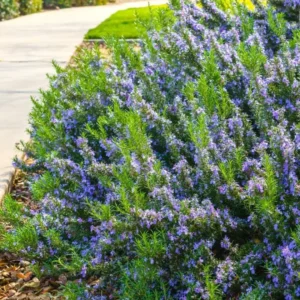
- Q: How big does this plant get? A: Your catnip live plant can typically grow to a mature size of 24-36 inches tall and 18-24 inches wide, forming a bushy, fragrant mound in your garden.
- Q: Is this an indoor or outdoor plant? A: Catnip is primarily an outdoor plant, thriving in garden beds or containers outdoors. While it can be grown indoors with sufficient light, it performs best in an outdoor environment.
- Q: How much sunlight does it need? A: Catnip prefers full sun to partial shade, ideally receiving at least 6 hours of direct sunlight per day. It can tolerate some afternoon shade, especially in warmer climates.
- Q: Is this plant easy to care for? A: Yes, catnip plant care is considered easy. It’s a hardy, low-maintenance perennial herb suitable for beginner gardeners. It tolerates various soil types and is quite drought-tolerant once established.
- Q: What condition will it arrive in? A: Your order will include three well-rooted starter plants, 3-6 inches tall, shipped without pots but with soil around their roots to ensure they arrive healthy and ready for planting.
- Q: Is catnip safe for pets? A: Catnip is generally considered safe for cats and is known for its stimulating effects. However, like with any plant, moderation is key, and individual pet reactions can vary.
- Q: When is the best time to plant? A: The best time for growing catnip is typically in the spring, after the last frost, to allow the plants ample time to establish before the summer heat.
- Q: Will it survive winter in my zone? A: Catnip is hardy in USDA Zones 3-9. In colder zones, it may go dormant in winter with fewer leaves but will typically regrow vigorously in the spring.
- Q: Can I use this catnip for tea? A: Yes, the leaves of the catnip mint herb can be harvested and used to make herbal teas, known for their calming and soothing properties.
- Q: What kind of soil does it need? A: Catnip thrives in well-draining soil. While it’s not overly picky, a good quality garden soil enriched with organic matter will promote healthy growth.
Related products
-67%
Original price was: $75.72.$25.24Current price is: $25.24.
-30%
Original price was: $59.98.$41.98Current price is: $41.98.
-30%
Original price was: $67.98.$47.58Current price is: $47.58.
-67%
Original price was: $39.72.$13.24Current price is: $13.24.
-30%
Original price was: $59.98.$41.98Current price is: $41.98.
-50%
Original price was: $47.96.$23.98Current price is: $23.98.
-10%
Original price was: $75.00.$67.50Current price is: $67.50.
-50%
Original price was: $107.96.$53.98Current price is: $53.98.
PLANTING & CARE
Growing Glencoe Raspberry: A Complete Guide for Gardeners
If you’re looking to add something unique to your garden, look no further than the
31
Mar
Mar

The Comprehensive Guide to Growing Bay Leaf Plants for a Flavorful Garden
Imagine stepping into your garden, greeted by the earthy aroma of fresh bay leaves, their
09
Feb
Feb

How to Make Comfrey Tea: The Ultimate Organic Plant Food
Growing an organic garden can be surprisingly expensive, especially when most store-bought fertilizers come in
02
Feb
Feb

True Comfrey: 7 Essential Tips Before You Plant This Herb
A staple in permaculture practices across the US, True Comfrey easily earns its reputation as
27
Jan
Jan

7 Heart-Shaped Plants for a Lasting Valentine’s Gift
If you’ve ever bought a bouquet of roses for Valentine’s Day, you know they are
26
Jan
Jan

Best Types of Ivy Plant for Houses: How to Choose the Perfect Ones for Your Home
Are you a garden lover looking to introduce some greenery into your home? Maybe you’ve
14
Nov
Nov

When to Harvest Garlic (Especially Fall-Planted Garlic)
TIMING IS EVERYTHING, they say – and for garlic, that truth hits with surprising accuracy.
13
Nov
Nov

11 of the Best Sweet Potato Varieties to Grow for Your Garden
If you’ve ever tried growing sweet potatoes, you know that picking the right variety can
12
Nov
Nov