Red Pride of Barbados Tree Live Plant – 6-10″ Tall Mexican Bird of Paradise Plant in Pot, Outdoor
Red Pride of Barbados Tree Live Plant – 6-10″ Tall Mexican Bird of Paradise Plant in Pot, Outdoor
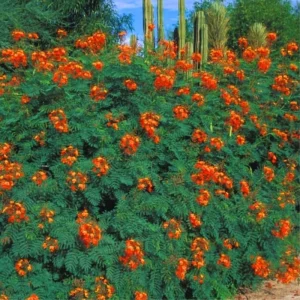
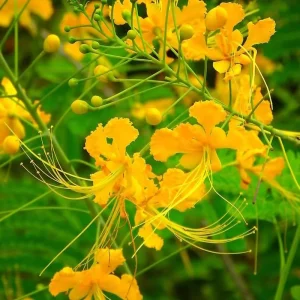
Bring tropical beauty to your garden with a red pride of barbados tree live plant. This vibrant 6-10 inch tall Mexican Bird of Paradise is easy to grow and features stunning red-orange-yellow flowers. Perfect for warm climates and low-maintenance gardening.

With our Alive & Thrive Guarantee, we’ve got your back for the first 30 days! If you have any concerns about your plants, just reach out to us. Our team is here to help answer your questions and guide you in selecting the best plants for your garden, climate, and unique preferences. We're excited to help you create the garden of your dreams!
Estimated arrival
Apr 13
Apr 18 - Apr 20
Apr 23 - Apr 27
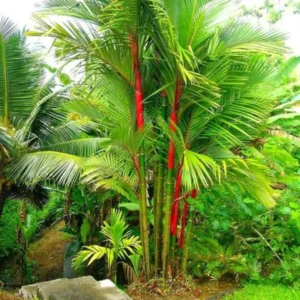
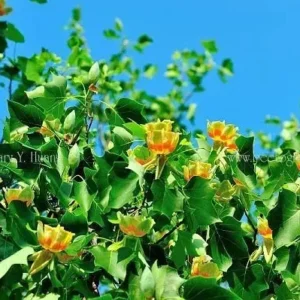
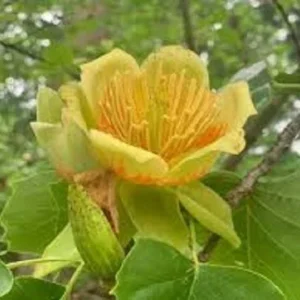
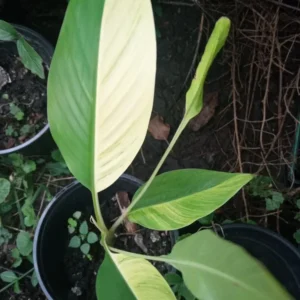
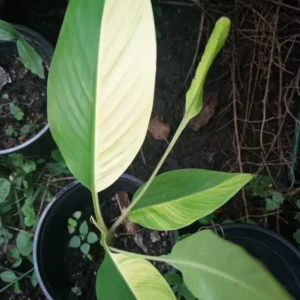
Product Details
-
USDA Hardiness Zone
USDA Zones 9–11 -
Soil type
Well-draining, sandy or loamy soil -
Sunlight Exposure
Full sun -
Expected Planting Period
Spring to early summer
Overview
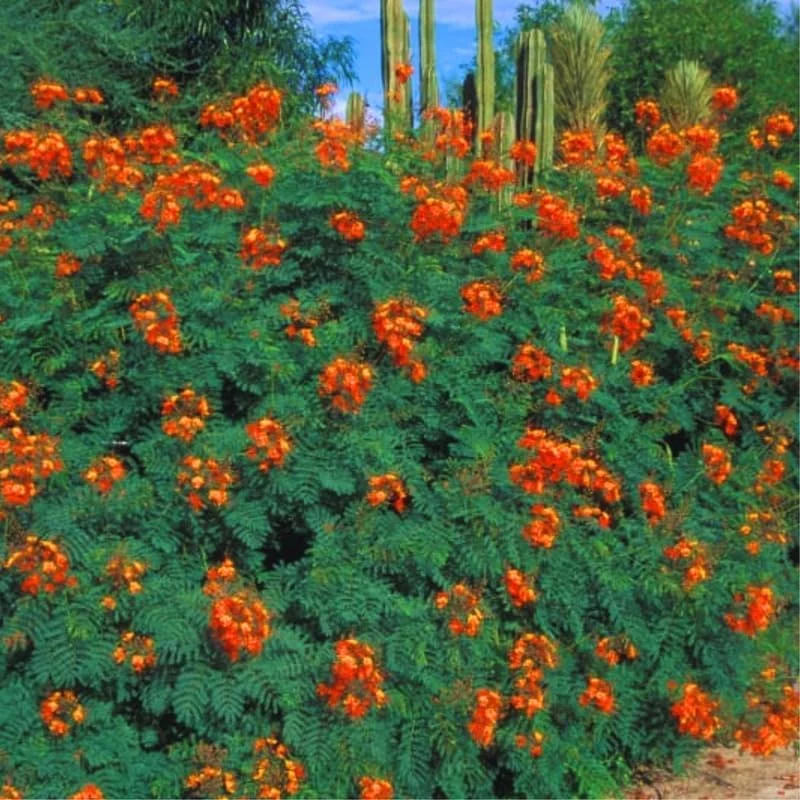
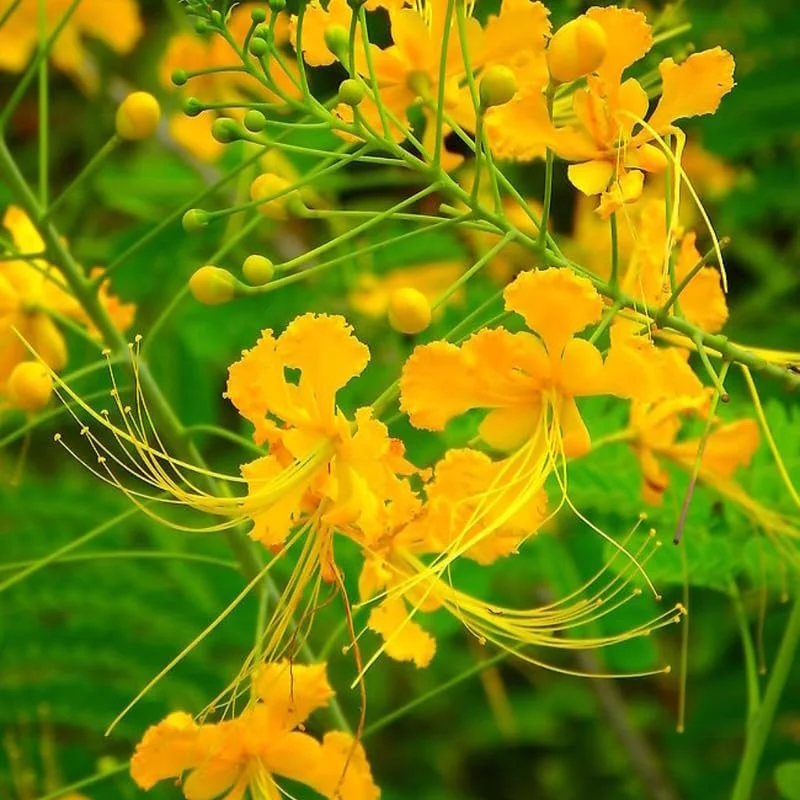
Transform your outdoor space with the breathtaking beauty of the red pride of barbados tree live plant. This exquisite tropical specimen, also known as Mexican Bird of Paradise or Dwarf Poinciana Tree, arrives as a vigorous young plant, typically 6-10 inches tall, ready to thrive in your garden. Celebrated for its spectacular, fiery red, orange, and yellow blossoms, this plant brings an explosion of color and exotic flair. While it goes dormant in winter in cooler zones, it quickly rejuvenates in spring, promising a stunning display of flowers throughout the warmer months. Ideal for those seeking a fast-growing, low-maintenance, and visually impactful addition to their landscape, the red pride of barbados tree live plant is a true showstopper.
The botanical name for this captivating plant is Caesalpinia pulcherrima. It’s a popular choice for xeriscaping and butterfly gardens, attracting hummingbirds and pollinators with its vibrant blooms. Despite its exotic appearance, it’s surprisingly resilient and adaptable, making it suitable for a wide range of gardeners, from beginners to experienced enthusiasts. Its compact size as a dwarf tree or large shrub makes it versatile for various garden designs, from standalone specimens to part of a mixed border.
Key Benefits
The red pride of barbados tree live plant offers numerous advantages for any garden, combining aesthetic appeal with ease of care:
- Stunning Tropical Blooms: Enjoy a continuous display of vibrant red, orange, and yellow flowers that add a dramatic, tropical touch to your landscape. These eye-catching blossoms are sure to be a focal point.
- Attracts Pollinators: The colorful flowers are a magnet for hummingbirds, butterflies, and other beneficial pollinators, bringing life and activity to your garden ecosystem.
- Low Maintenance: This plant is remarkably easy to care for, requiring minimal watering once established and infrequent pruning. It’s an excellent choice for gardeners looking for maximum impact with minimal effort.
- Drought Tolerant: Once mature, the mexican bird of paradise care is simplified by its excellent drought resistance, making it suitable for water-wise gardening and arid climates.
- Fast Growing: Experience rapid growth and enjoy beautiful blooms sooner. This vigorous plant quickly establishes itself and begins to produce its characteristic flowers.
- Versatile Landscaping: Whether used as a specimen plant, in a mixed border, or as a vibrant hedge, the dwarf poinciana tree adapts well to various garden designs and sizes.
- Heat Loving: Thrives in hot, sunny environments, making it perfect for sunny spots in tropical and subtropical gardens where other plants might struggle. It truly loves the warmth.
Plant Care & Growing Tips
Caring for your red pride of barbados tree live plant is relatively straightforward, ensuring a dazzling display of color with proper attention. This plant thrives in full sun, meaning it needs at least 6-8 hours of direct sunlight per day. In extremely hot climates, some afternoon shade can be beneficial to prevent scorching, but generally, the more sun it gets, the more prolific its blooms will be. It’s well-suited for outdoor planting in USDA Zones 9-11, where it can remain evergreen or semi-evergreen. In cooler zones, it will go dormant and can be grown as an annual or brought indoors during winter.
When it comes to watering, the mexican bird of paradise care regimen emphasizes well-drained soil. Water regularly after planting to help establish the root system. Once established, it becomes quite drought tolerant, requiring less frequent watering. Allow the top few inches of soil to dry out between waterings to prevent root rot. A sandy or loamy soil mix with good drainage is ideal. Fertilize sparingly; a balanced, slow-release fertilizer in spring is usually sufficient to support its vigorous growth and flowering. Pruning can be done in late winter or early spring to shape the plant and remove any dead or leggy branches, encouraging a bushier form and more blooms. Watch out for common pests like aphids, which can be managed with insecticidal soap.
This tropical flowering plants specimen is known for its resilience. Even if it dies back to the ground in colder winters, it often resprouts from the roots when warmer temperatures return. For those in borderline zones, mulching heavily around the base can provide extra winter protection. The fast-growing nature of this plant means you won’t have to wait long to enjoy its spectacular blooms. Understanding how to provide optimal conditions will ensure your red bird of paradise plant flourishes.
Size & Details
This offering is for one red pride of barbados tree live plant, typically ranging from 6 to 10 inches in height when shipped. It arrives potted, ensuring a healthy root system and minimal transplant shock. These young plants are ready for immediate planting in your garden or a larger container. The Red Pride of Barbados grows at a fast rate, quickly developing into a substantial shrub or small tree, reaching mature heights of 6-10 feet with a similar spread, depending on climate and growing conditions. Its ultimate size makes it suitable for a variety of landscape applications, providing significant visual impact.
Expect your plant to begin flowering within its first or second year, especially with proper care and adequate sunlight. While dormant in winter in some regions, its vigorous regrowth in spring promises a long season of vibrant blooms. The plant is sold individually, allowing you to choose the exact number needed for your landscaping project. Each plant is carefully selected and packaged to ensure it arrives in the best possible condition, ready to bring tropical elegance to your home.
Frequently Asked Questions
- Q: How big does this red pride of barbados tree live plant get? A: The Red Pride of Barbados typically grows to a height of 6-10 feet and can spread similarly, forming a large shrub or small tree, depending on your climate and pruning habits. Its size makes it a striking addition to any garden.
- Q: Is this an indoor or outdoor plant? A: This is primarily an outdoor plant, thriving in full sun in USDA Zones 9-11. In colder zones, it can be grown as an annual or overwintered indoors as a potted plant, though it will go dormant.
- Q: How much sunlight does the mexican bird of paradise care require? A: It requires full sun, meaning at least 6-8 hours of direct sunlight daily, to produce the most abundant and vibrant blooms. It is a true sun-lover among tropical flowering plants.
- Q: Is this plant easy to care for? A: Yes, the Red Pride of Barbados is considered low-maintenance. Once established, it is drought-tolerant and requires minimal pruning, making it ideal for beginners and busy gardeners alike.
- Q: What condition will it arrive in? A: Your dwarf poinciana tree will arrive as a healthy, live plant, typically 6-10 inches tall, in a pot with soil, carefully packaged to ensure its safe journey to your home.
- Q: How long until it blooms? A: With good care, your plant can start producing its beautiful red-orange-yellow flowers within its first or second year after planting, offering a spectacular show throughout the warm season.
- Q: Will it survive winter in my zone? A: The red bird of paradise plant is hardy in USDA Zones 9-11. In colder zones, it will likely die back to the ground in winter but often regrows from the roots in spring. For best results, protect it or bring it indoors in colder climates.
- Q: What type of soil does it prefer? A: It prefers well-draining soil, such as sandy or loamy mixes. Good drainage is crucial to prevent root issues, especially during establishment.
- Q: Is this plant known by other names? A: Yes, it is commonly known as Mexican Bird of Paradise, Dwarf Poinciana, Peacock Flower, and Flamboyant-de-Jardin, all referring to the same beautiful Caesalpinia pulcherrima.
- Q: How often should I water this plant after it’s established? A: Once established, water sparingly. Allow the soil to dry out completely between waterings. It is quite drought-tolerant and does not like consistently wet feet.
| Color | Red, Yellow |
|---|
Related products
-10%
Original price was: $36.99.$33.29Current price is: $33.29.
PLANTING & CARE

Growing Glencoe Raspberry: A Complete Guide for Gardeners
If you’re looking to add something unique to your garden, look no further than the
31
Mar
Mar

The Comprehensive Guide to Growing Bay Leaf Plants for a Flavorful Garden
Imagine stepping into your garden, greeted by the earthy aroma of fresh bay leaves, their
09
Feb
Feb

How to Make Comfrey Tea: The Ultimate Organic Plant Food
Growing an organic garden can be surprisingly expensive, especially when most store-bought fertilizers come in
02
Feb
Feb

True Comfrey: 7 Essential Tips Before You Plant This Herb
A staple in permaculture practices across the US, True Comfrey easily earns its reputation as
27
Jan
Jan

7 Heart-Shaped Plants for a Lasting Valentine’s Gift
If you’ve ever bought a bouquet of roses for Valentine’s Day, you know they are
26
Jan
Jan

Best Types of Ivy Plant for Houses: How to Choose the Perfect Ones for Your Home
Are you a garden lover looking to introduce some greenery into your home? Maybe you’ve
14
Nov
Nov

When to Harvest Garlic (Especially Fall-Planted Garlic)
TIMING IS EVERYTHING, they say – and for garlic, that truth hits with surprising accuracy.
13
Nov
Nov

11 of the Best Sweet Potato Varieties to Grow for Your Garden
If you’ve ever tried growing sweet potatoes, you know that picking the right variety can
12
Nov
Nov