 Jostaberry Orus 8 Live Plant - Gooseberry Black Currant Bush 12+ Inches Tall
 Jostaberry Gooseberry Currant Live Berry Plant, Thornless, 5-9″ Tall, Zones 3-8
-50%
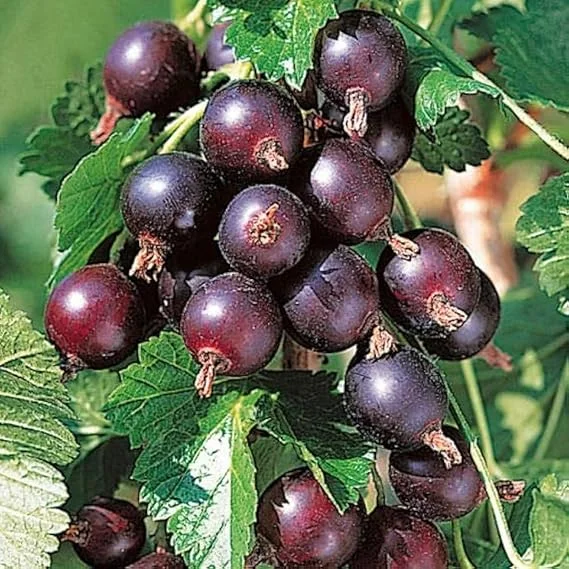
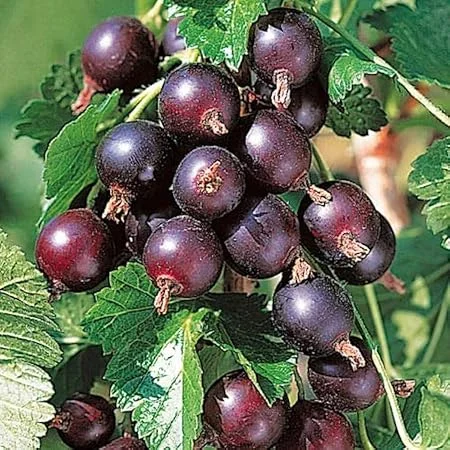
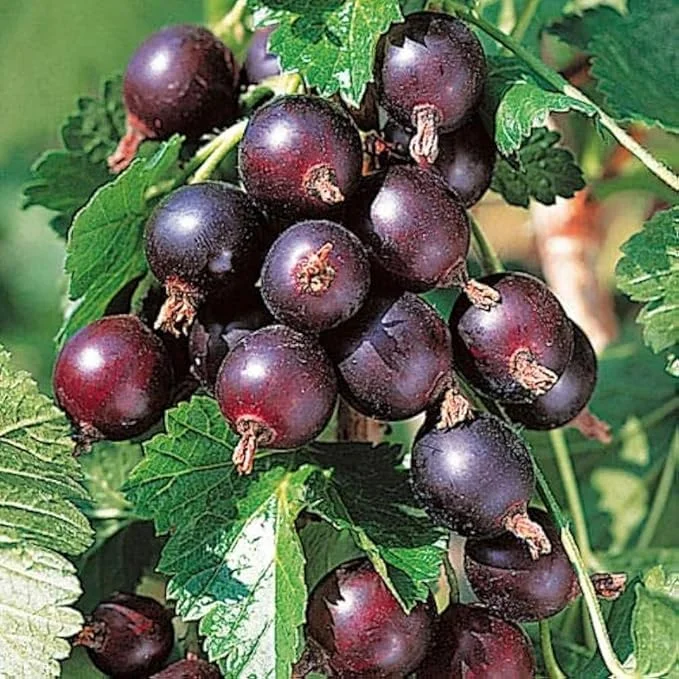
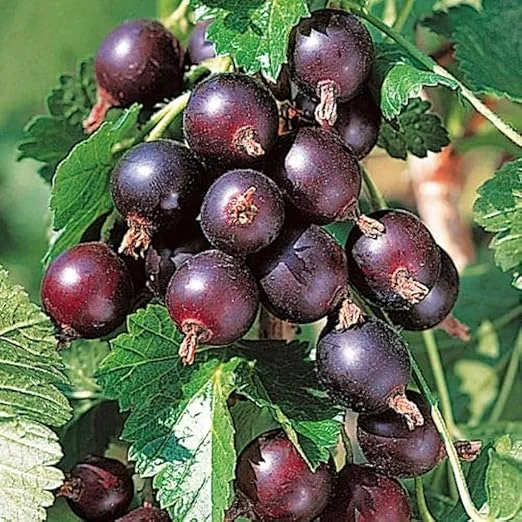
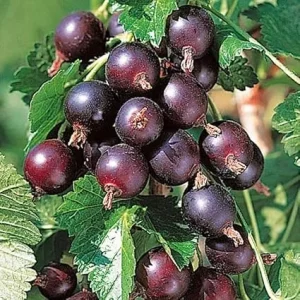
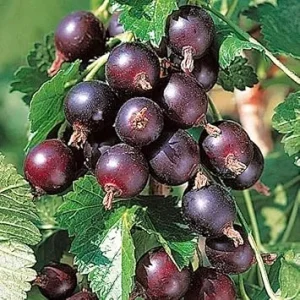
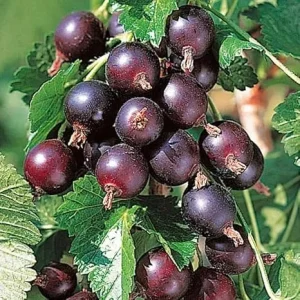
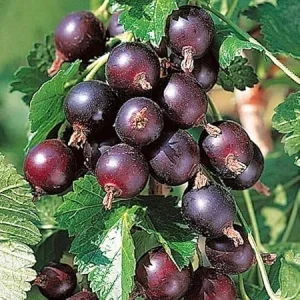
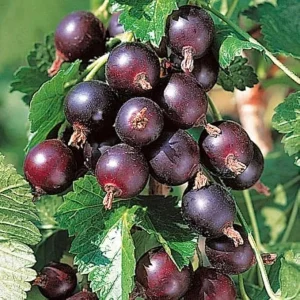
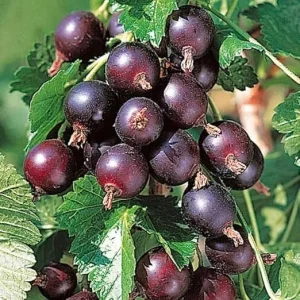
Jostaberry Gooseberry Currant Live Berry Plant, Thornless, 5-9″ Tall, Zones 3-8
Cultivate your own delicious berries with this jostaberry gooseberry currant live plant. A thornless variety, this robust bush is well-rooted and ready for planting, offering an early harvest of juicy fruit. Ideal for gardens in USDA Zones 3-8.
Original price was: $65.98.$32.99Current price is: $32.99.

With our Alive & Thrive Guarantee, we’ve got your back for the first 30 days! If you have any concerns about your plants, just reach out to us. Our team is here to help answer your questions and guide you in selecting the best plants for your garden, climate, and unique preferences. We're excited to help you create the garden of your dreams!
Estimated arrival
Apr 03
Apr 08 - Apr 10
Apr 13 - Apr 17
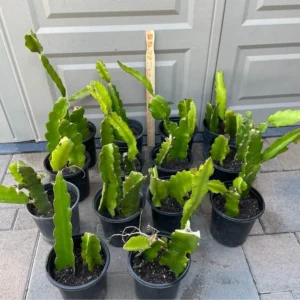
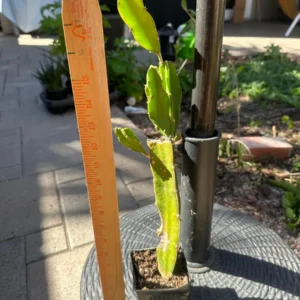
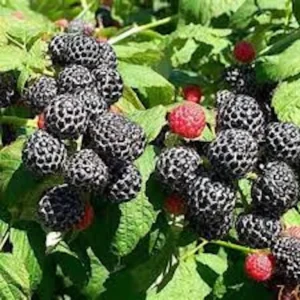
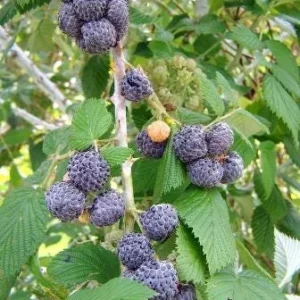
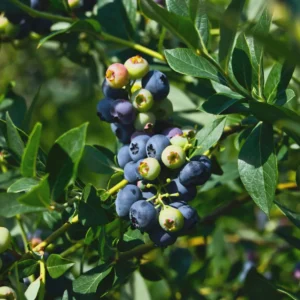
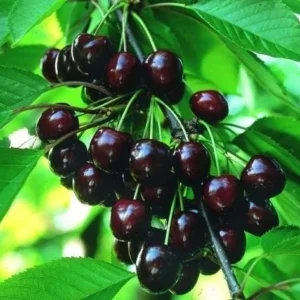
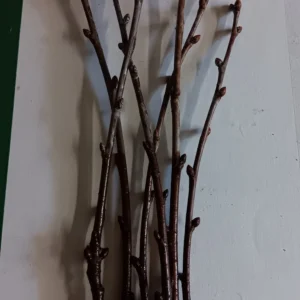
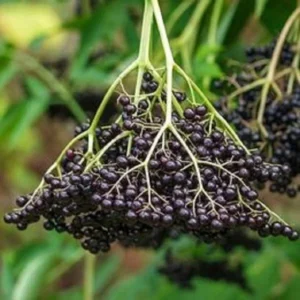
Product Details
-
USDA Hardiness Zone
USDA Zones 3-8 -
Soil type
Well-draining, sandy soil with organic matter -
Sunlight Exposure
Full sun to partial shade -
Expected Planting Period
Spring to early summer
Overview
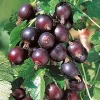
Bring the joy of home-grown berries to your garden with this vibrant jostaberry gooseberry currant live plant. This unique hybrid combines the best qualities of blackcurrants and gooseberries, offering a delicious, tangy flavor that’s perfect for fresh eating, jams, and desserts. Our well-rooted starter plant arrives ready for you to transplant, promising a bountiful harvest in the coming seasons. Known for its vigorous growth and thornless nature, the jostaberry is an excellent choice for both experienced gardeners and beginners looking for a low-maintenance, fruit-bearing shrub. This particular variety is celebrated for its resilience and adaptability, thriving across a wide range of climates and soil conditions, making it a versatile addition to almost any outdoor space. Enjoy the satisfaction of picking your own sweet and tart berries right from your backyard with this exceptional jostaberry gooseberry currant live plant.
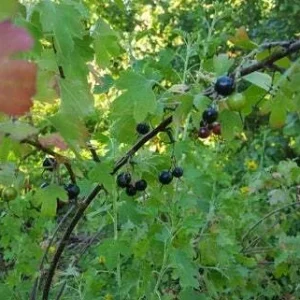
The jostaberry (Ribes x nidigrolaria) is a fascinating cross that inherits the disease resistance of blackcurrants and the fruit size of gooseberries, without the characteristic thorns of gooseberries. This makes harvesting a much more pleasant experience. It’s a robust and long-lived plant that can become a staple in your edible landscape, providing fresh fruit for many years. Its attractive foliage and early spring blooms also add ornamental value to your garden before the delicious berries even begin to ripen.
Key Benefits
Growing a jostaberry gooseberry currant live plant offers numerous advantages, from its ease of care to the delicious harvest it provides. This plant is a fantastic addition to any garden, delivering both aesthetic appeal and practical benefits. Cultivating your own fruit ensures freshness and allows you to enjoy organic produce right from your backyard.
- Thornless Harvesting: Unlike traditional gooseberries, this thornless berry bush makes picking fruit a breeze, eliminating the worry of pricks and scratches. This feature is particularly appealing for families with children or those who prefer a more comfortable harvesting experience.
- Delicious & Nutritious Fruit: Enjoy a unique blend of gooseberry and blackcurrant flavors. Jostaberries are rich in Vitamin C and antioxidants, perfect for eating fresh, making pies, jams, jellies, or adding to smoothies.
- Vigorous Growth & Resilience: The jostaberry is a hardy and adaptable shrub, known for its vigorous growth and ability to thrive in various conditions. It’s resistant to many common gooseberry and currant diseases, requiring less intervention and care.
- Early Ripening: This plant begins to fruit relatively early in the season, typically mid-spring to early summer, providing one of the first fresh berry harvests of the year. This extended fruiting period means you can enjoy fresh berries over a longer duration.
- Low Maintenance: Once established, the jostaberry plant care requirements are minimal. It’s a self-fertile plant, meaning you only need one bush to get fruit, and it doesn’t demand constant attention, making it ideal for busy gardeners.
- Cold Hardy: Suitable for a wide range of climates, the jostaberry thrives in USDA Zones 3-8, making it an excellent choice for colder regions where other fruit plants might struggle.
- Excellent for Edible Landscaping: Beyond its fruit production, the jostaberry bush has attractive foliage and can be used as an ornamental shrub, hedge, or part of a food forest design, enhancing the beauty and productivity of your garden.
Plant Care & Growing Tips
Successful cultivation of your jostaberry gooseberry currant live plant begins with proper planting and consistent care. These robust shrubs are relatively easy to grow, but understanding their specific needs will ensure a healthy plant and a bountiful harvest. When planting, choose a site that receives adequate sunlight and has well-draining soil. Dig a hole twice as wide as the root ball and just as deep, gently spreading the roots before backfilling with soil. Water thoroughly after planting to settle the soil around the roots.
Jostaberries prefer full sun, meaning at least 6 hours of direct sunlight per day, but they can tolerate partial shade, especially in hotter climates where some afternoon shade can prevent scorching. They thrive in rich, well-draining soil with a pH between 6.0 and 7.0. While they can tolerate sandy soil, amending it with organic matter like compost will significantly improve soil structure and fertility, promoting stronger growth. This plant requires moderate watering; keep the soil consistently moist, especially during dry spells and when the fruit is developing. Avoid waterlogging, as this can lead to root rot. A layer of mulch around the base of the plant will help retain soil moisture and suppress weeds.
These plants are cold hardy and suitable for USDA Zones 3-8, meaning they can withstand winter temperatures down to -40°F. Fertilize in early spring with a balanced slow-release fertilizer or compost to support vigorous growth and fruit production. Pruning is best done in late winter or early spring while the plant is dormant. Remove any dead, diseased, or crossing branches, and thin out older stems to encourage new growth and better air circulation. While jostaberries are generally disease-resistant, watch out for common pests like aphids. A strong stream of water or insecticidal soap can typically manage these issues. Following these jostaberry plant care guidelines will help ensure your plant flourishes.
Size & Details
This offering is for one well-rooted jostaberry gooseberry currant live plant, typically measuring 5-9 inches tall upon arrival. These starter plants are carefully nurtured to ensure they establish quickly in your garden. The shrub is expected to reach a mature height of 6-8 feet tall and a similar spread, forming a substantial bush that provides ample fruit. It ships as a live, actively growing plant, ready for immediate transplanting into your garden or a larger container. With proper care, your jostaberry bush should begin to produce fruit in its second year, offering an early ripening harvest from mid-spring to early summer.
The plant’s robust root system ensures a strong start, and its vigorous growth habit means it will quickly grow into a productive, fruit-bearing shrub. The thornless nature of this variety makes it a joy to grow and harvest. This particular variety is known for being a reliable producer, and with good cultural practices, you can expect a generous yield of delicious berries year after year. This is an excellent choice for anyone interested in growing jostaberry in their home garden.
Frequently Asked Questions
- Q: How big does this jostaberry gooseberry currant live plant get? A: This jostaberry gooseberry currant live plant typically reaches a mature height and spread of 6-8 feet. It forms a robust and productive bush, providing ample space for berry production.
- Q: Is this an indoor or outdoor plant? A: The jostaberry is an outdoor plant, specifically a hardy shrub designed to thrive in garden settings. It requires outdoor conditions to grow and produce fruit effectively.
- Q: How much sunlight does a jostaberry plant need? A: Jostaberries prefer full sun, meaning at least 6 hours of direct sunlight per day. They can tolerate partial shade, especially in hotter climates, but full sun encourages the best fruit production.
- Q: Is this plant easy to care for? A: Yes, jostaberries are considered relatively low-maintenance once established. They are hardy, disease-resistant, and don’t require extensive pruning or specialized care, making them great for beginners and experienced gardeners alike. This contributes to their popularity as fruit bearing shrubs for sale.
- Q: When can I expect fruit from my jostaberry plant? A: You can typically expect your jostaberry gooseberry currant live plant to begin fruiting in its second year after planting. The berries usually ripen from mid-spring to early summer.
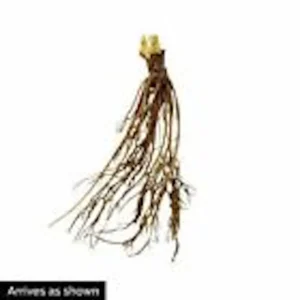
- Q: What condition will the plant arrive in? A: Your plant will arrive as a well-rooted starter plant, typically 5-9 inches tall, actively growing and ready for transplanting. It is carefully packaged to ensure its health during transit.
- Q: What USDA Zones is this jostaberry suitable for? A: This jostaberry variety is very cold hardy and thrives in USDA Hardiness Zones 3 through 8, making it suitable for a wide range of temperate climates.
- Q: Can I grow this plant in a container? A: While jostaberries can be grown in large containers, they generally perform best when planted directly in the ground where their roots have ample space to spread. If using a container, ensure it’s at least 15-20 gallons.
- Q: What kind of soil does jostaberry prefer? A: Jostaberries prefer well-draining soil that is rich in organic matter. While they can tolerate sandy soil as mentioned in the input, amending it with compost is highly recommended for optimal growth.
- Q: Is this a self-pollinating plant? A: Yes, jostaberries are self-fertile, meaning you only need one plant to produce fruit. However, planting multiple bushes can sometimes lead to a larger harvest.
Related products
-20%
Original price was: $66.00.$52.80Current price is: $52.80.
-20%
Original price was: $60.00.$48.00Current price is: $48.00.
-20%
Original price was: $80.00.$64.00Current price is: $64.00.
-20%
Original price was: $36.00.$28.80Current price is: $28.80.
-20%
Original price was: $56.00.$44.80Current price is: $44.80.
-10%
Original price was: $158.00.$142.20Current price is: $142.20.
-20%
Original price was: $32.00.$25.60Current price is: $25.60.
-20%
Original price was: $80.00.$64.00Current price is: $64.00.
PLANTING & CARE
Growing Glencoe Raspberry: A Complete Guide for Gardeners
If you’re looking to add something unique to your garden, look no further than the
31
Mar
Mar

The Comprehensive Guide to Growing Bay Leaf Plants for a Flavorful Garden
Imagine stepping into your garden, greeted by the earthy aroma of fresh bay leaves, their
09
Feb
Feb

How to Make Comfrey Tea: The Ultimate Organic Plant Food
Growing an organic garden can be surprisingly expensive, especially when most store-bought fertilizers come in
02
Feb
Feb

True Comfrey: 7 Essential Tips Before You Plant This Herb
A staple in permaculture practices across the US, True Comfrey easily earns its reputation as
27
Jan
Jan

7 Heart-Shaped Plants for a Lasting Valentine’s Gift
If you’ve ever bought a bouquet of roses for Valentine’s Day, you know they are
26
Jan
Jan

Best Types of Ivy Plant for Houses: How to Choose the Perfect Ones for Your Home
Are you a garden lover looking to introduce some greenery into your home? Maybe you’ve
14
Nov
Nov

When to Harvest Garlic (Especially Fall-Planted Garlic)
TIMING IS EVERYTHING, they say – and for garlic, that truth hits with surprising accuracy.
13
Nov
Nov

11 of the Best Sweet Potato Varieties to Grow for Your Garden
If you’ve ever tried growing sweet potatoes, you know that picking the right variety can
12
Nov
Nov