Rosemary Live Plant 5-7 Inch Tall – Fragrant Outdoor Herb for Garden & Patio
-50%
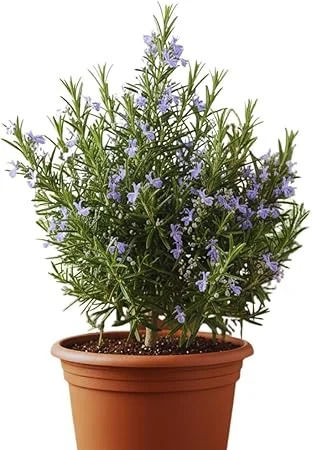
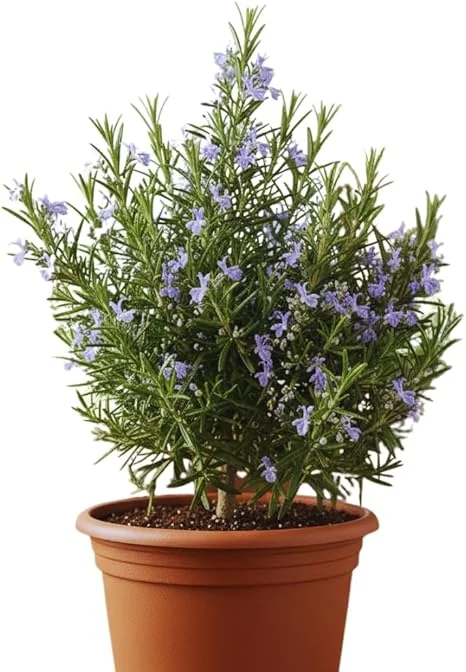
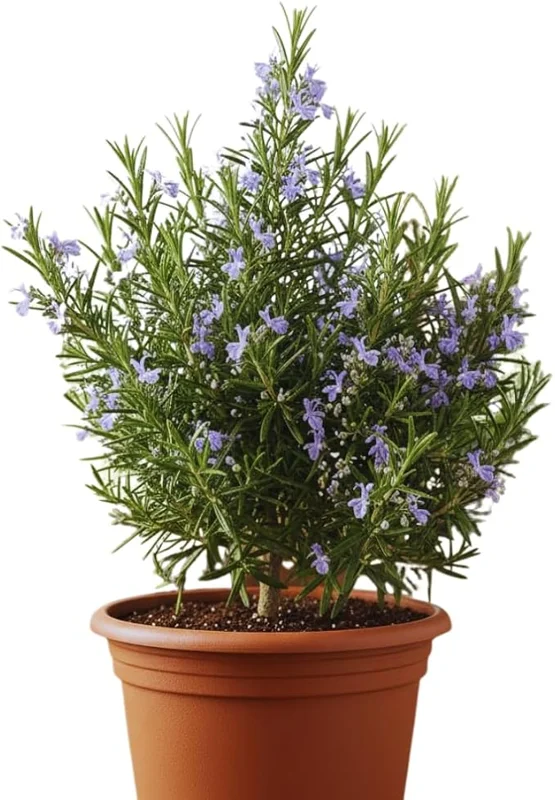
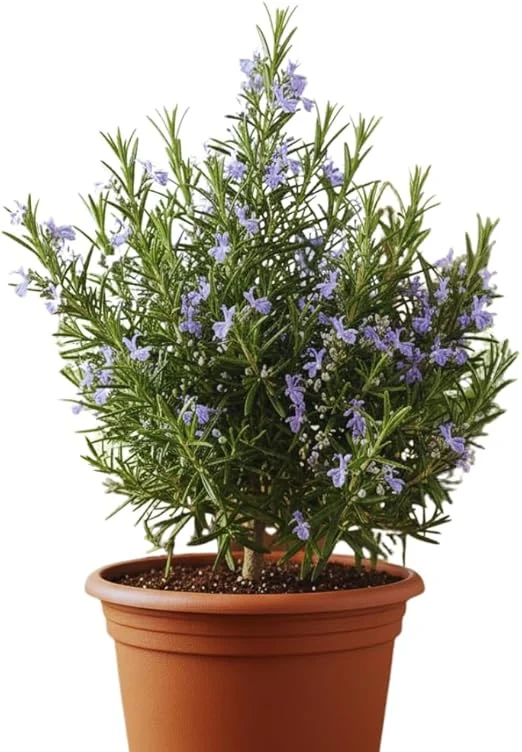
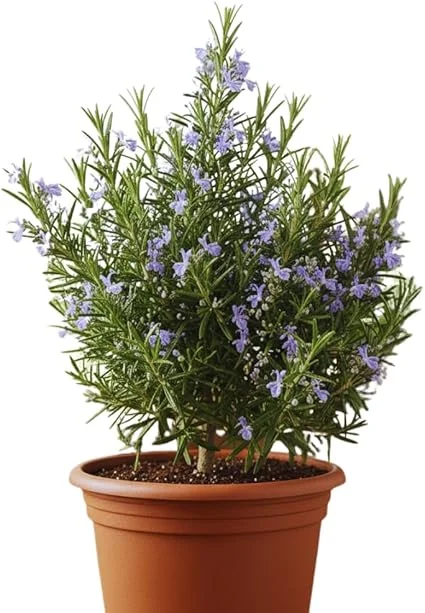
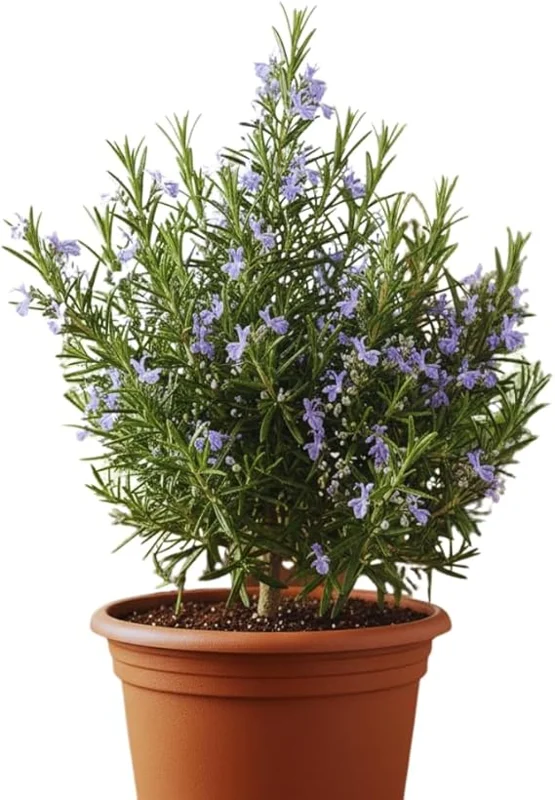
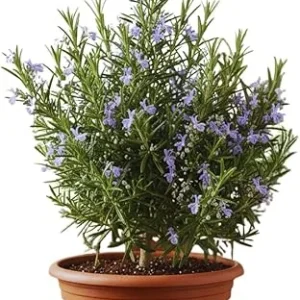
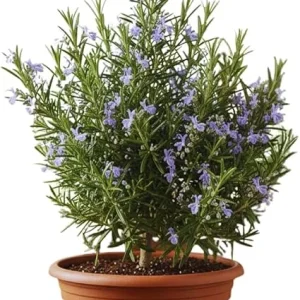
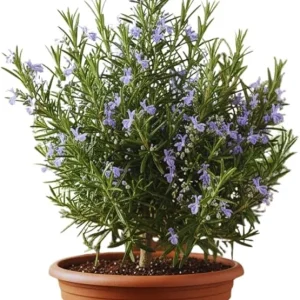
Rosemary Live Plant 5-7 Inch Tall – Fragrant Outdoor Herb for Garden & Patio
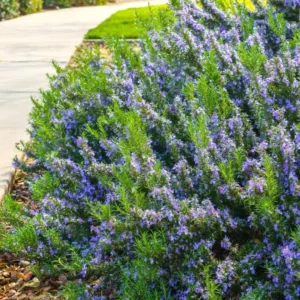
Bring the delightful aroma and culinary versatility of a rosemary live plant to your home. This 5-7 inch tall hardy herb thrives outdoors in full sun, perfect for garden beds or patio containers. Enjoy fresh rosemary for cooking and its beautiful, aromatic foliage.
Original price was: $55.98.$27.99Current price is: $27.99.

With our Alive & Thrive Guarantee, we’ve got your back for the first 30 days! If you have any concerns about your plants, just reach out to us. Our team is here to help answer your questions and guide you in selecting the best plants for your garden, climate, and unique preferences. We're excited to help you create the garden of your dreams!
Estimated arrival
Apr 13
Apr 18 - Apr 20
Apr 23 - Apr 27
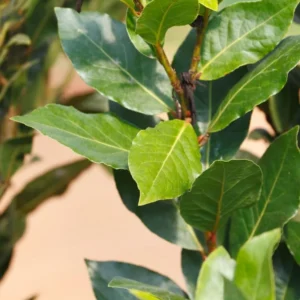
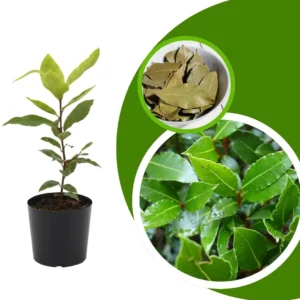

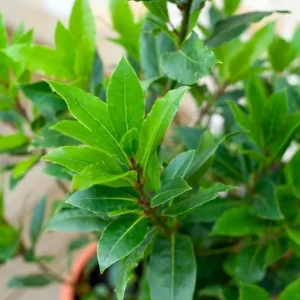
Product Details
-
USDA Hardiness Zone
6-9 -
Soil type
Well-draining, sandy loam -
Sunlight Exposure
Full Sun -
Expected Planting Period
Spring to Fall (outdoors), Year-round (indoors with ideal conditions)
Overview
Discover the joy of growing your own herbs with this beautiful rosemary live plant. Known botanically as Salvia rosmarinus, rosemary is a highly aromatic evergreen shrub cherished for its fragrant foliage, culinary uses, and ornamental appeal. This hardy plant arrives ready to thrive in your outdoor garden or patio, adding a touch of Mediterranean charm and a fresh scent to your surroundings. Perfect for both novice and experienced gardeners, this rosemary live plant is a versatile addition to any landscape, providing continuous fresh herbs.
Our rosemary plant is carefully cultivated to ensure a strong, healthy start in your garden. With its upright growth habit and needle-like leaves, it makes an excellent accent plant, low hedge, or container specimen. Beyond its aesthetic value, the robust flavor of fresh rosemary is indispensable in a wide range of dishes, from roasted meats and vegetables to breads and infused oils. Experience the satisfaction of harvesting your own fragrant herbs directly from your garden.
Key Benefits
Adding a rosemary live plant to your garden offers numerous advantages, from enhancing your culinary endeavors to beautifying your outdoor space. This resilient herb provides continuous enjoyment and utility.
- Culinary Excellence: Fresh rosemary leaves are an essential ingredient in many cuisines, offering a distinctive piney, peppery flavor. Use it to season chicken, lamb, potatoes, focaccia, and more, elevating your dishes with garden-fresh taste.
- Aromatic Delight: The strong, pleasant fragrance of rosemary is renowned for its invigorating and calming properties. Plant it near pathways or seating areas to enjoy its scent every time you brush past.
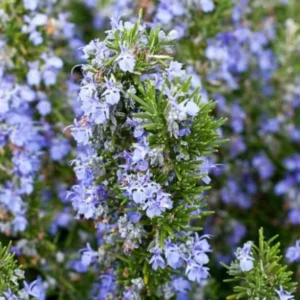
- Ornamental Garden Accent: With its attractive evergreen foliage and sometimes delicate blue flowers, rosemary serves as a beautiful landscape plant. It can be shaped into hedges, grown in pots, or used as a striking garden border.
- Pollinator Friendly: The small, delicate flowers of rosemary attract beneficial pollinators like bees, contributing to a healthier garden ecosystem and supporting local biodiversity.
- Drought Tolerant: Once established, this hardy rosemary plant is remarkably drought-tolerant, making it an excellent choice for water-wise gardening and reducing the need for constant irrigation.
- Low Maintenance: Rosemary is generally easy to care for, requiring minimal attention once settled. Its robust nature makes it suitable for gardeners seeking a rewarding plant without excessive upkeep.
- Pest Deterrent: The strong aroma of rosemary can help deter certain garden pests, offering a natural and organic way to protect nearby plants from unwanted visitors.
Plant Care & Growing Tips
Caring for your rosemary live plant is straightforward, especially when you provide the right conditions. This Mediterranean herb thrives in environments that mimic its native habitat. For optimal growth and a bountiful harvest, understanding its specific needs is key. Proper care ensures a robust and productive plant for years to come.
Rosemary absolutely loves sunlight. It requires at least 6-8 hours of direct full sun per day to flourish. Choose a location in your garden that receives abundant sunshine throughout the day. If growing in a pot, place it in the sunniest spot on your patio or balcony. Well-draining soil is crucial; rosemary dislikes wet feet. A sandy, loamy soil mix with a slightly acidic to neutral pH (6.0-7.0) is ideal. Amend heavy clay soils with sand or perlite to improve drainage. Water moderately, allowing the soil to dry out completely between waterings. Overwatering is a common cause of rosemary plant failure. Reduce watering in cooler months.
This fragrant rosemary herb is hardy in USDA Zones 6-9, meaning it can withstand winter temperatures in these regions. In colder zones, it’s best to grow rosemary in containers that can be moved indoors for winter, or treat it as an annual. Fertilize sparingly, if at all, as rosemary thrives in leaner soils. A light application of a balanced, slow-release fertilizer in spring is usually sufficient. Prune your rosemary after flowering to maintain its shape and encourage bushier growth. Regular harvesting for culinary use also acts as a form of pruning, promoting more vigorous growth. Watch out for common issues like powdery mildew in humid conditions or root rot from overwatering. Good air circulation and proper watering practices are your best defense.
Size & Details
This rosemary live plant typically arrives 5 to 7 inches in height, measured from the top of the soil. It is shipped in a nursery pot, ready for immediate planting in your garden bed or a larger container. Rosemary is a moderately fast grower and can reach a mature size of 2-4 feet tall and wide, depending on the variety and growing conditions. It develops woody stems and a dense, evergreen foliage structure.
The plant is robust and well-rooted, ensuring a smooth transition to its new home. Expect it to establish quickly and begin producing its aromatic leaves. While it may not be in bloom upon arrival, rosemary typically flowers in late winter to early spring, with small, often blue, blossoms. This particular plant is a hardy rosemary plant, suitable for outdoor cultivation in its recommended zones, providing a continuous supply of fresh herbs.
Frequently Asked Questions
- Q: How big does this rosemary live plant get? A: This rosemary plant typically arrives 5-7 inches tall. With proper care, it can grow to a mature size of 2-4 feet in both height and width, forming a lovely, dense shrub.
- Q: Is this an indoor or outdoor plant? A: This is primarily an outdoor plant, ideal for garden beds, borders, or patio containers. It is a hardy rosemary plant thriving in full sun. In colder climates (below USDA Zone 6), it can be grown in pots and brought indoors for winter.
- Q: How much sunlight does a rosemary plant need? A: Rosemary requires a minimum of 6-8 hours of direct, unfiltered sunlight daily. Choose the sunniest spot in your garden or on your patio to ensure healthy growth and robust fragrance.
- Q: Is this plant easy to care for? A: Yes, rosemary is considered an easy-care plant, especially once established. It’s drought-tolerant and prefers well-draining soil with plenty of sun, making rosemary plant care relatively low maintenance for gardeners of all skill levels.
- Q: What condition will the rosemary live plant arrive in? A: Your rosemary plant will arrive healthy and well-rooted in a nursery pot, carefully packaged to ensure its safe journey. It will be ready for planting upon arrival.
- Q: Can I use this rosemary for cooking? A: Absolutely! This fragrant rosemary herb is perfect for culinary use. Its leaves can be harvested fresh to season a variety of dishes, from roasted meats and vegetables to soups and breads.
- Q: When is the best time to plant rosemary outdoors? A: The best time to plant rosemary outdoors is in spring after the last frost, or in early fall in warmer climates. This allows the plant to establish its root system before extreme temperatures.
- Q: Will this rosemary survive winter in my zone? A: This rosemary is hardy in USDA Zones 6-9. If you are in these zones, it should survive winter outdoors. In colder zones, it’s recommended to provide winter protection or grow it in a container that can be moved indoors.
- Q: What type of soil does rosemary prefer? A: Rosemary prefers well-draining, slightly sandy, or loamy soil. It’s crucial to avoid heavy, waterlogged soils which can lead to root rot. Good drainage is key for growing rosemary outdoors successfully.
- Q: Does rosemary attract pollinators? A: Yes, the small flowers of rosemary are very attractive to bees and other pollinators, making it a great addition to a pollinator-friendly garden.
Related products
-10%

Original price was: $11.99.$10.79Current price is: $10.79.
-30%
Original price was: $59.98.$41.98Current price is: $41.98.
-50%
Original price was: $107.96.$53.98Current price is: $53.98.
-30%
Original price was: $99.98.$69.98Current price is: $69.98.
-67%
From Original price was: $35.22.$11.74Current price is: $11.74.
-67%
Original price was: $75.72.$25.24Current price is: $25.24.
-50%
Original price was: $15.96.$7.98Current price is: $7.98.
-10%
Original price was: $65.00.$58.50Current price is: $58.50.
PLANTING & CARE

Growing Glencoe Raspberry: A Complete Guide for Gardeners
If you’re looking to add something unique to your garden, look no further than the
31
Mar
Mar

The Comprehensive Guide to Growing Bay Leaf Plants for a Flavorful Garden
Imagine stepping into your garden, greeted by the earthy aroma of fresh bay leaves, their
09
Feb
Feb

How to Make Comfrey Tea: The Ultimate Organic Plant Food
Growing an organic garden can be surprisingly expensive, especially when most store-bought fertilizers come in
02
Feb
Feb

True Comfrey: 7 Essential Tips Before You Plant This Herb
A staple in permaculture practices across the US, True Comfrey easily earns its reputation as
27
Jan
Jan

7 Heart-Shaped Plants for a Lasting Valentine’s Gift
If you’ve ever bought a bouquet of roses for Valentine’s Day, you know they are
26
Jan
Jan

Best Types of Ivy Plant for Houses: How to Choose the Perfect Ones for Your Home
Are you a garden lover looking to introduce some greenery into your home? Maybe you’ve
14
Nov
Nov

When to Harvest Garlic (Especially Fall-Planted Garlic)
TIMING IS EVERYTHING, they say – and for garlic, that truth hits with surprising accuracy.
13
Nov
Nov

11 of the Best Sweet Potato Varieties to Grow for Your Garden
If you’ve ever tried growing sweet potatoes, you know that picking the right variety can
12
Nov
Nov