Satin Pothos Live Cuttings – Scindapsus Pictus Silver Vine – Trailing Houseplant
Satin Pothos Live Cuttings – Scindapsus Pictus Silver Vine – Trailing Houseplant
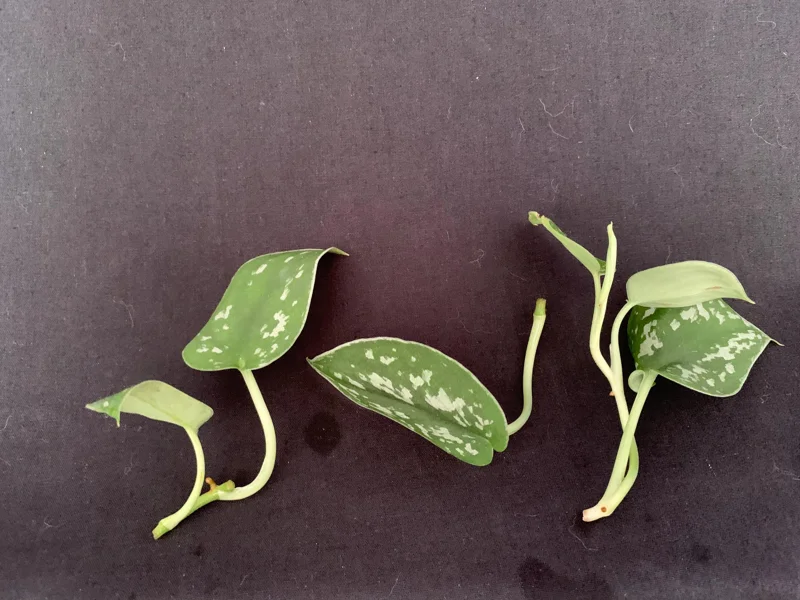
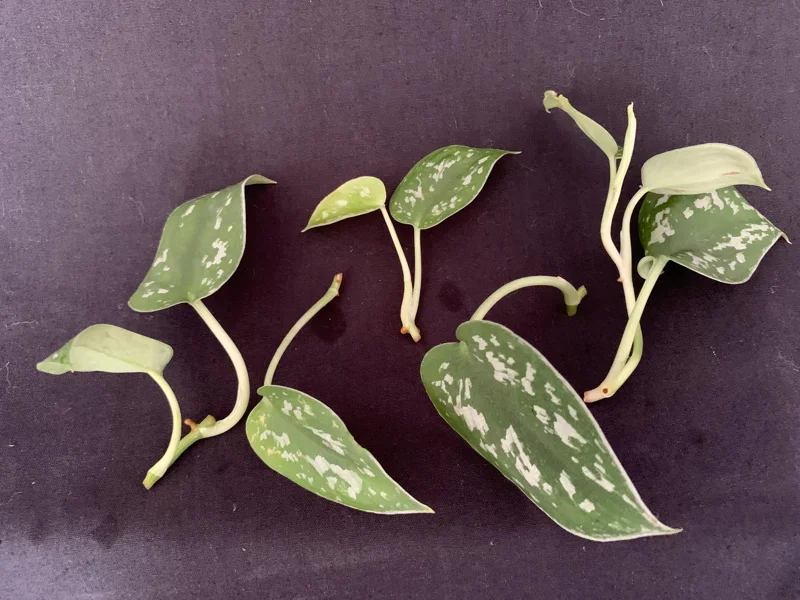
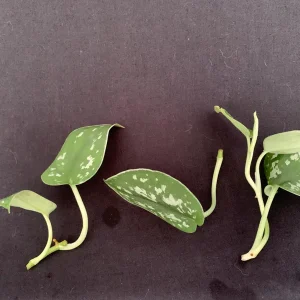
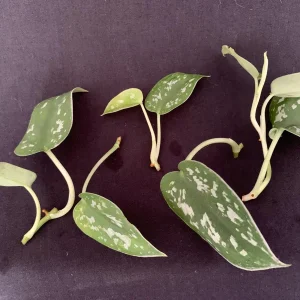
Propagate your own stunning Satin Pothos live cuttings. These Scindapsus pictus Silver Vine cuttings with air roots are ideal for creating beautiful hanging baskets or adding trailing elegance to any indoor space, perfect for beginners.
From $7.49

With our Alive & Thrive Guarantee, we’ve got your back for the first 30 days! If you have any concerns about your plants, just reach out to us. Our team is here to help answer your questions and guide you in selecting the best plants for your garden, climate, and unique preferences. We're excited to help you create the garden of your dreams!
Estimated arrival
Mar 31
Apr 05 - Apr 07
Apr 10 - Apr 14





Product Details
-
USDA Hardiness Zone
USDA zones 10-12 (if outdoors), otherwise suitable for indoor cultivation year-round -
Soil type
Well-draining potting mix -
Sunlight Exposure
Bright indirect light (low light tolerant) -
Expected Planting Period
Year-round indoors
Overview
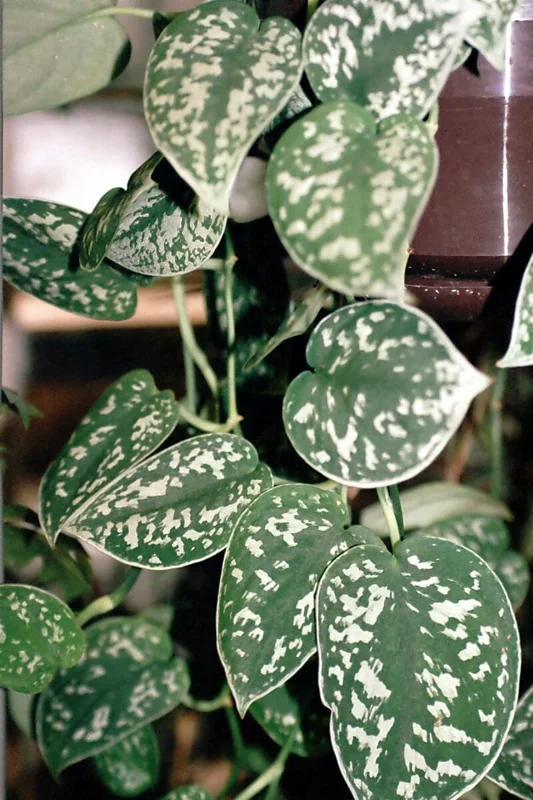
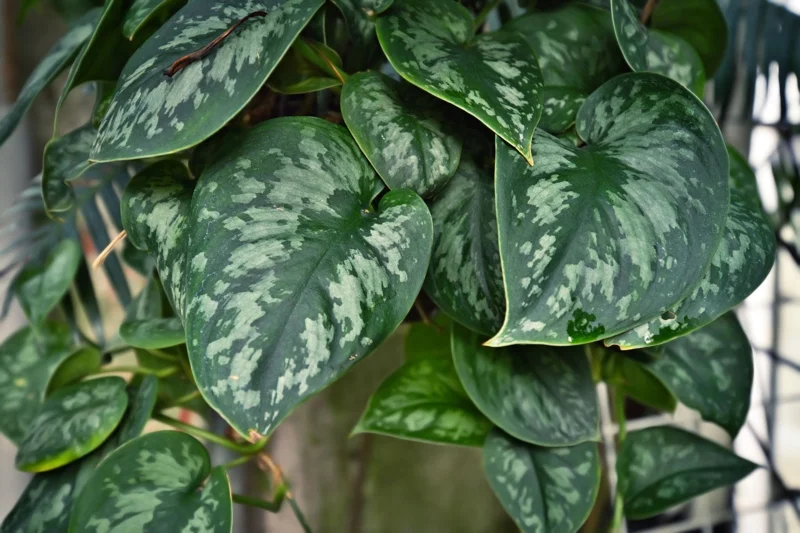
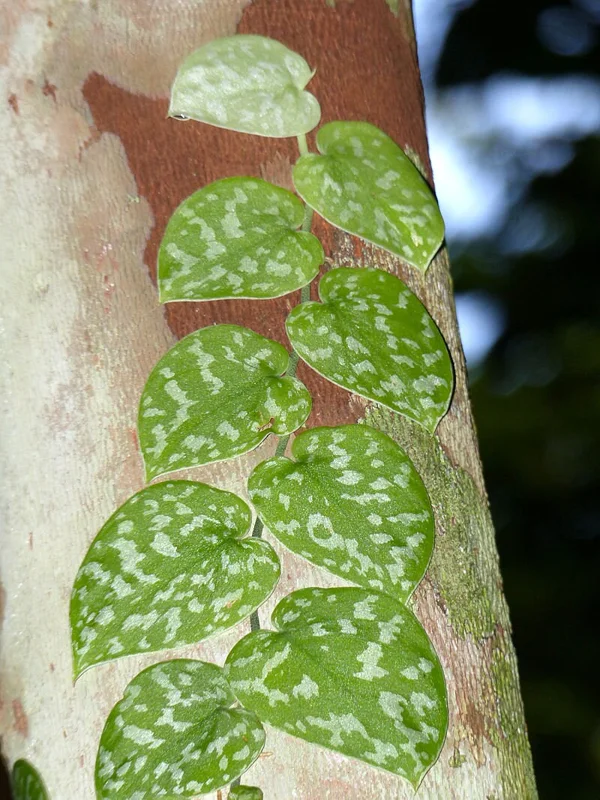
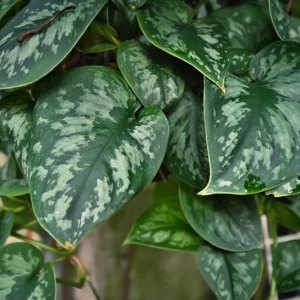
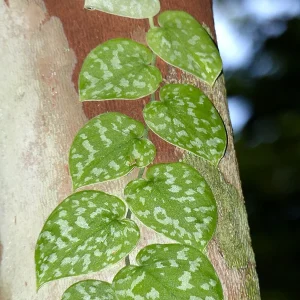
Introduce lush, vibrant greenery into your home with our premium Satin Pothos live cuttings. This popular and highly sought-after houseplant, scientifically known as Scindapsus pictus Silver Vine, is celebrated for its distinctive heart-shaped leaves adorned with silvery-green variegation. Each cutting is carefully selected to ensure healthy air roots, providing a strong foundation for successful propagation. Whether you’re a seasoned plant enthusiast or a budding gardener, these cuttings offer an exciting and rewarding DIY project. The Scindapsus pictus Silver Vine is a native of the tropical forests of Southeast Asia, known for its ability to thrive in various indoor conditions, making it an excellent choice for almost any home.
Our Satin Pothos live cuttings arrive ready for planting, allowing you to easily cultivate your own beautiful trailing plants. The unique metallic sheen on its foliage gives it the common names “satin pothos” and “silver pothos,” adding a touch of elegance to any room. These cuttings are perfect for hanging baskets, shelves, or even as ground cover in terrariums, creating a cascading display of silvery-green leaves. Get started on your propagation journey with these robust and healthy cuttings, and watch them transform into thriving, mature plants.
Key Benefits
Bring the beauty and tranquility of nature indoors with these exceptional Satin Pothos live cuttings. They offer numerous advantages for both aesthetic appeal and ease of care, making them a fantastic addition to any plant collection. The unique foliage of the Scindapsus pictus Silver Vine provides a striking visual element.
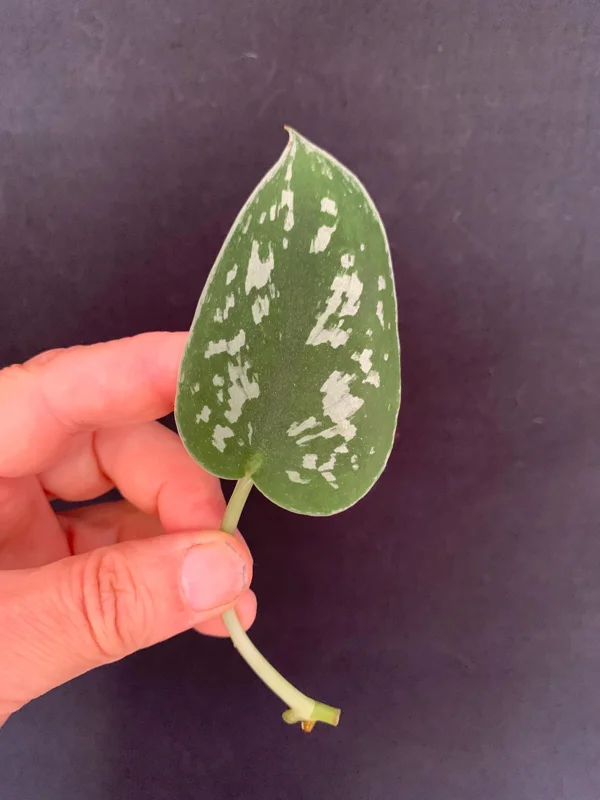
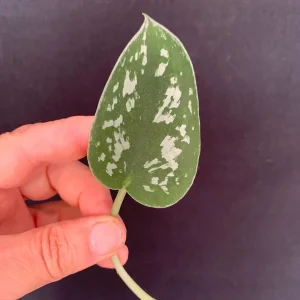
- Stunning Variegation: The hallmark of the Satin Pothos live cuttings is their exquisite matte, seafoam-pine green leaves generously splashed with shimmering silver variegation. This ‘painted’ effect, as its Latin epithet ‘pictus’ suggests, adds a sophisticated and eye-catching element to your decor.
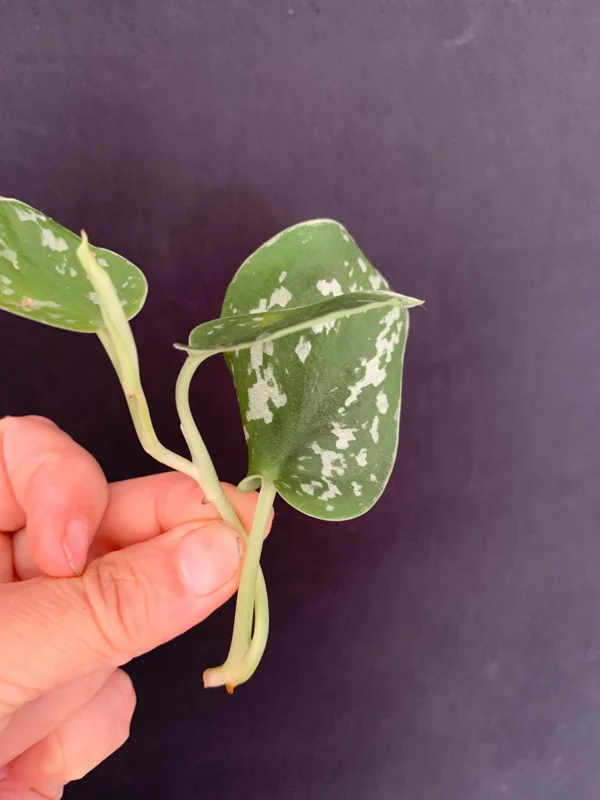
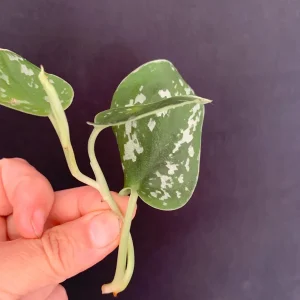
- Easy Propagation: These cuttings come with existing air roots, significantly simplifying the propagation process. This makes them an ideal choice for propagating new plants, even for those new to plant care, offering a rewarding experience as you watch them root and grow.
- Low Light Tolerant: While preferring bright, indirect light, the Scindapsus pictus Silver Vine is remarkably adaptable and can tolerate lower light conditions, making it suitable for various spots in your home where other plants might struggle. This resilience is a key feature of these easy care houseplants.
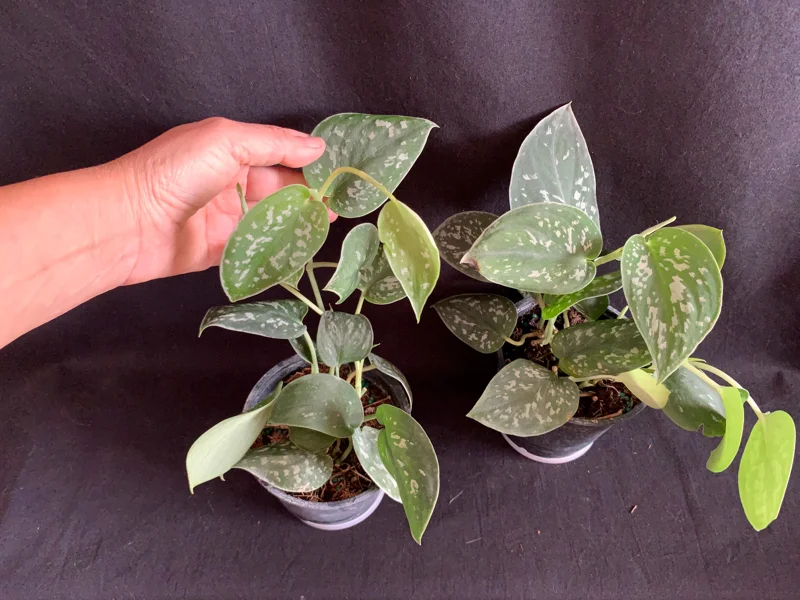
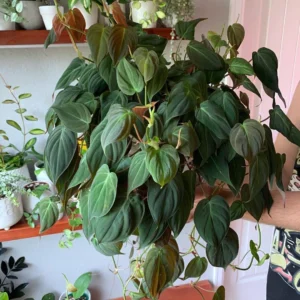
- Versatile Decor: As a natural trailing plant, it excels in hanging baskets, allowing its vines to gracefully drape downwards. It also looks fantastic on shelves, tabletops, or trained to climb, providing flexible styling options for your interior design.
- Air Purification: Like many houseplants, the Satin Pothos contributes to a healthier indoor environment by helping to filter airborne toxins, improving the air quality in your home or office.
- Beginner-Friendly: Renowned for its resilience and forgiving nature, the Scindapsus pictus Silver Vine is an excellent choice for beginners or those with busy lifestyles. Its minimal demands make it one of the easiest plants to care for.
- Growth Potential: With adequate support, these vines can grow quite long, reaching up to 10 feet, creating a dramatic and impressive display over time. This makes them fantastic trailing plants for beginners.
Plant Care & Growing Tips
Caring for your Satin Pothos live cuttings is straightforward, making it one of the most popular easy care houseplants. Once rooted, this plant thrives with consistent, yet simple, attention. Providing the right conditions will encourage lush growth and vibrant foliage. The Scindapsus pictus Silver Vine prefers a stable environment, so try to avoid drastic changes in temperature or light once it’s established.
For sunlight, place your Satin Pothos live cuttings in a location that receives bright, indirect light. Direct sunlight can scorch its delicate leaves, causing the beautiful silver variegation to fade. A north or east-facing window is often ideal, or a few feet back from a south or west-facing window. It’s also known as a low light tolerant plant, meaning it can adapt to less ideal conditions, though growth may be slower and variegation less pronounced.
Watering should be done when the top inch or two of soil feels dry to the touch. It’s better to underwater than overwater, as excessive moisture can lead to root rot. Ensure your potting mix is well-draining, and the pot has drainage holes. A standard indoor potting mix amended with perlite or orchid bark works well. The ideal temperature range for this tropical plant is between 65-80°F (18-27°C), with a minimum outdoor temperature requirement of 59°F (15°C). Fertilize sparingly during the growing season (spring and summer) with a balanced liquid houseplant fertilizer diluted to half strength. Common problems include yellowing leaves from overwatering or brown, crispy edges from underwatering or too much direct sun. Adjust your care routine accordingly to keep your Scindapsus pictus Silver Vine healthy and vibrant.
Size & Details
You will receive fresh Satin Pothos live cuttings, selected for their health and vigor. Each cutting will have existing air roots, typically featuring 1-3 leaves, depending on the size and placement of the air roots. These cuttings are specifically chosen for successful propagation, ensuring you start with strong, viable material. The size of the cutting will vary but will be ample for establishing a new plant.
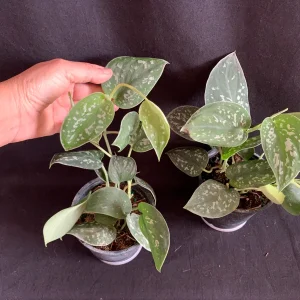
Once established, the Scindapsus pictus Silver Vine typically grows, somewhat slowly, to around 35 inches (90 cm) in length when grown in a hanging basket or on a shelf. However, if provided with an adequate support structure such as a moss pole or wall, the vines can grow much taller, potentially reaching up to 10 feet (3 meters) as they seek more light. The leaves will often ‘shingle’ (grow flattened against the support) in an effort to maximize photosynthetic benefit, creating a striking display. These trailing plants for beginners are a fantastic way to add a dynamic element to your home decor.
Frequently Asked Questions
- Q: How big will my Satin Pothos grow? A: Your Satin Pothos live cuttings can grow quite long. In a hanging basket, they typically reach about 35 inches. With proper support like a moss pole, they can vine up to 10 feet, creating a dramatic display.
- Q: Is this an indoor or outdoor plant? A: The Scindapsus pictus Silver Vine is primarily cultivated as an indoor houseplant in most temperate regions. It can be grown outdoors in appropriate tropical climates where temperatures remain above 59°F (15°C).
- Q: How much sunlight does it need? A: This plant thrives in bright, indirect light. While it is a low light tolerant plant, too much direct sun can scorch its leaves and diminish its beautiful variegation.
- Q: Is this plant easy to care for? A: Yes, the Satin Pothos is considered one of the easiest houseplants to care for, making it perfect for beginners. Its resilience and adaptability contribute to its reputation as an easy care houseplants.
- Q: What condition will the cuttings arrive in? A: You will receive fresh, healthy Satin Pothos live cuttings with visible air roots, ready for immediate propagation. They are carefully packaged to ensure safe arrival.
- Q: How do I propagate these cuttings? A: Simply place the rooted end of the cutting into water or a well-draining potting mix. Keep the medium consistently moist (but not waterlogged) until new growth appears.
- Q: Is this plant pet-safe? A: Like many plants in the aroid family, Scindapsus pictus Silver Vine can be mildly toxic if ingested. It’s best to keep it out of reach of pets and small children.
- Q: When is the best time to plant these cuttings? A: Because these are indoor cuttings, you can plant them year-round. However, they may establish faster during the warmer growing seasons of spring and summer.
- Q: Will it survive winter in my zone? A: As an indoor plant, your Satin Pothos live cuttings should thrive year-round in typical household temperatures. If placed outdoors, it generally requires USDA zones 10-12 to survive winter.
| Option (Number of cuttings) | 1 Cutting, 3 Cuttings, 5 Cuttings |
|---|
Related products
-35%

Original price was: $37.24.$24.20Current price is: $24.20.
-5%


Original price was: $91.98.$87.38Current price is: $87.38.
-25%

Original price was: $33.90.$25.42Current price is: $25.42.

-30%
Original price was: $129.98.$90.98Current price is: $90.98.
PLANTING & CARE

The Comprehensive Guide to Growing Bay Leaf Plants for a Flavorful Garden
Imagine stepping into your garden, greeted by the earthy aroma of fresh bay leaves, their
09
Feb
Feb

How to Make Comfrey Tea: The Ultimate Organic Plant Food
Growing an organic garden can be surprisingly expensive, especially when most store-bought fertilizers come in
02
Feb
Feb

True Comfrey: 7 Essential Tips Before You Plant This Herb
A staple in permaculture practices across the US, True Comfrey easily earns its reputation as
27
Jan
Jan

7 Heart-Shaped Plants for a Lasting Valentine’s Gift
If you’ve ever bought a bouquet of roses for Valentine’s Day, you know they are
26
Jan
Jan

Best Types of Ivy Plant for Houses: How to Choose the Perfect Ones for Your Home
Are you a garden lover looking to introduce some greenery into your home? Maybe you’ve
14
Nov
Nov

When to Harvest Garlic (Especially Fall-Planted Garlic)
TIMING IS EVERYTHING, they say – and for garlic, that truth hits with surprising accuracy.
13
Nov
Nov

11 of the Best Sweet Potato Varieties to Grow for Your Garden
If you’ve ever tried growing sweet potatoes, you know that picking the right variety can
12
Nov
Nov
Pruning Bougainvillea for Winter
Bougainvillea vines are known for their dazzling display of magenta, orange, and fuchsia bracts that
05
Nov
Nov