Stinging Nettle Live Plants – 10 Bare Root Herb Starters, Cold Hardy 2-4″ Tall, Outdoor
-50%
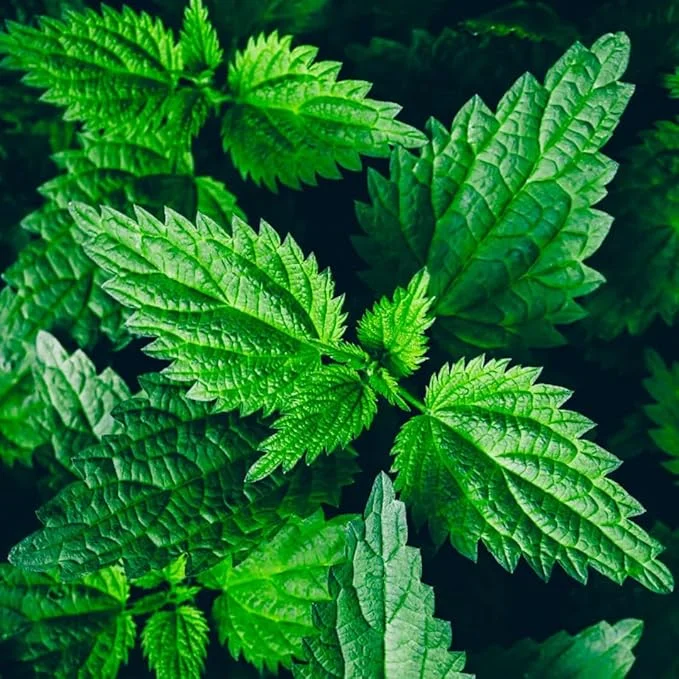
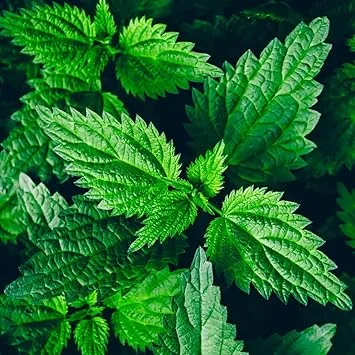
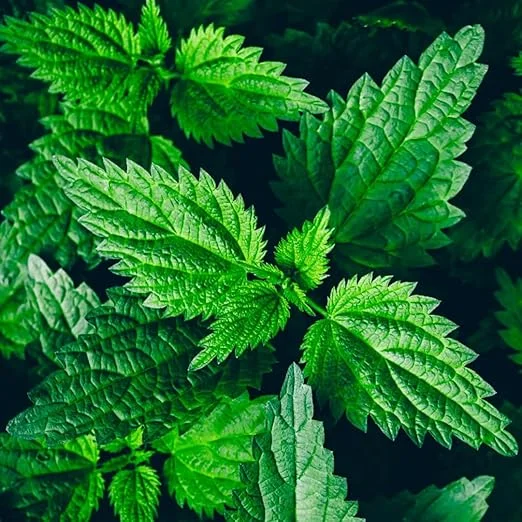
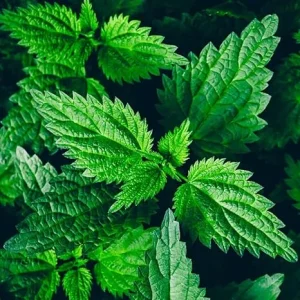
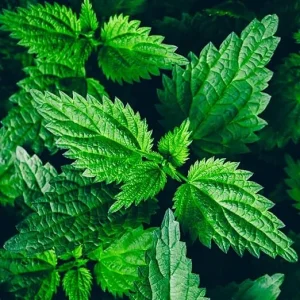
Stinging Nettle Live Plants – 10 Bare Root Herb Starters, Cold Hardy 2-4″ Tall, Outdoor
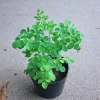
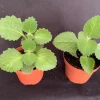
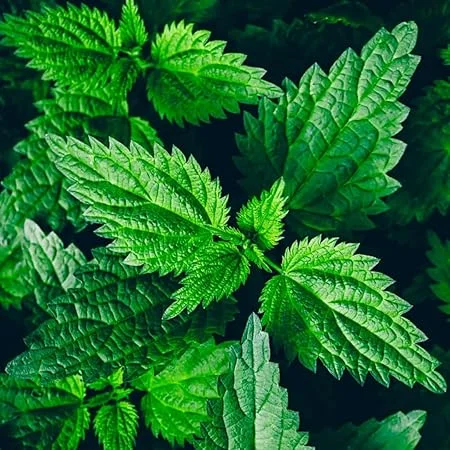
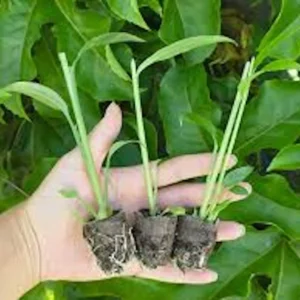
Cultivate your own medicinal and culinary herbs with these stinging nettle bare root plants. This pack includes 10 cold-hardy, starter-sized bare roots (2-4 inches tall) ready for outdoor planting. Perfect for gardeners seeking a unique and beneficial addition to their landscape.
Original price was: $75.96.$37.98Current price is: $37.98.

With our Alive & Thrive Guarantee, we’ve got your back for the first 30 days! If you have any concerns about your plants, just reach out to us. Our team is here to help answer your questions and guide you in selecting the best plants for your garden, climate, and unique preferences. We're excited to help you create the garden of your dreams!
Estimated arrival
Feb 16
Feb 21 - Feb 23
Feb 26 - Mar 02
Product Details
-
USDA Hardiness Zone
USDA Zones 3-9 -
Soil type
Well-draining, rich, fertile loam -
Sunlight Exposure
Full sun to partial shade -
Expected Planting Period
Spring to early summer
Overview
Embark on a rewarding gardening journey with our premium selection of stinging nettle bare root plants. This offering provides a generous pack of 10 starter-sized bare root specimens, each measuring approximately 2-4 inches tall, making them ideal for immediate planting in your garden or outdoor containers. Stinging nettle, scientifically known as Urtica dioica, is a fascinating and versatile herb renowned for its distinctive properties and numerous applications. These plants are celebrated for their cold-hardiness, ensuring they can thrive in a wide range of temperate climates once established. Perfect for gardeners interested in medicinal herbs, culinary greens, or simply adding a unique, beneficial plant to their outdoor space, these bare roots offer a robust foundation for successful growth.
Our stinging nettle bare root plants are carefully prepared to ensure optimal health and vigor upon arrival. They are shipped without pots, minimizing transplant shock and allowing for direct integration into your prepared soil. Whether you’re a seasoned herbalist or a curious beginner, growing your own stinging nettle provides a hands-on experience with nature’s pharmacy. These plants are not only resilient but also contribute to local ecosystems, attracting beneficial insects. Discover the satisfaction of cultivating this historical herb from a simple bare root to a thriving, productive plant.
Key Benefits
Integrating stinging nettle bare root plants into your garden offers a multitude of advantages, ranging from ecological contributions to personal well-being. These robust plants are more than just a garden novelty; they are a powerhouse of utility.
- Rich in Nutrients: Stinging nettle leaves are packed with vitamins (A, C, K), minerals (iron, calcium, magnesium), and antioxidants. They can be harvested and prepared for teas, soups, or other culinary uses, offering a nutritious boost to your diet.
- Medicinal Properties: Historically, stinging nettle bare root plants have been used in traditional medicine for various ailments. Many gardeners grow stinging nettle specifically for its potential anti-inflammatory and diuretic effects, often consumed as a herbal tea.
- Cold Hardy & Resilient: These bare root plants are incredibly tough and adaptable, thriving in USDA Hardiness Zones 3-9. Their cold-hardiness means they can withstand harsh winter conditions and return vigorously each spring, providing a reliable perennial presence in your garden.
- Wildlife Attraction: Stinging nettle serves as a food source for several butterfly and moth larvae, making it an excellent choice for supporting local biodiversity and creating a more vibrant garden ecosystem.
- Soil Improvement: As dynamic accumulators, stinging nettle plants draw up nutrients from deep within the soil, enriching the topsoil when they eventually decompose. This natural process can improve soil fertility over time.
- Easy to Establish: Shipped as bare roots, these starters are designed for easy planting and quick establishment. They require minimal fuss once in the ground, making them suitable even for beginner gardeners looking to grow stinging nettle.
- Versatile Use: Beyond personal consumption, the fibers from stinging nettle have historically been used for textiles, and the plant itself can be used to make nutrient-rich liquid fertilizers for other plants in your garden.
Plant Care & Growing Tips
Successfully cultivating stinging nettle bare root plants is straightforward, especially given their natural resilience. Understanding their basic needs will ensure a thriving patch of this beneficial herb. Stinging nettle prefers a location that receives full sun to partial shade. Aim for at least 6 hours of direct sunlight daily for optimal growth, though it can tolerate some afternoon shade in hotter climates. When planting, ensure the soil is well-draining but also retains some moisture. A rich, fertile loam with a slightly acidic to neutral pH (6.0-7.0) is ideal. Amend heavy clay soils with compost or sand to improve drainage, and sandy soils with organic matter to enhance water retention. These plants are known for their ability to adapt to various soil conditions, but providing an optimal environment will yield the healthiest growth.
Watering is crucial during the establishment phase of your stinging nettle bare root plants. Keep the soil consistently moist but not waterlogged immediately after planting. Once established, stinging nettle is quite drought-tolerant, but regular watering during dry spells will promote lush growth. Fertilization is generally not heavily required, especially if planted in rich soil. However, a balanced organic fertilizer or a top-dressing of compost in early spring can encourage vigorous new growth. Pruning can be done throughout the growing season to encourage bushier growth and prevent the plants from becoming leggy. Simply snip off the top few inches of growth. Be aware that stinging nettle can spread aggressively, so consider planting it in an area where it has room to roam or can be contained, or in large containers to manage its spread. These plants are generally pest-resistant, but keep an eye out for common garden pests and treat with organic solutions if necessary.
Understanding the hardiness zones is key for maintaining cold hardy stinging nettle. Thriving in USDA Zones 3-9, these plants are well-equipped to handle cold winters, with their root systems surviving underground and sending up new shoots in spring. In colder zones, a layer of mulch can provide extra protection. For those looking to maximize their harvest, young leaves are typically less fibrous and have a milder flavor. Always wear gloves when handling mature stinging nettle to avoid the characteristic sting. The sting is caused by fine hairs (trichomes) on the leaves and stems that inject histamine and other chemicals, which is why understanding stinging nettle uses often involves proper preparation.
Size & Details
This offering includes 10 individual stinging nettle bare root plants, each measuring approximately 2-4 inches in height. These are starter-sized bare roots, meaning they are dormant and ready for planting, designed to establish quickly in your garden. As perennial herbs, stinging nettle plants can grow quite tall, typically reaching heights of 2-5 feet (60-150 cm) and spreading up to 1-3 feet (30-90 cm) wide, depending on growing conditions and available space. They exhibit a moderate to fast growth rate once established, quickly developing into mature plants that can be harvested.
The plants are shipped without pots, which is the standard method for bare root plants, reducing shipping costs and minimizing plastic waste. This also ensures that the roots are not confined and can immediately begin to spread and anchor themselves in their new environment. Expect your stinging nettle bare root plants to begin leafing out within a few weeks of planting, with the first harvestable leaves typically appearing within 1-2 months. The optimal planting period is in spring, after the last frost, but they can also be successfully planted in early fall in milder climates. These plants are robust and will return year after year, providing a continuous supply of fresh nettle.
Frequently Asked Questions
- Q: How big do these stinging nettle plants get? A: Your stinging nettle bare root plants are starter-sized, 2-4 inches tall when they arrive. Once established, they can grow to be quite substantial, typically reaching heights of 2-5 feet tall and spreading 1-3 feet wide, depending on growing conditions.
- Q: Is this an indoor or outdoor plant? A: Stinging nettle is primarily an outdoor plant. These bare roots are meant for planting directly into your garden beds or large outdoor containers where they can thrive in natural sunlight and soil conditions.
- Q: How much sunlight does stinging nettle need? A: For best results, stinging nettle prefers full sun (at least 6 hours of direct sunlight daily) but can tolerate partial shade, especially in regions with intense afternoon sun.
- Q: Is this plant easy to care for? A: Yes, cold hardy stinging nettle is generally considered easy to care for. It’s a resilient plant that, once established, requires minimal maintenance, making it suitable for gardeners of all experience levels.
- Q: What condition will the bare roots arrive in? A: The bare roots will arrive dormant and without soil or a pot. This is normal for bare root plants. They will be carefully packaged to ensure they remain healthy during transit, ready for immediate planting.
- Q: Can I use stinging nettle in cooking? A: Absolutely! Young stinging nettle leaves are commonly used in cooking after being blanched or cooked to remove the sting. They can be added to soups, stews, pestos, and teas. Many people appreciate the distinct flavor and nutritional benefits, making stinging nettle uses quite diverse.
- Q: Will it survive winter in my zone? A: These stinging nettle bare root plants are very cold hardy, thriving in USDA Zones 3-9. In these zones, the plant’s root system will survive the winter underground and new shoots will emerge in the spring.
- Q: When is the best time to plant stinging nettle bare roots? A: The ideal time to plant stinging nettle bare roots is in the spring, after the danger of the last frost has passed. They can also be planted in early fall in milder climates, allowing them to establish roots before winter.
- Q: What kind of soil does stinging nettle prefer? A: Stinging nettle is adaptable but thrives in rich, fertile, well-draining soil with a slightly acidic to neutral pH. Amending the soil with organic matter will greatly benefit its growth.
- Q: What are some other common names for this plant? A: Besides stinging nettle, it is also commonly known as common nettle, burn nettle, and in scientific circles, urtica dioica plants.
Related products
-10%
Original price was: $65.00.$58.50Current price is: $58.50.
-67%
Original price was: $39.72.$13.24Current price is: $13.24.
-67%
Original price was: $39.72.$13.24Current price is: $13.24.
-50%
Original price was: $79.96.$39.98Current price is: $39.98.
-50%
Original price was: $15.96.$7.98Current price is: $7.98.
-30%
Original price was: $67.98.$47.58Current price is: $47.58.
-30%
Original price was: $59.98.$41.98Current price is: $41.98.
-50%
Original price was: $59.96.$29.98Current price is: $29.98.
PLANTING & CARE

The Comprehensive Guide to Growing Bay Leaf Plants for a Flavorful Garden
Imagine stepping into your garden, greeted by the earthy aroma of fresh bay leaves, their
09
Feb
Feb

How to Make Comfrey Tea: The Ultimate Organic Plant Food
Growing an organic garden can be surprisingly expensive, especially when most store-bought fertilizers come in
02
Feb
Feb

True Comfrey: 7 Essential Tips Before You Plant This Herb
A staple in permaculture practices across the US, True Comfrey easily earns its reputation as
27
Jan
Jan

7 Heart-Shaped Plants for a Lasting Valentine’s Gift
If you’ve ever bought a bouquet of roses for Valentine’s Day, you know they are
26
Jan
Jan

Best Types of Ivy Plant for Houses: How to Choose the Perfect Ones for Your Home
Are you a garden lover looking to introduce some greenery into your home? Maybe you’ve
14
Nov
Nov

When to Harvest Garlic (Especially Fall-Planted Garlic)
TIMING IS EVERYTHING, they say – and for garlic, that truth hits with surprising accuracy.
13
Nov
Nov

11 of the Best Sweet Potato Varieties to Grow for Your Garden
If you’ve ever tried growing sweet potatoes, you know that picking the right variety can
12
Nov
Nov
Pruning Bougainvillea for Winter
Bougainvillea vines are known for their dazzling display of magenta, orange, and fuchsia bracts that
05
Nov
Nov