Stephania Cephalantha Caudex Plant – Rare Succulent Live Plant – 3-3.5 Inch Caudex – Indoor Houseplant
-50%
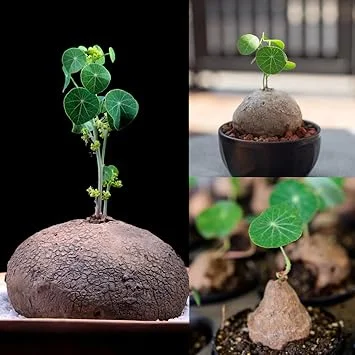
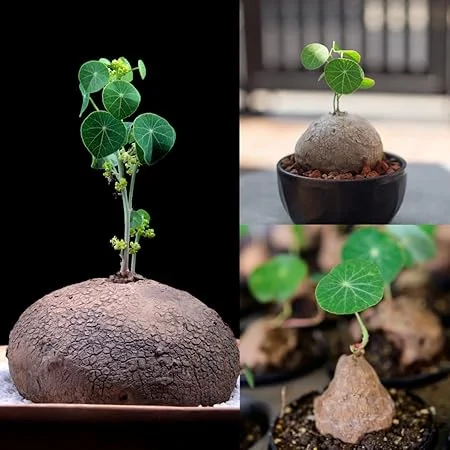
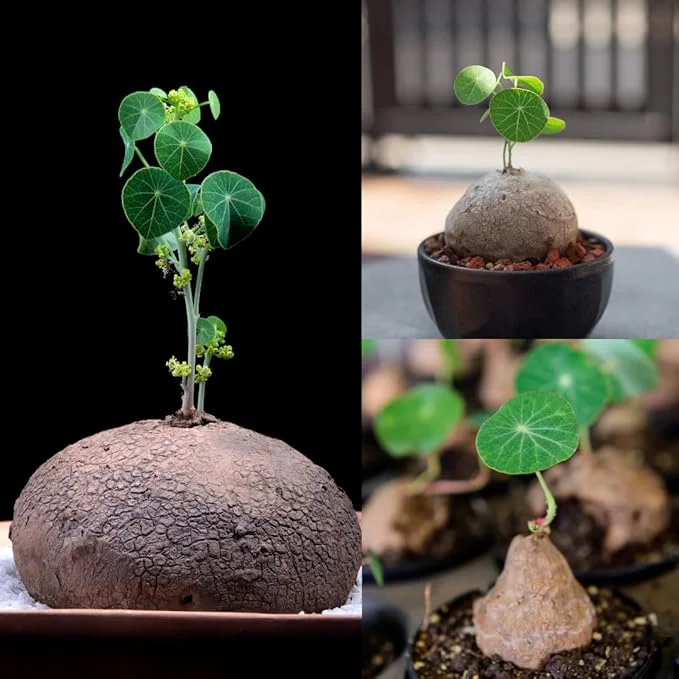
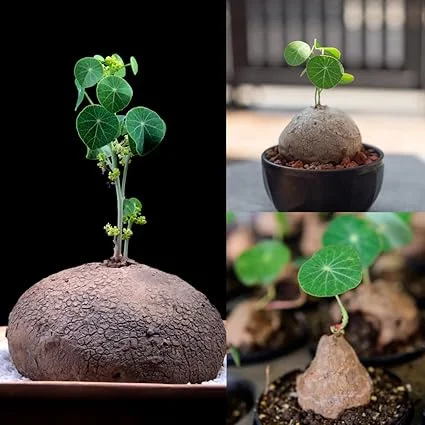
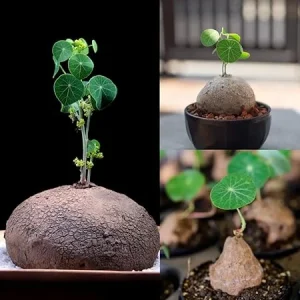
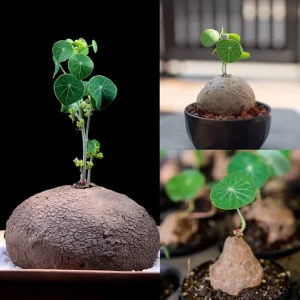
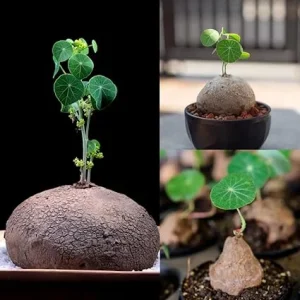
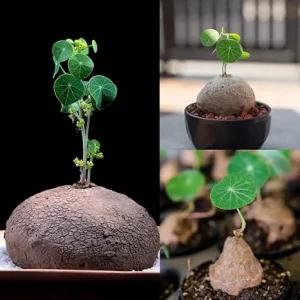
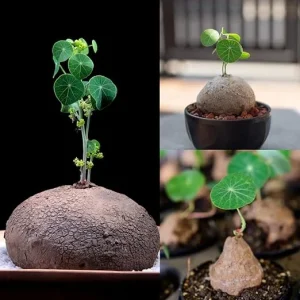
Stephania Cephalantha Caudex Plant – Rare Succulent Live Plant – 3-3.5 Inch Caudex – Indoor Houseplant
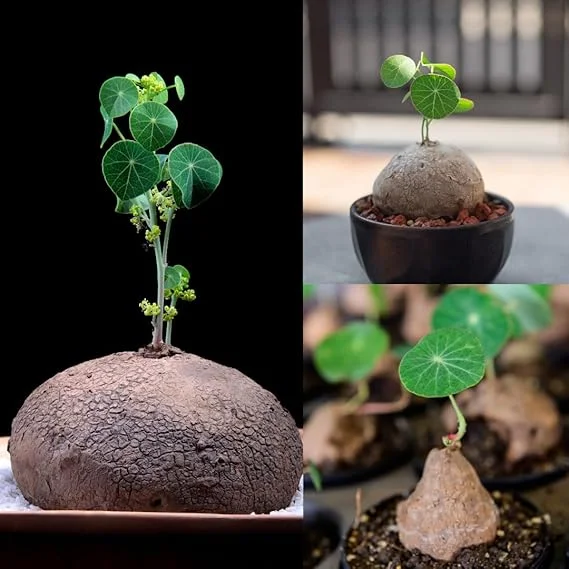
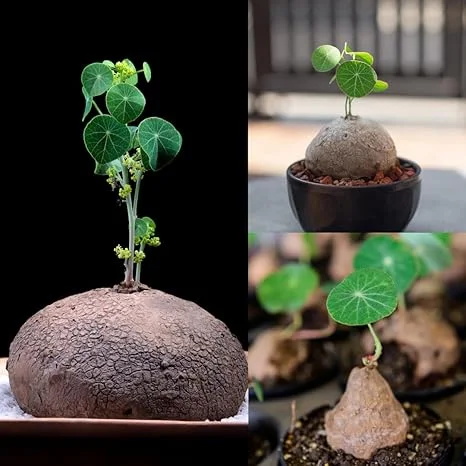
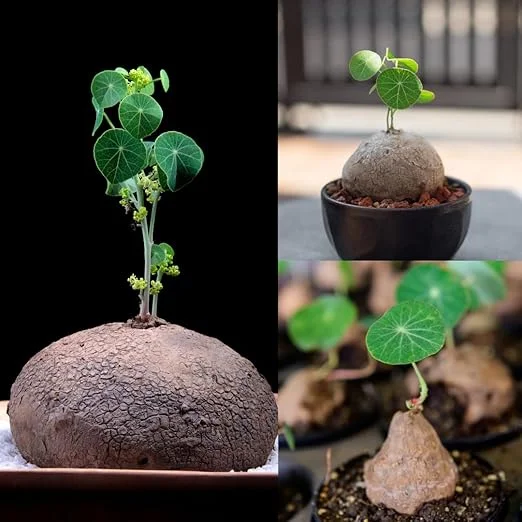
Elevate your indoor garden with a unique Stephania Cephalantha caudex plant. This rare succulent, featuring a distinctive 3-3.5 inch wide caudex, is a captivating addition to any collection. Known for its easy care and striking appearance, it thrives as an indoor caudex plant care specimen, offering year-round visual interest.
Original price was: $115.96.$57.98Current price is: $57.98.

With our Alive & Thrive Guarantee, we’ve got your back for the first 30 days! If you have any concerns about your plants, just reach out to us. Our team is here to help answer your questions and guide you in selecting the best plants for your garden, climate, and unique preferences. We're excited to help you create the garden of your dreams!
Estimated arrival
Mar 31
Apr 05 - Apr 07
Apr 10 - Apr 14
Product Details
-
USDA Hardiness Zone
USDA zones 9-11 (outdoors) / Year-round indoors -
Soil type
Well-drained cactus or succulent soil mix -
Sunlight Exposure
Bright, indirect sunlight -
Expected Planting Period
Year-round indoors (active growth spring to summer)
Overview
Introduce an extraordinary botanical specimen into your home with the Stephania Cephalantha caudex plant. This fascinating live plant is a rare succulent celebrated for its prominent, woody caudex that stores water, making it a remarkably resilient and low-maintenance choice for plant enthusiasts. Originating from Southeast Asia, the Stephania Cephalantha, often simply called a ‘caudex plant,’ develops beautiful, heart-shaped leaves that emerge from its unique, potato-like base. Each plant features a substantial 3-3.5 inch wide caudex, providing an impressive focal point for any indoor setting. Perfect for collectors seeking a truly unique houseplant, this rare succulent caudex offers both aesthetic appeal and a conversation starter.
The Stephania Cephalantha is a deciduous plant, meaning its foliage may die back during its dormancy period, typically in winter, only to re-emerge with fresh growth when conditions are favorable. This natural cycle adds to its intrigue and makes it a rewarding plant to observe throughout the seasons. Its distinctive form and easy-going nature make it an ideal choice for both seasoned succulent lovers and those new to the world of unique houseplants looking for a statement piece.
Key Benefits
The Stephania Cephalantha caudex plant offers a multitude of benefits, making it a highly desirable addition to your indoor plant collection. From its striking appearance to its minimal care requirements, this plant is designed to impress and delight.
- Unique Aesthetic Appeal: Its prominent, spherical caudex and delicate, shield-like leaves create a captivating visual contrast, instantly adding a sculptural element and exotic charm to any room. It’s a true living piece of art.
- Low Maintenance & Drought Tolerant: Thanks to its water-storing caudex, this succulent is incredibly forgiving and requires infrequent watering, making it an excellent choice for busy individuals or those new to plant care. Enjoy its beauty without constant attention.
- Rare Collector’s Item: As a rare succulent caudex, the Stephania Cephalantha is highly sought after by plant collectors. Owning one adds prestige and uniqueness to your botanical assortment, setting your collection apart.
- Adaptable Indoor Plant: While preferring bright, indirect light, this plant adapts well to various indoor environments, thriving in typical household temperatures and humidity levels. It’s an excellent choice for a wide range of interior spaces.
- Long-Lived Specimen: With proper indoor caudex plant care, your Stephania Cephalantha can live for many years, growing and developing its unique caudex further over time, becoming an enduring part of your home decor.
- Conversation Starter: Its unusual appearance guarantees it will catch the eye of visitors, sparking conversations about its unique form and origin. It’s more than just a plant; it’s a botanical curiosity.
- Compact Size: Despite its exotic nature, the plant remains relatively compact, making it suitable for windowsills, desks, or shelves where space might be limited. Its modest footprint allows it to fit into various home aesthetics.
Plant Care & Growing Tips
Providing the right care for your Stephania Cephalantha caudex plant ensures its healthy growth and impressive display. This succulent thrives with a few specific considerations, making Stephania Cephalantha care relatively straightforward once you understand its needs. It prefers bright, indirect sunlight, ideally from an east or north-facing window, or several feet away from a south or west-facing window. Direct, harsh sunlight can scorch its delicate leaves, especially during the hottest parts of the day. If you notice yellowing leaves or stunted growth, it might be receiving too much or too little light.
Watering is crucial for this caudex plant. As a succulent, it stores water in its caudex, making it highly susceptible to overwatering. Always allow the soil to dry out completely between waterings. A good rule of thumb is to check the soil moisture by sticking your finger about an inch or two deep; if it feels dry, it’s time to water. During its active growing season (spring to summer), it will require more frequent watering than during its dormant period (fall to winter), when watering should be significantly reduced or even stopped if the plant goes completely dormant. The ideal soil type is a well-draining cactus or succulent mix, which prevents water from sitting around the caudex and causing rot. Ensure your pot has drainage holes.
The Stephania Cephalantha prefers warm conditions, ideally between 65-85°F (18-29°C), and can tolerate USDA Hardiness Zones 9-11 if grown outdoors in a protected area. However, it is primarily enjoyed as an indoor houseplant due to its sensitivity to cold temperatures. Fertilize sparingly, if at all, using a diluted succulent fertilizer during the growing season. Common problems include root rot from overwatering and pests like mealybugs, which can be managed with appropriate insecticidal soap or neem oil. With attentive care, your Stephania Cephalantha caudex plant will flourish.
Size & Details
This offering is for one live Stephania Cephalantha caudex plant, featuring a robust and visually appealing caudex measuring approximately 3 to 3.5 inches in width. The plant is typically shipped in a dormant or semi-dormant state, especially outside of its active growing season, which means it may arrive without leaves. This is a natural and healthy state for this unique houseplant, and new foliage will emerge when it settles into its new environment with proper indoor caudex plant care.
The mature size of the foliage can reach several inches in height, with individual leaves growing up to 2-3 inches wide, creating a delicate canopy above the impressive caudex. While growth rate varies, you can expect steady development once the plant is established. It is a slow-growing succulent, making it a long-term companion for your indoor garden. This plant is a fantastic choice for anyone looking for a truly unique houseplant succulent that stands out from the crowd.
Frequently Asked Questions
- Q: How big does this plant get? A: The caudex included in this offering is 3-3.5 inches wide. The foliage that emerges from the caudex can grow several inches tall, with individual leaves reaching about 2-3 inches in width, creating a lovely, compact display.
- Q: Is this an indoor or outdoor plant? A: While it can survive outdoors in USDA Zones 9-11, the Stephania Cephalantha caudex plant is primarily grown as an indoor houseplant in most climates due to its preference for stable, warm conditions and protection from frost.
- Q: How much sunlight does it need? A: This plant thrives in bright, indirect sunlight. Avoid harsh, direct sun exposure, which can scorch its leaves. An east or north-facing window is often ideal, or a spot a few feet away from a south or west-facing window.
- Q: Is this plant easy to care for? A: Yes, with proper attention to its watering needs, the Stephania Cephalantha is considered a relatively easy-care succulent. Its caudex stores water, making it quite drought-tolerant, which simplifies Stephania Cephalantha care.
- Q: What condition will it arrive in? A: Your Stephania Cephalantha caudex plant may arrive in a dormant or semi-dormant state, possibly without leaves. This is normal for this plant; new growth will emerge once it’s established in its new home.
- Q: How often should I water my caudex plant? A: Water sparingly. Allow the soil to dry out completely between waterings. Overwatering is the most common cause of problems for this rare succulent caudex, especially during its dormant period.
- Q: What kind of soil is best for this plant? A: A well-draining cactus or succulent potting mix is essential. This prevents water from accumulating around the caudex, which can lead to rot. Ensure the pot has adequate drainage holes.
- Q: What’s the minimum temperature this plant can tolerate? A: The Stephania Cephalantha prefers temperatures above 65°F (18°C). It is not frost-tolerant and should be protected from cold drafts or temperatures below 50°F (10°C).
- Q: Why is my plant losing its leaves? A: Leaf drop is a natural part of its dormancy cycle, typically occurring in fall or winter. As long as the caudex remains firm, the plant is healthy and will regrow leaves when conditions improve.
- Q: Is this a good plant for beginners? A: Yes, due to its drought tolerance and unique growth habit, it can be a rewarding unique houseplant succulent for beginners, provided they understand its specific watering requirements.
Related products
-30%
Original price was: $85.98.$60.18Current price is: $60.18.
-30%
Original price was: $79.98.$55.98Current price is: $55.98.
-30%
Original price was: $79.98.$55.98Current price is: $55.98.
-30%
Original price was: $79.98.$55.98Current price is: $55.98.
-30%
Original price was: $79.98.$55.98Current price is: $55.98.
PLANTING & CARE

The Comprehensive Guide to Growing Bay Leaf Plants for a Flavorful Garden
Imagine stepping into your garden, greeted by the earthy aroma of fresh bay leaves, their
09
Feb
Feb

How to Make Comfrey Tea: The Ultimate Organic Plant Food
Growing an organic garden can be surprisingly expensive, especially when most store-bought fertilizers come in
02
Feb
Feb

True Comfrey: 7 Essential Tips Before You Plant This Herb
A staple in permaculture practices across the US, True Comfrey easily earns its reputation as
27
Jan
Jan

7 Heart-Shaped Plants for a Lasting Valentine’s Gift
If you’ve ever bought a bouquet of roses for Valentine’s Day, you know they are
26
Jan
Jan

Best Types of Ivy Plant for Houses: How to Choose the Perfect Ones for Your Home
Are you a garden lover looking to introduce some greenery into your home? Maybe you’ve
14
Nov
Nov

When to Harvest Garlic (Especially Fall-Planted Garlic)
TIMING IS EVERYTHING, they say – and for garlic, that truth hits with surprising accuracy.
13
Nov
Nov

11 of the Best Sweet Potato Varieties to Grow for Your Garden
If you’ve ever tried growing sweet potatoes, you know that picking the right variety can
12
Nov
Nov
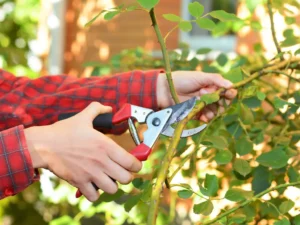
Pruning Bougainvillea for Winter
Bougainvillea vines are known for their dazzling display of magenta, orange, and fuchsia bracts that
05
Nov
Nov