Monstera Deliciosa Live Plant – Swiss Cheese Plant, Split Leaf Indoor Houseplant, 4 Inch Pot
-50%
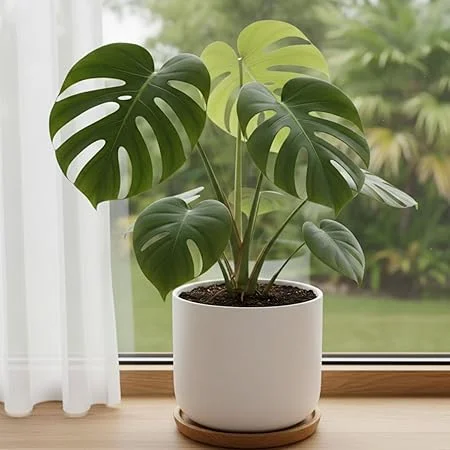
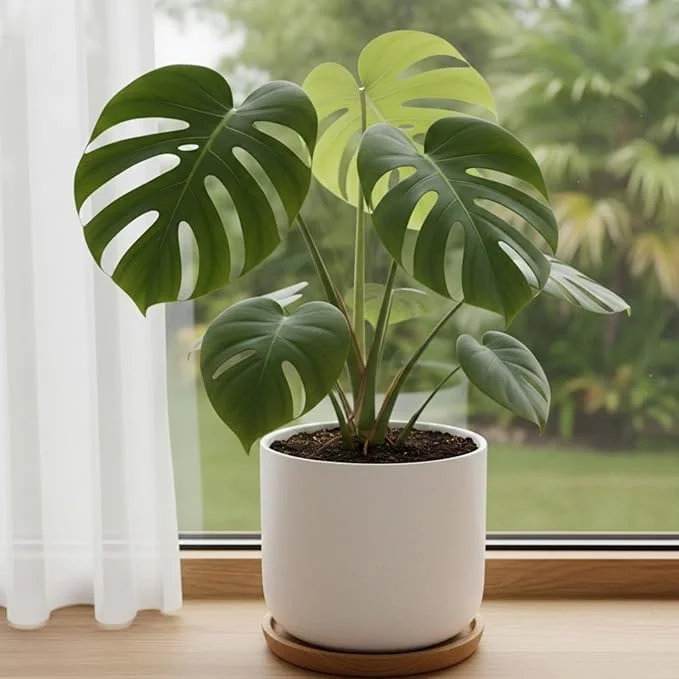
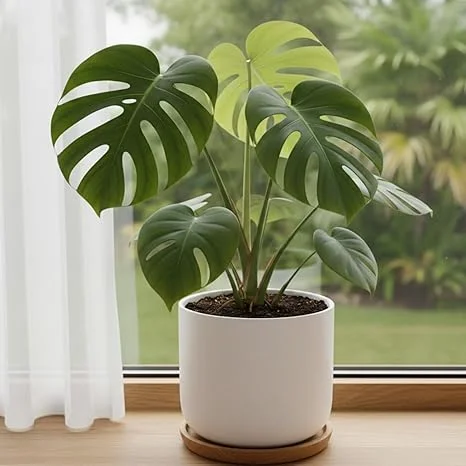
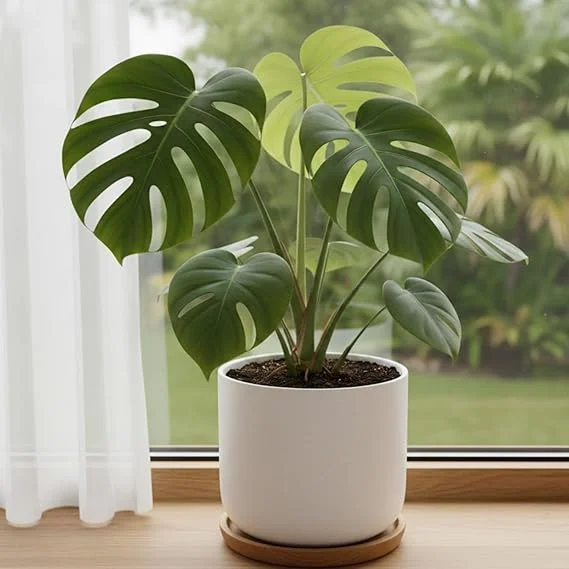
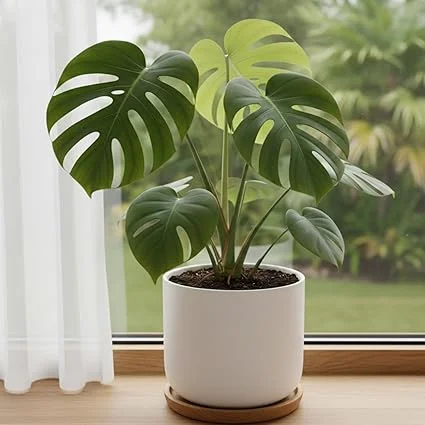
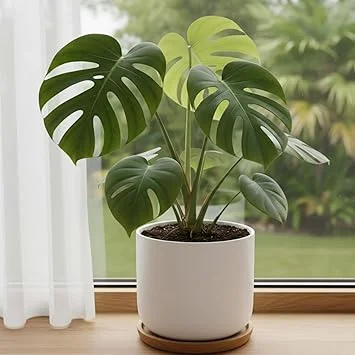
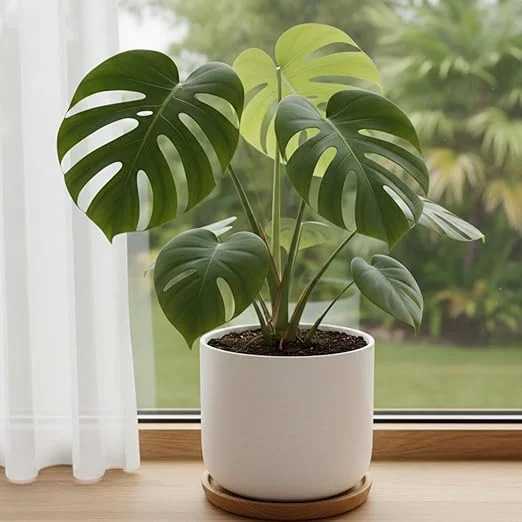
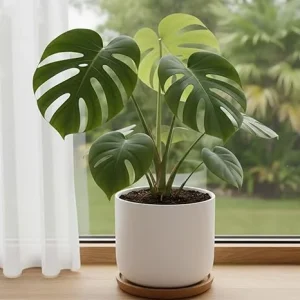
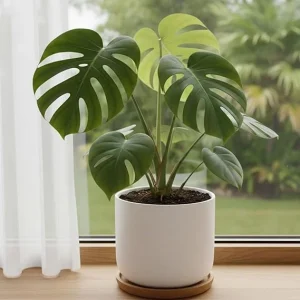
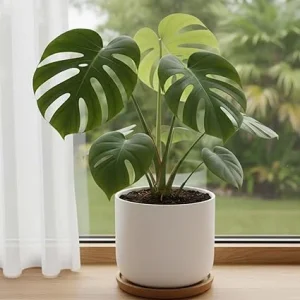
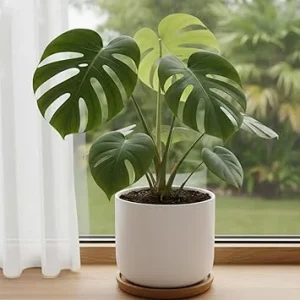
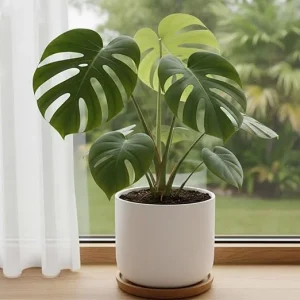
Monstera Deliciosa Live Plant – Swiss Cheese Plant, Split Leaf Indoor Houseplant, 4 Inch Pot
Elevate your indoor space with a beautiful Monstera Deliciosa live plant, also known as the Swiss Cheese plant. This stunning, easy-care houseplant features iconic split leaves, adding a touch of tropical elegance. Perfect for beginners and seasoned plant enthusiasts alike, arriving in a 4-inch pot, ready to thrive.
Original price was: $95.96.$47.98Current price is: $47.98.

With our Alive & Thrive Guarantee, we’ve got your back for the first 30 days! If you have any concerns about your plants, just reach out to us. Our team is here to help answer your questions and guide you in selecting the best plants for your garden, climate, and unique preferences. We're excited to help you create the garden of your dreams!
Estimated arrival
Mar 31
Apr 05 - Apr 07
Apr 10 - Apr 14
Product Details
-
USDA Hardiness Zone
USDA Zones 10-12 (if grown outdoors) -
Soil type
Well-draining, airy potting mix -
Sunlight Exposure
Bright, indirect light -
Expected Planting Period
Year-round indoors
Overview
Introducing the magnificent Monstera Deliciosa live plant, a true icon of the indoor jungle. Often referred to as the Swiss Cheese plant due to its distinctive fenestrated (split and holed) leaves, this tropical beauty is renowned for its lush foliage and impressive size. As a live plant, it brings a vibrant, natural element to any home or office environment, creating an instant focal point with its architectural leaves. The Monstera Deliciosa is a relatively low-maintenance plant, making it an excellent choice for both novice and experienced plant parents seeking to cultivate a lush, green sanctuary indoors. Its striking appearance and vigorous growth habit make it a popular choice for tropical-style interiors and modern decor.
This particular offering is a healthy, young Monstera Deliciosa live plant, ready to establish itself in your space. Originating from the tropical rainforests of Southern Mexico and Panama, this plant thrives in conditions that mimic its natural habitat. Its common names, such as Split-Leaf Philodendron, Mexican Breadfruit, and Hurricane Plant, alludes to its unique leaf structure and fruit-bearing capabilities in the wild. While primarily grown for its ornamental foliage indoors, the Monstera Deliciosa is a dynamic and rewarding plant to observe as it matures and develops its characteristic leaf splits.
Key Benefits
The Monstera Deliciosa live plant offers a multitude of benefits beyond its stunning aesthetic appeal, making it a highly desirable addition to any indoor plant collection:
- Exceptional Decorative Appeal: The large, glossy, deep green leaves with their iconic splits and holes create a dramatic visual statement. As the plant matures, the fenestrations become more pronounced, adding to its unique charm and making it a living piece of art that enhances any room’s decor.
- Natural Air Purifier: Like many houseplants, the Monstera Deliciosa live plant contributes to a healthier indoor environment by absorbing airborne toxins and releasing oxygen. This natural purification process can improve air quality, leading to a fresher and more invigorating living space.
- Relatively Low Maintenance: Despite its exotic appearance, the Swiss Cheese plant is surprisingly resilient and forgiving. It tolerates a range of indoor conditions, making it an ideal choice for busy individuals or those new to plant care. Its moderate watering needs and preference for partial sun simplify its upkeep.
- Vigorous Growth & Impressive Size: With proper care, a Monstera Deliciosa live plant can grow quite large indoors, often reaching heights of 6-8 feet. This impressive growth provides a lush, tropical feel, transforming smaller spaces into vibrant, green havens. Its climbing nature can also be supported to create stunning vertical displays.
- Boosts Mood and Well-being: Surrounding yourself with plants has been shown to reduce stress, improve focus, and enhance overall mood. The presence of a thriving split leaf philodendron can create a calming and positive atmosphere, contributing to a sense of well-being and connection with nature.
- Adaptable to Various Light Conditions: While it thrives in bright, indirect light, the Monstera Deliciosa can adapt to slightly lower light conditions, making it versatile for different spots within your home. This adaptability ensures it can flourish even in areas that don’t receive direct sunlight.
Plant Care & Growing Tips
Caring for your Monstera Deliciosa live plant is a rewarding experience, and with a few key practices, you can ensure its vibrant growth. This tropical plant thrives in conditions that mimic its native rainforest environment. For optimal health, aim to provide consistent care. The Swiss Cheese plant care routine is straightforward once you understand its basic needs.
Sunlight Requirements: Your Monstera prefers bright, indirect light. Place it near a window where it receives plenty of ambient light but is shielded from direct, harsh afternoon sun, which can scorch its leaves. An east or north-facing window is often ideal. If placed in lower light, its growth may slow, and the characteristic leaf splits might be less prominent. Conversely, too much direct sun can lead to yellowing or burnt leaves. Rotate the plant periodically to ensure even growth.
Watering Schedule and Soil Moisture Preferences: Water your Monstera when the top 2-3 inches of soil feel dry to the touch. It’s better to underwater slightly than to overwater, as consistently wet soil can lead to root rot. When watering, thoroughly drench the soil until water drains from the bottom of the pot, then discard any excess water in the saucer. During winter months or periods of slower growth, reduce watering frequency. The plant also appreciates moderate to high humidity; consider misting its leaves regularly or placing it near a humidifier, especially in dry indoor environments. This helps in maintaining healthy foliage and encouraging robust growth of your Monstera Deliciosa live plant.
Soil Type and Drainage Requirements: A well-draining, airy potting mix is crucial for a healthy Monstera. A good mix typically contains peat moss, perlite, and pine bark to provide both moisture retention and excellent drainage. This prevents waterlogging and allows air to reach the roots. Ensure your pot has drainage holes. Split leaf philodendron plants are susceptible to root rot if their roots sit in stagnant water.
Temperature Range and USDA Hardiness Zone: Monsteras thrive in warm temperatures, ideally between 65-80°F (18-27°C). Avoid exposing them to temperatures below 50°F (10°C), as they are sensitive to cold. While primarily an indoor plant in most climates, if grown outdoors, it is suited for USDA Hardiness Zone 10-12. This plant is not frost-tolerant.
Fertilization Schedule and Type: Feed your Monstera with a balanced liquid fertilizer every 2-4 weeks during the growing season (spring and summer). Reduce fertilization in fall and winter when the plant’s growth slows. Follow the product’s instructions for dilution. Over-fertilization can harm the plant.
Common Problems and Solutions: Yellowing leaves can indicate overwatering or nutrient deficiency. Brown, crispy leaf edges often point to low humidity or underwatering. Pests like spider mites or mealybugs can be treated with insecticidal soap. Regularly inspect your plant to catch issues early. Providing consistent indoor tropical plants care will ensure a thriving specimen.
Size & Details
This offering is for one healthy Monstera Deliciosa live plant, typically arriving in a 4-inch nursery pot. At this stage, the plant generally stands about 6-10 inches tall from the base of the pot, featuring several developing leaves. As a young plant, its characteristic leaf fenestrations (splits) may not yet be fully developed, but they will emerge as the plant matures. With adequate care and ideal growing conditions, a Monstera Deliciosa live plant can grow significantly indoors, potentially reaching an impressive height of 6-8 feet tall, and spreading 2-3 feet wide, creating a substantial presence in your living space. The growth rate is considered moderate to fast in optimal conditions, allowing you to quickly enjoy its lush foliage. It is shipped as a well-rooted, actively growing plant, carefully packaged to ensure a safe journey to your home. The plant is ready to be placed in its new environment or repotted into a slightly larger decorative container upon arrival. Expected time to maturity for fully developed, fenestrated leaves is typically within 1-2 years.
Frequently Asked Questions
- Q: How big does this Monstera Deliciosa live plant get? A: This young plant arrives in a 4-inch pot and is typically 6-10 inches tall. With proper care, it can grow to an impressive 6-8 feet tall indoors, with leaves developing more prominent splits as it matures.
- Q: Is this an indoor or outdoor plant? A: While it can be grown outdoors in tropical climates (USDA Zones 10-12), the Monstera Deliciosa live plant is primarily cultivated as an indoor houseplant in most regions due to its sensitivity to cold temperatures.
- Q: How much sunlight does my Swiss Cheese plant need? A: It thrives in bright, indirect sunlight. Avoid direct afternoon sun, which can scorch its leaves. An east or north-facing window is usually ideal.
- Q: Is this plant easy to care for? A: Yes, the Monstera Deliciosa live plant is considered relatively low maintenance and forgiving, making it a great choice for both beginner and experienced plant enthusiasts. Consistent watering and bright, indirect light are key.
- Q: What condition will it arrive in? A: Your plant will arrive as a healthy, well-rooted specimen in its nursery pot, carefully packaged to minimize stress during transit. Some minor leaf adjustment after shipping is normal.
- Q: When is the best time to repot my split leaf philodendron? A: It’s best to repot your Monstera in the spring or early summer when it’s actively growing. Repot when you see roots growing out of the drainage holes or if the plant seems top-heavy for its current pot.
- Q: What kind of soil does it prefer? A: A well-draining, airy potting mix is essential. Look for mixes containing peat moss, perlite, and pine bark to ensure proper drainage and aeration for the roots.
- Q: Will my large leaf houseplants develop splits immediately? A: Young Monstera Deliciosa plants may not have fully developed leaf splits (fenestrations) upon arrival. These iconic splits typically appear as the plant matures and grows larger leaves.
- Q: How often should I water my indoor tropical plants? A: Water when the top 2-3 inches of soil feel dry to the touch. Ensure thorough watering until water drains from the pot, then discard any excess. Reduce watering in cooler months.
- Q: Is the Monstera Deliciosa live plant pet-safe? A: No, Monstera Deliciosa is toxic to pets if ingested due to calcium oxalates. Keep it out of reach of curious pets and children.
Related products
-50%
Original price was: $39.98.$19.98Current price is: $19.98.


-30%
Original price was: $129.98.$90.98Current price is: $90.98.
-25%
Original price was: $30.00.$22.50Current price is: $22.50.
PLANTING & CARE
Growing Glencoe Raspberry: A Complete Guide for Gardeners
If you’re looking to add something unique to your garden, look no further than the
31
Mar
Mar

The Comprehensive Guide to Growing Bay Leaf Plants for a Flavorful Garden
Imagine stepping into your garden, greeted by the earthy aroma of fresh bay leaves, their
09
Feb
Feb

How to Make Comfrey Tea: The Ultimate Organic Plant Food
Growing an organic garden can be surprisingly expensive, especially when most store-bought fertilizers come in
02
Feb
Feb

True Comfrey: 7 Essential Tips Before You Plant This Herb
A staple in permaculture practices across the US, True Comfrey easily earns its reputation as
27
Jan
Jan

7 Heart-Shaped Plants for a Lasting Valentine’s Gift
If you’ve ever bought a bouquet of roses for Valentine’s Day, you know they are
26
Jan
Jan

Best Types of Ivy Plant for Houses: How to Choose the Perfect Ones for Your Home
Are you a garden lover looking to introduce some greenery into your home? Maybe you’ve
14
Nov
Nov

When to Harvest Garlic (Especially Fall-Planted Garlic)
TIMING IS EVERYTHING, they say – and for garlic, that truth hits with surprising accuracy.
13
Nov
Nov

11 of the Best Sweet Potato Varieties to Grow for Your Garden
If you’ve ever tried growing sweet potatoes, you know that picking the right variety can
12
Nov
Nov