6 Red Venus Flytrap Live Starter Plants – Dionaea Muscipula Carnivorous Plant
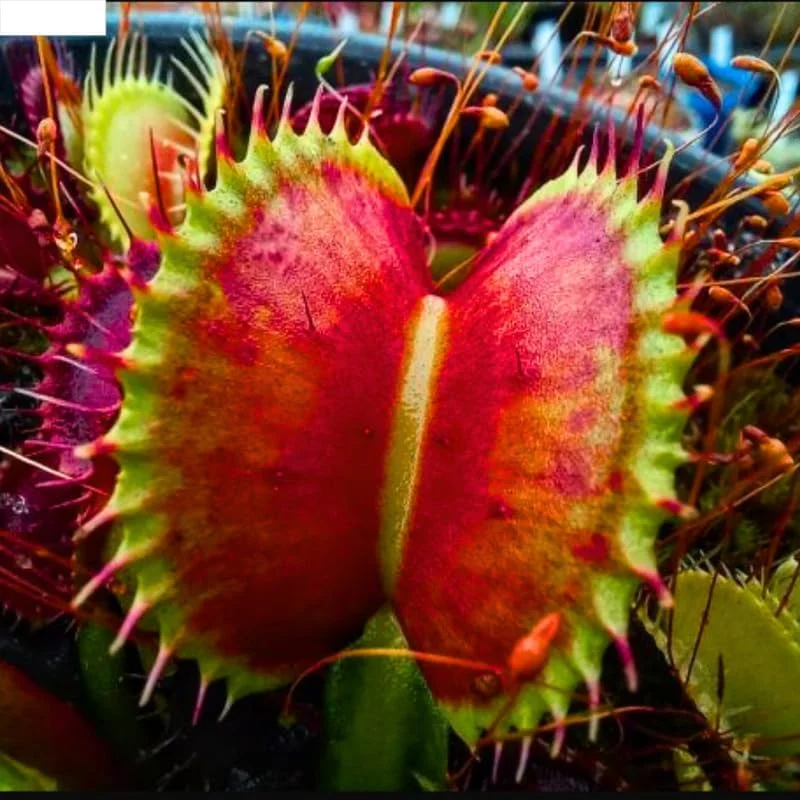
6 Red Venus Flytrap Live Starter Plants – Dionaea Muscipula Carnivorous Plant
Cultivate your own fascinating carnivorous garden with this pack of 6 red venus flytrap live plant starters. These dionaea muscipula starter plants are ideal for beginners and experienced growers alike, perfect for both indoor and outdoor settings. Watch these unique plants capture insects, adding an exotic touch to your home or patio.
$101.18

With our Alive & Thrive Guarantee, we’ve got your back for the first 30 days! If you have any concerns about your plants, just reach out to us. Our team is here to help answer your questions and guide you in selecting the best plants for your garden, climate, and unique preferences. We're excited to help you create the garden of your dreams!
Estimated arrival
Mar 31
Apr 05 - Apr 07
Apr 10 - Apr 14
Product Details
-
USDA Hardiness Zone
USDA zones 7-10 (outdoors with protection), year-round indoors -
Soil type
Sphagnum peat moss and perlite/sand mix -
Sunlight Exposure
Full sun to bright indirect light (4-6+ hours direct sun) -
Expected Planting Period
Year-round indoors; Spring to early summer outdoors
Overview
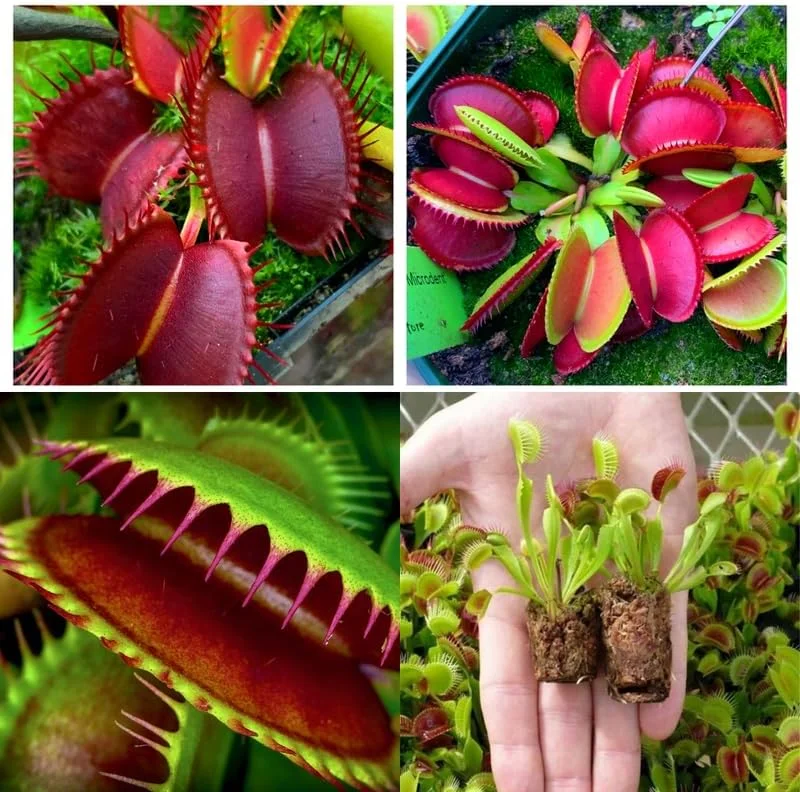
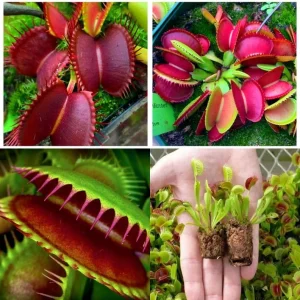
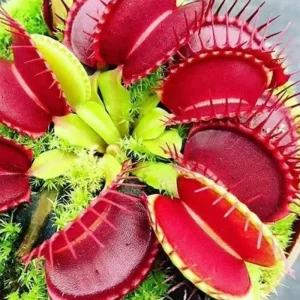
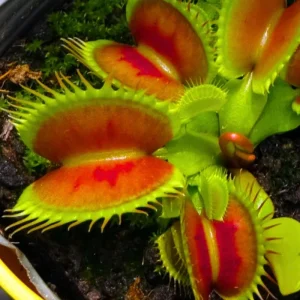
Bring the intriguing world of carnivorous plants into your home with this exceptional pack of 6 red venus flytrap live plant starters. Each plant is a vibrant specimen of Dionaea muscipula, renowned for its distinctive red-tinged traps and fascinating insect-catching abilities. Often simply called a ‘fly trap’, this unique plant is a captivating addition to any collection, appealing to both seasoned plant enthusiasts and those new to the joys of gardening. These starter plants provide an excellent opportunity to learn about carnivorous plant care and observe nature’s ingenuity up close. The striking red coloration of the traps makes them a particularly attractive variant, adding a splash of dramatic color wherever they are placed. They are not just decorative; they are active hunters that contribute to natural pest control in their immediate environment, making them both beautiful and functional.
The red venus flytrap live plant is a marvel of evolution, adapted to thrive in nutrient-poor soils by supplementing its diet with insects. This pack provides six individual plants, allowing for multiple display options or for sharing with fellow plant lovers. Whether you’re looking to start a new hobby or expand an existing collection, these healthy starters are ready to establish themselves and begin their fascinating predatory life cycle. Their compact size makes them suitable for windowsills, terrariums, or bog gardens, offering versatility in their placement. Discover the allure of these unique botanical wonders and enjoy the rewarding experience of growing your own carnivorous plants.
Key Benefits
Growing red venus flytrap live plant varieties offers a multitude of benefits, from their captivating appearance to their natural pest control capabilities. These plants are truly one-of-a-kind, providing an educational and engaging experience for all ages. Here are some of the key advantages of cultivating these remarkable carnivorous plants:
- Natural Insect Control: The primary benefit of these plants is their ability to catch and digest small insects like flies, mosquitoes, and ants. This makes them a fascinating and eco-friendly way to manage pests in your home or garden without using harsh chemicals. Observing the traps in action is an engaging experience.
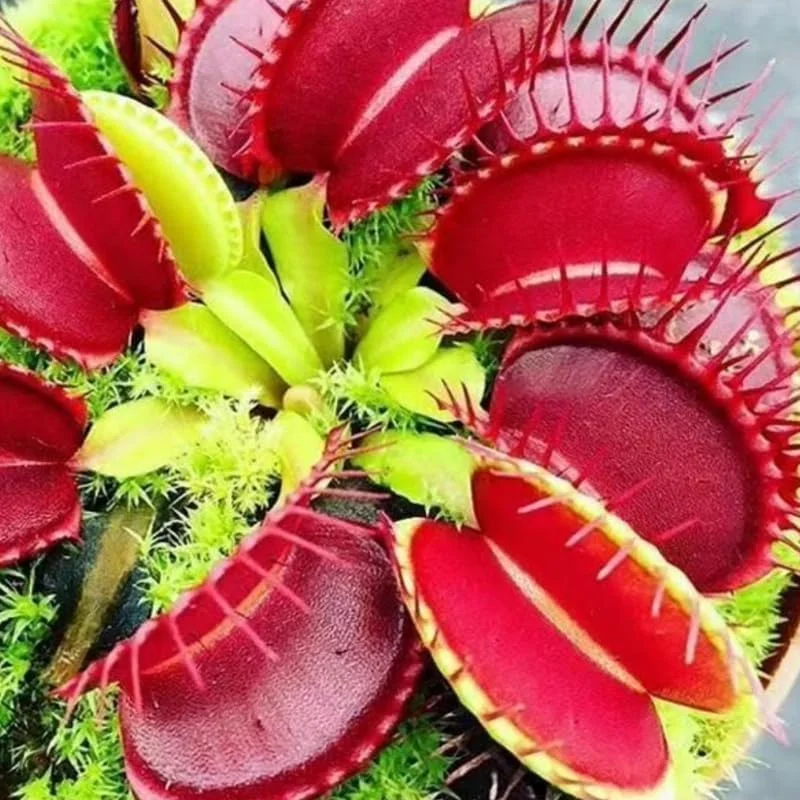
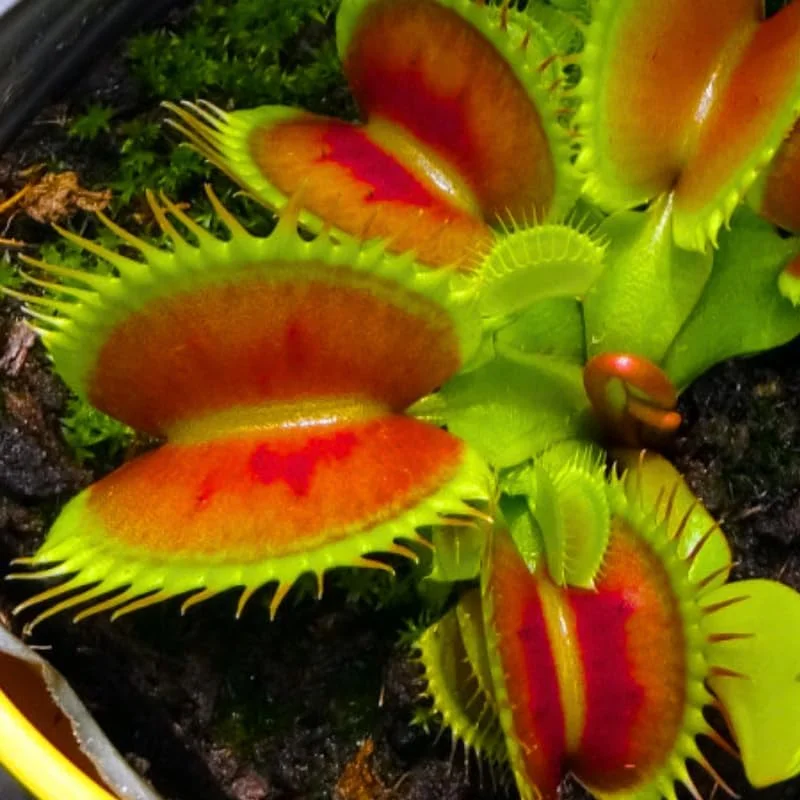
- Unique Aesthetic Appeal: The vibrant red interior of the traps provides a striking contrast to the green foliage, making these plants highly ornamental. They add an exotic and unusual element to any plant collection, drawing attention and sparking conversation. Their distinct form is unlike any other houseplant.
- Educational Value: For children and adults alike, the dionaea muscipula starter offers an incredible learning opportunity about biology, adaptation, and ecosystem balance. Watching the traps close is a hands-on lesson in plant behavior and carnivorous survival strategies.
- Relatively Easy to Grow: Despite their exotic nature, venus flytrap care can be straightforward with the right conditions. They are surprisingly resilient and, once their basic needs for light and water are met, they thrive with minimal fuss, making them suitable for beginner gardeners.
- Compact Size: These starter plants are small and manageable, fitting comfortably in various indoor settings such as desks, windowsills, or small terrariums. Their modest size allows you to enjoy their unique charm even in limited spaces. They are perfect for creating miniature bog gardens.
- Conversation Starter: A carnivorous plant for sale like the Venus flytrap is an instant talking point. Its unusual appearance and feeding habits are sure to intrigue guests and spark curious questions about its biology and care.
- Therapeutic Hobby: The process of nurturing and observing these unique plants can be a relaxing and rewarding hobby, offering a connection to nature and a sense of accomplishment as they grow and flourish. The satisfaction of a healthy, thriving plant is immense.
Plant Care & Growing Tips
Proper venus flytrap care is crucial for the health and longevity of your new red venus flytrap live plant. While they have a reputation for being finicky, providing the right environment makes them surprisingly resilient and enjoyable to grow. The key is to mimic their natural bog habitat as closely as possible. They require specific conditions for light, water, and soil that differ from most common houseplants. Understanding these needs will ensure your dionaea muscipula starter flourishes and develops those iconic, insect-snapping traps.
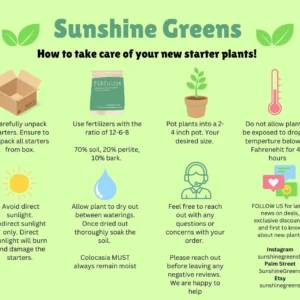
Sunlight: Venus flytraps need plenty of bright light. Aim for at least 4-6 hours of direct sunlight daily. If growing indoors, a south-facing window is ideal. Without sufficient light, the traps will not develop their vibrant red coloration and the plant will become leggy and weak. Grow lights can be an excellent supplement if natural light is insufficient, especially during winter months. Watering: The most critical aspect of growing venus flytrap is water quality. They must be watered with distilled water, rainwater, or reverse osmosis water. Tap water, even filtered, often contains minerals that will build up and eventually kill the plant. Keep the soil consistently moist, but not waterlogged. A common method is to place the pot in a tray of about an inch of water, allowing the plant to wick up moisture as needed. Never let the soil dry out completely. Soil Type: Venus flytraps require a very specific, nutrient-poor, acidic soil mix. A blend of sphagnum peat moss (not enriched potting soil) and horticultural perlite or coarse sand (in a 1:1 or 2:1 ratio) is ideal. Do not use regular potting soil, as its nutrients and fertilizers will harm the plant. Temperature and Humidity: They prefer warm temperatures during their growing season (spring to fall), ideally between 65-95°F (18-35°C). They also benefit from high humidity, which can be achieved through misting or by placing the plant in a terrarium (ensure good air circulation). Dormancy: Venus flytraps require a winter dormancy period, typically from October/November to February/March, where temperatures drop to 35-55°F (2-13°C). During this time, growth slows significantly, and traps may die back. Reduce watering, but don’t let the soil dry out. This dormancy is essential for their long-term health. Fertilization: Do not fertilize your Venus flytrap. They get all the nutrients they need from the insects they catch. Fertilizers will burn their delicate root system. If grown outdoors, they will catch enough insects naturally. If grown indoors and not catching insects, you can occasionally feed them a small, live insect (like a housefly) that fits within the trap. Avoid feeding them too frequently. Pests and Diseases: Venus flytraps are generally robust but can occasionally suffer from aphids or mealybugs. Treat with insecticidal soap or neem oil, avoiding chemical pesticides that can harm the plant. Ensuring good air circulation helps prevent fungal issues.
Size & Details
This offering includes a pack of 6 red venus flytrap live plant starter specimens, each carefully cultivated to ensure healthy growth upon arrival. These young plants are typically shipped at an early growth stage, making them perfect for acclimatization to your home environment and for observing their full development. While specific dimensions can vary slightly due to their live nature and growth stage, each dionaea muscipula starter will arrive as a robust, viable plantlet with developing traps, ready to be potted into its permanent home. The plants are compact, making them ideal for small spaces or for integrating into a larger carnivorous plant display or bog garden. Expect the individual plants to gradually increase in size as they mature, with traps growing larger and their characteristic red coloration intensifying under optimal light conditions. The time to reach full maturity and produce larger, more numerous traps will depend on the growing conditions provided, but with proper venus flytrap care, you can expect steady progress. These plants are typically shipped in a protected state, often in a small nursery pot or with their root system carefully wrapped to ensure hydration during transit, ready for immediate planting upon receipt.
Frequently Asked Questions
- Q: How big do these red Venus flytrap plants get? A: These are starter plants, so they will arrive small. With proper care, a mature red venus flytrap live plant can grow to be about 4-6 inches in diameter, though individual traps are typically 1-2 inches long.
- Q: Is this an indoor or outdoor plant? A: The Venus flytrap can thrive both indoors and outdoors, provided it receives sufficient sunlight and is protected from extreme cold during its dormancy. Many growers keep them as fascinating houseplants, but they also do well in outdoor bog gardens in suitable climates.
- Q: How much sunlight does a Venus flytrap need? A: For optimal growth and vibrant trap coloration, your dionaea muscipula starter needs at least 4-6 hours of direct sunlight daily. If growing indoors, a bright, south-facing window is best, or you may need to supplement with a grow light.
- Q: Is this plant easy to care for, especially for beginners? A: Yes, growing venus flytrap can be quite easy for beginners if you follow a few key rules, especially regarding water quality (distilled or rainwater only) and sufficient light. They are more straightforward than many exotic plants once their basic needs are understood.
- Q: What condition will the plants arrive in? A: Your carnivorous plant for sale will arrive as healthy, live starter plants, carefully packaged to ensure their safety during transit. They will be ready for immediate planting into their chosen acidic, nutrient-poor soil mix.
- Q: When is the best time to plant these Venus flytraps? A: These starter plants can be potted any time of year if grown indoors. If you plan to grow them outdoors, spring to early summer is ideal, allowing them to establish before their winter dormancy period.
- Q: Can I feed my Venus flytrap hamburger meat? A: No, absolutely not. Venus flytraps are adapted to digest insects, not meat. Feeding them human food can rot the traps and kill the plant. They catch their own food, or you can occasionally offer a small, live insect.
- Q: What kind of soil should I use for my Venus flytrap? A: Use a mix of sphagnum peat moss and perlite or coarse sand, typically in a 1:1 or 2:1 ratio. Never use standard potting soil or any soil with added fertilizers, as this will be detrimental to your red venus flytrap live plant.
- Q: Do these plants require a dormancy period? A: Yes, Venus flytraps require a winter dormancy period for long-term health. During this time, typically cooler temperatures and reduced light trigger a resting phase, which is crucial for them to rebound vigorously in the spring.
- Q: Are these plants pet-safe? A: Venus flytraps are not considered toxic to pets, but it’s generally best to keep curious pets from disturbing the plants or eating the traps, as this can damage the plant.
| Color | Green, Mix Random, Red, Short-Toothed Red |
|---|
Related products
-35%
Original price was: $37.24.$24.20Current price is: $24.20.
-25%
Original price was: $33.90.$25.42Current price is: $25.42.
-25%
Original price was: $20.90.$15.68Current price is: $15.68.
-25%
Original price was: $20.90.$15.68Current price is: $15.68.
-30%
Original price was: $129.98.$90.98Current price is: $90.98.
PLANTING & CARE

Growing Glencoe Raspberry: A Complete Guide for Gardeners
If you’re looking to add something unique to your garden, look no further than the
31
Mar
Mar

The Comprehensive Guide to Growing Bay Leaf Plants for a Flavorful Garden
Imagine stepping into your garden, greeted by the earthy aroma of fresh bay leaves, their
09
Feb
Feb

How to Make Comfrey Tea: The Ultimate Organic Plant Food
Growing an organic garden can be surprisingly expensive, especially when most store-bought fertilizers come in
02
Feb
Feb

True Comfrey: 7 Essential Tips Before You Plant This Herb
A staple in permaculture practices across the US, True Comfrey easily earns its reputation as
27
Jan
Jan

7 Heart-Shaped Plants for a Lasting Valentine’s Gift
If you’ve ever bought a bouquet of roses for Valentine’s Day, you know they are
26
Jan
Jan

Best Types of Ivy Plant for Houses: How to Choose the Perfect Ones for Your Home
Are you a garden lover looking to introduce some greenery into your home? Maybe you’ve
14
Nov
Nov

When to Harvest Garlic (Especially Fall-Planted Garlic)
TIMING IS EVERYTHING, they say – and for garlic, that truth hits with surprising accuracy.
13
Nov
Nov

11 of the Best Sweet Potato Varieties to Grow for Your Garden
If you’ve ever tried growing sweet potatoes, you know that picking the right variety can
12
Nov
Nov