3 B52 Giant Venus Flytrap Live Plants – Starter Size Carnivorous Plant

3 B52 Giant Venus Flytrap Live Plants – Starter Size Carnivorous Plant
Bring the fascinating world of carnivorous plants into your home with these 3 B52 Giant Venus Flytrap live plant starters. Perfect for terrariums or sunny windowsills, these unique plants are easy to care for and captivating to watch. Ideal for both indoor and outdoor gardening enthusiasts.
From $61.58

With our Alive & Thrive Guarantee, we’ve got your back for the first 30 days! If you have any concerns about your plants, just reach out to us. Our team is here to help answer your questions and guide you in selecting the best plants for your garden, climate, and unique preferences. We're excited to help you create the garden of your dreams!
Estimated arrival
Mar 31
Apr 05 - Apr 07
Apr 10 - Apr 14


Product Details
-
USDA Hardiness Zone
8-10 -
Soil type
Peat moss and perlite/sand mix -
Sunlight Exposure
Full sun to bright direct light -
Expected Planting Period
Year-round indoors, spring to early summer outdoors
Overview
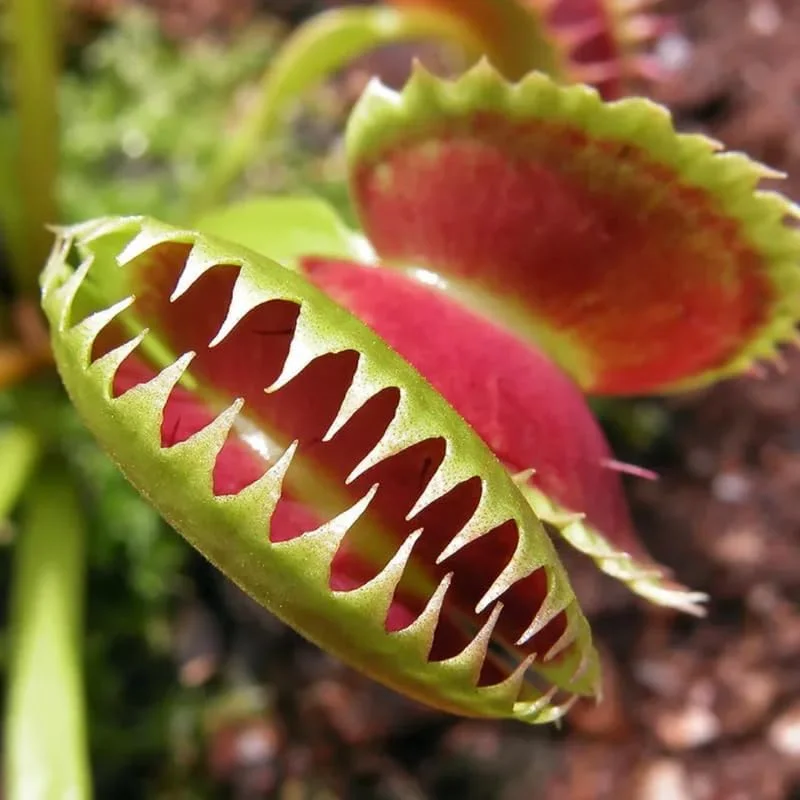
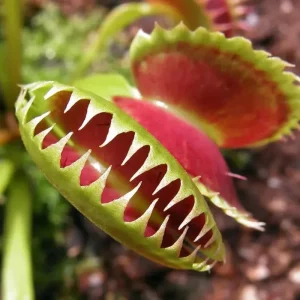
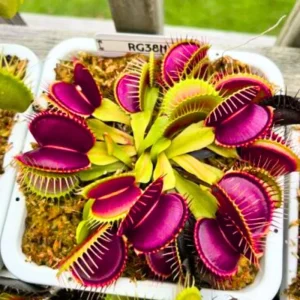
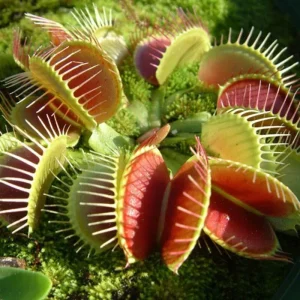
Experience the thrill of growing one of nature’s most intriguing plants with this offering of 3 B52 Giant Venus Flytrap live plant specimens. The ‘B52’ cultivar is renowned for its exceptionally large and robust traps, making it a favorite among carnivorous plant enthusiasts. These starter-sized plants are shipped live in pots, ready to thrive in your home or garden. The Venus Flytrap, scientifically known as Dionaea muscipula, is a fascinating carnivorous plant native to subtropical wetlands on the East Coast of the United States. Its iconic snap traps are a marvel of the plant kingdom, designed to catch and digest insects. These particular plants are an excellent choice for anyone looking to add a unique and educational element to their plant collection, whether you’re a seasoned grower or just starting out with easy to grow carnivorous plants.
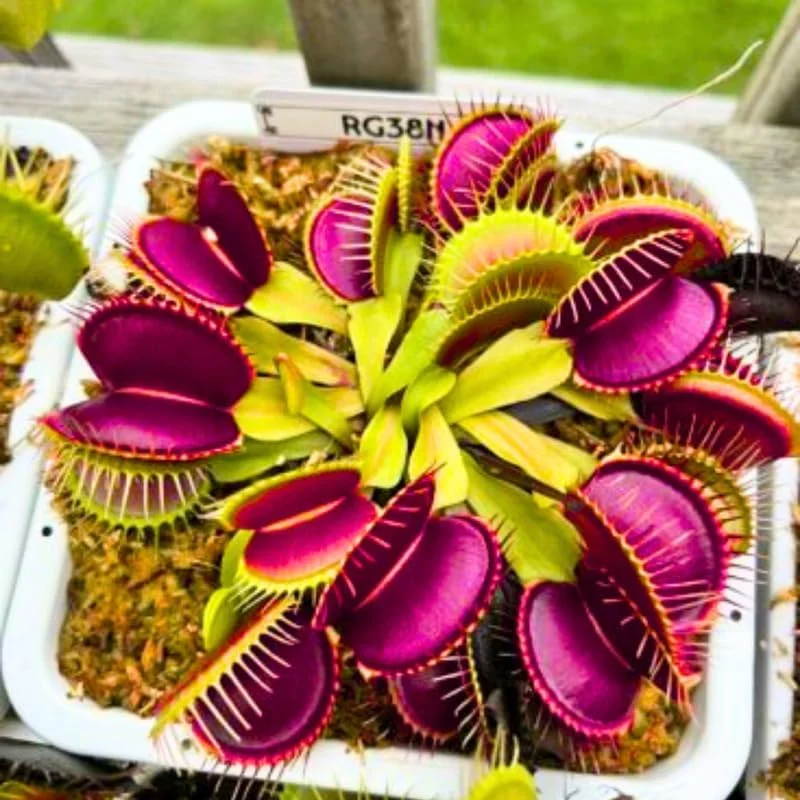
The B52 cultivar stands out for its vigorous growth and impressive trap size, often exceeding 1.5 inches. This makes it a visually striking addition to any terrarium, bog garden, or sunny windowsill. Watching these plants actively hunt for insects is a truly captivating experience, offering a glimpse into the predatory side of the plant world. These live plants are provided in a starter size, ensuring they establish well in their new environment with proper care. They are well-suited for both indoor and outdoor cultivation in appropriate climates, making them versatile for various gardening setups.
Key Benefits
Cultivating a B52 Giant Venus Flytrap live plant offers numerous rewards beyond just its unique appearance. These plants are not only visually captivating but also serve practical purposes and provide an engaging hobby.
- Natural Pest Control: These carnivorous plants are experts at catching small insects like flies, gnats, and mosquitoes, offering a natural and chemical-free way to reduce indoor pests.
- Educational & Engaging: Perfect for children and adults, observing the Venus Flytrap’s trapping mechanism provides an exciting and educational experience, fostering a deeper appreciation for botany.
- Unique Decorative Accent: With their distinctive traps and vibrant colors (especially with sufficient light), the B52 Giant Venus Flytrap live plant adds an exotic and conversation-starting element to any plant collection, terrarium, or office desk.
- Low Maintenance Once Established: While they have specific care requirements, once you understand their needs, these plants are surprisingly easy to maintain, requiring distilled water and proper light.
- Adaptable to Various Settings: These plants thrive in both indoor terrariums and outdoor bog gardens, provided their specific environmental needs for humidity and sunlight are met.
- Rewarding Hobby: Growing a carnivorous plant indoor or outdoors offers a fulfilling hobby, allowing you to observe its growth and unique behaviors firsthand.
- Compact Size for Small Spaces: As starter plants, they are perfect for small living spaces, windowsills, or office desks, gradually growing into larger, more impressive specimens.
Plant Care & Growing Tips
Caring for your B52 Giant Venus Flytrap live plant is straightforward once you understand its specific needs, which differ from typical houseplants. The most crucial aspects are water quality, light, and potting medium. Venus Flytraps require bright light to thrive and develop their vibrant red trap interiors. Indoors, place them on a very sunny windowsill with at least 4-6 hours of direct sunlight, or under a strong grow light. Outdoors, they prefer full sun exposure. Insufficient light will result in pale, weak growth and small, ineffective traps.
Watering is critical: Venus Flytraps must only be watered with distilled water, reverse osmosis (RO) water, or rainwater. Tap water typically contains minerals that will slowly poison the plant. Keep the potting medium consistently moist, but not waterlogged. A common method is to place the potted plant in a tray of about 1 inch of distilled water, allowing the plant to wick up moisture from the bottom. The ideal soil for a Venus Flytrap care regimen is a nutrient-poor, acidic mix, typically a blend of peat moss and perlite or sand (50/50 ratio). Never use regular potting soil or fertilizer, as this will quickly kill the plant. The plant naturally gets its nutrients from the insects it catches.
These plants prefer humid conditions, especially when grown indoors. A terrarium can help maintain humidity, but ensure good air circulation to prevent fungal issues. They are hardy in USDA Zones 8-10, meaning they can be grown outdoors year-round in these regions. In colder climates, they will need protection during winter or brought indoors for dormancy. During dormancy (typically late fall to early spring), they will produce smaller, ground-hugging traps and growth will slow significantly. Reduce watering during this period, but do not let the soil dry out completely. Avoid triggering the traps unnecessarily, as each trap has a limited number of closures before it dies. If you’re looking for a rewarding and unique plant, understanding these care tips will ensure your Dionaea muscipula B52 flourishes.
Size & Details
Each order includes 3 B52 Giant Venus Flytrap live plant specimens, shipped in individual nursery pots. These are starter-sized plants, typically with several active traps and a healthy root system, ready for transplanting into a larger pot or terrarium upon arrival. The exact size may vary slightly based on the growth stage and season, but they are robust and well-established to ensure successful growth. When mature, the ‘B52’ cultivar is known for producing impressive traps that can reach up to 1.75 inches in length, making them among the largest Venus Flytrap varieties. They generally grow to a compact size, making them suitable for windowsills or small terrariums, reaching an overall height of about 4-6 inches. With proper care, these plants will grow vigorously, developing more traps and expanding their root systems. They are shipped securely to minimize stress during transit, ensuring they arrive in optimal condition for your gardening pleasure.
Frequently Asked Questions
- Q: How big do these Venus Flytraps get? A: These are starter-sized plants, but the ‘B52’ cultivar is known for its large traps, which can reach up to 1.75 inches when mature. The overall plant typically grows to about 4-6 inches in height.
- Q: Is this an indoor or outdoor plant? A: The B52 Giant Venus Flytrap live plant can thrive both indoors and outdoors. Indoors, ensure it receives bright, direct sunlight or is under a grow light. Outdoors, it prefers full sun and is hardy in USDA Zones 8-10.
- Q: How much sunlight does it need? A: Venus Flytraps require a minimum of 4-6 hours of direct sunlight daily. More light generally leads to healthier growth and more vibrant trap coloration.
- Q: Is this plant easy to care for? A: Yes, once you understand its specific needs for distilled water, bright light, and nutrient-poor soil, the Venus Flytrap care is relatively easy, making it suitable for beginners.
- Q: What condition will it arrive in? A: Your 3 B52 Giant Venus Flytrap live plant will arrive securely packaged in individual nursery pots, healthy and ready to be placed in your desired location. Some stress from shipping is normal, but they recover quickly.
- Q: What kind of water should I use? A: Always use distilled water, reverse osmosis (RO) water, or rainwater. Tap water contains minerals that are harmful to Venus Flytraps.
- Q: Can I feed it insects? A: While they will catch their own insects, you can occasionally feed them small, live insects (like flies or crickets) that fit entirely within the trap. Avoid feeding them anything larger or meat.
- Q: What is the best soil for this carnivorous plant indoor? A: Use a mix of peat moss and perlite or horticultural sand, typically a 50/50 ratio. Never use standard potting soil or fertilizer.
- Q: How often should I water my Venus Flytrap? A: Keep the soil consistently moist. The tray watering method (placing the pot in a tray with an inch of distilled water) is often recommended.
- Q: Will it survive winter in my zone? A: If you live in USDA Zones 8-10, it can survive outdoors. In colder zones, it will need to be brought indoors for a cool, dormant period.
| Style | B52, King, Random |
|---|
Related products
-25%
Original price was: $33.90.$25.42Current price is: $25.42.
-25%
Original price was: $20.90.$15.68Current price is: $15.68.
-25%
Original price was: $23.80.$17.84Current price is: $17.84.
-35%
Original price was: $29.80.$19.36Current price is: $19.36.
PLANTING & CARE

The Comprehensive Guide to Growing Bay Leaf Plants for a Flavorful Garden
Imagine stepping into your garden, greeted by the earthy aroma of fresh bay leaves, their
09
Feb
Feb

How to Make Comfrey Tea: The Ultimate Organic Plant Food
Growing an organic garden can be surprisingly expensive, especially when most store-bought fertilizers come in
02
Feb
Feb

True Comfrey: 7 Essential Tips Before You Plant This Herb
A staple in permaculture practices across the US, True Comfrey easily earns its reputation as
27
Jan
Jan

7 Heart-Shaped Plants for a Lasting Valentine’s Gift
If you’ve ever bought a bouquet of roses for Valentine’s Day, you know they are
26
Jan
Jan

Best Types of Ivy Plant for Houses: How to Choose the Perfect Ones for Your Home
Are you a garden lover looking to introduce some greenery into your home? Maybe you’ve
14
Nov
Nov

When to Harvest Garlic (Especially Fall-Planted Garlic)
TIMING IS EVERYTHING, they say – and for garlic, that truth hits with surprising accuracy.
13
Nov
Nov

11 of the Best Sweet Potato Varieties to Grow for Your Garden
If you’ve ever tried growing sweet potatoes, you know that picking the right variety can
12
Nov
Nov
Pruning Bougainvillea for Winter
Bougainvillea vines are known for their dazzling display of magenta, orange, and fuchsia bracts that
05
Nov
Nov