Carnivorous Plant Mix: 3 Live Green & Red Fly Trap, Pitcher Plant Nepenthes, Starter Size
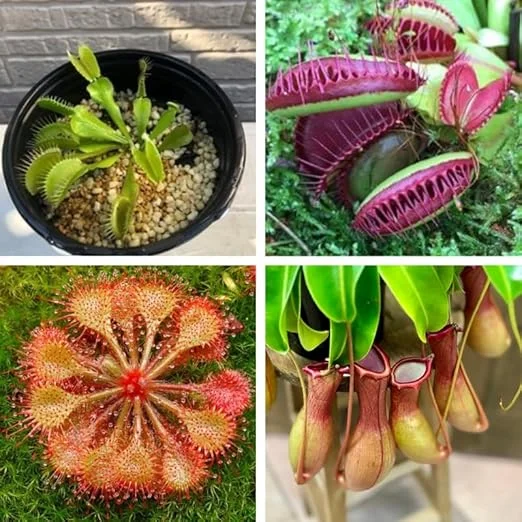
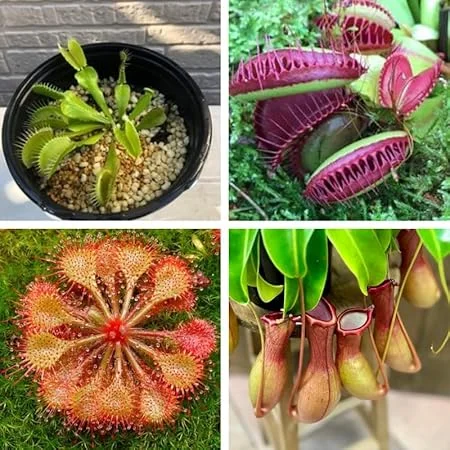
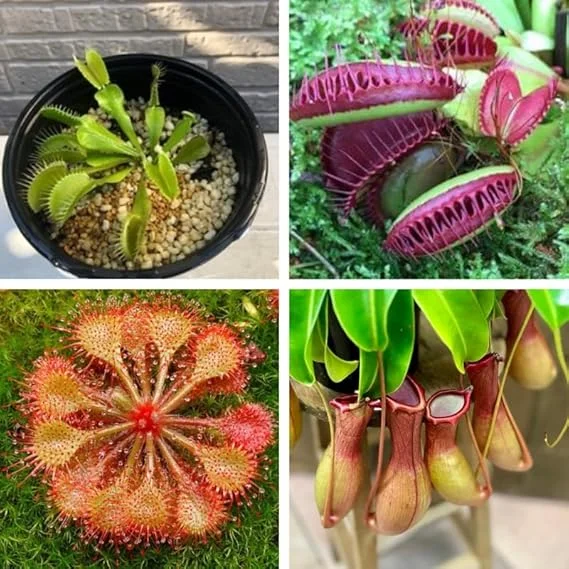
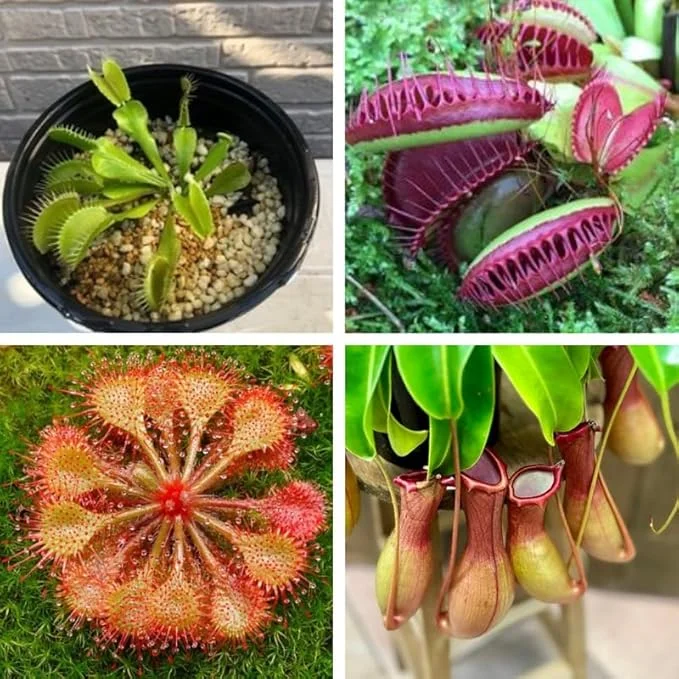
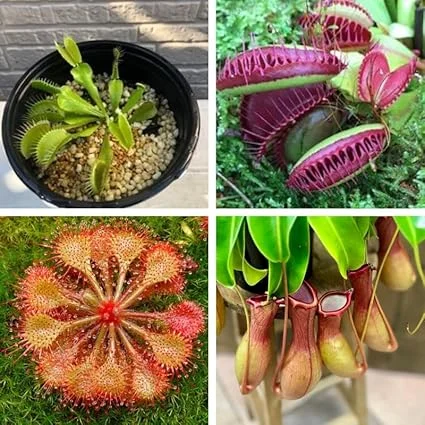
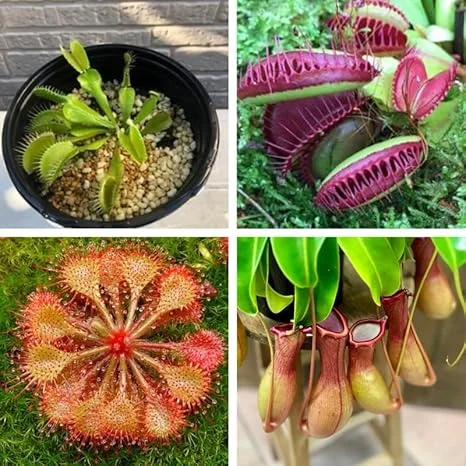
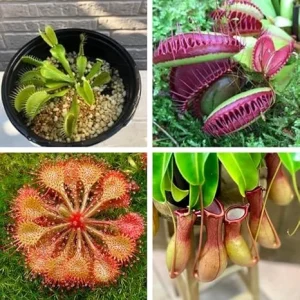
Carnivorous Plant Mix: 3 Live Green & Red Fly Trap, Pitcher Plant Nepenthes, Starter Size
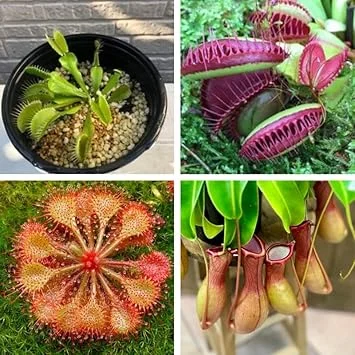
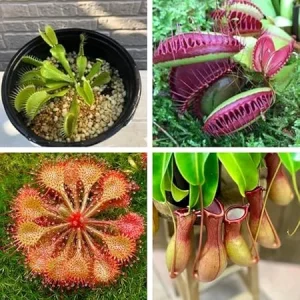
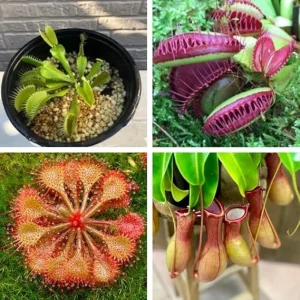
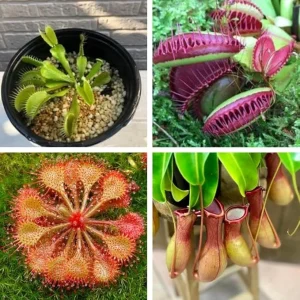
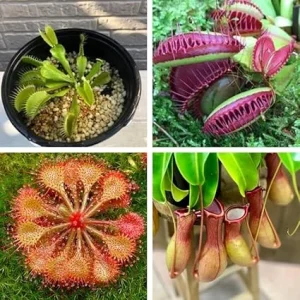
Bring home an exciting collection of carnivorous plant mix! This set includes 3 unique plants: a Green Fly Trap, a Red Fly Trap, and a Nepenthes pitcher plant. These live fly trap plants are a perfect starter carnivorous plants collection for both indoor and outdoor enthusiasts.
$175.98

With our Alive & Thrive Guarantee, we’ve got your back for the first 30 days! If you have any concerns about your plants, just reach out to us. Our team is here to help answer your questions and guide you in selecting the best plants for your garden, climate, and unique preferences. We're excited to help you create the garden of your dreams!
Estimated arrival
Feb 14
Feb 19 - Feb 21
Feb 24 - Feb 28

Product Details
-
USDA Hardiness Zone
8-10 (for Fly Traps, Nepenthes indoors or tropical zones) -
Soil type
Nutrient-poor, well-draining peat moss/perlite mix -
Sunlight Exposure
Bright direct to bright indirect light -
Expected Planting Period
Year-round indoors
Overview
Unleash the wild side of gardening with our captivating carnivorous plant mix. This unique collection brings together three fascinating insect-eating plants, offering an exotic touch to any plant enthusiast’s collection. You’ll receive one Green Fly Trap, one Red Fly Trap, and one Nepenthes pitcher plant, all in a convenient starter size. These live specimens are not just beautiful; they are active predators, providing natural pest control and an engaging educational experience. Perfect for beginners and seasoned collectors alike, this diverse set promises to be a conversation starter and a truly unique addition to your home or garden.
Each component of this carnivorous plant mix has been carefully selected for its striking appearance and intriguing behavior. The Venus Fly Traps (Dionaea muscipula) are renowned for their lightning-fast traps, while the Nepenthes, often called tropical pitcher plants, lure insects into their specialized pitcher-shaped leaves. This collection provides a fantastic opportunity to observe the intricate adaptations of these specialized plants firsthand. Cultivating these exotic tropical plants is a rewarding experience, offering a glimpse into the fascinating world of botanical carnivores.
Key Benefits
Our carnivorous plant mix offers a myriad of benefits beyond just their unique appearance. These plants are a natural, chemical-free way to manage common household pests like flies and gnats, contributing to a healthier environment in your living space. Their low-maintenance nature once established makes them an excellent choice for busy individuals seeking an unusual yet easy-to-care-for botanical display.
- Natural Pest Control: The Green and Red Fly Traps actively capture flies, while the Nepenthes pitcher plant traps a variety of insects, helping to reduce pests in your home or garden without harsh chemicals.
- Exotic Aesthetic Appeal: Add a striking and unusual element to your plant collection. The vibrant colors and unique shapes of these plants are sure to draw attention and admiration.
- Educational Experience: Observe the fascinating hunting mechanisms of these plants, providing an engaging learning opportunity for all ages about plant adaptations and ecosystems.
- Low Maintenance: Once established, these live fly trap plants and pitcher plants require minimal care, thriving with consistent moisture and appropriate light conditions.
- Ideal for Indoors & Outdoors: These versatile starter carnivorous plants can flourish in bright indoor settings or protected outdoor areas, offering flexibility in placement.
- Unique Gift Idea: A perfect and memorable gift for plant lovers, science enthusiasts, or anyone looking for something truly extraordinary to grow.
- Enhances Humidity: Particularly the Nepenthes, these plants can contribute to a slightly more humid environment, which can be beneficial for other tropical plants nearby.
Plant Care & Growing Tips
Caring for your carnivorous plant mix involves understanding their specific environmental needs, which differ from typical houseplants. For both the Venus Fly Traps and the Nepenthes pitcher plant, consistently moist conditions are vital. Always use distilled water, rainwater, or reverse osmosis water, as tap water often contains minerals that can harm these sensitive plants. Never let the soil dry out completely, especially for the Fly Traps. For Nepenthes, ensure good drainage but keep the potting mix consistently damp.
Sunlight is crucial for the health and vibrant coloration of your live fly trap plants. They require at least 4-6 hours of direct sunlight daily for optimal growth and trapping activity. If grown indoors, a bright south-facing window or supplemental grow lights are recommended. The Nepenthes pitcher plant prefers bright, indirect light or dappled sunlight. Avoid harsh, unfiltered afternoon sun in very hot climates, which can scorch the leaves. These exotic tropical plants thrive in high humidity, so consider placing them near a humidifier or on a pebble tray with water if your indoor air is dry. They are generally low-maintenance once their specific water and light needs are met.
The ideal soil for your starter carnivorous plants should be nutrient-poor and well-draining. A common mixture for Fly Traps is a 50/50 blend of peat moss and perlite or horticultural sand. Nepenthes prefer a slightly coarser mix, often incorporating orchid bark, perlite, and long-fiber sphagnum moss. Never use standard potting soil, as its nutrients will kill these plants. Fertilization is not necessary and can be detrimental; they get their nutrients from the insects they catch. Repotting is typically needed every 1-2 years in spring. While you won’t need to ‘feed’ your plants, if they are not catching insects naturally, you can occasionally drop a small, freshly killed insect into a trap or pitcher.
Size & Details
This carnivorous plant mix offers a selection of 3 individual live plants, each representing a unique species: one Green Fly Trap, one Red Fly Trap, and one Nepenthes pitcher plant. All plants are provided in a starter size, typically in 2-4 inch nursery pots, making them ideal for acclimating to a new environment and observing their growth from an early stage. The exact height and spread will vary slightly by individual plant and species, but they are all compact enough for windowsills, terrariums, or small garden spaces. The Venus Fly Traps will typically have several active traps, while the Nepenthes will feature developing pitchers. These starter carnivorous plants are shipped carefully packaged to ensure their safe arrival, ready to be unwrapped and placed in their new home. Expect steady growth with proper care, with the Venus Fly Traps reaching maturity in 1-2 years and Nepenthes growing larger over several years.
Frequently Asked Questions
- Q: How big do these carnivorous plant mix plants get? A: The Venus Fly Traps in this carnivorous plant mix typically grow to about 3-5 inches in diameter, while the Nepenthes pitcher plant can grow much larger, with vines potentially reaching several feet in length, though they will be in a starter size upon arrival.
- Q: Is this an indoor or outdoor plant collection? A: This carnivorous plant mix is versatile. The Venus Fly Traps can thrive outdoors in appropriate climates (Zones 8-10) or indoors with sufficient light. The Nepenthes pitcher plant is best suited for indoor environments with high humidity or protected outdoor areas in very warm, humid climates.
- Q: How much sunlight does this carnivorous plant mix need? A: The Venus Fly Traps require at least 4-6 hours of direct sunlight daily. The Nepenthes pitcher plant prefers bright, indirect light. Both will benefit from strong light to encourage vibrant coloration and healthy growth.
- Q: Is this plant collection easy to care for? A: Once you understand their specific needs for distilled water and appropriate light, these starter carnivorous plants are relatively low-maintenance. They are considered easy for beginners who are willing to follow specialized care instructions.
- Q: What condition will the plants arrive in? A: Your live fly trap plants and pitcher plant will arrive well-packaged and protected, typically in their nursery pots with moist sphagnum moss or appropriate substrate, ready for placement in their new environment.
- Q: How often should I water my carnivorous plants? A: Always keep the soil consistently moist, but not waterlogged. For Venus Fly Traps, a tray method with distilled water is often recommended. For Nepenthes, water when the topsoil begins to feel slightly dry, ensuring good drainage.
- Q: Can I feed my carnivorous plants meat? A: No, never feed your carnivorous plant mix human food or large pieces of meat. They are adapted to digest small insects. If they are not catching insects naturally, you can occasionally give them small, freshly killed insects.
- Q: What is the best soil for these exotic tropical plants? A: Use a nutrient-poor, well-draining substrate. For Fly Traps, a mix of peat moss and perlite/sand is ideal. For Nepenthes, a mix including sphagnum moss, perlite, and orchid bark is suitable. Never use standard potting soil.
- Q: Will this carnivorous plant mix survive winter in my zone? A: Venus Fly Traps require a dormancy period and can survive mild winters outdoors in USDA Zones 8-10. Outside these zones or for Nepenthes, indoor protection during colder months is essential as they are exotic tropical plants.
- Q: When is the best time to plant these starter carnivorous plants? A: These plants can be planted or repotted any time of year if kept indoors. If placing outdoors, spring to early summer is ideal after the last frost, allowing them to establish before extreme weather.
Related products
-25%
Original price was: $20.90.$15.68Current price is: $15.68.
-50%
Original price was: $39.98.$19.98Current price is: $19.98.

-30%
Original price was: $79.98.$55.98Current price is: $55.98.
-35%
Original price was: $37.24.$24.20Current price is: $24.20.
-25%
Original price was: $23.80.$17.84Current price is: $17.84.
PLANTING & CARE

The Comprehensive Guide to Growing Bay Leaf Plants for a Flavorful Garden
Imagine stepping into your garden, greeted by the earthy aroma of fresh bay leaves, their
09
Feb
Feb

How to Make Comfrey Tea: The Ultimate Organic Plant Food
Growing an organic garden can be surprisingly expensive, especially when most store-bought fertilizers come in
02
Feb
Feb

True Comfrey: 7 Essential Tips Before You Plant This Herb
A staple in permaculture practices across the US, True Comfrey easily earns its reputation as
27
Jan
Jan

7 Heart-Shaped Plants for a Lasting Valentine’s Gift
If you’ve ever bought a bouquet of roses for Valentine’s Day, you know they are
26
Jan
Jan

Best Types of Ivy Plant for Houses: How to Choose the Perfect Ones for Your Home
Are you a garden lover looking to introduce some greenery into your home? Maybe you’ve
14
Nov
Nov

When to Harvest Garlic (Especially Fall-Planted Garlic)
TIMING IS EVERYTHING, they say – and for garlic, that truth hits with surprising accuracy.
13
Nov
Nov

11 of the Best Sweet Potato Varieties to Grow for Your Garden
If you’ve ever tried growing sweet potatoes, you know that picking the right variety can
12
Nov
Nov
Pruning Bougainvillea for Winter
Bougainvillea vines are known for their dazzling display of magenta, orange, and fuchsia bracts that
05
Nov
Nov