Jerusalem Artichoke Tubers for Planting – 1/2 Lb Sunchoke Bulbs, Sunroots
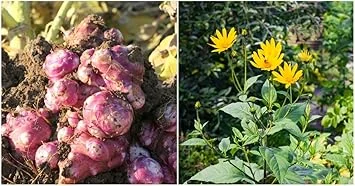
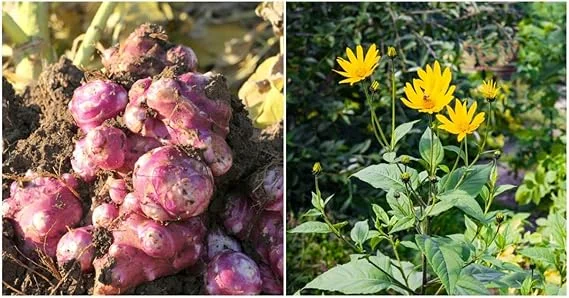
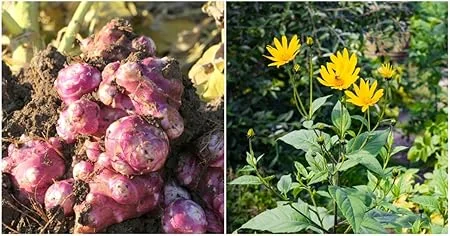
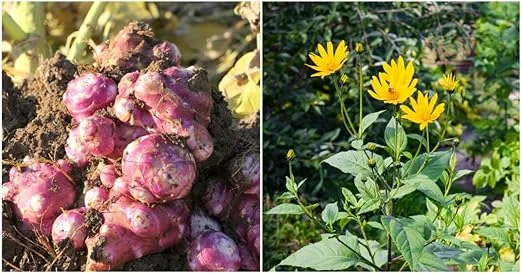
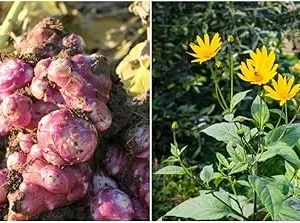
Jerusalem Artichoke Tubers for Planting – 1/2 Lb Sunchoke Bulbs, Sunroots
Cultivate delicious and nutritious Jerusalem artichoke tubers in your garden. These sunchoke bulbs, also known as sunroots for planting, are easy to grow and yield abundant edible tubers. Perfect for gardeners looking for unique, low-maintenance vegetables.
$43.98

With our Alive & Thrive Guarantee, we’ve got your back for the first 30 days! If you have any concerns about your plants, just reach out to us. Our team is here to help answer your questions and guide you in selecting the best plants for your garden, climate, and unique preferences. We're excited to help you create the garden of your dreams!
Estimated arrival
Mar 31
Apr 05 - Apr 07
Apr 10 - Apr 14

Product Details
-
USDA Hardiness Zone
3-9 -
Soil type
Loamy or sandy, well-drained soil -
Sunlight Exposure
Full sun to partial shade -
Expected Planting Period
Early spring
Overview
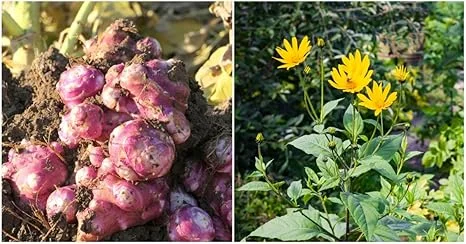
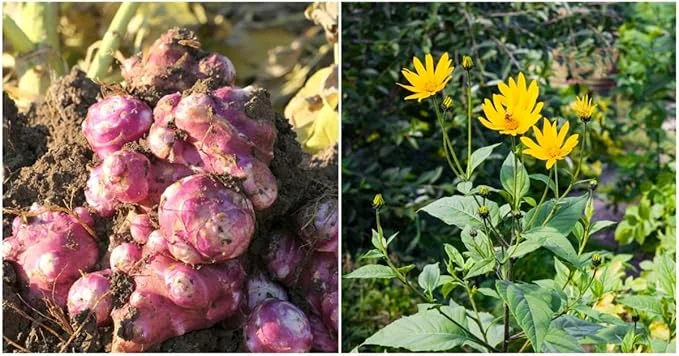
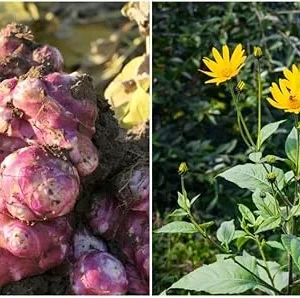
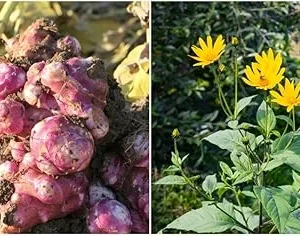
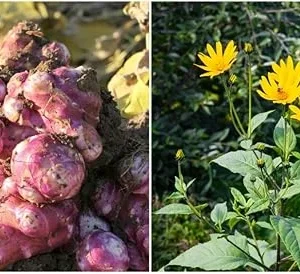
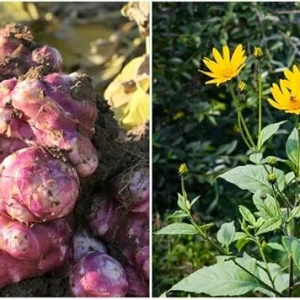
Embark on a rewarding gardening journey with these versatile Jerusalem artichoke tubers. These unique plants, scientifically known as Helianthus tuberosus, are celebrated for their delicious, nutty-flavored edible tubers and their cheerful, sunflower-like yellow blooms that adorn the garden in late summer. Our 1/2 Lb Jerusalem Artichoke Tubers for Planting provide a robust start for your home garden, promising a bountiful harvest. Also commonly referred to as sunchoke bulbs or sunroots for planting, they are an excellent choice for both experienced gardeners and beginners due to their vigorous growth and minimal care requirements. These tubers are not only a culinary delight, offering a fantastic source of inulin and dietary fiber, but they also serve as an attractive addition to your landscape, growing 5-10 feet tall.
Unlike traditional artichokes, Jerusalem artichoke tubers are related to sunflowers, producing their edible bounty underground. This offering is specifically for planting material, ensuring you receive healthy, viable tubers ready to establish themselves in your garden. The ease with which these plants thrive makes them a popular choice for sustainable and productive gardening. Get ready to enjoy fresh, homegrown sunchokes with these premium edible tubers.
Key Benefits
Adding Jerusalem artichoke tubers to your garden provides numerous advantages, from culinary uses to ecological benefits. These plants are incredibly resilient and offer a consistent yield of nutritious food.
- Abundant Edible Harvest: Enjoy a continuous supply of delicious, nutty-flavored tubers that can be roasted, mashed, or added to salads. These edible tubers are a fantastic source of inulin, a prebiotic fiber beneficial for gut health.
- Low Maintenance & Hardy: Once established, these sunchoke bulbs require minimal care, making them ideal for gardeners seeking productive plants without extensive effort. They are resilient and tolerant of various conditions.
- Attractive Garden Addition: Beyond their edible roots, Jerusalem artichoke tubers produce beautiful yellow, sunflower-like flowers in late summer, adding vibrant color and visual interest to your garden landscape.
- Perennial Growth Habit: Plant once and enjoy harvests for years to come. These tubers readily naturalize and spread, ensuring a sustained supply of sunchokes season after season.
- Supports Pollinators: The late-season blooms of the Jerusalem artichoke attract bees and other beneficial pollinators, contributing to a healthier garden ecosystem.
- Soil Improvement: Their deep root systems can help break up compacted soil and improve soil structure over time, benefiting other plants in your garden.
- Versatile Culinary Use: From soups and stews to stir-fries and pickles, the unique flavor and texture of these tubers make them a versatile ingredient in many dishes. Growing your own planting artichoke ensures fresh, organic produce.
Plant Care & Growing Tips
Growing Jerusalem artichoke tubers is surprisingly straightforward, given their hardy nature. For optimal growth and a bountiful harvest, understanding their basic needs is key. These plants generally prefer a location with full sun, meaning at least 6-8 hours of direct sunlight per day. While they can tolerate some partial shade, tuber production might be reduced. Plant your sunchoke bulbs in early spring, after the last frost, ensuring the soil has warmed up sufficiently. Space the tubers about 12-18 inches apart and plant them 3-5 inches deep, with the eyes (sprouts) facing upwards.
When it comes to soil, Jerusalem artichoke tubers are not overly picky but thrive best in well-drained, loamy or sandy soil. Avoid heavy clay soils that can become waterlogged, as this can lead to tuber rot. While they can grow in poorer soils, amending your soil with compost before planting will significantly improve growth and yield. Regular watering is important during dry spells, especially when the plants are young and when tubers are developing. However, once established, they are quite drought-tolerant. These plants are remarkably hardy, typically thriving in USDA Zones 3-9, and can withstand a wide range of temperatures. Fertilization is usually not necessary in good soil, but a balanced organic fertilizer can be applied lightly in spring if your soil is poor. Watch out for slugs and snails when plants are young, and consider mulching to suppress weeds and retain soil moisture. Harvesting usually occurs after the first hard frost, which sweetens the tubers, making these edible tubers even more delicious.
Size & Details
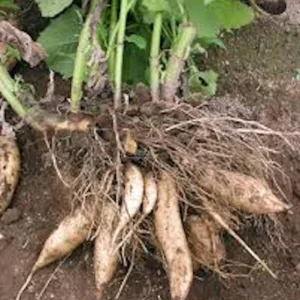
This offering includes 1/2 Lb Jerusalem Artichoke Tubers for Planting, providing a generous quantity to start a productive patch in your garden. Each tuber is carefully selected to ensure viability and robust growth. Once planted, these extraordinary plants can reach a mature size of 5-10 feet tall, creating a striking presence in your landscape with their tall stalks and bright yellow flowers. The tubers themselves are typically harvested in late fall or early winter, after the plant’s foliage has died back, and can vary in size and shape, much like ginger roots. The plants exhibit a moderate to fast growth rate, quickly establishing themselves and spreading to form dense clumps. They are shipped as dormant tubers, ready for immediate planting upon arrival. Expect the first harvest of these delightful sunroots for planting within one growing season, typically 4-5 months after spring planting. The perennial nature of these sunchoke bulbs means they will return year after year, offering a sustainable source of fresh produce.
Frequently Asked Questions
- Q: How much sun do Jerusalem artichoke tubers need? A: For the best growth and tuber production, Jerusalem artichoke tubers prefer full sun, meaning at least 6-8 hours of direct sunlight per day. They can tolerate partial shade, but yields may be reduced.
- Q: What is the best time to plant sunchoke bulbs? A: The ideal time to plant sunchoke bulbs is in early spring, after the danger of the last frost has passed and the soil has begun to warm up. They can also be planted in the fall in warmer climates.
- Q: How big do these plants get? A: These plants can grow quite tall, typically reaching a mature height of 5-10 feet. Their significant height makes them suitable for the back of garden beds or as a natural screen.
- Q: Are Jerusalem artichoke tubers easy to grow for beginners? A: Yes, Jerusalem artichoke tubers are considered very easy to grow and are an excellent choice for beginner gardeners. They are resilient, low-maintenance, and tolerant of various soil conditions.
- Q: What kind of soil is best for planting artichoke? A: They thrive in well-drained, loamy or sandy soil. While adaptable, avoid heavy clay soils that retain too much moisture, which can lead to tuber rot.
- Q: When can I harvest the edible tubers? A: The best time to harvest the edible tubers is in late fall or early winter, after the first hard frost has occurred. Frost helps convert starches into sugars, improving their flavor.
- Q: Will these sunroots for planting spread in my garden? A: Yes, Jerusalem artichokes are known for their vigorous spreading habit. If you wish to contain them, consider planting them in a dedicated bed or using root barriers.
- Q: What condition will the tubers arrive in? A: The tubers will arrive dormant and ready for planting. They are carefully packaged to ensure they are healthy and viable upon delivery.
- Q: Can I grow Jerusalem artichoke tubers in containers? A: While possible, their tall growth and spreading nature make them better suited for in-ground planting. If using containers, choose very large pots to accommodate their root system and height.
- Q: Are these plants deer resistant? A: Jerusalem artichokes are generally considered deer resistant, making them a good option for gardens in areas with deer populations.
Related products
-10%
Original price was: $29.99.$26.99Current price is: $26.99.
-25%
Original price was: $39.99.$29.90Current price is: $29.90.
-50%
Original price was: $37.99.$18.99Current price is: $18.99.
-78%
Original price was: $39.99.$8.99Current price is: $8.99.
-20%
Original price was: $70.00.$56.00Current price is: $56.00.
-20%
Original price was: $36.00.$28.80Current price is: $28.80.
-20%
Original price was: $84.00.$67.20Current price is: $67.20.
-50%
Original price was: $59.96.$29.98Current price is: $29.98.
PLANTING & CARE

The Comprehensive Guide to Growing Bay Leaf Plants for a Flavorful Garden
Imagine stepping into your garden, greeted by the earthy aroma of fresh bay leaves, their
09
Feb
Feb

How to Make Comfrey Tea: The Ultimate Organic Plant Food
Growing an organic garden can be surprisingly expensive, especially when most store-bought fertilizers come in
02
Feb
Feb

True Comfrey: 7 Essential Tips Before You Plant This Herb
A staple in permaculture practices across the US, True Comfrey easily earns its reputation as
27
Jan
Jan

7 Heart-Shaped Plants for a Lasting Valentine’s Gift
If you’ve ever bought a bouquet of roses for Valentine’s Day, you know they are
26
Jan
Jan

Best Types of Ivy Plant for Houses: How to Choose the Perfect Ones for Your Home
Are you a garden lover looking to introduce some greenery into your home? Maybe you’ve
14
Nov
Nov

When to Harvest Garlic (Especially Fall-Planted Garlic)
TIMING IS EVERYTHING, they say – and for garlic, that truth hits with surprising accuracy.
13
Nov
Nov

11 of the Best Sweet Potato Varieties to Grow for Your Garden
If you’ve ever tried growing sweet potatoes, you know that picking the right variety can
12
Nov
Nov
Pruning Bougainvillea for Winter
Bougainvillea vines are known for their dazzling display of magenta, orange, and fuchsia bracts that
05
Nov
Nov