Nepenthes Pitcher Plant Live, Large Carnivorous Plant for Terrariums & Gardens, 8 Months Old Starter
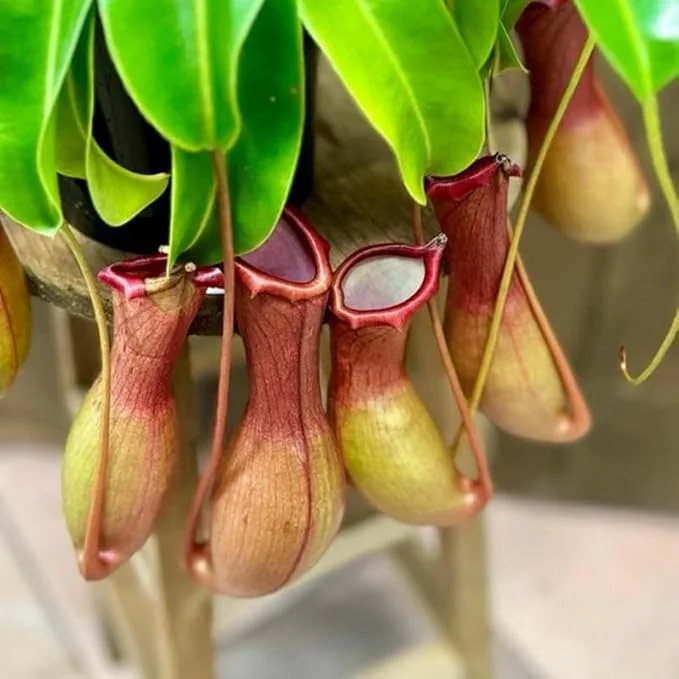
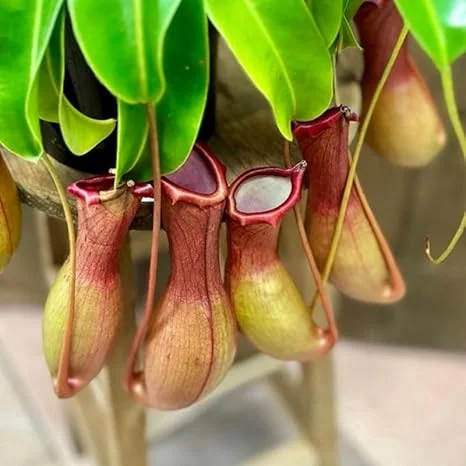
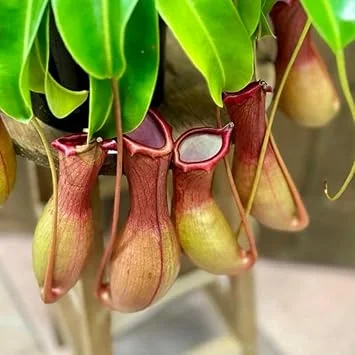
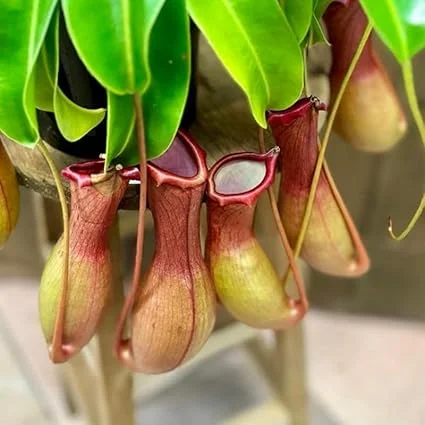
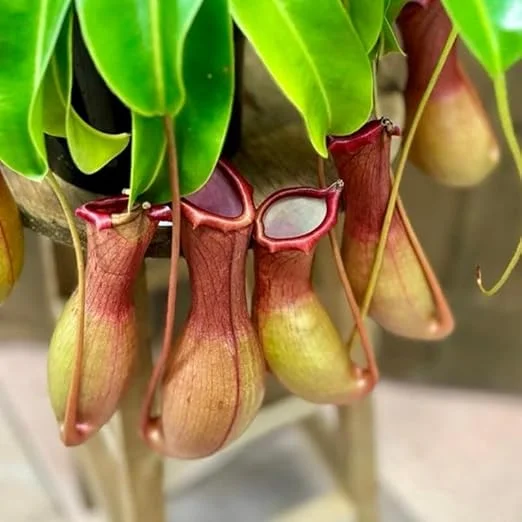
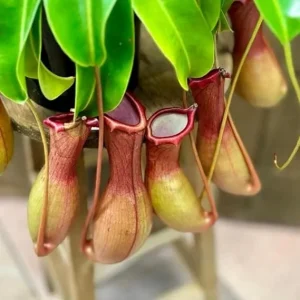
Nepenthes Pitcher Plant Live, Large Carnivorous Plant for Terrariums & Gardens, 8 Months Old Starter
Bring exotic beauty to your home or garden with this nepenthes pitcher plant live. This carnivorous plant for terrarium or outdoor settings boasts vibrant, striking colors and is easy to care for, making it ideal for collectors and enthusiasts.
$63.78

With our Alive & Thrive Guarantee, we’ve got your back for the first 30 days! If you have any concerns about your plants, just reach out to us. Our team is here to help answer your questions and guide you in selecting the best plants for your garden, climate, and unique preferences. We're excited to help you create the garden of your dreams!
Estimated arrival
Mar 31
Apr 05 - Apr 07
Apr 10 - Apr 14
Product Details
-
USDA Hardiness Zone
USDA zones 10-11 (outdoors), suitable for all zones indoors -
Soil type
Well-draining, nutrient-poor mix (e.g., sphagnum moss and perlite) -
Sunlight Exposure
Bright, indirect light -
Expected Planting Period
Year-round indoors or spring to early summer outdoors in suitable climates
Overview
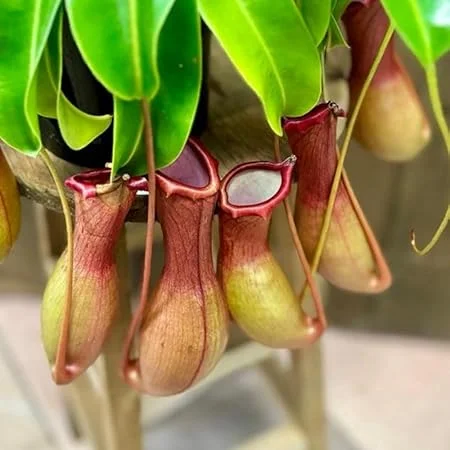
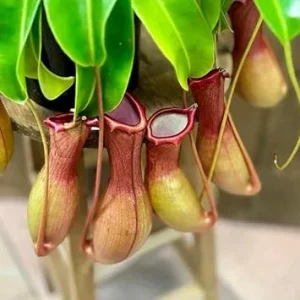
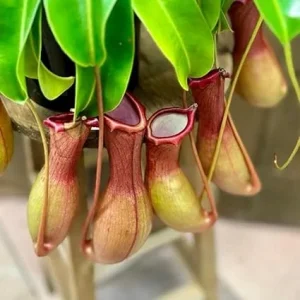
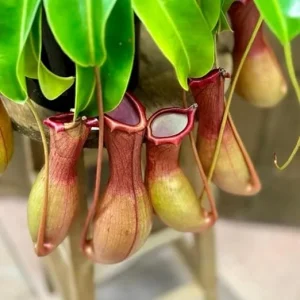
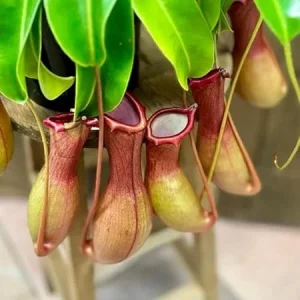
Introduce a touch of the exotic to your plant collection with this stunning nepenthes pitcher plant live. Known for its unique, pitcher-shaped leaves that act as natural insect traps, this fascinating carnivorous plant is a captivating addition to any indoor terrarium, greenhouse, or suitable outdoor garden space. Each pitcher plant is approximately 8 months old and provided as a starter size, making it perfect for new plant parents or seasoned collectors looking to grow a magnificent specimen. The Nepenthes genus, often referred to as tropical pitcher plants, encompasses a wide variety of species, all characterized by their distinctive pitchers. This particular variety offers vibrant, striking colors that will truly stand out.
Cultivating a nepenthes pitcher plant live is a rewarding experience. These plants are not only beautiful but also serve a practical purpose by naturally controlling small insects. They thrive in specific conditions that mimic their native tropical habitats, making them an excellent choice for humid environments. Whether you’re enhancing a backyard garden or creating a lush indoor display, this starter plant provides a fantastic opportunity to observe the wonders of nature up close.
Key Benefits
The nepenthes pitcher plant live offers numerous advantages for both seasoned plant enthusiasts and those new to carnivorous plants. Its unique appearance and natural pest control make it a truly special addition.
- Natural Insect Control: The distinctive pitchers naturally attract and trap insects, providing an organic and fascinating way to manage pests in your home or garden. This makes it an ideal carnivorous plant for terrarium or indoor environments.
- Exotic Aesthetic Appeal: With its vibrant and striking colors, the Nepenthes pitcher plant adds an exotic and visually captivating element to any space, becoming an instant conversation starter.
- Low Maintenance: Despite its exotic nature, this plant is surprisingly low maintenance once its specific environmental needs are met, making it suitable for busy individuals.
- Ideal for Terrariums & Greenhouses: It thrives in humid conditions, making it perfectly suited for terrariums, vivariums, or greenhouse environments where its beauty can truly flourish.
- Educational Value: Observing the unique carnivorous mechanism of the Nepenthes plant offers an engaging educational experience for all ages, highlighting the diversity of the plant kingdom.
- Collector’s Item: A must-have for collectors of rare and unusual plants, this large pitcher plant variety is a prized specimen that adds depth to any botanical collection.
- Air Purification: Like many plants, the pitcher plant contributes to a healthier indoor environment by converting carbon dioxide into oxygen.
Plant Care & Growing Tips
Caring for your nepenthes pitcher plant live involves understanding its tropical origins. These plants generally prefer warm, humid conditions and consistent moisture. For sunlight, they thrive in bright, indirect light. Avoid harsh, direct afternoon sun which can scorch their delicate pitchers. If growing indoors, a south or east-facing window with filtered light is often ideal. Outdoors, choose a spot with morning sun and afternoon shade, or dappled light throughout the day. Adequate light encourages good pitcher formation and vibrant coloration.
Watering is crucial for nepenthes care. Use distilled water, rainwater, or reverse osmosis water, as tap water can contain minerals that are harmful to carnivorous plants. Keep the potting medium consistently moist but not waterlogged. Allow the top layer of soil to dry slightly between waterings. Humidity is also vital; aim for 60-80% relative humidity. This can be achieved indoors with a humidifier, by misting regularly, or by placing the plant in a terrarium. The ideal temperature range for most Nepenthes is between 70-85°F (21-29°C) during the day and no lower than 60°F (15°C) at night. They are generally suited for tropical USDA zones 10-11 if grown outdoors year-round, otherwise, they are best as indoor plants.
For soil, use a well-draining, nutrient-poor mix. A common blend is sphagnum moss mixed with perlite, orchid bark, or coco coir. Avoid standard potting soil, which is too rich and can harm the plant. Fertilization is generally not required; the plant gets its nutrients from the insects it catches. If your plant isn’t catching many insects, you can occasionally drop a small, freshly killed insect into a pitcher. Repotting should be done every 1-2 years or when the plant outgrows its container, preferably in spring. Common problems include dry pitchers (due to low humidity), lack of pitchers (insufficient light or humidity), or brown leaf tips (often from mineral-rich water). Proper nepenthes care ensures a healthy and thriving plant.
Size & Details
This nepenthes pitcher plant live is provided as a starter plant, approximately 8 months old. While specific dimensions can vary based on the exact species and growing conditions, starter Nepenthes typically arrive in a small nursery pot, ready for transplanting into a larger container or terrarium. Expect the plant to have several developing pitchers, showcasing its unique carnivorous features. As it matures with proper care, a large pitcher plant can develop vines that can reach several feet in length, producing numerous impressive pitchers. The growth rate is moderate, allowing enthusiasts to enjoy its development over time. It is shipped as a live, rooted plant, carefully packaged to ensure safe arrival.
The exact style is described as a “Large” Nepenthes Pitcher Plant, indicating its potential to grow into a substantial and impressive specimen. Its vibrant, striking colors will become more pronounced as the plant settles into its new environment and receives optimal light and humidity. This plant is perfect for those looking for an exotic addition to their collection that offers both unique aesthetics and fascinating biological characteristics.
Frequently Asked Questions
- Q: How big does this plant get? A: This is a starter plant, approximately 8 months old. With proper care, a large pitcher plant can develop vines several feet long, producing numerous pitchers. Its size will depend on its growing conditions and whether it’s grown indoors or outdoors.
- Q: What size pot does it come in? A: The nepenthes pitcher plant live typically comes in a small nursery pot, suitable for a starter plant. You will want to repot it into a larger container or terrarium once it settles in.
- Q: Is this an indoor or outdoor plant? A: This Nepenthes thrives in humid environments, making it ideal as an indoor plant for terrariums or greenhouses. It can also be grown outdoors in appropriate tropical climates (USDA zones 10-11) or moved outdoors during warm, humid summers.
- Q: How much sunlight does it need? A: This carnivorous plant for terrarium prefers bright, indirect light. Avoid harsh, direct afternoon sun which can damage the leaves and pitchers. Filtered light from an east or south-facing window is often best indoors.
- Q: Is this plant easy to care for? A: Once its specific environmental needs for humidity, light, and water are met, the Nepenthes is considered relatively low maintenance. It’s a great choice for those willing to provide the right conditions.
- Q: What condition will it arrive in? A: Your nepenthes pitcher plant live will arrive as a healthy, live, rooted plant, carefully packaged to minimize stress during transit. Some minor leaf adjustments may be needed upon arrival.
- Q: What type of water should I use for Nepenthes care? A: Always use distilled water, rainwater, or reverse osmosis water. Tap water, with its dissolved minerals, can be detrimental to the health of your nepenthes care.
- Q: How often should I water my pitcher plant? A: Keep the potting medium consistently moist but not waterlogged. Allow the top layer of soil to dry slightly before watering again. Consistency is key for good nepenthes care.
- Q: Can I fertilize my Nepenthes? A: Fertilization is generally not necessary as the plant derives nutrients from the insects it catches. If insect activity is low, you can occasionally place a small, dead insect into a pitcher.
- Q: What type of soil is best for this exotic indoor plant? A: Use a well-draining, nutrient-poor substrate like sphagnum moss mixed with perlite or orchid bark. Avoid rich, standard potting soils.
| Style | "Large" Nepenthes Pitcher Plant, Bat Nepenthes Pitcher Plant, Green Red Nepenthes Pitcher Plant, Hybrid Nepenthes Pitcher Plant, Large Giant Nepenthes Pitcher Plant, Purple Nepenthes Pitcher Plant, Sweet Nepenthes Pitcher Plant, Yellow Nepenthes Pitcher Plant |
|---|
Related products
-25%
Original price was: $20.90.$15.68Current price is: $15.68.
-30%
Original price was: $129.98.$90.98Current price is: $90.98.
-25%
Original price was: $23.00.$17.24Current price is: $17.24.
-30%
Original price was: $129.98.$90.98Current price is: $90.98.
-30%
Original price was: $25.98.$18.18Current price is: $18.18.
-5%
Original price was: $91.98.$87.38Current price is: $87.38.
PLANTING & CARE
Growing Glencoe Raspberry: A Complete Guide for Gardeners
If you’re looking to add something unique to your garden, look no further than the
31
Mar
Mar

The Comprehensive Guide to Growing Bay Leaf Plants for a Flavorful Garden
Imagine stepping into your garden, greeted by the earthy aroma of fresh bay leaves, their
09
Feb
Feb

How to Make Comfrey Tea: The Ultimate Organic Plant Food
Growing an organic garden can be surprisingly expensive, especially when most store-bought fertilizers come in
02
Feb
Feb

True Comfrey: 7 Essential Tips Before You Plant This Herb
A staple in permaculture practices across the US, True Comfrey easily earns its reputation as
27
Jan
Jan

7 Heart-Shaped Plants for a Lasting Valentine’s Gift
If you’ve ever bought a bouquet of roses for Valentine’s Day, you know they are
26
Jan
Jan

Best Types of Ivy Plant for Houses: How to Choose the Perfect Ones for Your Home
Are you a garden lover looking to introduce some greenery into your home? Maybe you’ve
14
Nov
Nov

When to Harvest Garlic (Especially Fall-Planted Garlic)
TIMING IS EVERYTHING, they say – and for garlic, that truth hits with surprising accuracy.
13
Nov
Nov

11 of the Best Sweet Potato Varieties to Grow for Your Garden
If you’ve ever tried growing sweet potatoes, you know that picking the right variety can
12
Nov
Nov