Green Coconut Tree Live Plant – Sprouted Tropical Fruit Tree, 6-8 Inch Tall, Outdoor
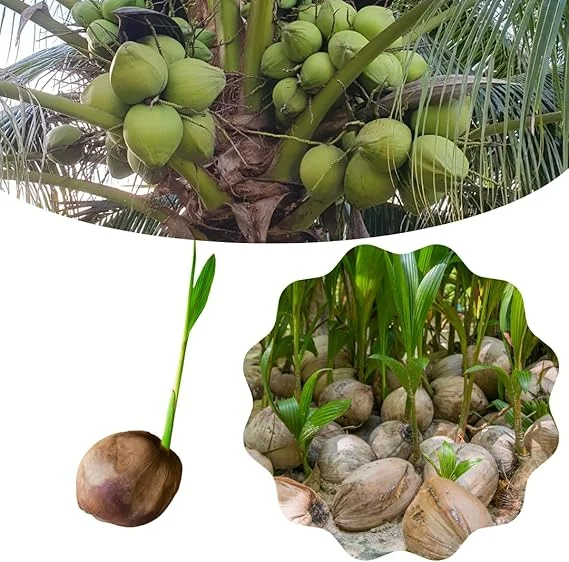
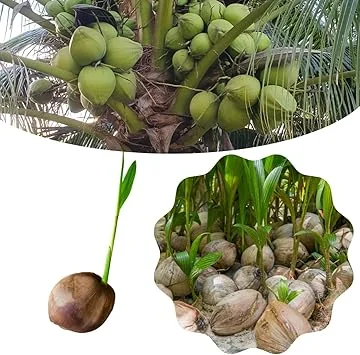
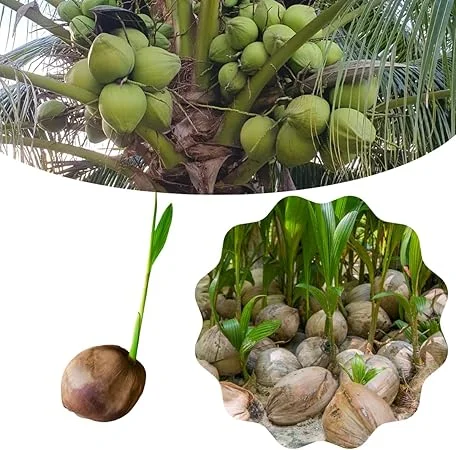
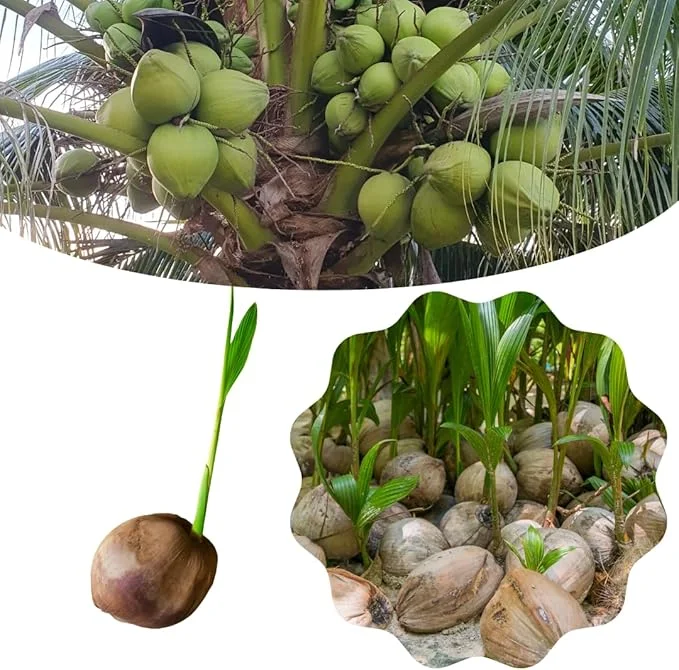
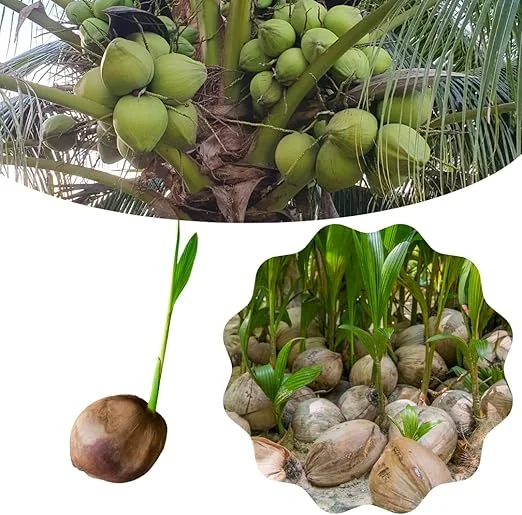
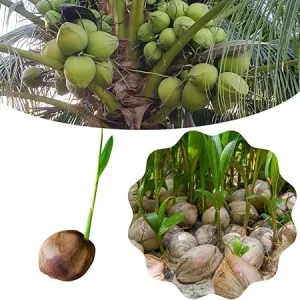
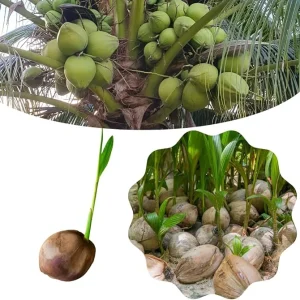
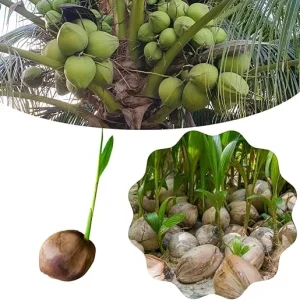
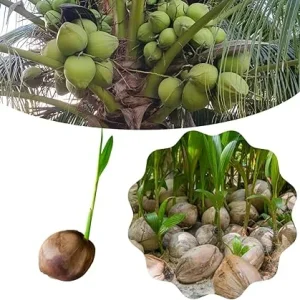
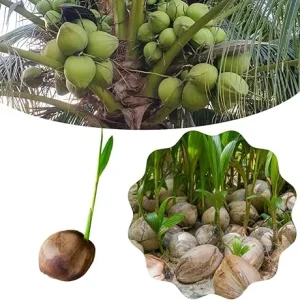
Green Coconut Tree Live Plant – Sprouted Tropical Fruit Tree, 6-8 Inch Tall, Outdoor
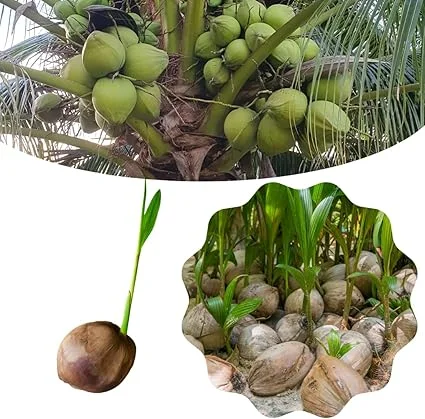
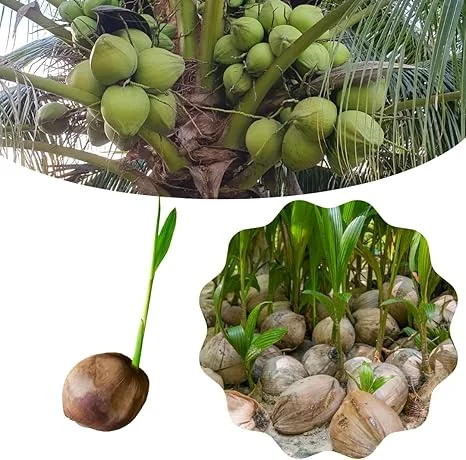
Cultivate a taste of the tropics with this green coconut tree live plant, a sprouted coconut plant ready for outdoor growth. Standing 6-8 inches tall, this young tropical fruit tree is ideal for warm climates, adding an exotic touch to your garden or patio. Enjoy the journey of nurturing your very own coconut palm.
$65.98

With our Alive & Thrive Guarantee, we’ve got your back for the first 30 days! If you have any concerns about your plants, just reach out to us. Our team is here to help answer your questions and guide you in selecting the best plants for your garden, climate, and unique preferences. We're excited to help you create the garden of your dreams!
Estimated arrival
Apr 03
Apr 08 - Apr 10
Apr 13 - Apr 17

Product Details
-
USDA Hardiness Zone
USDA Zones 10-11 -
Soil type
Well-drained sandy loam soil -
Sunlight Exposure
Full Sun -
Expected Planting Period
Spring to early summer
Overview
Embark on an exciting gardening adventure with this beautiful green coconut tree live plant. Sourced from a healthy, viable sprout, this young coconut palm arrives ready to establish itself in your outdoor landscape, bringing a touch of the tropics to your home. Known scientifically as Cocos nucifera, the coconut tree is not only a source of delicious and versatile fruit but also a symbol of tropical beauty and relaxation. This particular specimen is a sprouted coconut plant, meaning it has already begun its journey of growth, offering a head start for eager gardeners. Standing approximately 6-8 inches tall, it’s perfectly sized for careful transition into a larger container or directly into the ground in appropriate climates. Imagine harvesting your own fresh coconuts right from your backyard!
This tropical fruit tree is a fantastic addition for anyone looking to create a vibrant, exotic garden or simply enjoy the unique process of growing a fruit-bearing palm. Its lush green fronds will provide a stunning visual appeal, transforming any space into a serene escape. Whether you’re an experienced horticulturist or a budding plant enthusiast, nurturing this coconut tree offers a rewarding experience, culminating in the potential for delicious, homegrown coconuts.
Key Benefits
Adding a green coconut tree live plant to your garden offers numerous advantages beyond its aesthetic appeal. This remarkable palm brings both beauty and potential productivity to your outdoor space, enhancing your connection to nature with its unique characteristics.
- Exotic Garden Accent: Instantly transform your patio, garden, or landscape into a tropical oasis. The distinctive fronds and eventual stately height of this sprouted coconut plant create a captivating focal point that evokes warm, sunny destinations.
- Potential for Fresh Coconuts: With proper care and suitable growing conditions, this tropical fruit tree has the potential to produce its own fresh coconuts, offering a unique and delicious harvest right from your home.
- Air Purification: Like many plants, coconut trees contribute to a healthier environment by absorbing carbon dioxide and releasing oxygen, improving the air quality around your outdoor living areas.
- Low Maintenance: Once established in its preferred climate and soil, the outdoor coconut tree is relatively easy to care for, requiring consistent watering and full sun exposure to thrive. This makes the coconut plant care routine manageable for most gardeners.
- Educational Experience: Growing a coconut tree from a sprout provides an enriching educational opportunity, allowing you to observe the life cycle of a unique fruit-bearing palm firsthand.
- Versatile Landscaping: Suitable for large containers on patios or directly planted in the ground, this young coconut tree offers flexibility in how you integrate it into your outdoor design, enhancing various garden styles.
- Unique Gift Idea: A live coconut tree makes an unforgettable and distinctive gift for plant lovers, gardeners, or anyone who appreciates exotic flora and the promise of tropical fruit.
Plant Care & Growing Tips
Successful coconut plant care begins with understanding its specific needs, especially for an outdoor coconut tree. This green coconut tree live plant thrives in conditions that mimic its native tropical environment. For optimal growth, ensure it receives ample sunlight; coconut trees are sun-worshippers and require full sun exposure, ideally 6-8 hours of direct sunlight per day. In USDA Hardiness Zones 10-11, it can be planted directly in the ground. For those in cooler zones, growing it in a large, movable container is recommended, allowing you to bring it indoors during colder months.
When it comes to watering, consistency is key. Keep the soil consistently moist but never waterlogged. Regular, deep watering is preferred, especially during dry periods. Well-draining soil is crucial to prevent root rot; a sandy loam mix enriched with organic matter is ideal. The tree prefers warm temperatures, generally above 65°F (18°C), and high humidity. Fertilize your sprouted coconut plant quarterly with a balanced slow-release fertilizer formulated for palms, ensuring it receives essential micronutrients like magnesium, manganese, and iron to support healthy frond development and fruit production. Monitor for common pests like spider mites or mealybugs and treat promptly with organic insecticides if necessary. Proper tropical fruit tree care will ensure a robust and beautiful specimen.
Size & Details
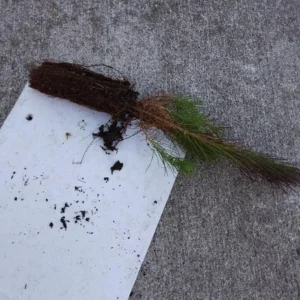
This green coconut tree live plant is supplied as a healthy, sprouted specimen, typically measuring 6-8 inches tall from the base of the sprout to the tip of its tallest frond. It is carefully packaged to ensure its safe arrival, ready for planting. While currently compact, a mature outdoor coconut tree can reach impressive heights, often exceeding 50 feet in ideal conditions, though growth in containers will be more constrained. The initial growth rate for a sprouted coconut plant is moderate, establishing its root system before significant vertical growth. Expect to see new fronds emerging as it adapts to its new environment. It is shipped as a live plant, rooted in a small nursery pot or with its roots carefully protected to maintain moisture during transit.
Properly cared for, this tropical fruit tree will gradually develop its iconic single trunk and large, pinnate leaves, creating a classic palm silhouette. The exact dimensions and growth rate will vary depending on your specific growing conditions, including sunlight, watering, soil quality, and fertilization. In suitable climates (USDA Zones 10-11), it will eventually develop into a majestic, fruit-bearing palm. For those in cooler regions, container growth allows for its enjoyment as a patio plant or a stunning indoor specimen during winter.
Frequently Asked Questions
- Q: How big does this green coconut tree live plant get? A: This particular plant arrives at 6-8 inches tall. In ideal outdoor conditions (USDA Zones 10-11), a mature outdoor coconut tree can reach heights of over 50 feet. If grown in a container, its size will be more manageable, typically reaching 10-20 feet depending on the pot size and pruning.
- Q: Is this an indoor or outdoor plant? A: This green coconut tree live plant is primarily an outdoor plant, thriving in warm, tropical climates (USDA Hardiness Zones 10-11). However, in cooler regions, it can be grown in a large container and moved indoors during colder months to protect it from frost.
- Q: How much sunlight does a sprouted coconut plant need? A: Coconut trees require abundant sunlight. For optimal growth, ensure your sprouted coconut plant receives at least 6-8 hours of direct, full sun exposure daily. It will not thrive in shaded conditions.
- Q: Is this plant easy to care for? A: Once established in the correct environment, coconut plant care is considered moderate. It needs consistent watering, full sun, and well-draining soil. It is more challenging for beginners in non-tropical climates due to specific temperature and humidity requirements.
- Q: What condition will the tropical fruit tree arrive in? A: Your tropical fruit tree will arrive as a healthy, live sprout, typically 6-8 inches tall, with its roots protected. It will be carefully packaged to minimize stress during transit, ready for immediate planting or repotting upon arrival.
- Q: When is the best time to plant this outdoor coconut tree? A: The best time to plant your outdoor coconut tree is in the spring or early summer, once all danger of frost has passed and temperatures are consistently warm. This allows the young plant ample time to establish itself before cooler weather.
- Q: What type of soil is best for a coconut plant? A: Coconut plants prefer well-draining, sandy loam soil. It’s crucial to ensure good drainage to prevent waterlogging, which can lead to root rot. Amending your soil with organic matter can also be beneficial for the coconut plant care routine.
- Q: Will this green coconut tree live plant produce fruit? A: With proper care, sufficient sunlight, and suitable tropical conditions, this green coconut tree live plant has the potential to produce coconuts. Fruiting typically begins after 5-7 years for dwarf varieties, and 6-10 years for standard varieties.
- Q: Can I grow this coconut plant in a small pot? A: While you can start it in a small pot, a sprouted coconut plant will quickly outgrow it. For long-term container growth, you’ll need a very large pot (at least 20-30 gallons or more) to accommodate its extensive root system and allow for sufficient growth.
- Q: How often should I water my tropical fruit tree? A: Water your tropical fruit tree regularly, keeping the soil consistently moist but not soggy. The frequency will depend on your climate, soil type, and whether it’s in a pot or the ground. Always check the top few inches of soil; if it feels dry, it’s time to water.
Related products
-20%
Original price was: $90.00.$72.00Current price is: $72.00.
-10%
Original price was: $23.99.$21.59Current price is: $21.59.

PLANTING & CARE

Growing Glencoe Raspberry: A Complete Guide for Gardeners
If you’re looking to add something unique to your garden, look no further than the
31
Mar
Mar

The Comprehensive Guide to Growing Bay Leaf Plants for a Flavorful Garden
Imagine stepping into your garden, greeted by the earthy aroma of fresh bay leaves, their
09
Feb
Feb

How to Make Comfrey Tea: The Ultimate Organic Plant Food
Growing an organic garden can be surprisingly expensive, especially when most store-bought fertilizers come in
02
Feb
Feb

True Comfrey: 7 Essential Tips Before You Plant This Herb
A staple in permaculture practices across the US, True Comfrey easily earns its reputation as
27
Jan
Jan

7 Heart-Shaped Plants for a Lasting Valentine’s Gift
If you’ve ever bought a bouquet of roses for Valentine’s Day, you know they are
26
Jan
Jan

Best Types of Ivy Plant for Houses: How to Choose the Perfect Ones for Your Home
Are you a garden lover looking to introduce some greenery into your home? Maybe you’ve
14
Nov
Nov

When to Harvest Garlic (Especially Fall-Planted Garlic)
TIMING IS EVERYTHING, they say – and for garlic, that truth hits with surprising accuracy.
13
Nov
Nov

11 of the Best Sweet Potato Varieties to Grow for Your Garden
If you’ve ever tried growing sweet potatoes, you know that picking the right variety can
12
Nov
Nov