French Lavender Live Plant – 4″ Pot, 5-9″ Tall, Purple Fragrant Bush
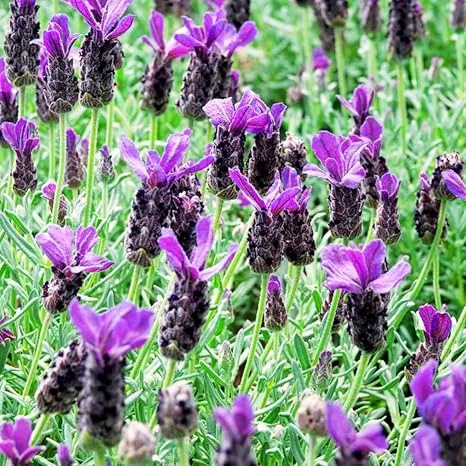
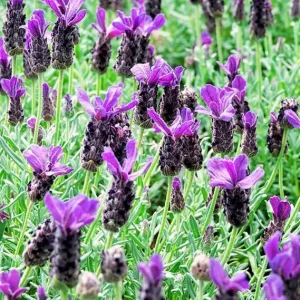
French Lavender Live Plant – 4″ Pot, 5-9″ Tall, Purple Fragrant Bush
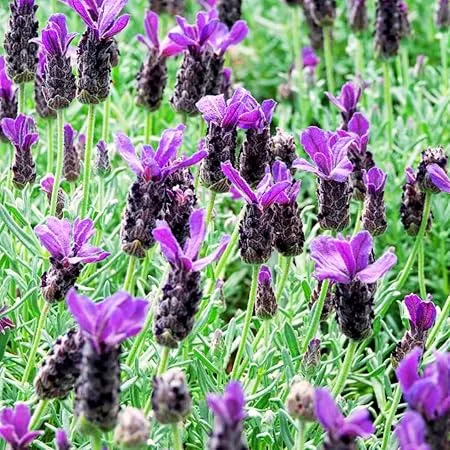
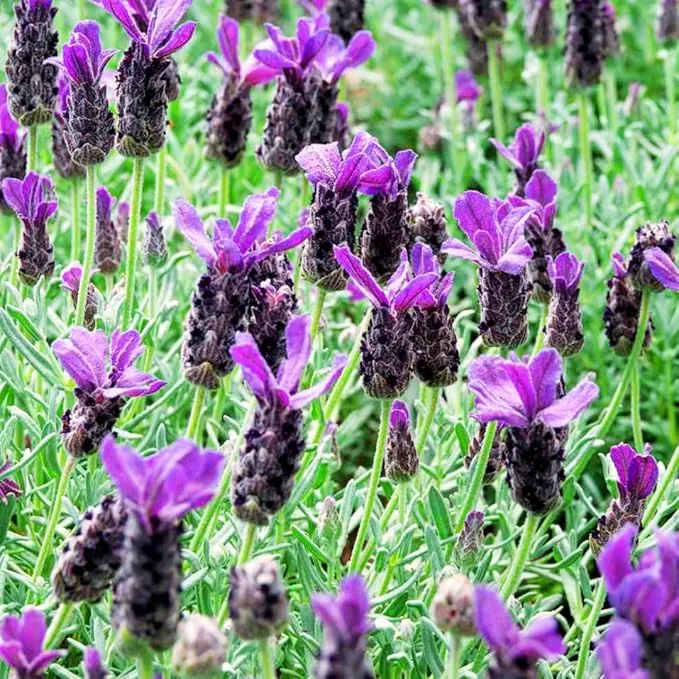
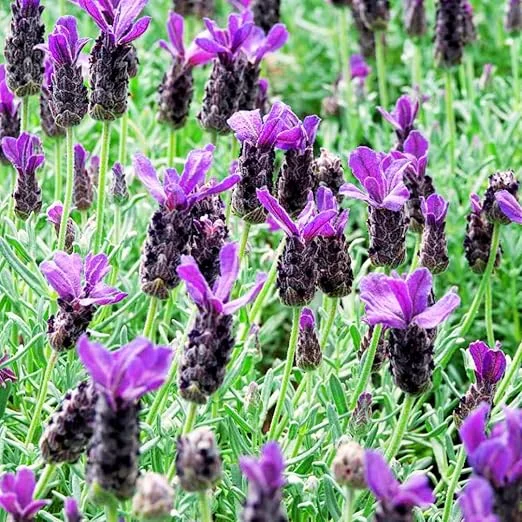
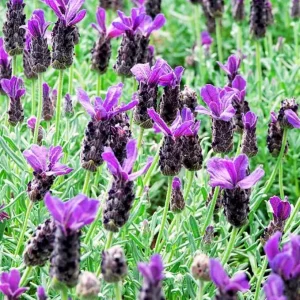
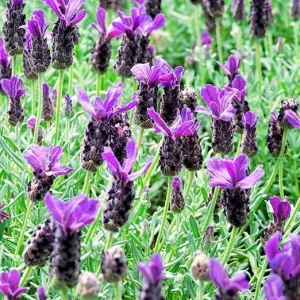
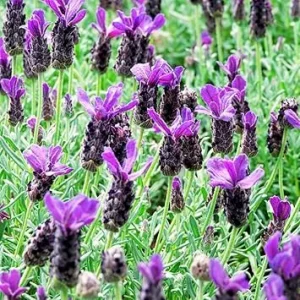
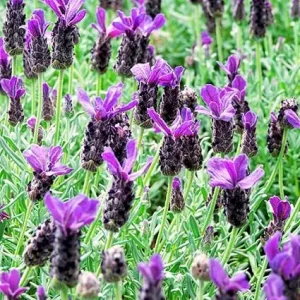
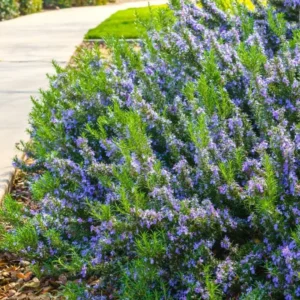
Bring the beauty and fragrance of Provence to your home or garden with this french lavender live plant. Arriving in a 4″ pot and measuring 5-9″ tall, this versatile lavender bush indoor or outdoor plant produces stunning purple blooms and a delightful aroma. Perfect for adding a touch of elegance and natural scent to any space.
$41.78

With our Alive & Thrive Guarantee, we’ve got your back for the first 30 days! If you have any concerns about your plants, just reach out to us. Our team is here to help answer your questions and guide you in selecting the best plants for your garden, climate, and unique preferences. We're excited to help you create the garden of your dreams!
Estimated arrival
Mar 31
Apr 05 - Apr 07
Apr 10 - Apr 14
Product Details
-
USDA Hardiness Zone
USDA zones 8-11 -
Soil type
Well-draining, slightly alkaline soil -
Sunlight Exposure
Full sun -
Expected Planting Period
Spring to early summer
Overview
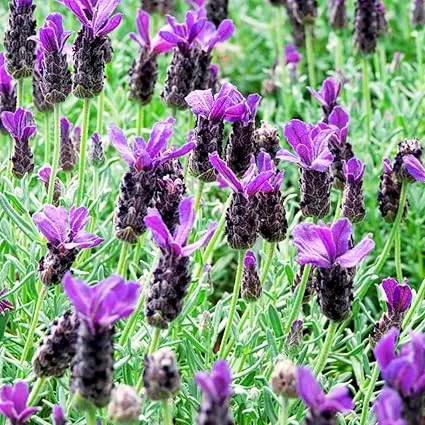
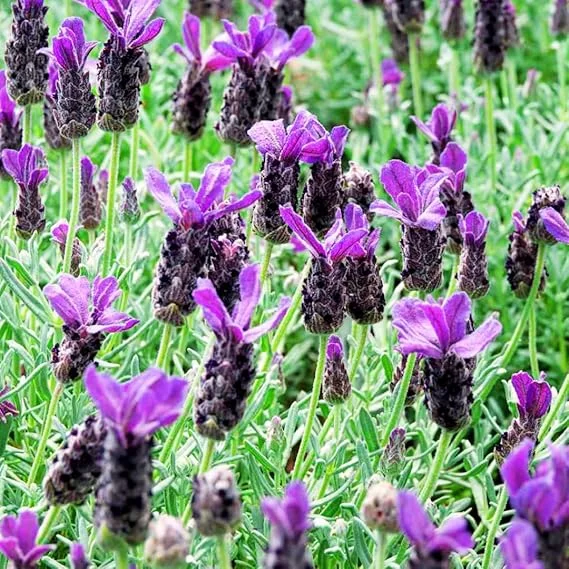
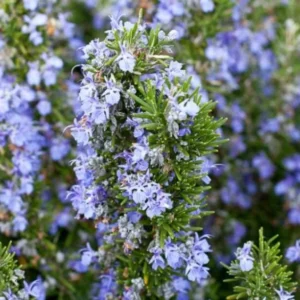
Transform your living space with the enchanting aroma and vibrant color of a french lavender live plant. This exquisite plant, scientifically known as Lavandula stoechas, is renowned for its distinctive ‘bunny ear’ bracts atop rich purple flower spikes and its intensely fragrant foliage. Perfect for both novice and experienced gardeners, this french lavender live plant arrives ready to thrive, potted in a convenient 4-inch container and standing between 5-9 inches tall. Whether you’re looking to create a serene indoor oasis or add a touch of Mediterranean charm to your outdoor landscape, this beautiful lavender bush is an ideal choice. Its robust nature and beautiful spring blooms make it a delightful addition to any home or garden, promising a sensory experience that calms and invigorates.
Often referred to as Spanish Lavender due to its native Mediterranean origins, this variety is celebrated for its unique flower structure and rich essential oils. Our french lavender live plant is carefully cultivated to ensure a healthy start, providing you with a high-quality specimen ready to flourish. It’s an excellent choice for those who appreciate aromatic plants and desire a low-maintenance yet visually stunning botanical companion. Experience the joy of growing your own fragrant lavender, a plant cherished for centuries for its beauty and therapeutic properties.
Key Benefits
Beyond its captivating beauty, growing a french lavender live plant offers a multitude of benefits that enhance both your environment and well-being. This versatile plant is not just a treat for the eyes but also a joy for the senses, providing a natural and holistic addition to your home or garden.
- Aromatic Delight: The distinctive, highly fragrant blooms and foliage of the french lavender live plant release a soothing scent known for its calming and stress-reducing properties. Perfect for creating a relaxing atmosphere indoors or outdoors.
- Stunning Visual Appeal: Enjoy the unique, deep purple flower spikes topped with charming ‘bunny ear’ bracts. These vibrant blooms provide continuous visual interest from spring through summer, attracting beneficial pollinators like bees and butterflies.
- Indoor and Outdoor Versatility: This lavender bush thrives equally well in sunny windowsills as an indoor houseplant or planted directly in a full-sun garden bed. Its adaptability makes it suitable for various living situations and garden designs.
- Low Maintenance & Drought Tolerant: Once established, lavandula stoechas requires minimal care, making it an excellent choice for busy individuals. It is particularly drought-tolerant, preferring less frequent watering.
- Natural Repellent: The strong fragrance of lavender acts as a natural deterrent for certain pests, helping to keep your garden and home free from unwanted insects without harsh chemicals.
- Culinary and Medicinal Uses: While French Lavender is primarily ornamental, its fragrant flowers can be used in potpourri, sachets, and aromatherapy. Some varieties are also used in specific culinary applications, adding a unique flavor to dishes.
- Enhances Curb Appeal: Planted in garden beds, borders, or containers, this fragrant lavender plant adds sophisticated color and texture, significantly boosting the aesthetic appeal of your outdoor spaces.
Plant Care & Growing Tips
Caring for your french lavender live plant is straightforward, and with a few key considerations, you can ensure it thrives and provides beautiful, fragrant blooms for years to come. This plant prefers conditions similar to its Mediterranean origins, so understanding its needs for sunlight, water, and soil is crucial for successful growth. Proper french lavender care will lead to a robust and healthy plant.
Sunlight Requirements: French Lavender absolutely loves sun! It requires at least 6-8 hours of direct sunlight per day to flower profusely and maintain its compact, bushy form. If growing indoors, place it in your sunniest window, ideally a south-facing one. For outdoor planting, choose a location that receives full, unobstructed sun throughout the day. Insufficient light will result in leggy growth and fewer blooms. This plant is well-suited for hot, sunny locations.
Watering Schedule and Soil Moisture: Overwatering is the most common cause of problems for lavender. Allow the soil to dry out completely between waterings. When you do water, do so deeply until water drains from the bottom of the pot (for container plants) or thoroughly soaking the root zone (for garden plants). Reduce watering significantly in cooler months. A good rule of thumb for french lavender care is to check the top 1-2 inches of soil; if it’s dry, it’s time to water. Well-drained soil is paramount to prevent root rot.
Soil Type and Drainage Requirements: This fragrant lavender plant prefers lean, well-draining soil with a slightly alkaline pH (6.5-7.5). For container planting, use a high-quality potting mix amended with perlite or sand to improve drainage. Avoid heavy clay soils that retain too much moisture. If planting in the ground, amend heavy soils with organic matter and grit to enhance drainage. Raised beds are often an excellent solution for ensuring proper drainage for lavender.
Temperature Range and USDA Hardiness Zone: French Lavender is generally hardy in USDA zones 8-11. It prefers warm temperatures and can tolerate heat well. In colder zones, it is best grown as an annual or brought indoors during winter. Protect outdoor plants from hard frosts. Indoors, maintain average room temperatures and avoid sudden temperature fluctuations.
Fertilization Schedule and Type: Lavender is not a heavy feeder and generally thrives in poorer soils. Over-fertilizing can lead to excessive foliage growth at the expense of flowers. If your soil is very poor, a light application of a balanced, slow-release fertilizer in early spring can be beneficial. Avoid high-nitrogen fertilizers. For an indoor lavender bush indoor, a diluted liquid fertilizer once a month during the growing season (spring to early fall) is usually sufficient.
Common Problems and Solutions: The main issues for French Lavender are usually related to improper watering or insufficient sunlight. Watch for yellowing leaves (often a sign of overwatering or poor drainage) or sparse, leggy growth (indicating a lack of light). Pruning is essential for maintaining shape and encouraging new blooms. After the first flush of flowers, deadhead spent blooms to encourage a second flush. Prune back about one-third of the plant in late summer or early fall to promote bushiness and prevent woodiness.
Size & Details
This offering is for one healthy french lavender live plant, meticulously grown and ready to thrive in your environment. Each plant is shipped in a sturdy 4-inch nursery pot, providing a secure and established root system for easy transplanting or continued growth in its current container. Upon arrival, your lavender plant will typically stand between 5-9 inches tall, measured from the soil line to the tip of its foliage or highest bloom. This compact size makes it ideal for immediate display on a windowsill, patio table, or as a vibrant addition to a mixed container garden.
French Lavender (lavandula stoechas) is known for its moderate growth rate, quickly filling out to become a beautiful, aromatic bush. With proper care, it can reach a mature height of 12-24 inches and a similar spread, forming a dense, rounded shrub. The plant will arrive with established roots and likely some developing foliage, possibly with buds or early blooms, depending on the season. Expect vibrant purple flowers to emerge in spring, continuing into summer, especially with regular deadheading. This fragrant lavender plant is a long-lived perennial in suitable climates, offering years of beauty and scent.
Frequently Asked Questions
- Q: How big does this french lavender live plant get? A: This lavender plant arrives in a 4-inch pot, standing 5-9 inches tall. With proper care, it can mature into a bush typically reaching 12-24 inches in height and spread, forming a lovely, compact shrub.
- Q: Is this an indoor or outdoor plant? A: This french lavender live plant is highly versatile. It thrives both indoors in a sunny window and outdoors in garden beds or containers, making it perfect for various settings.
- Q: How much sunlight does this fragrant lavender plant need? A: French Lavender requires ample sunlight, ideally 6-8 hours of direct sun per day. For indoor growing, place it in the brightest spot available, such as a south-facing window.
- Q: Is this plant easy to care for? Is it good for beginners? A: Yes, french lavender care is relatively easy, especially once established. It’s considered low-maintenance and is an excellent choice for beginners, provided its basic needs for sun and well-draining soil are met.
- Q: What condition will my lavandula stoechas arrive in? A: Your lavender plant will arrive healthy and well-rooted in its 4-inch nursery pot. It will be carefully packaged to ensure minimal stress during transit, ready for you to unbox and enjoy.
- Q: When is the best time to plant or re-pot this lavender bush indoor? A: The best time to plant or re-pot is in spring or early summer, allowing the plant ample time to establish itself before extreme weather. However, indoor plants can be re-potted year-round if necessary.
- Q: Will it survive winter in my zone? What’s the minimum temperature? A: French Lavender is hardy in USDA zones 8-11. In colder zones, it should be brought indoors before the first frost or treated as an annual. It generally prefers temperatures above 20°F (-6°C).
- Q: Can I use the flowers from this french lavender live plant? A: While primarily ornamental, the highly fragrant flowers can be harvested for sachets, potpourri, or dried arrangements. Always research specific culinary uses before consumption.
- Q: What kind of soil does this fragrant lavender plant prefer? A: It prefers lean, well-draining soil with a slightly alkaline pH. For potted plants, use a good quality potting mix amended with perlite or sand for improved drainage.
- Q: How often should I water my lavender bush indoor or outdoor? A: Water thoroughly when the top 1-2 inches of soil are completely dry. Lavender is drought-tolerant and prone to root rot if overwatered, so err on the side of underwatering.
Related products
-67%
Original price was: $75.72.$25.24Current price is: $25.24.
-58%
Original price was: $39.99.$16.99Current price is: $16.99.
-30%
Original price was: $59.98.$41.98Current price is: $41.98.
-30%
Original price was: $57.98.$40.58Current price is: $40.58.
-50%
Original price was: $47.96.$23.98Current price is: $23.98.
-67%
Original price was: $39.72.$13.24Current price is: $13.24.
-67%
Original price was: $39.72.$13.24Current price is: $13.24.
-10%
Original price was: $65.00.$58.50Current price is: $58.50.
PLANTING & CARE
Growing Glencoe Raspberry: A Complete Guide for Gardeners
If you’re looking to add something unique to your garden, look no further than the
31
Mar
Mar

The Comprehensive Guide to Growing Bay Leaf Plants for a Flavorful Garden
Imagine stepping into your garden, greeted by the earthy aroma of fresh bay leaves, their
09
Feb
Feb

How to Make Comfrey Tea: The Ultimate Organic Plant Food
Growing an organic garden can be surprisingly expensive, especially when most store-bought fertilizers come in
02
Feb
Feb

True Comfrey: 7 Essential Tips Before You Plant This Herb
A staple in permaculture practices across the US, True Comfrey easily earns its reputation as
27
Jan
Jan

7 Heart-Shaped Plants for a Lasting Valentine’s Gift
If you’ve ever bought a bouquet of roses for Valentine’s Day, you know they are
26
Jan
Jan

Best Types of Ivy Plant for Houses: How to Choose the Perfect Ones for Your Home
Are you a garden lover looking to introduce some greenery into your home? Maybe you’ve
14
Nov
Nov

When to Harvest Garlic (Especially Fall-Planted Garlic)
TIMING IS EVERYTHING, they say – and for garlic, that truth hits with surprising accuracy.
13
Nov
Nov

11 of the Best Sweet Potato Varieties to Grow for Your Garden
If you’ve ever tried growing sweet potatoes, you know that picking the right variety can
12
Nov
Nov