10 Lily of the Valley Roots – Perennial, Fragrant White Flowers, Zones 2-9, Cold Hardy
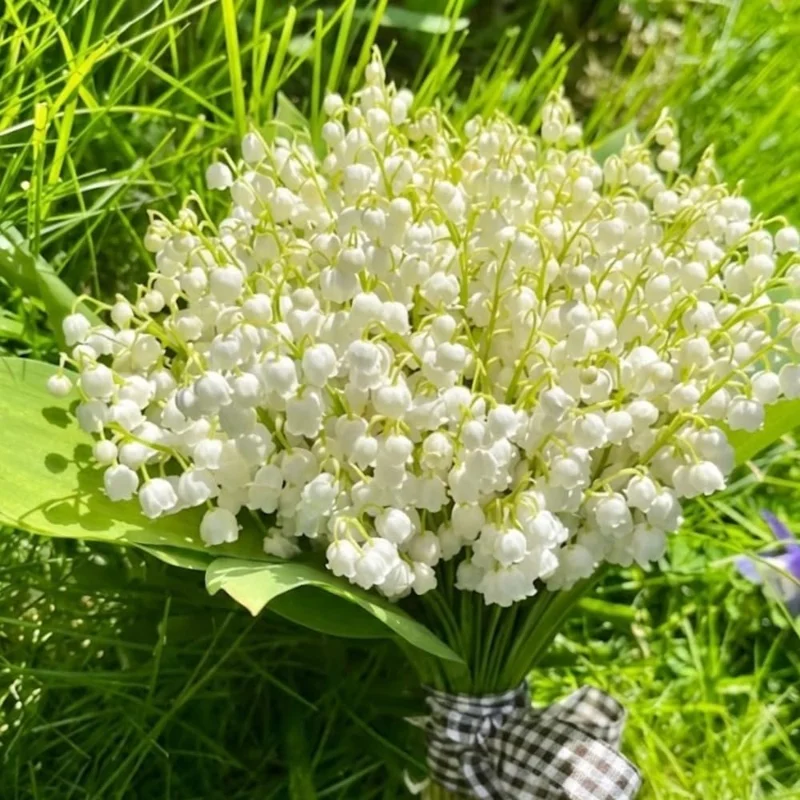
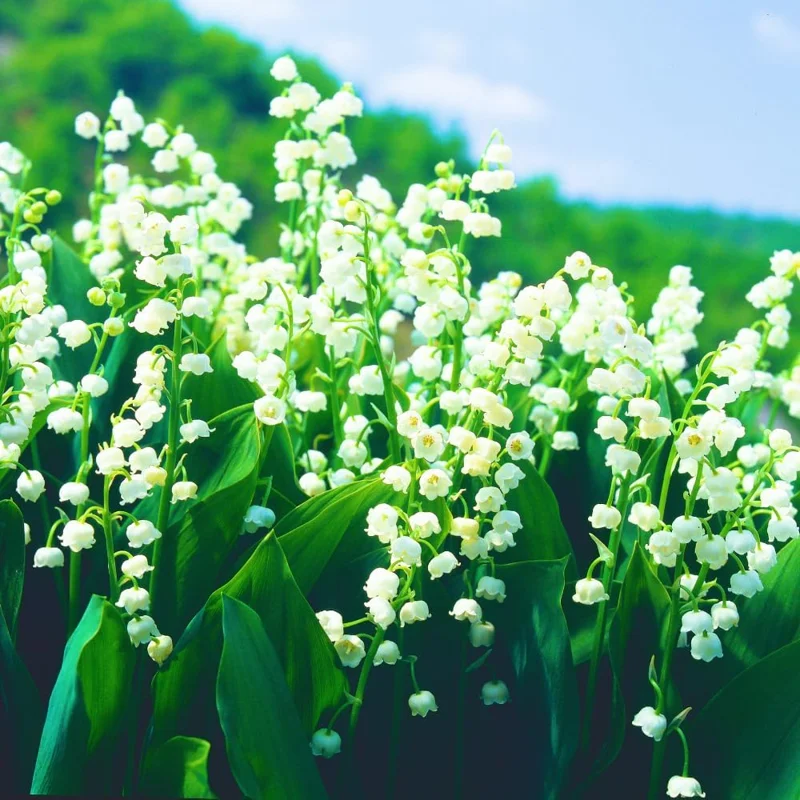
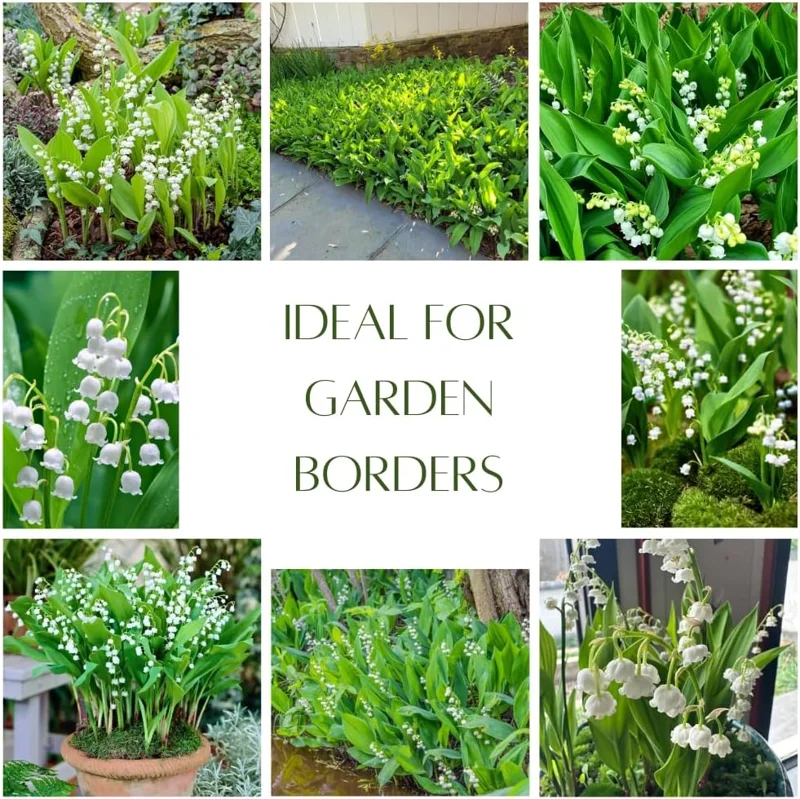
10 Lily of the Valley Roots – Perennial, Fragrant White Flowers, Zones 2-9, Cold Hardy
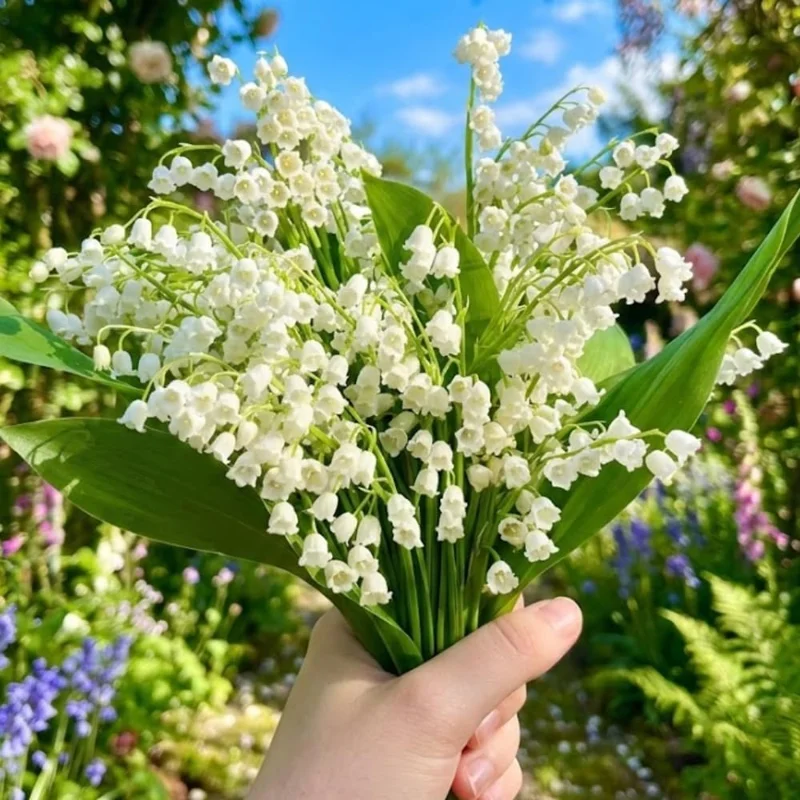
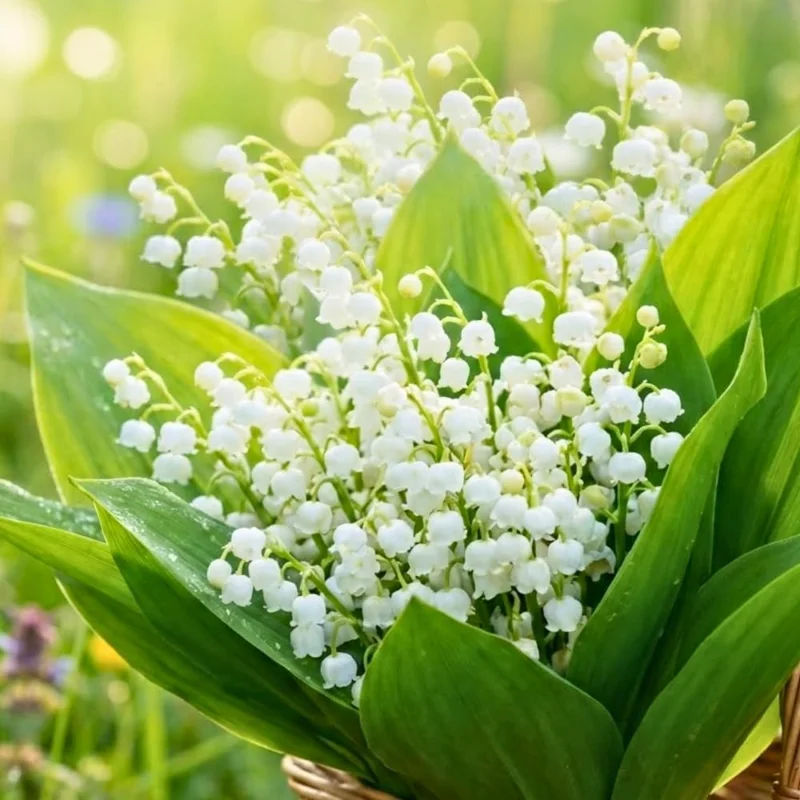
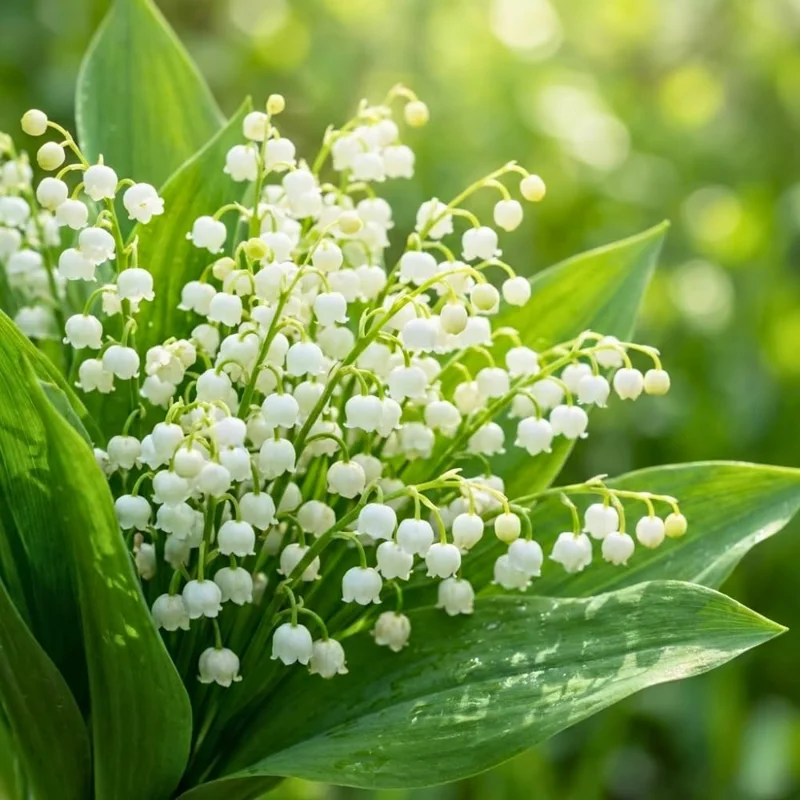
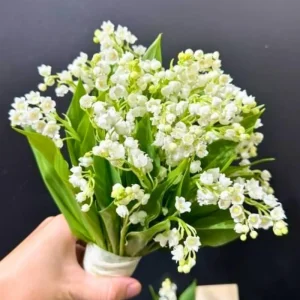
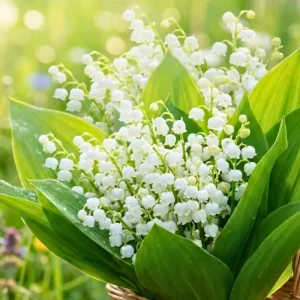
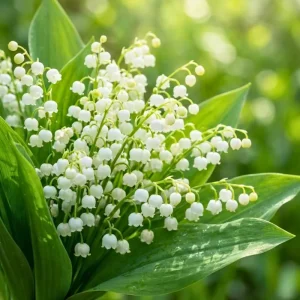
Plant these 10 Lily of the Valley roots to create a beautiful and fragrant spring garden. These perennial plants produce delicate white flowers and make excellent ground cover, thriving in partial to full shade.
- Includes 10 large Lily of the Valley roots
- Produces sweet-scented white flowers
- Hardy in USDA Zones 2-9
- Easy to grow and low-maintenance
$21.99

With our Alive & Thrive Guarantee, we’ve got your back for the first 30 days! If you have any concerns about your plants, just reach out to us. Our team is here to help answer your questions and guide you in selecting the best plants for your garden, climate, and unique preferences. We're excited to help you create the garden of your dreams!
Estimated arrival
Feb 23
Feb 28 - Mar 02
Mar 05 - Mar 09

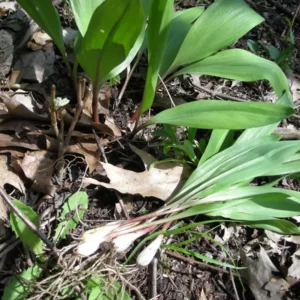
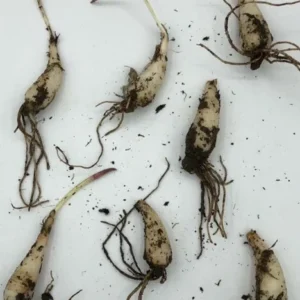
Product Details
-
USDA Hardiness Zone
USDA Zones 2-9 -
Soil type
Rich, well-draining soil -
Sunlight Exposure
Partial to full shade -
Expected Planting Period
Spring or Fall
Overview
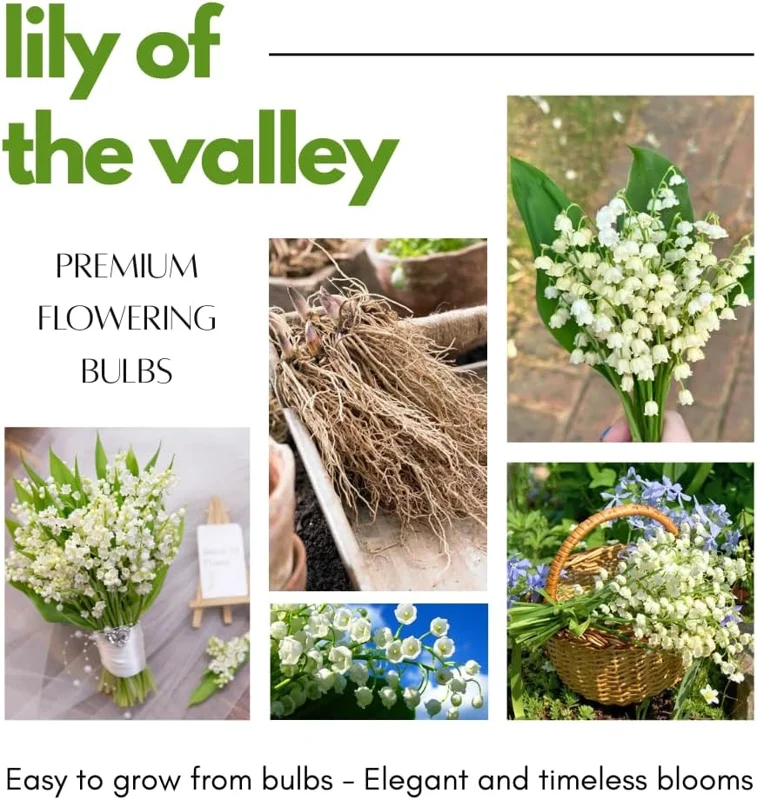
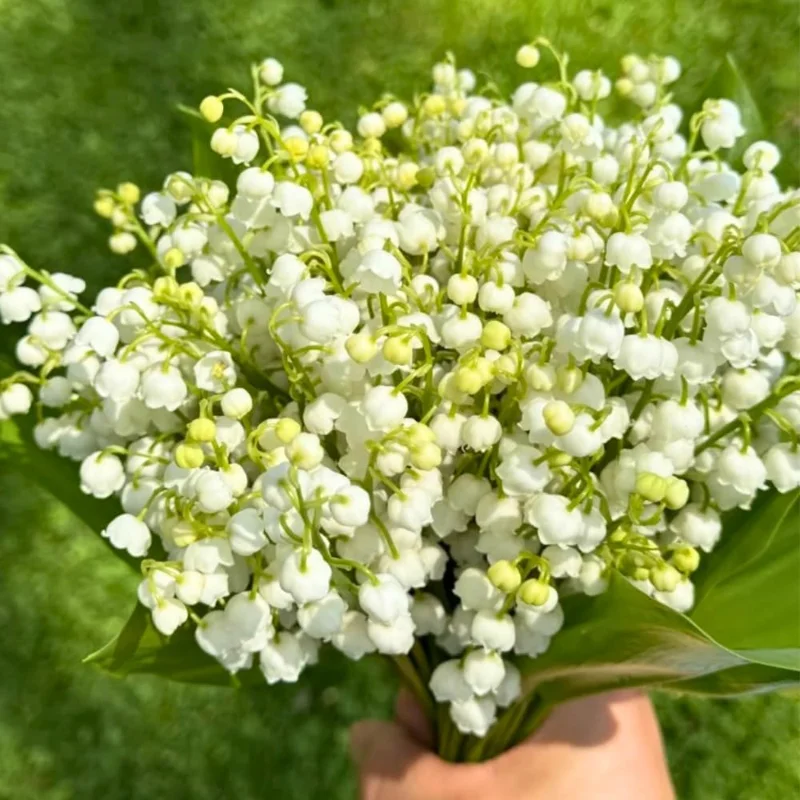
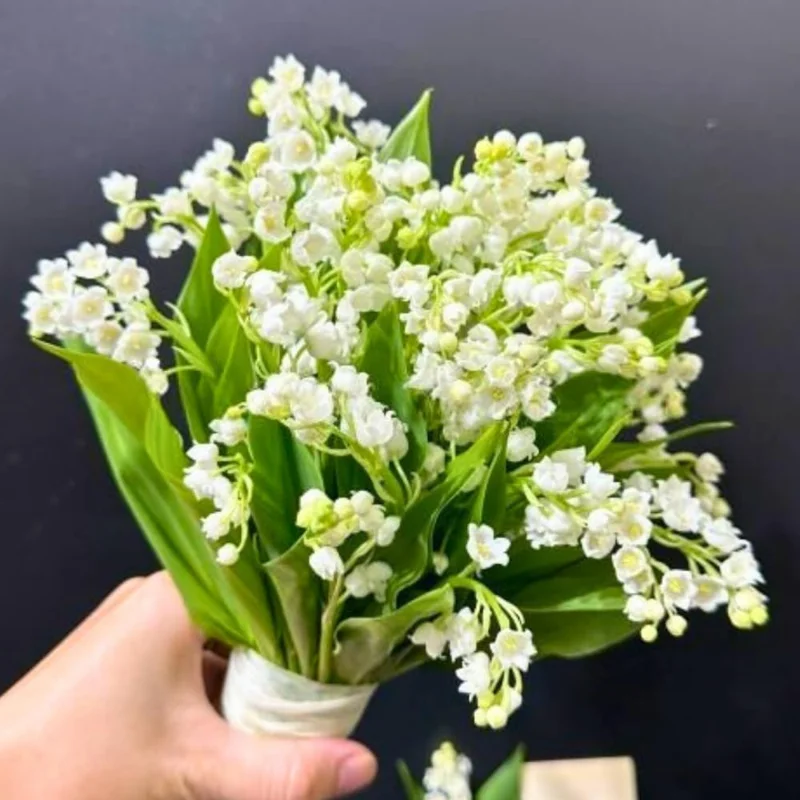
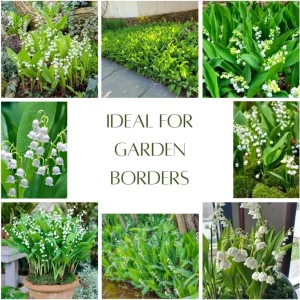
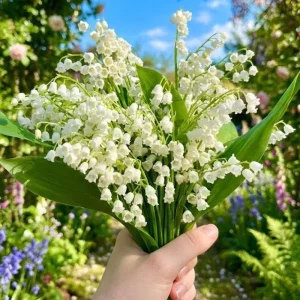
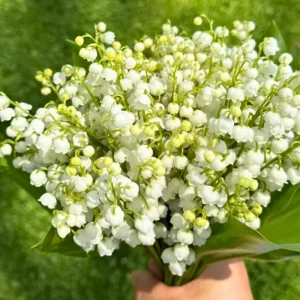
Transform your garden into a fragrant spring paradise with these lily of the valley roots. Each purchase includes 10 large, ready-to-plant roots of Convallaria majalis, commonly known as lily of the valley. These charming perennials are celebrated for their delicate, bell-shaped white flowers and intensely sweet fragrance that wafts through the air in late spring. Ideal for creating a lush, green carpet under trees or along pathways, lily of the valley is a classic choice for shaded gardens. Known for being a cold hardy plant, it reliably returns year after year, spreading slowly to form dense colonies of attractive foliage.
Originating from Europe and Asia, lily of the valley has been cherished for centuries for its beauty and scent. These bare roots are an economical and effective way to establish a thriving patch of these beloved flowers. They are particularly suited for woodland gardens, shady borders, or as a charming ground cover where other plants might struggle. With minimal care, these roots will quickly establish, bringing timeless elegance and an unforgettable aroma to your outdoor space.
Key Benefits
Choosing to plant these lily of the valley roots offers numerous advantages for any gardener looking to enhance their landscape with beauty and fragrance. Their robust nature and delightful characteristics make them a superb addition.
- Exquisite Fragrance: Enjoy the iconic, sweet, and captivating scent that only lily of the valley can provide, filling your garden with a delightful aroma each spring. This fragrant white flower is a sensory delight.
- Perennial Beauty: Once planted, these roots will establish and return reliably year after year, offering a continuous display of delicate white blooms without the need for replanting. They are a true perennial ground cover.
- Low Maintenance: These plants are incredibly easy to grow and require minimal attention once established. They are tolerant of various conditions, making them perfect for busy gardeners.
- Ideal Ground Cover: Lily of the Valley spreads to form a dense, attractive green carpet, suppressing weeds and beautifying shady areas where many other plants struggle to thrive.
- Cold Hardy: Suitable for a wide range of climates, these roots are exceptionally cold hardy plants, flourishing in USDA Zones 2 to 9, ensuring success in most temperate regions.
- Shade Tolerant: Unlike many flowering plants, lily of the valley thrives in partial to full shade, making it an excellent choice for brightening dimly lit corners of your garden.
- Versatile Planting: Perfect for woodland gardens, under deciduous trees, along shaded pathways, or in containers, adding elegance and charm wherever they are planted.
Plant Care & Growing Tips
Caring for your lily of the valley roots is straightforward, ensuring a beautiful display year after year. These resilient plants prefer a shaded environment. For optimal growth, plant them in an area that receives partial to full shade (2-6 hours of indirect sunlight per day). While they can tolerate some morning sun, intense afternoon sun can scorch their leaves. They are excellent for planting under trees or on the north side of buildings where natural light is limited.
When it comes to soil, lily of the valley prefers rich, well-drained soil that is consistently moist. Amend heavy clay soils with organic matter like compost or peat moss to improve drainage and fertility. The ideal pH range is slightly acidic to neutral (6.0-7.0). Water regularly, especially during dry spells, to keep the soil evenly moist but not waterlogged. Avoid overhead watering to prevent fungal diseases. These roots are known for being a cold hardy plant and will thrive with proper care.
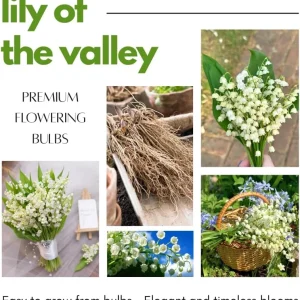
Plant the pips (roots) about 1-2 inches deep and 4-6 inches apart in the spring or fall. Ensure the pointed growing tip is facing upwards. Fertilize in early spring with a balanced slow-release granular fertilizer to support vigorous growth and blooming. While generally disease-resistant, watch out for leaf spot in overly humid conditions. Division every few years in the fall can help manage spread and invigorate older patches. This will help maintain a vibrant perennial ground cover.
Size & Details
This package includes 10 large Lily of the Valley roots, also known as pips, ready for immediate planting. Each root is carefully selected to ensure strong establishment and vigorous growth. Once planted, these roots will quickly begin to form a dense network, producing their characteristic broad, green leaves and delicate flower stalks. Mature plants typically reach a height of 6 to 8 inches, creating a uniform and attractive ground cover. The roots are shipped in dormant condition, making them easy to handle and plant.
Expect to see foliage emerge in early spring, followed by the appearance of the charming, bell-shaped white flowers in late spring, usually around April or May, depending on your climate zone. These roots are robust and designed to establish quickly, providing a beautiful and fragrant display in their first growing season. They are an excellent choice for naturalizing in shady areas and will spread over time to create a beautiful, low-maintenance landscape feature. The fragrant white flower display is a highlight of the spring garden.
Frequently Asked Questions
- Q: How large will these lily of the valley roots grow? A: Once established, lily of the valley plants typically reach a height of 6 to 8 inches, forming a dense and attractive ground cover. They spread slowly to fill in shaded areas.
- Q: Is this an indoor or outdoor plant? A: Lily of the valley is primarily an outdoor plant, best suited for gardens, shaded borders, and woodland settings. While it can be forced indoors for temporary displays, it thrives best in natural outdoor conditions.
- Q: How much sunlight does lily of the valley need? A: These plants prefer partial to full shade, meaning they need 2-6 hours of indirect sunlight daily. Avoid direct afternoon sun, which can scorch their leaves.
- Q: Is this plant easy to care for? A: Yes, lily of the valley is known for being very easy to care for and low-maintenance. Once established, it requires minimal attention, making it ideal for both novice and experienced gardeners looking for a perennial ground cover.
- Q: What condition will the roots arrive in? A: The 10 Lily of the Valley roots will arrive as dormant pips, which are ready for planting. This ensures they can be planted directly into your garden and begin to establish.
- Q: How long until these cold hardy plants bloom? A: You can typically expect the delicate fragrant white flower blooms to appear in late spring (April-May) of the first growing season after planting, provided they are established in suitable conditions.
- Q: Will lily of the valley survive winter in my zone? A: Yes, lily of the valley is a very cold hardy plant, thriving in USDA Zones 2-9. It is well-equipped to survive cold winters and will reliably return each spring.
- Q: What is the best time to plant these roots? A: The best times to plant lily of the valley roots are in spring after the last frost or in fall before the ground freezes, allowing them ample time to establish.
- Q: Can I grow convallaria majalis in containers? A: While primarily a ground cover, convallaria majalis can be grown in containers, especially for forcing blooms indoors or for decorative purposes on a shaded patio. Ensure good drainage.
- Q: What type of soil does lily of the valley prefer? A: Lily of the valley prefers rich, well-drained soil that remains consistently moist. Amending with organic matter is beneficial.
Related products
-50%

Original price was: $63.96.$31.98Current price is: $31.98.
-60%
Original price was: $69.99.$27.99Current price is: $27.99.
-50%

Original price was: $55.96.$27.98Current price is: $27.98.
-60%
Original price was: $69.99.$27.99Current price is: $27.99.
-50%
Original price was: $87.96.$43.98Current price is: $43.98.
-60%
Original price was: $69.99.$27.99Current price is: $27.99.
PLANTING & CARE

The Comprehensive Guide to Growing Bay Leaf Plants for a Flavorful Garden
Imagine stepping into your garden, greeted by the earthy aroma of fresh bay leaves, their
09
Feb
Feb

How to Make Comfrey Tea: The Ultimate Organic Plant Food
Growing an organic garden can be surprisingly expensive, especially when most store-bought fertilizers come in
02
Feb
Feb

True Comfrey: 7 Essential Tips Before You Plant This Herb
A staple in permaculture practices across the US, True Comfrey easily earns its reputation as
27
Jan
Jan

7 Heart-Shaped Plants for a Lasting Valentine’s Gift
If you’ve ever bought a bouquet of roses for Valentine’s Day, you know they are
26
Jan
Jan

Best Types of Ivy Plant for Houses: How to Choose the Perfect Ones for Your Home
Are you a garden lover looking to introduce some greenery into your home? Maybe you’ve
14
Nov
Nov

When to Harvest Garlic (Especially Fall-Planted Garlic)
TIMING IS EVERYTHING, they say – and for garlic, that truth hits with surprising accuracy.
13
Nov
Nov

11 of the Best Sweet Potato Varieties to Grow for Your Garden
If you’ve ever tried growing sweet potatoes, you know that picking the right variety can
12
Nov
Nov

Pruning Bougainvillea for Winter
Bougainvillea vines are known for their dazzling display of magenta, orange, and fuchsia bracts that
05
Nov
Nov