2 Live Turmeric Plants – Yellow Curcuma for Indoor/Outdoor Garden, 4-8 Inches Tall
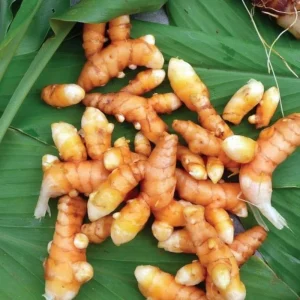
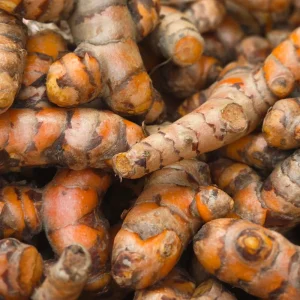
2 Live Turmeric Plants – Yellow Curcuma for Indoor/Outdoor Garden, 4-8 Inches Tall
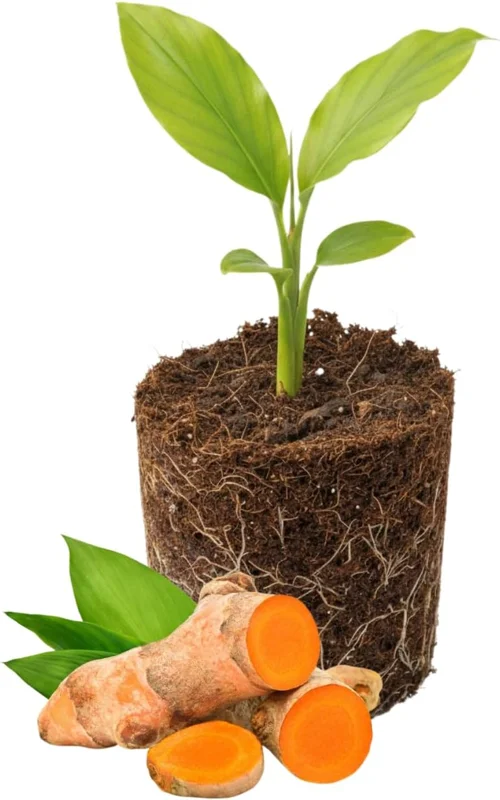
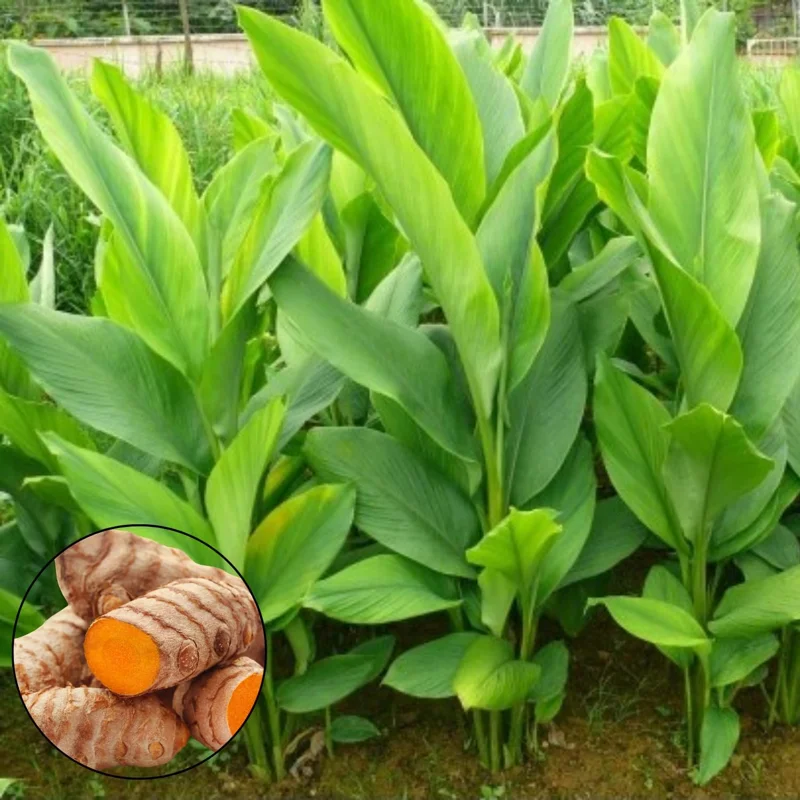
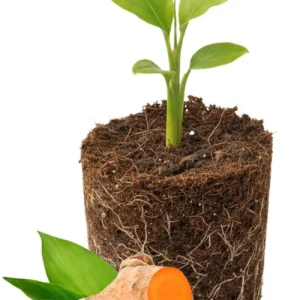
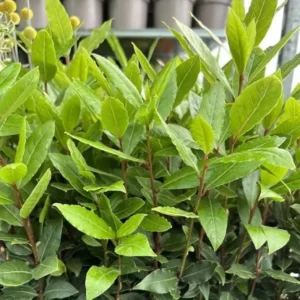
Cultivate your own spice with this set of 2 Turmeric live plants (Yellow Curcuma). These well-rooted plants, measuring 4-8 inches tall, are ideal for both indoor and outdoor gardening, bringing tropical flair and culinary potential to your space.
$29.99

With our Alive & Thrive Guarantee, we’ve got your back for the first 30 days! If you have any concerns about your plants, just reach out to us. Our team is here to help answer your questions and guide you in selecting the best plants for your garden, climate, and unique preferences. We're excited to help you create the garden of your dreams!
Estimated arrival
Feb 23
Feb 28 - Mar 02
Mar 05 - Mar 09
Product Details
-
USDA Hardiness Zone
9-11 -
Soil type
Well drained soil -
Sunlight Exposure
Full Sun to Partial Shade -
Expected Planting Period
Spring to early summer
Overview
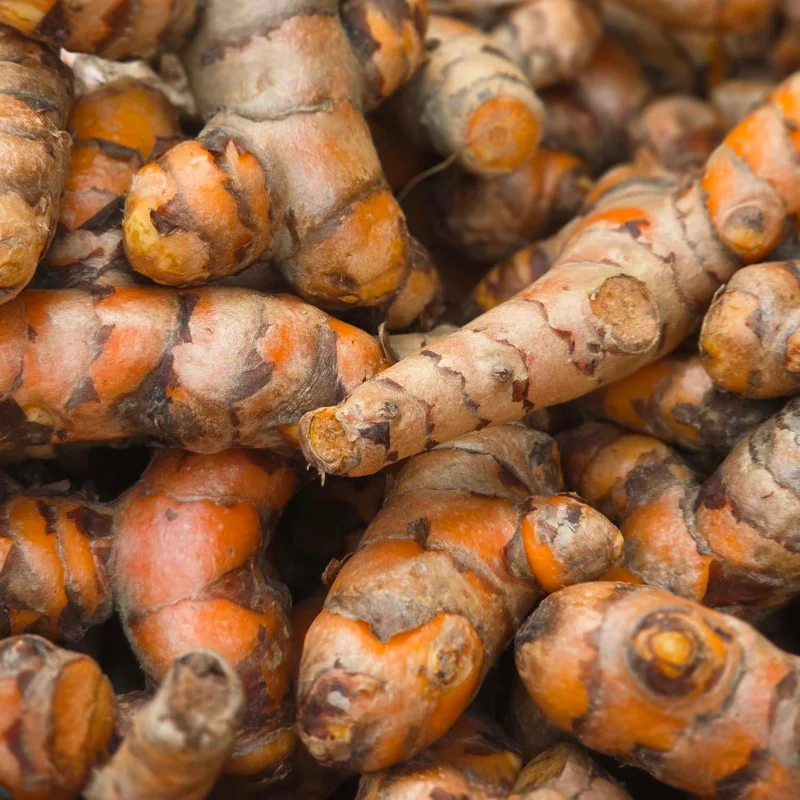
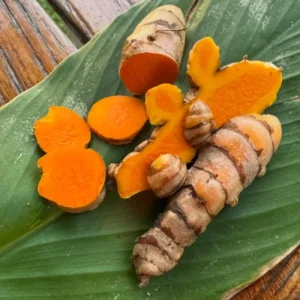
Bring the vibrant world of culinary spices and natural wellness into your home with this exceptional offering: a set of turmeric live plant specimens. You will receive two healthy, well-rooted Yellow Curcuma plants, each standing approximately 4-8 inches tall, ready to thrive in your garden or indoor space. Turmeric, scientifically known as Curcuma longa, is a perennial herbaceous plant native to Southeast Asia. Renowned for its distinctive earthy flavor and brilliant golden-yellow rhizomes, it’s a staple in many cuisines and traditional practices worldwide. These robust yellow curcuma plant specimens are perfect for anyone looking to cultivate their own source of fresh turmeric, whether you’re an experienced gardener or just beginning your journey into edible landscaping. Cultivating your own turmeric ensures a fresh supply of this versatile ingredient, enhancing both your cooking and your connection to nature.
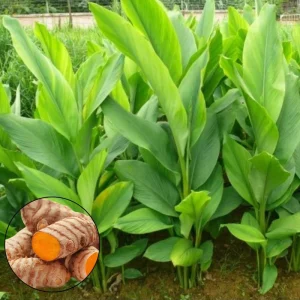
Our turmeric live plant offering provides a unique opportunity to grow a tropical beauty that is as ornamental as it is practical. The lush green foliage adds an exotic touch to any setting, while the promise of homegrown turmeric makes it a truly rewarding venture. These plants are carefully nurtured to ensure they arrive in excellent condition, prepared to adapt to their new environment. With proper care, these plants will mature, producing the valuable rhizomes used in countless dishes and remedies. Embrace the joy of growing your own food and discover the countless benefits of having fresh turmeric readily available.
Key Benefits
Growing your own turmeric live plant offers a multitude of advantages, from culinary delights to aesthetic appeal. These plants are not only a source of a beloved spice but also contribute positively to your living environment.
- Culinary Versatility: Fresh turmeric rhizomes harvested from your own plants offer a more potent and nuanced flavor compared to dried, ground varieties. Use them in curries, smoothies, teas, and various culinary creations for an authentic taste.
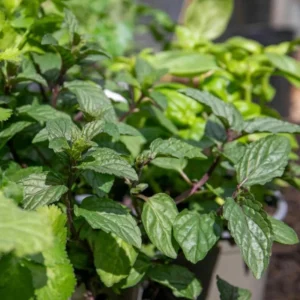
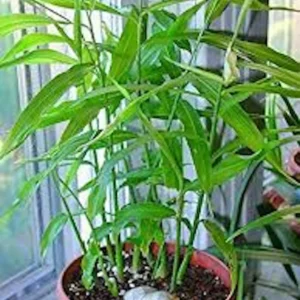
- Ornamental Appeal: The broad, lush green leaves of the yellow curcuma plant provide a beautiful, tropical aesthetic. They can enhance the visual appeal of patios, garden beds, or indoor spaces, adding a touch of exotic elegance.
- Health & Wellness: Turmeric is widely recognized for its potential health-promoting properties, largely attributed to curcumin. Having fresh turmeric at hand allows you to easily incorporate this beneficial spice into your daily routine.
- Easy to Grow: These turmeric live plant specimens are relatively straightforward to care for, making them suitable for gardeners of various skill levels. They thrive with consistent moisture and warmth, rewarding you with bountiful rhizomes.
- Indoor/Outdoor Adaptability: Whether you prefer to grow turmeric indoors as a houseplant or outdoors in a garden bed, these plants are versatile. They adapt well to container growing, allowing you to move them as seasons change or space requires.
- Sustainable Sourcing: Cultivating your own turmeric reduces reliance on store-bought products, promoting a more sustainable and self-sufficient lifestyle. You control the growing conditions, ensuring a natural and chemical-free harvest.
- Rhizome Production: With optimal conditions, these plants will produce their own rhizomes, which can be harvested for use or replanted to expand your turmeric garden.
Plant Care & Growing Tips
Caring for your turmeric live plant is a rewarding experience that requires attention to a few key environmental factors to ensure healthy growth and robust rhizome production. Turmeric thrives in warm, humid conditions, mimicking its native tropical habitat. For sunlight, aim for full sun exposure if grown outdoors in temperate climates, or filtered full sun to partial shade in hotter regions to protect the leaves from scorching. If you grow turmeric indoors, provide a location that receives bright, indirect light for at least 6 hours a day; a south or west-facing window is often ideal. Avoid direct, intense afternoon sun through glass, which can burn the foliage.
When it comes to watering, consistency is key. Turmeric plants prefer consistently moist soil, but never waterlogged. During active growth, especially in warmer months, water regularly, allowing the top inch of soil to dry out slightly between waterings. Reduce watering frequency in cooler months or during dormancy. Well-draining soil is crucial to prevent root rot. A rich, loamy soil with good aeration and moisture retention is ideal. You can amend your garden soil with compost or use a high-quality potting mix for containers. The optimal temperature range for turmeric is between 68-86°F (20-30°C). They are not frost-tolerant, so in USDA Hardiness Zones below 9, they should be grown in containers and brought indoors before the first frost, or treated as annuals.
Fertilize your turmeric live plant every 2-4 weeks during the growing season (spring through fall) with a balanced liquid fertilizer, or incorporate a slow-release granular fertilizer into the soil at the beginning of the season. Ensure the soil remains slightly acidic to neutral (pH 6.0-7.0) for best results. Common problems often relate to improper watering or insufficient warmth. Yellowing leaves can indicate overwatering or nutrient deficiency, while browning leaf tips might suggest low humidity or underwatering. Maintain good air circulation to prevent fungal issues, especially if growing indoors. Following these turmeric plant care guidelines will help ensure your plants flourish and provide you with a bountiful harvest.
Size & Details
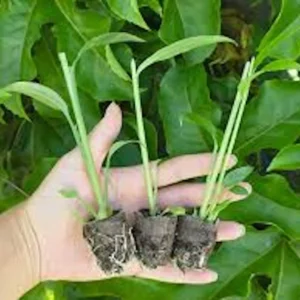
This offering includes two individual turmeric live plant specimens, each carefully cultivated to ensure a healthy start in your garden. Upon arrival, each plant will stand approximately 4-8 inches tall, measured from the base of the soil to the tip of the tallest leaf. These plants are well-rooted, shipped in nursery pots, and ready for immediate transplanting into their permanent home. Turmeric plants are known for their moderate growth rate, typically reaching a mature height of 3-5 feet with a similar spread when grown in optimal conditions outdoors. When you grow turmeric indoors in a container, their size may be slightly more compact, usually around 2-3 feet tall.
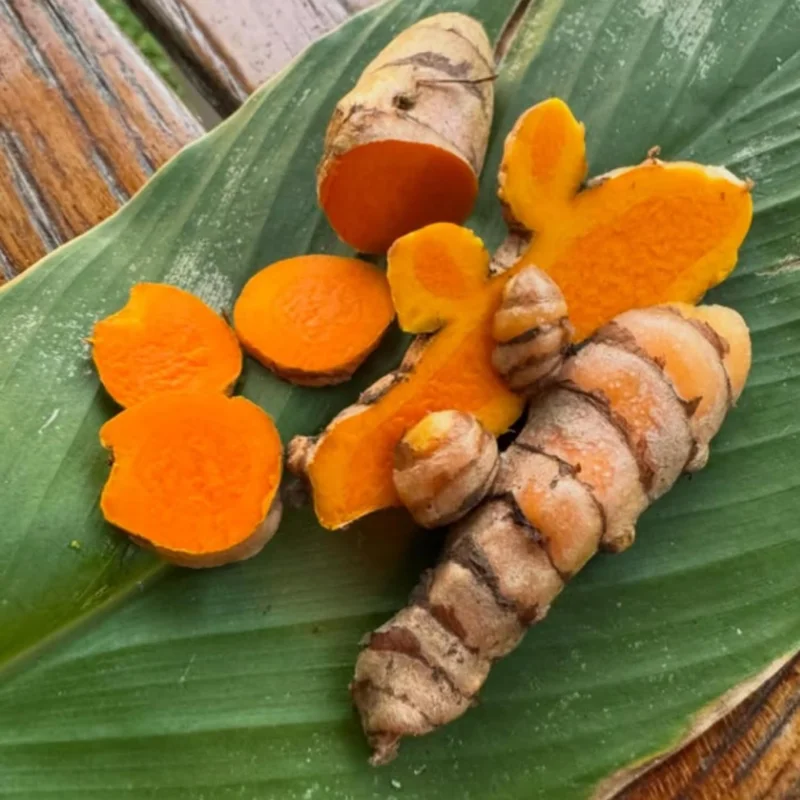
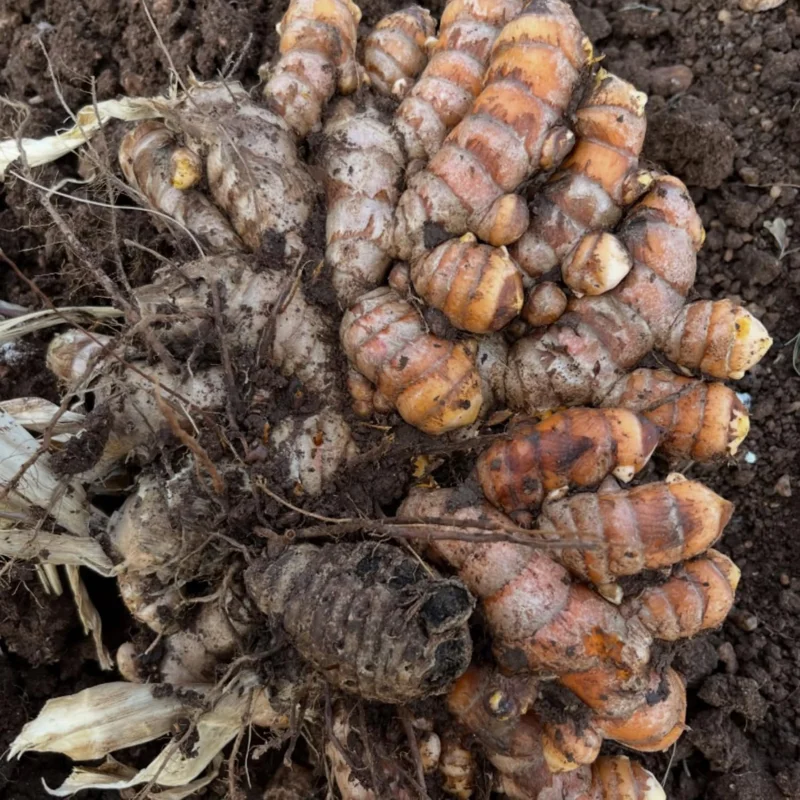
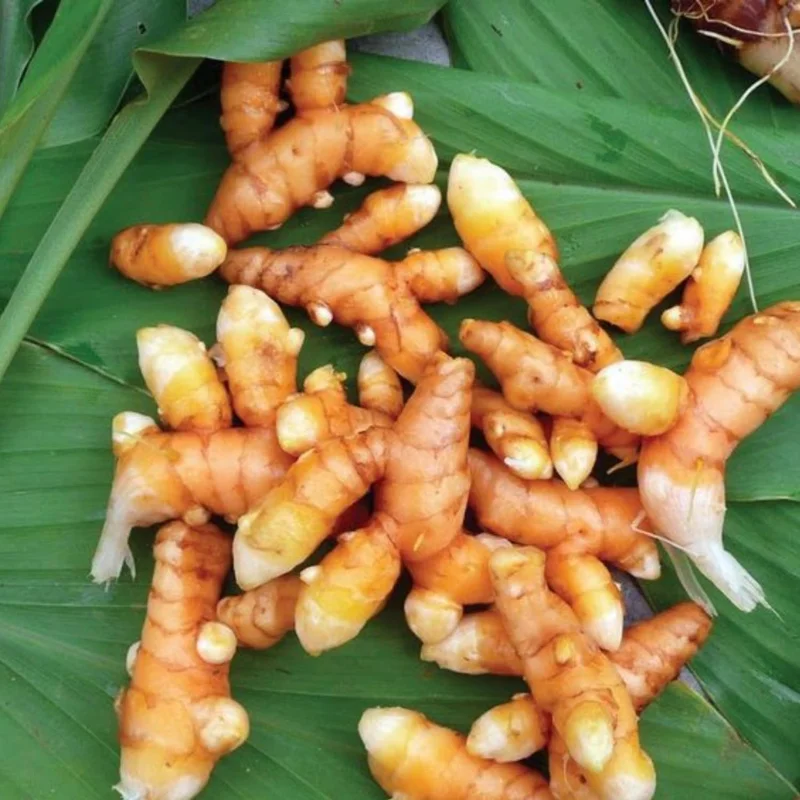
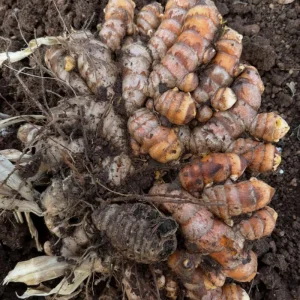
The rhizomes, which are the valuable part of the plant, develop underground over time. It typically takes 7-10 months from planting for the rhizomes to fully mature and be ready for harvest. These plants are suitable for USDA Hardiness Zones 9-11 for year-round outdoor growth. In cooler regions, they perform exceptionally well as seasonal container plants that can be brought indoors during colder months. Each plant is a live, rhizome-producing specimen, ensuring you’re planting a true source of fresh turmeric. The robust root system ensures a smooth transition to your garden or pot, setting the stage for a thriving and productive plant.
Frequently Asked Questions
- Q: How big does this turmeric live plant get? A: When mature, turmeric plants typically reach a height of 3-5 feet when grown outdoors in ideal conditions. Indoor container-grown plants may be slightly smaller, usually around 2-3 feet tall.
- Q: What size pot does it come in? A: The plants are typically shipped in standard nursery pots, suitable for safe transport and initial establishment. We recommend transplanting them into a larger pot (at least 10-12 inches in diameter) or directly into your garden upon arrival.
- Q: Is this an indoor or outdoor plant? A: This turmeric live plant is versatile and can be grown both indoors and outdoors. It thrives outdoors in USDA Zones 9-11. In cooler climates, it’s best grown in containers and brought indoors before frost.
- Q: How much sunlight does it need? A: Turmeric prefers full sun to partial shade outdoors, especially in hotter climates. If you grow turmeric indoors, provide bright, indirect light for at least 6 hours daily.
- Q: Is this plant easy to care for? A: Yes, turmeric plant care is relatively straightforward. They require consistent moisture, warmth, and well-draining soil. They are generally low-maintenance once established.
- Q: What condition will it arrive in? A: Your turmeric plants will arrive as healthy, well-rooted live specimens, approximately 4-8 inches tall, carefully packaged to ensure their safe journey. They will be shipped in soil within their nursery pots.
- Q: Can I use the turmeric from this plant in cooking? A: Absolutely! Once the rhizomes mature (typically 7-10 months after planting), you can harvest and use the fresh turmeric in all your culinary dishes, just like store-bought turmeric.
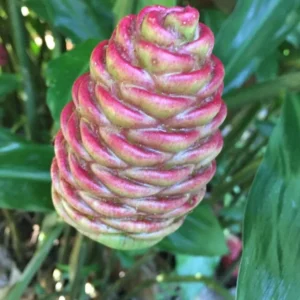
- Q: How long until it blooms? A: Turmeric plants can bloom, producing attractive cone-shaped flower spikes, usually in late summer to early autumn, especially when mature and grown in optimal conditions. However, they are primarily grown for their rhizomes.
- Q: When is the best time to plant? A: The best time to plant turmeric is in spring after all danger of frost has passed, when soil temperatures have warmed up. If growing indoors, you can plant any time of year, ensuring adequate warmth and light.
- Q: Will it survive winter in my zone? A: If you are in USDA Zones 9-11, your turmeric plant can survive winter outdoors. In colder zones, the plant will need to be brought indoors or the rhizomes harvested and stored over winter.
- Q: What’s the minimum temperature this plant can tolerate? A: Turmeric plants are sensitive to cold and cannot tolerate frost. They prefer temperatures above 60°F (15°C) and will go dormant or die back if exposed to temperatures below 50°F (10°C).
- Q: Is this indoor outdoor turmeric plant pet-safe? A: According to the ASPCA, turmeric (Curcuma longa) is generally considered non-toxic to cats and dogs. However, it’s always wise to monitor pets around new plants.
Related products
-50%
Original price was: $53.98.$26.99Current price is: $26.99.
-50%
Original price was: $79.96.$39.98Current price is: $39.98.
-50%
Original price was: $59.96.$29.98Current price is: $29.98.
-67%
From Original price was: $35.22.$11.74Current price is: $11.74.
-50%
Original price was: $15.96.$7.98Current price is: $7.98.
-30%
Original price was: $59.98.$41.98Current price is: $41.98.
-20%
From Original price was: $22.00.$17.60Current price is: $17.60.
-30%
Original price was: $59.98.$41.98Current price is: $41.98.
PLANTING & CARE

The Comprehensive Guide to Growing Bay Leaf Plants for a Flavorful Garden
Imagine stepping into your garden, greeted by the earthy aroma of fresh bay leaves, their
09
Feb
Feb

How to Make Comfrey Tea: The Ultimate Organic Plant Food
Growing an organic garden can be surprisingly expensive, especially when most store-bought fertilizers come in
02
Feb
Feb

True Comfrey: 7 Essential Tips Before You Plant This Herb
A staple in permaculture practices across the US, True Comfrey easily earns its reputation as
27
Jan
Jan

7 Heart-Shaped Plants for a Lasting Valentine’s Gift
If you’ve ever bought a bouquet of roses for Valentine’s Day, you know they are
26
Jan
Jan

Best Types of Ivy Plant for Houses: How to Choose the Perfect Ones for Your Home
Are you a garden lover looking to introduce some greenery into your home? Maybe you’ve
14
Nov
Nov

When to Harvest Garlic (Especially Fall-Planted Garlic)
TIMING IS EVERYTHING, they say – and for garlic, that truth hits with surprising accuracy.
13
Nov
Nov

11 of the Best Sweet Potato Varieties to Grow for Your Garden
If you’ve ever tried growing sweet potatoes, you know that picking the right variety can
12
Nov
Nov
Pruning Bougainvillea for Winter
Bougainvillea vines are known for their dazzling display of magenta, orange, and fuchsia bracts that
05
Nov
Nov