6 Blue Rosemary Live Plants 4-7” Tall – Fragrant Outdoor Herb
6 Blue Rosemary Live Plants 4-7” Tall – Fragrant Outdoor Herb
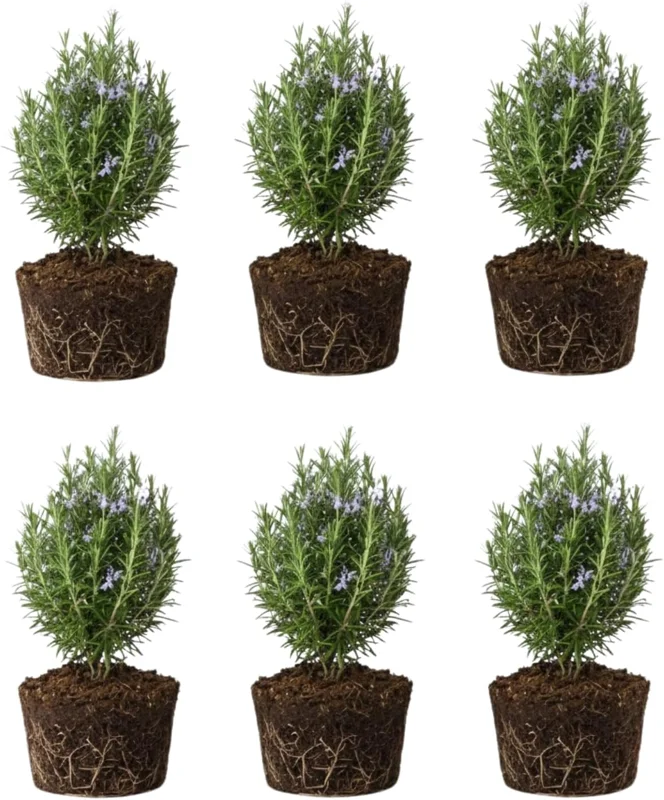
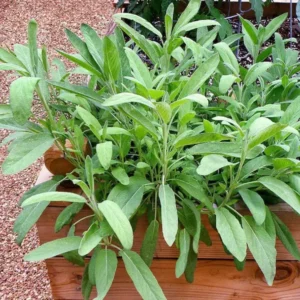
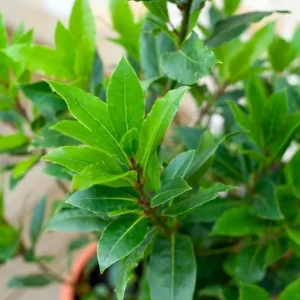
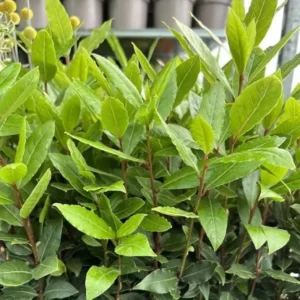
Cultivate your own aromatic garden with this pack of 6 blue rosemary live plant starters, each 4-7 inches tall. These well-rooted plants are perfect for outdoor growing, offering fragrant foliage and vibrant blooms.
- Ideal for culinary use & landscape accents
- Hardy in USDA Zones 8-10
- Grows to 18-24 inches mature height
$25.99

With our Alive & Thrive Guarantee, we’ve got your back for the first 30 days! If you have any concerns about your plants, just reach out to us. Our team is here to help answer your questions and guide you in selecting the best plants for your garden, climate, and unique preferences. We're excited to help you create the garden of your dreams!
Estimated arrival
Feb 23
Feb 28 - Mar 02
Mar 05 - Mar 09
Product Details
-
USDA Hardiness Zone
8-10 -
Soil type
Well-draining, sandy or loamy soil -
Sunlight Exposure
Full Sun -
Expected Planting Period
Spring to Early Summer
Overview
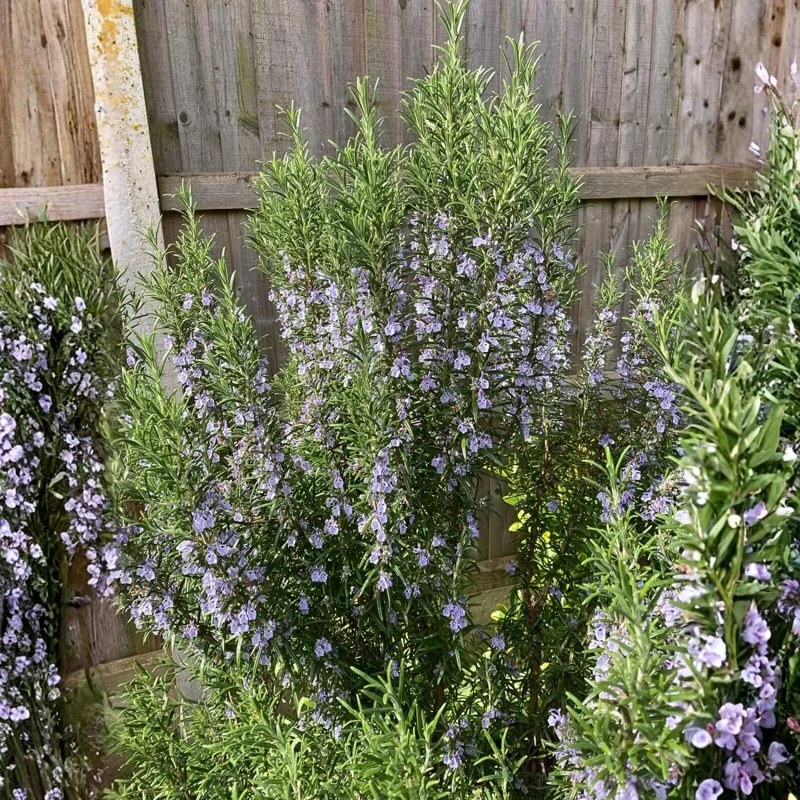
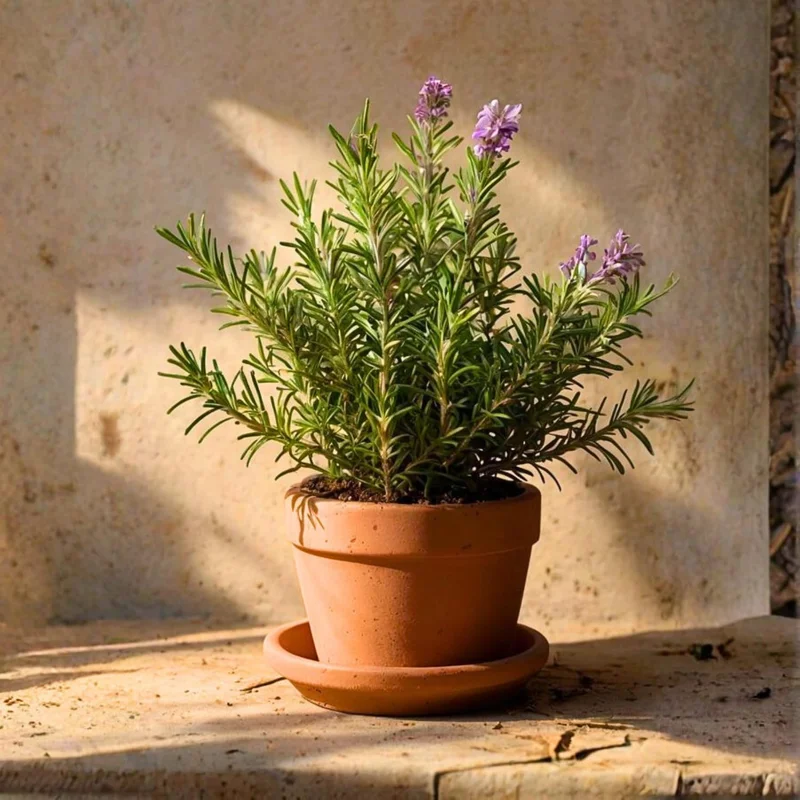
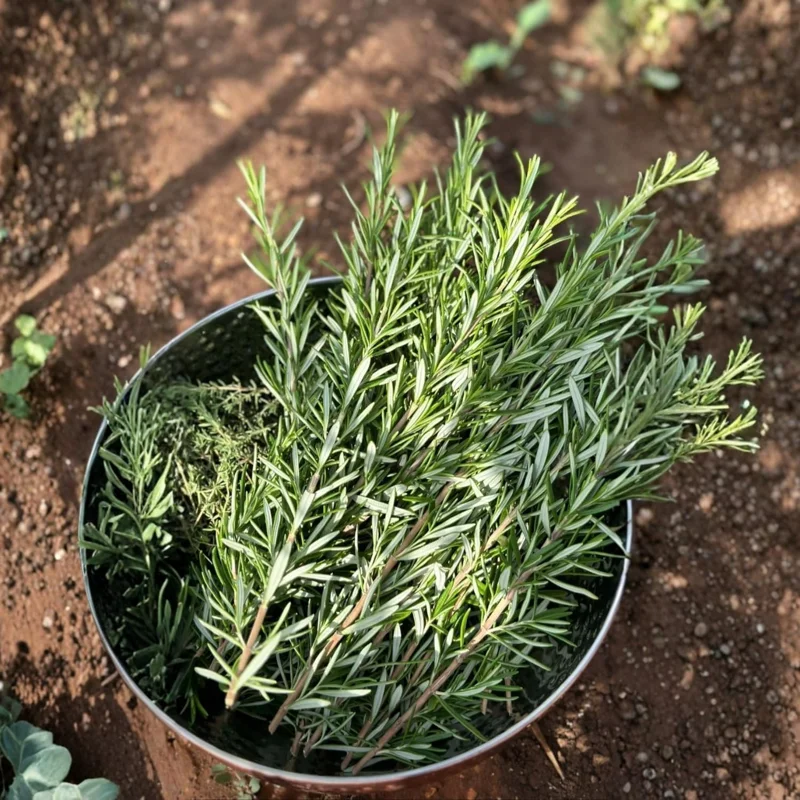
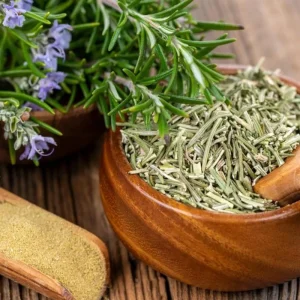
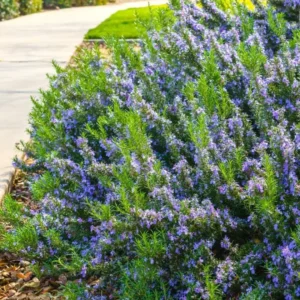
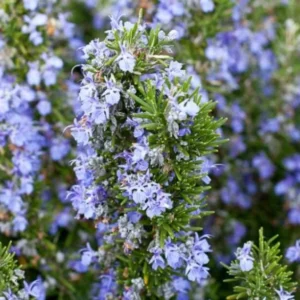
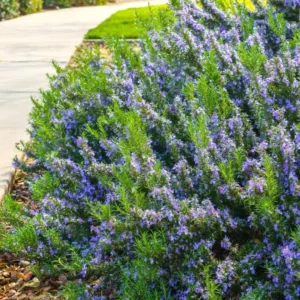
Immerse your senses in the delightful aroma and beauty of the blue rosemary live plant. This offering includes 6 robust, well-rooted starter plants, each standing 4-7 inches tall, ready to thrive in your outdoor garden. Known for its fragrant foliage and beautiful blue flowers, rosemary (Rosmarinus officinalis) is a beloved herb that adds both culinary delight and ornamental appeal to any space. These versatile plants are perfect for creating aromatic garden borders, enhancing raised beds, or flourishing in containers, providing a continuous supply of fresh herbs for your kitchen and a charming visual element to your landscape. With its compact size, this herb fits wonderfully into small garden spaces or dedicated herb gardens, making it an excellent choice for both novice and experienced gardeners seeking a high-yield, low-maintenance herb.
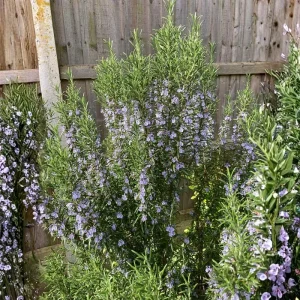
The blue rosemary live plant is celebrated not only for its distinctive scent and flavor but also for its hardiness and adaptability. Originating from the Mediterranean, rosemary thrives in sunny conditions and well-drained soil, replicating its natural habitat. This particular variety will mature to a height of 18-24 inches, forming a dense, evergreen shrub that retains its beauty year-round in suitable climates. Whether you’re looking to add a touch of elegance to your patio, create a fragrant pathway, or simply enjoy fresh rosemary sprigs for your dishes, these starter plants provide an excellent foundation for a flourishing herb garden. Its vibrant blue flowers also attract pollinators, contributing to a healthy garden ecosystem.
Key Benefits
Incorporating the blue rosemary live plant into your garden offers a multitude of advantages, blending aesthetic appeal with practical utility. These plants are easy to establish and maintain, providing enduring beauty and fragrance.
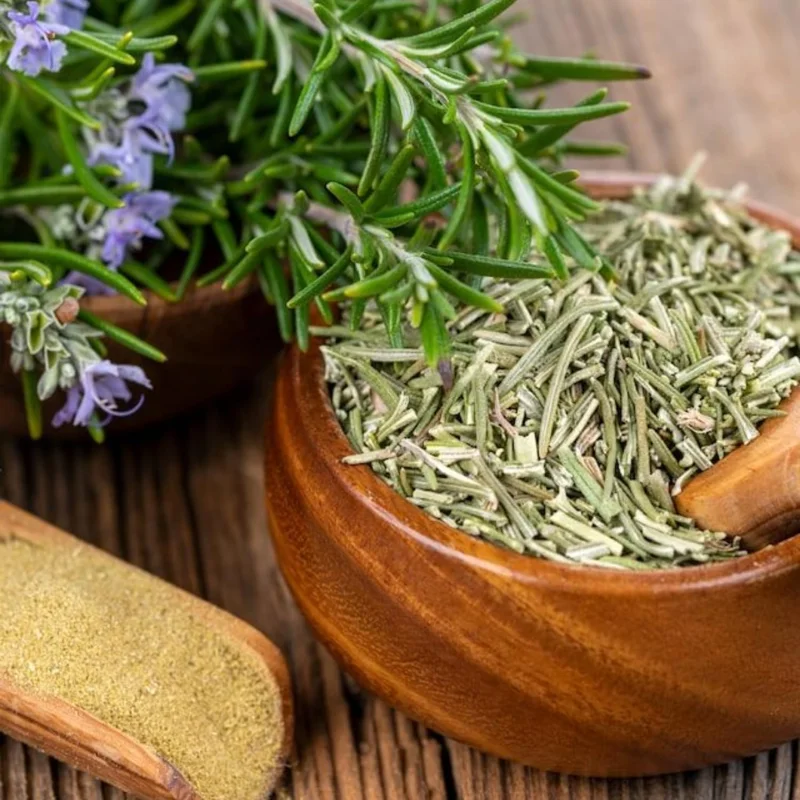
- Culinary Versatility: Fresh rosemary is a staple in many cuisines, perfect for seasoning meats, vegetables, and breads. Having it readily available from your garden elevates your cooking with its distinct, savory flavor. The aromatic leaves can be used fresh or dried.
- Aromatic & Therapeutic Qualities: The strong, pleasant scent of rosemary is known for its calming and invigorating properties, making it a wonderful addition near outdoor seating areas or windows. Many enjoy the fragrance of fragrant rosemary herb.
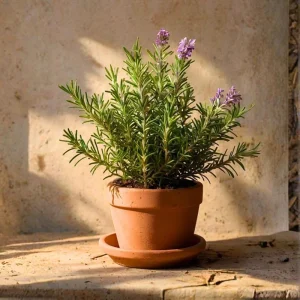
- Ornamental Appeal: With its slender, evergreen leaves and delicate blue flowers, rosemary makes an attractive addition to garden beds, rockeries, or containers. It provides year-round greenery and a beautiful floral display.
- Pollinator Attraction: The blooms of the blue rosemary live plant are a magnet for bees and other beneficial pollinators, helping to support local ecosystems and improve the yield of other fruiting plants in your garden.
- Drought Tolerance: Once established, rosemary is remarkably drought-tolerant, requiring less water than many other garden plants, which makes it an eco-friendly choice for sustainable gardening. This resilience makes it a great choice for various conditions.
- Deer Resistant: Its strong aroma often deters deer and other common garden pests, protecting your garden without the need for chemical repellents. This is a significant advantage for outdoor rosemary plants.
- Compact Growth Habit: Reaching a mature height of 18-24 inches, this rosemary variety is ideal for smaller spaces, urban gardens, or as an underplanting in larger landscapes, offering maximum impact with minimal footprint.
Plant Care & Growing Tips
Ensuring your blue rosemary live plant thrives requires understanding its basic needs for sunlight, water, and soil. These plants are relatively low-maintenance once established, making them a rewarding addition to any garden. Rosemary prefers a location with abundant sunlight; aim for at least 6-8 hours of direct sun exposure daily. In regions with intense summer heat, some afternoon shade can be beneficial, but generally, full sun is best for robust growth and optimal fragrance. When it comes to watering, rosemary is drought-tolerant and dislikes overly wet conditions. Allow the soil to dry out completely between waterings, especially for container-grown plants. Overwatering is a common cause of rosemary plant failure, so err on the side of underwatering rather than overwatering. Good drainage is crucial.
The ideal soil for growing rosemary outdoors is well-draining, sandy or loamy, with a slightly acidic to neutral pH (6.0-7.0). If your garden soil is heavy clay, amend it with sand or perlite to improve drainage. For container planting, use a high-quality potting mix designed for herbs or succulents. These plants are hardy in USDA Hardiness Zones 8-10, meaning they can typically withstand winter outdoors in these areas. In colder zones, rosemary can be grown as an annual or brought indoors during the winter months. Fertilization is generally not heavily required; a light application of a balanced, slow-release fertilizer in spring is usually sufficient. Pruning after flowering helps maintain a bushy shape and encourages new growth, which is excellent for harvesting. Watch out for common pests like aphids or spider mites, which can usually be managed with insecticidal soap.
Size & Details
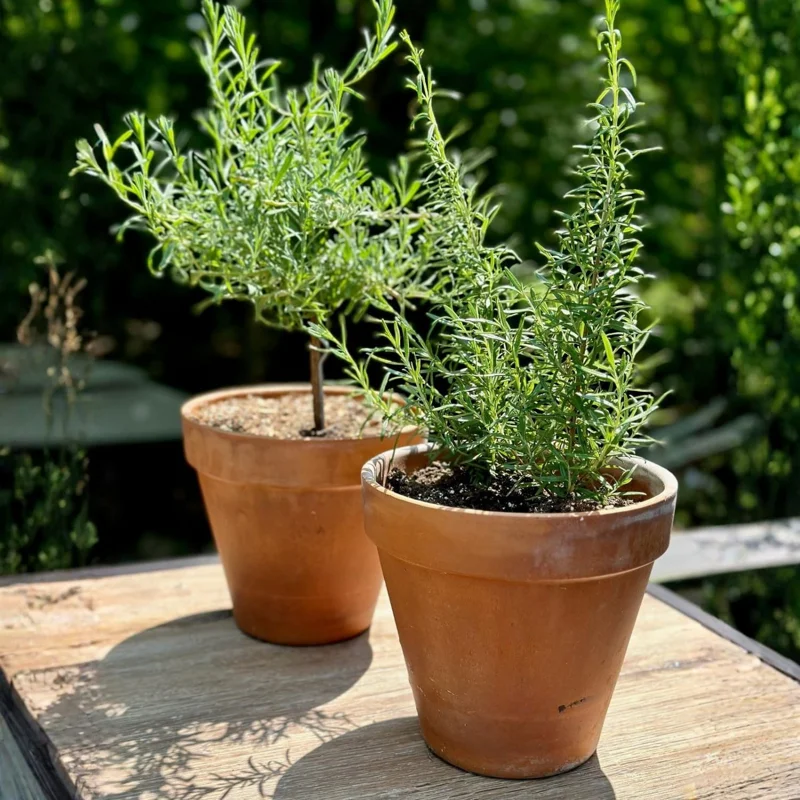
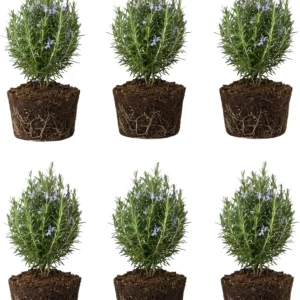
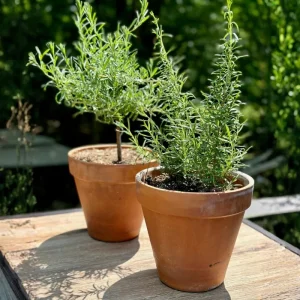
This offering includes 6 blue rosemary live plant starters, each carefully cultivated to be 4-7 inches tall upon arrival, ensuring they are well-rooted and ready for planting. These starter plants are designed to establish quickly in your garden, growing into mature, robust bushes. The mature height of these rosemary plants typically ranges from 18 to 24 inches, with a similar spread, creating a compact yet substantial presence in your garden. They have a moderate growth rate, allowing you to enjoy fresh harvests within the first year of planting. These plants are shipped in a manner that protects their delicate roots and foliage, ensuring they arrive healthy and vibrant, ready to be transplanted into their permanent home. Expect fragrant foliage and beautiful blue blooms, especially in late spring through early summer, depending on your climate. The plants are ideal for those interested in rosemary for cooking and ornamental purposes.
Frequently Asked Questions
- Q: How big will these blue rosemary live plants get? A: These starter plants, which are 4-7 inches tall upon arrival, will typically grow to a mature height of 18-24 inches with a similar spread. Their compact size makes them suitable for various garden settings.
- Q: Is this an indoor or outdoor plant? A: This rosemary variety is primarily an outdoor plant, thriving in full sun. It is hardy in USDA Zones 8-10 for outdoor cultivation year-round. In colder zones, it can be grown in containers and brought indoors during winter.
- Q: How much sunlight does outdoor rosemary plants need? A: Rosemary requires at least 6-8 hours of direct sunlight per day to flourish. Planting in a sunny location is crucial for healthy growth and abundant fragrance.
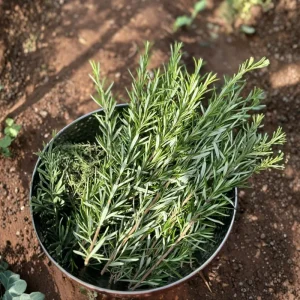
- Q: What condition will the plants arrive in? A: Your fragrant rosemary herb plants will arrive as well-rooted starter plants, carefully packaged to ensure they are healthy and ready for transplanting into your garden or containers.
- Q: Is this rosemary good for cooking? A: Absolutely! This rosemary variety is excellent for culinary use. Its aromatic leaves are perfect for seasoning meats, vegetables, and a wide range of dishes, making it ideal for those who enjoy rosemary for cooking.
- Q: When is the best time to plant these rosemary starters? A: The best time to plant these rosemary starters is in spring to early summer, after the last frost, to allow them ample time to establish before colder weather. They can also be planted in early fall in warmer climates.
- Q: What USDA Hardiness Zones are these plants suitable for? A: These rosemary plants are hardy in USDA Zones 8-10, meaning they can typically overwinter outdoors in these regions. Gardeners in colder zones will need to protect them or grow them as annuals.
- Q: What kind of soil does rosemary prefer? A: Rosemary thrives in well-draining soil that is sandy or loamy. It’s crucial to avoid heavy, waterlogged soils to prevent root rot. Amending with sand or perlite can improve drainage.
- Q: How often should I water my rosemary plants? A: Water sparingly. Allow the soil to dry out completely between waterings. Rosemary is drought-tolerant and more susceptible to issues from overwatering than underwatering.
- Q: Can I grow these in containers? A: Yes, these rosemary plants are excellent for container gardening, especially if you live in a colder zone and need to bring them indoors during winter. Ensure the container has good drainage.
Related products
-20%
From Original price was: $22.00.$17.60Current price is: $17.60.
-67%
Original price was: $39.72.$13.24Current price is: $13.24.
-10%
Original price was: $65.00.$58.50Current price is: $58.50.
-30%
Original price was: $67.98.$47.58Current price is: $47.58.
-67%
Original price was: $39.72.$13.24Current price is: $13.24.
-50%
Original price was: $107.96.$53.98Current price is: $53.98.
-50%
Original price was: $27.96.$13.98Current price is: $13.98.
-50%
Original price was: $53.98.$26.99Current price is: $26.99.
PLANTING & CARE

The Comprehensive Guide to Growing Bay Leaf Plants for a Flavorful Garden
Imagine stepping into your garden, greeted by the earthy aroma of fresh bay leaves, their
09
Feb
Feb

How to Make Comfrey Tea: The Ultimate Organic Plant Food
Growing an organic garden can be surprisingly expensive, especially when most store-bought fertilizers come in
02
Feb
Feb

True Comfrey: 7 Essential Tips Before You Plant This Herb
A staple in permaculture practices across the US, True Comfrey easily earns its reputation as
27
Jan
Jan

7 Heart-Shaped Plants for a Lasting Valentine’s Gift
If you’ve ever bought a bouquet of roses for Valentine’s Day, you know they are
26
Jan
Jan

Best Types of Ivy Plant for Houses: How to Choose the Perfect Ones for Your Home
Are you a garden lover looking to introduce some greenery into your home? Maybe you’ve
14
Nov
Nov

When to Harvest Garlic (Especially Fall-Planted Garlic)
TIMING IS EVERYTHING, they say – and for garlic, that truth hits with surprising accuracy.
13
Nov
Nov

11 of the Best Sweet Potato Varieties to Grow for Your Garden
If you’ve ever tried growing sweet potatoes, you know that picking the right variety can
12
Nov
Nov
Pruning Bougainvillea for Winter
Bougainvillea vines are known for their dazzling display of magenta, orange, and fuchsia bracts that
05
Nov
Nov