Jaboticaba Tree Live Plant – 1 ft Tall Starter – Fruit & Ornamental – Outdoor
-50%
Jaboticaba Tree Live Plant – 1 ft Tall Starter – Fruit & Ornamental – Outdoor
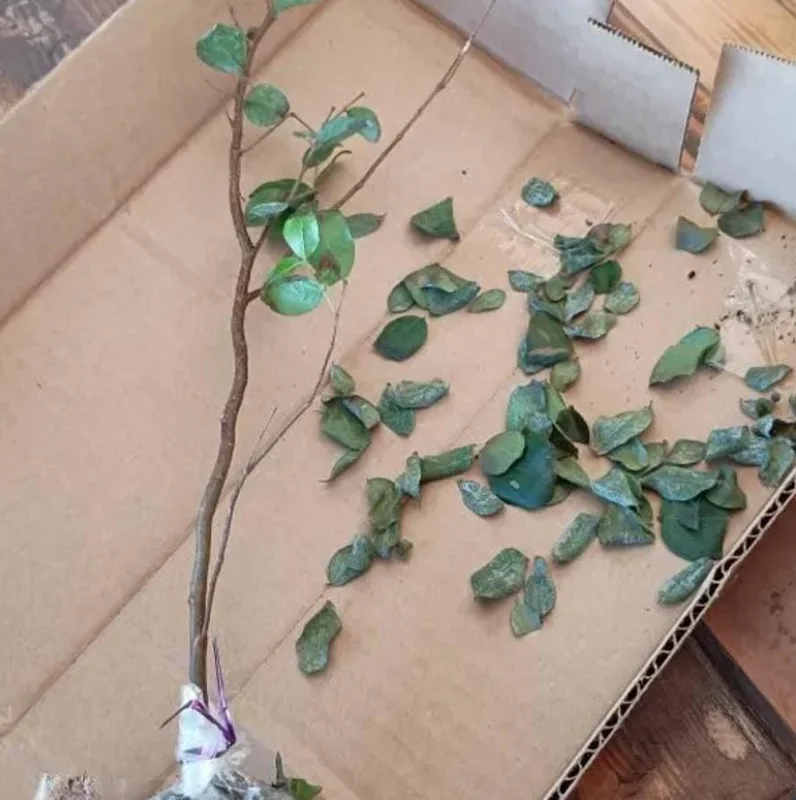
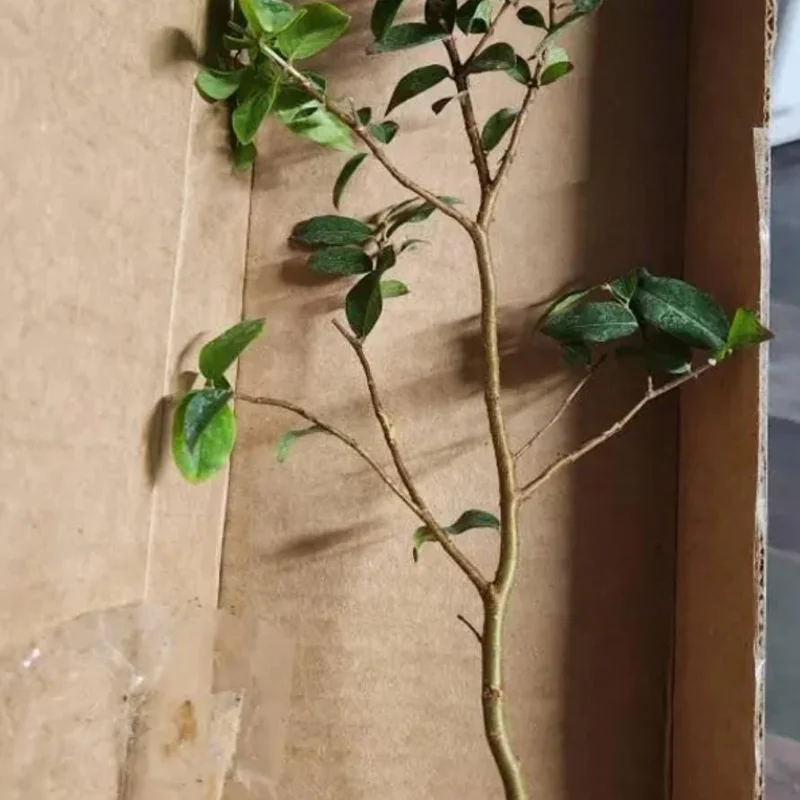
Bring home a unique Jaboticaba tree live plant, standing approximately 1 ft tall. This starter tree offers both exotic, trunk-borne fruit and striking ornamental appeal for your garden, patio, or container. Perfect for tropical climates and fruit enthusiasts.
Original price was: $72.78.$36.39Current price is: $36.39.

With our Alive & Thrive Guarantee, we’ve got your back for the first 30 days! If you have any concerns about your plants, just reach out to us. Our team is here to help answer your questions and guide you in selecting the best plants for your garden, climate, and unique preferences. We're excited to help you create the garden of your dreams!
Estimated arrival
Mar 17
Mar 22 - Mar 24
Mar 27 - Mar 31
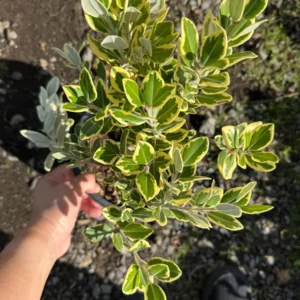
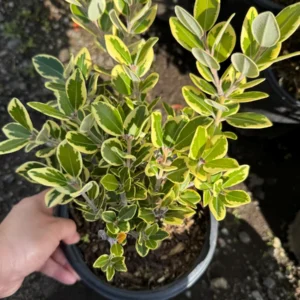
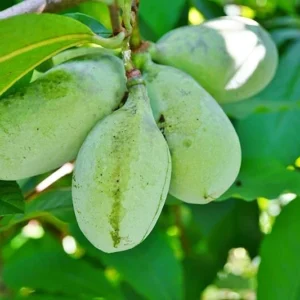
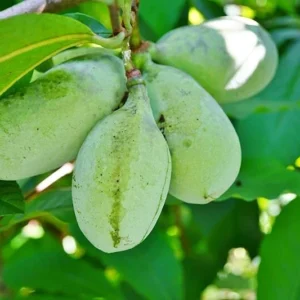


Product Details
-
USDA Hardiness Zone
USDA zones 9–11 -
Soil type
Rich, loamy, well-draining soil -
Sunlight Exposure
Full sun to partial shade -
Expected Planting Period
Year-round in warm climates; spring to summer in cooler zones
Overview
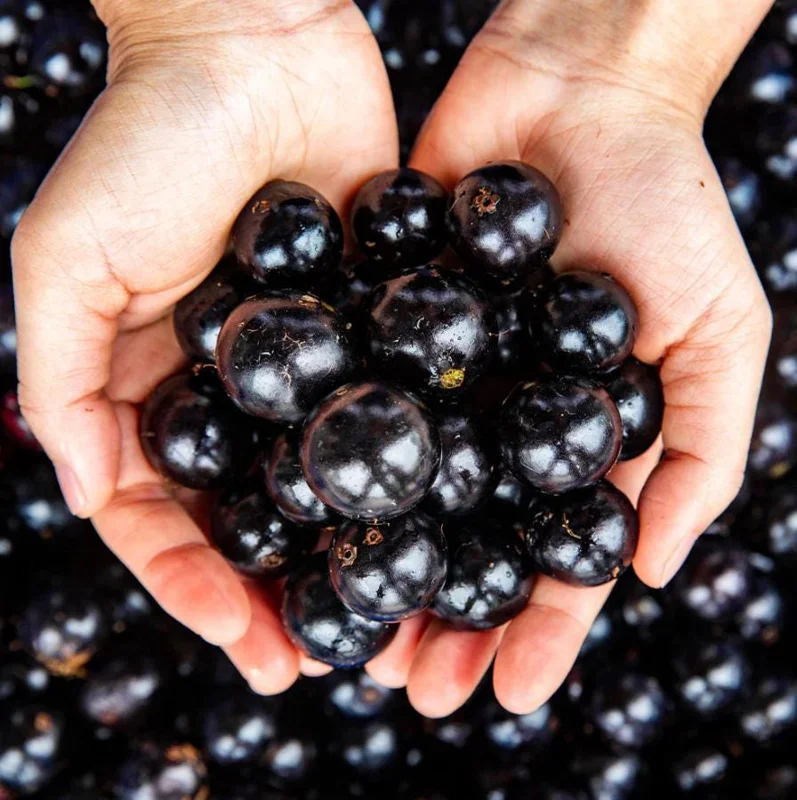
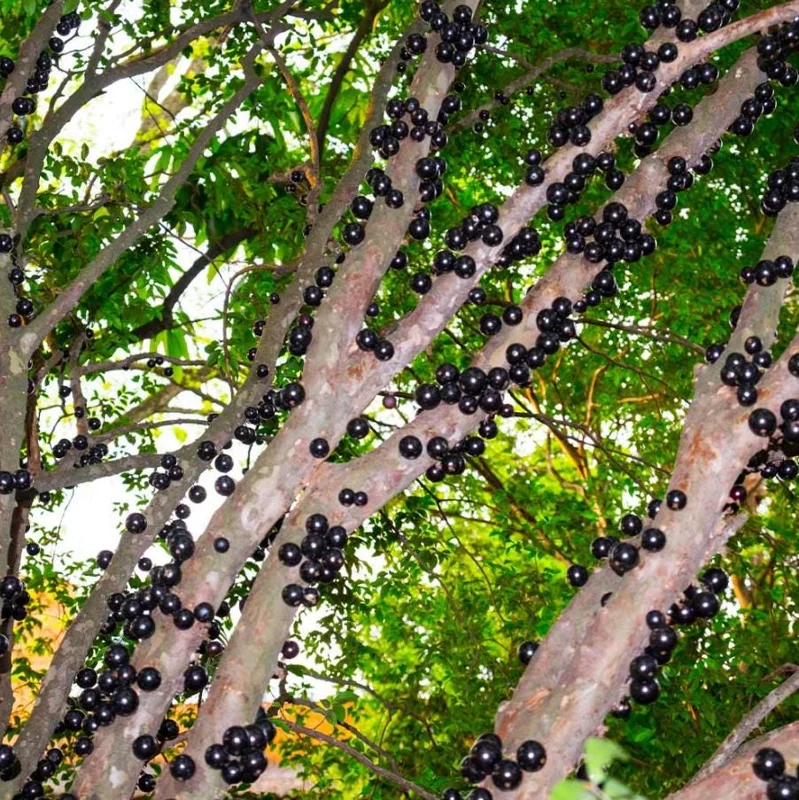
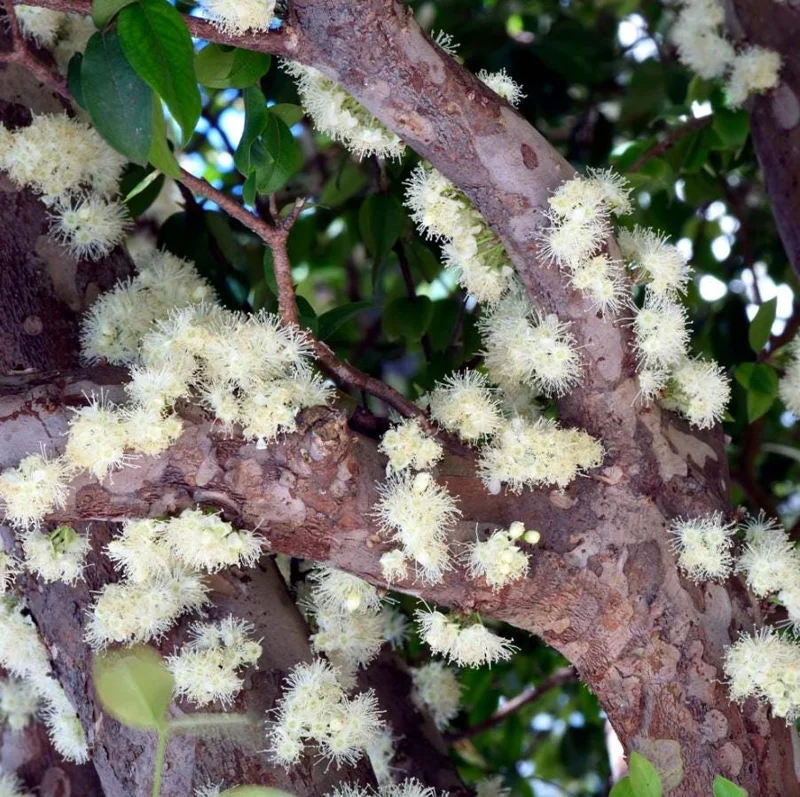
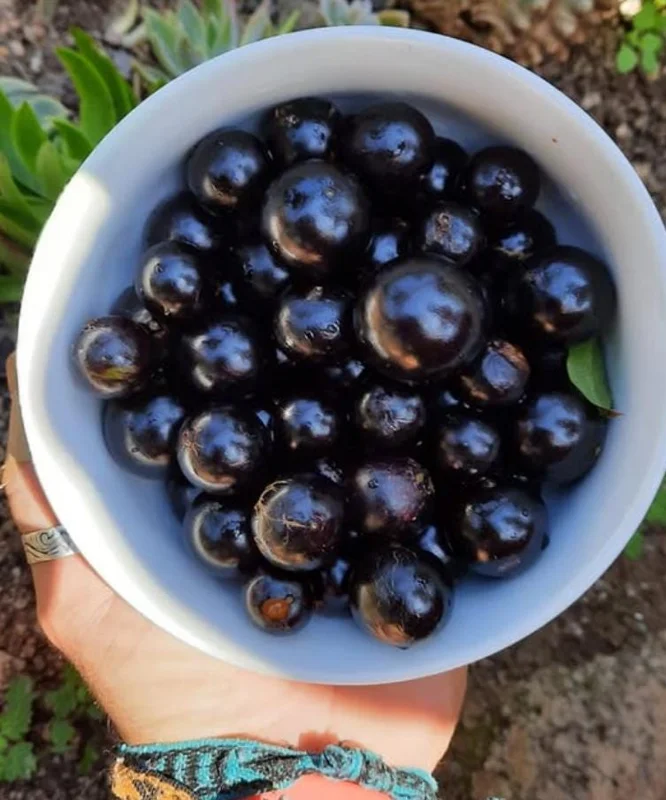
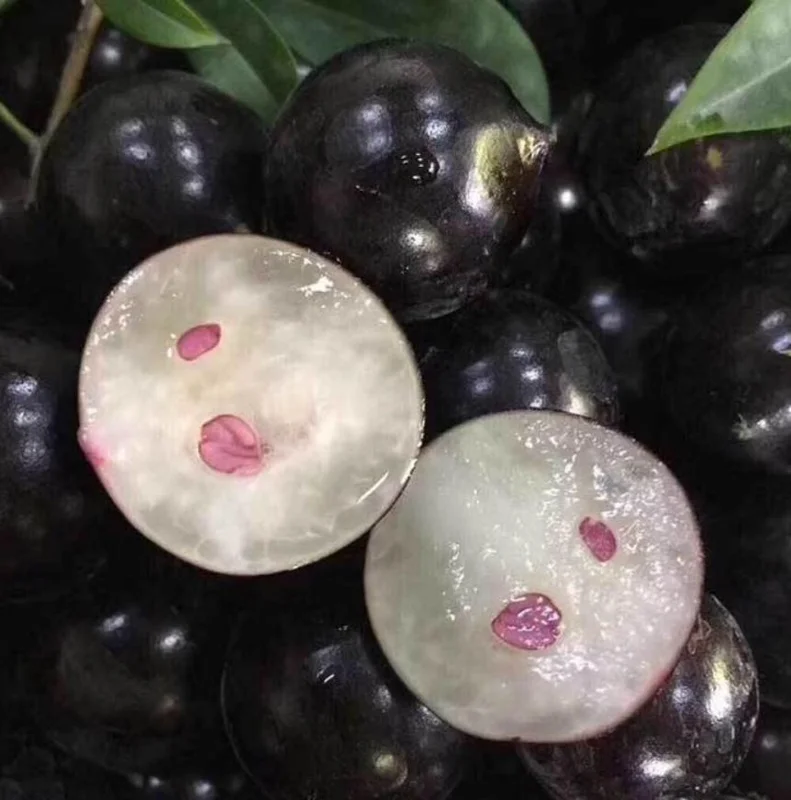
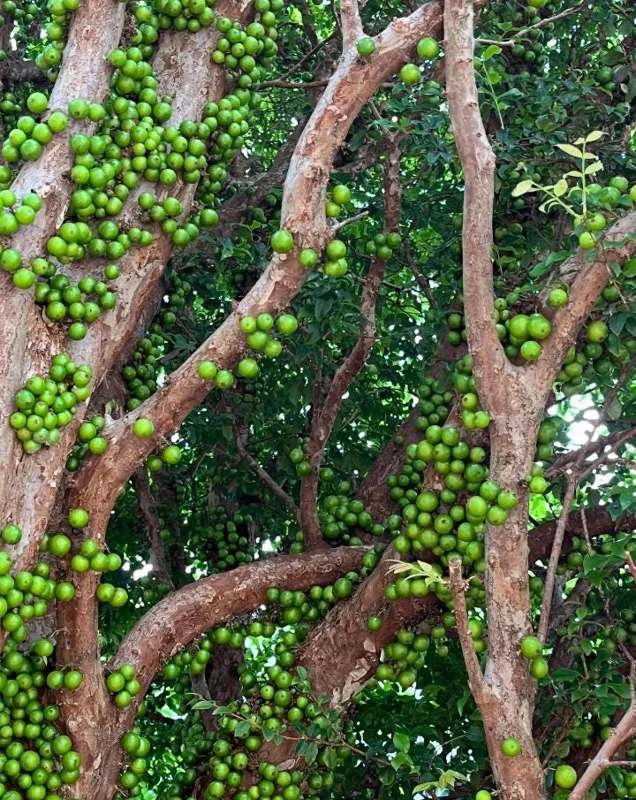
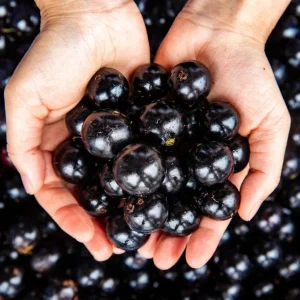
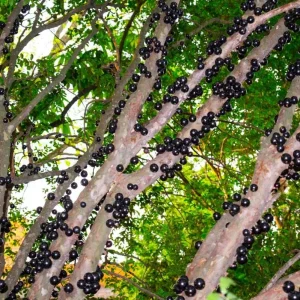
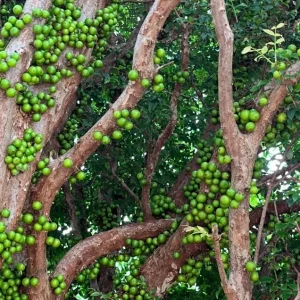
Introduce a touch of the exotic to your landscape with our Jaboticaba tree live plant. This unique and captivating fruit tree, scientifically known as Plinia cauliflora, is celebrated for its unusual fruiting habit. Unlike most fruit trees, the Jaboticaba tree produces its small, dark purple, grape-like berries directly on its trunk and branches, creating a truly spectacular ornamental display. Originating from South America, this slow-growing, compact tree is an excellent choice for a variety of settings, from lush gardens to cozy patios or even container planting. Its distinctive appearance and delicious fruit make it a conversation starter, perfect for those looking to cultivate something truly special in their outdoor space.
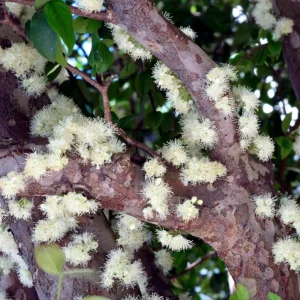
Our Jaboticaba tree live plant arrives as a healthy starter, approximately 1 ft tall, ready to be nurtured into a thriving specimen. While young, these plants hold immense potential for growth and future fruiting. The glossy green leaves and attractive peeling bark add to its year-round appeal, ensuring your garden remains vibrant even when the tree isn’t laden with fruit. Cultivating a Plinia cauliflora plant is a rewarding experience, offering both aesthetic pleasure and the delight of harvesting your own unique, sweet berries right from the trunk.
Key Benefits
The Jaboticaba tree live plant offers a multitude of benefits for any gardener or fruit enthusiast. Its unique characteristics make it a standout addition to any collection:
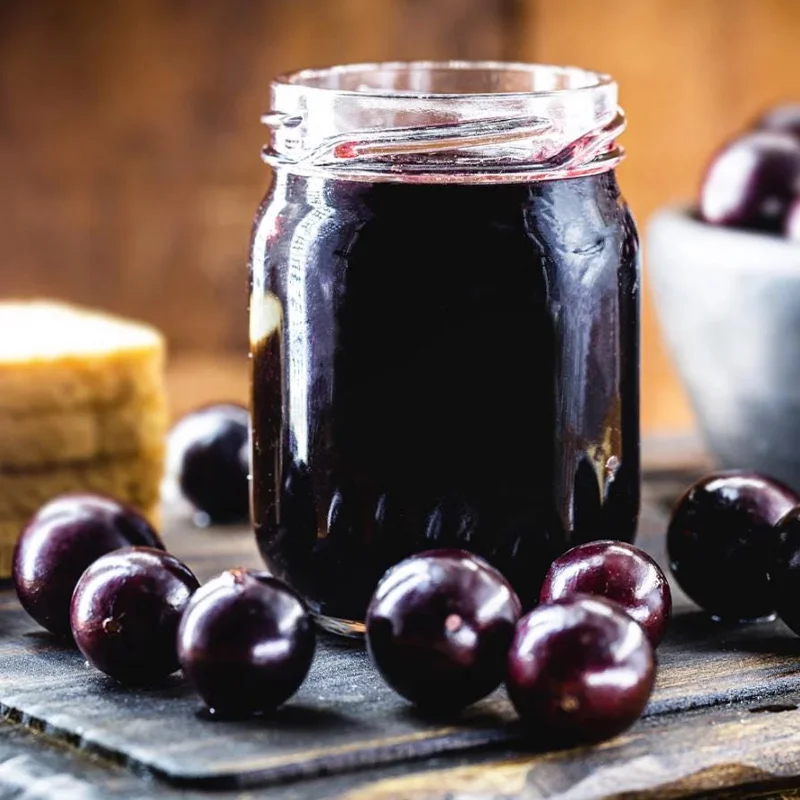
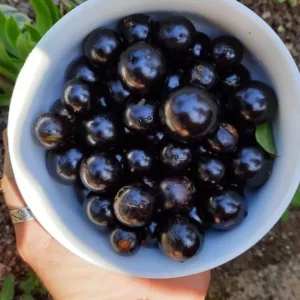
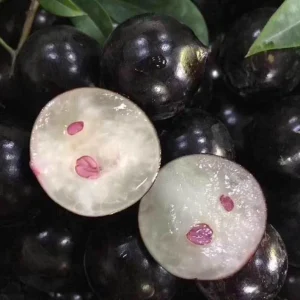
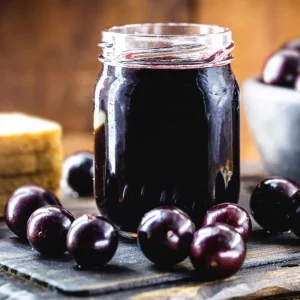
- Exotic Fruit Production: Enjoy deliciously sweet, grape-like berries directly from the trunk and branches of your Jaboticaba fruit tree. These unique fruits are perfect for fresh eating, making jams, jellies, or even homemade wine.
- Stunning Ornamental Display: The sight of dark purple berries clinging to the trunk and branches provides an unparalleled visual spectacle, making it a focal point in any garden or patio setting.
- Compact and Versatile Growth: With its slow-growing and compact habit, the Jaboticaba tree live plant is ideal for various spaces, including small gardens, patios, balconies, or even grown in containers.
- Lush Green Foliage: The tree boasts attractive glossy green leaves year-round, adding tropical beauty and a vibrant touch to your landscape even when not fruiting.
- Unique Bark Texture: The peeling bark adds another layer of visual interest, contributing to the overall ornamental value of this tropical garden tree.
- Edible and Decorative: Beyond its unique fruit, the tree itself is a beautiful specimen, offering both culinary delights and significant aesthetic appeal.
- Adaptable to Various Settings: While thriving in specific zones, its ability to adapt to container life means more gardeners can experience the joy of growing this remarkable plant.
Plant Care & Growing Tips
Caring for your Jaboticaba tree live plant requires attention to its specific needs to ensure healthy growth and abundant fruiting. These are young starter plants and will need consistent care to establish themselves. The Plinia cauliflora plant thrives in environments that mimic its native South American habitat.
Light: Provide your Jaboticaba tree live plant with full sun to partial shade. While it can tolerate some shade, more sunlight generally leads to better fruit production. If growing indoors or on a patio, ensure it receives at least 6 hours of direct sunlight or bright, indirect light daily. Watering: This tree prefers consistently moist but well-drained soil. Avoid letting the soil dry out completely between waterings, especially for young starter plants. Moderate watering is required; check the soil moisture regularly, and water when the top inch of soil feels dry to the touch. Ensure proper drainage to prevent root rot. Soil: The ideal soil for a Jaboticaba fruit tree is rich, loamy, and well-drained. A slightly acidic to neutral pH is preferred. Amend heavy clay soils with organic matter to improve drainage and aeration. For container planting, use a high-quality potting mix formulated for fruit trees or tropical plants.
Temperature & Hardiness: The Jaboticaba tree live plant thrives in USDA hardiness zones 9–11. It is sensitive to frost, so protection is crucial in colder climates. If you live outside these zones, consider growing it in a container that can be moved indoors during winter. Fertilization: Feed your young tropical garden tree with a balanced, slow-release fertilizer designed for fruit trees during its growing season, typically spring and summer. Follow product instructions for dosage. Pruning: Light pruning can be done to shape the tree and remove any dead or crossing branches. Avoid heavy pruning, especially when the tree is young. Pest & Disease: Jaboticaba trees are generally resilient. Monitor for common pests like aphids or scale and treat with appropriate organic or chemical controls if necessary. Proper air circulation and watering practices can help prevent fungal diseases.
Size & Details
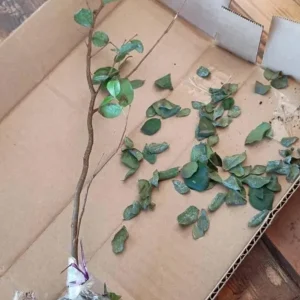
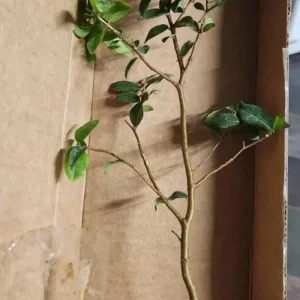
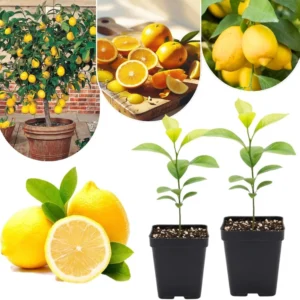
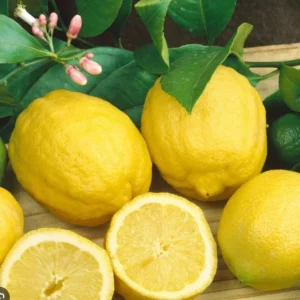
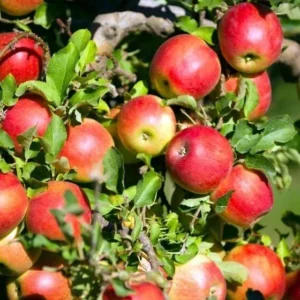
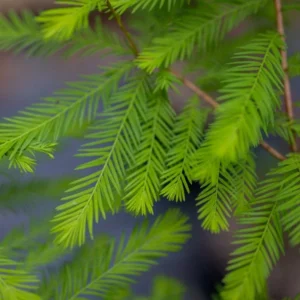
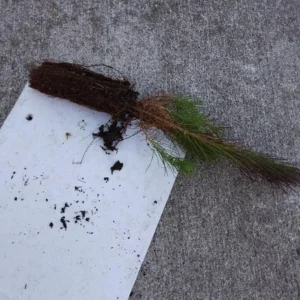
This offering is for one healthy Jaboticaba tree live plant, which arrives as a starter tree approximately 1 foot (12 inches) tall. These are young specimens, perfect for nurturing from an early stage. They are shipped bare-root in eco-friendly packaging to ensure safe and fresh arrival, meaning they will not come in a pot but with their roots carefully protected. Upon arrival, it is crucial to plant them as soon as possible. The Jaboticaba tree is known for its slow growth rate, ensuring it remains a manageable size for many years, making it suitable for both in-ground planting and container cultivation. While it will take time to mature and begin fruiting, with proper care, you can expect your Plinia cauliflora plant to eventually reach a mature height of 10-20 feet in ideal conditions, though it can be kept smaller with pruning in containers. Photos may depict mature trees to illustrate their full fruiting potential, but please note you are receiving a young starter plant.
Frequently Asked Questions
- Q: How big does this Jaboticaba tree live plant get? A: As a starter plant, it arrives about 1 foot tall. In ideal conditions, a mature Jaboticaba tree can reach 10-20 feet tall, but its compact, slow-growing nature makes it manageable for smaller spaces and containers, where its size can be controlled with pruning.
- Q: What condition will the Jaboticaba tree live plant arrive in? A: Your Jaboticaba tree live plant will arrive as a healthy, bare-root starter plant, approximately 1 foot tall, carefully packaged to ensure its safety during transit. It will not be in a pot, so plan to plant it soon after arrival.
- Q: How much sunlight does a Jaboticaba fruit tree need? A: A Jaboticaba fruit tree thrives in full sun to partial shade. For optimal growth and fruit production, aim for at least 6 hours of direct sunlight per day, especially if growing it as an ornamental fruit tree.
- Q: Is this plant easy to care for? Is it good for beginners? A: While not extremely difficult, the Jaboticaba tree live plant requires consistent watering and protection from frost, making it slightly more involved than some beginner plants. However, with attention to its specific needs, even a novice gardener can successfully grow this rewarding tropical garden tree.
- Q: Can I grow the Plinia cauliflora plant in a container? A: Yes, the Plinia cauliflora plant is very well-suited for container gardening due to its slow growth rate and compact habit. This allows you to easily move it indoors during colder months if you live outside its hardiness zones.
- Q: How long until my Jaboticaba tree starts producing fruit? A: As a starter plant, it will take several years for your Jaboticaba tree live plant to mature and begin fruiting. Patience and consistent care will be rewarded with delicious berries once the tree reaches maturity.
- Q: What USDA zones are suitable for growing a Jaboticaba fruit tree? A: The Jaboticaba fruit tree thrives in USDA hardiness zones 9–11. If you are in a colder zone, it is recommended to grow it in a container so it can be brought indoors to protect it from frost.
- Q: Is the fruit from the Jaboticaba tree edible? A: Yes, the fruit of the Jaboticaba tree is completely edible and highly prized for its sweet, juicy flavor. It can be eaten fresh, or used to make jams, jellies, and wines.
- Q: What kind of soil does a Jaboticaba tree live plant prefer? A: This ornamental fruit tree prefers rich, loamy, and well-drained soil. It’s important to ensure good drainage to prevent waterlogging, which can be detrimental to the plant’s health.
- Q: Will this tropical garden tree survive winter in my area? A: If you live in USDA zones 9-11, your tropical garden tree should survive winter outdoors. In colder zones, it is essential to provide winter protection or grow it in a container that can be moved to a sheltered, frost-free location.
Related products
-10%
Original price was: $23.99.$21.59Current price is: $21.59.

PLANTING & CARE

The Comprehensive Guide to Growing Bay Leaf Plants for a Flavorful Garden
Imagine stepping into your garden, greeted by the earthy aroma of fresh bay leaves, their
09
Feb
Feb

How to Make Comfrey Tea: The Ultimate Organic Plant Food
Growing an organic garden can be surprisingly expensive, especially when most store-bought fertilizers come in
02
Feb
Feb

True Comfrey: 7 Essential Tips Before You Plant This Herb
A staple in permaculture practices across the US, True Comfrey easily earns its reputation as
27
Jan
Jan

7 Heart-Shaped Plants for a Lasting Valentine’s Gift
If you’ve ever bought a bouquet of roses for Valentine’s Day, you know they are
26
Jan
Jan

Best Types of Ivy Plant for Houses: How to Choose the Perfect Ones for Your Home
Are you a garden lover looking to introduce some greenery into your home? Maybe you’ve
14
Nov
Nov

When to Harvest Garlic (Especially Fall-Planted Garlic)
TIMING IS EVERYTHING, they say – and for garlic, that truth hits with surprising accuracy.
13
Nov
Nov

11 of the Best Sweet Potato Varieties to Grow for Your Garden
If you’ve ever tried growing sweet potatoes, you know that picking the right variety can
12
Nov
Nov
Pruning Bougainvillea for Winter
Bougainvillea vines are known for their dazzling display of magenta, orange, and fuchsia bracts that
05
Nov
Nov