Set of 2 Barbados Cherry Live Plants (Malpighia emarginata) – 4-6″ Tall – Edible Fruit
-50%


Set of 2 Barbados Cherry Live Plants (Malpighia emarginata) – 4-6″ Tall – Edible Fruit
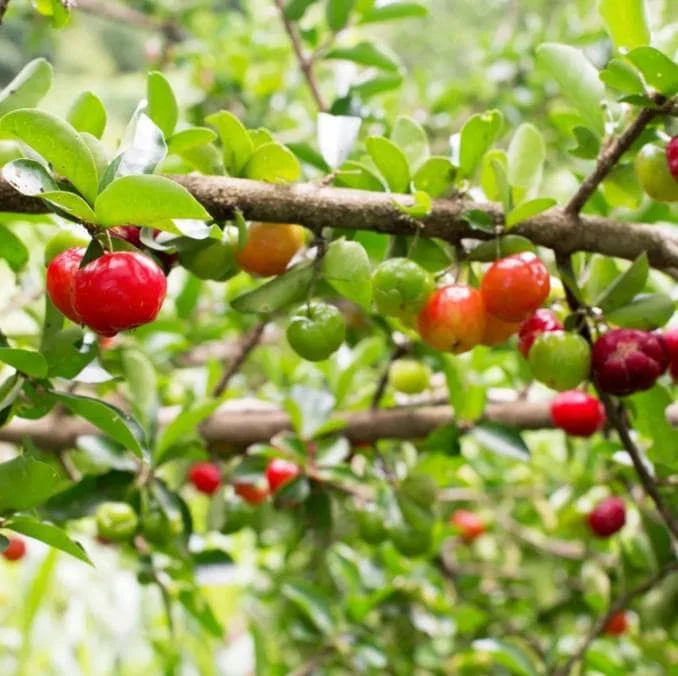
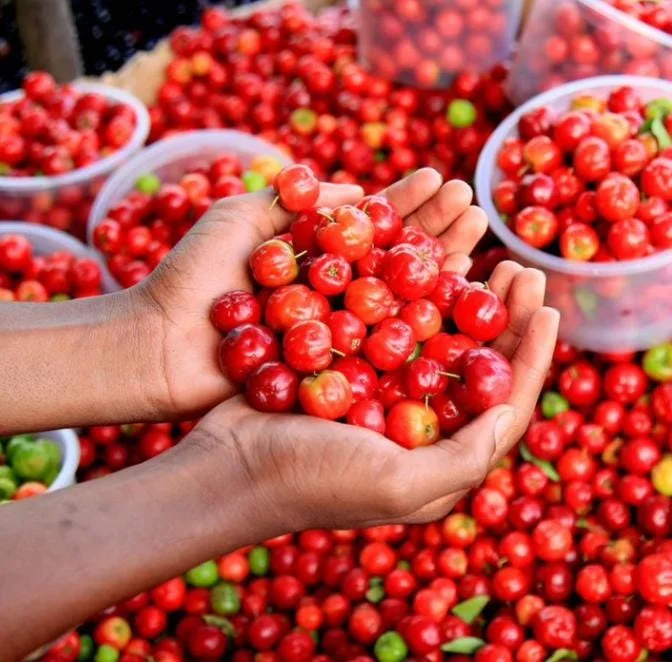
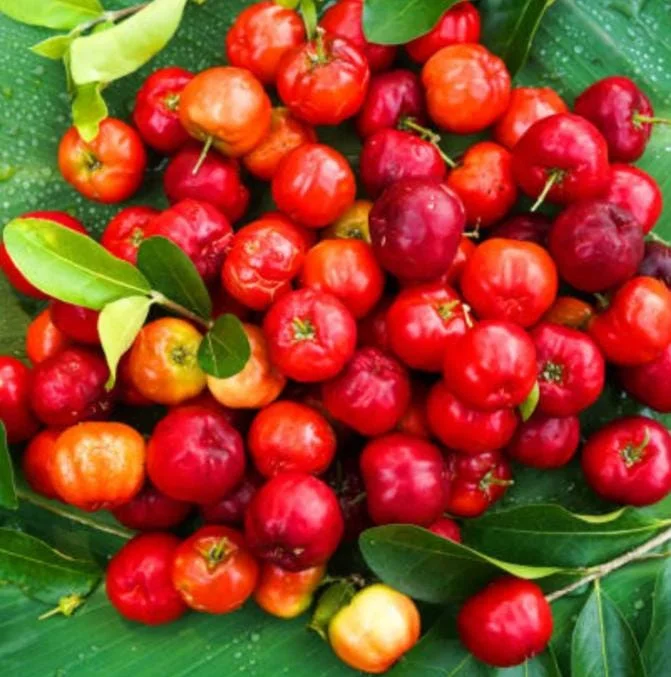
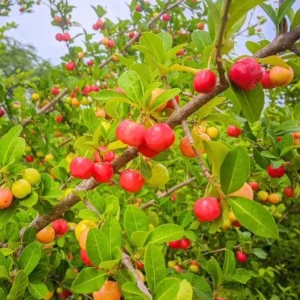
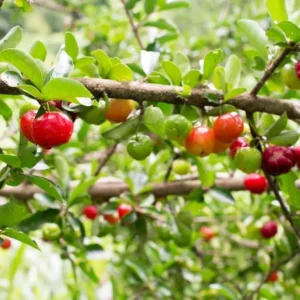
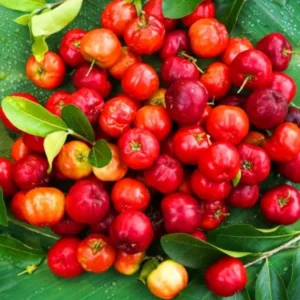
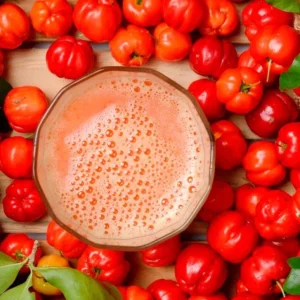
Cultivate your own delicious and highly nutritious fruit with this barbados cherry live plant set. You’ll receive two healthy starter plants, each 4-6 inches tall, ready to grow into productive tropical fruit trees. Perfect for home gardens, patios, or container growing, these plants produce bright red, vitamin C-rich fruits. Also known as acerola cherry plant, it’s an excellent choice for fresh eating, juices, and preserves.
Original price was: $93.78.$46.89Current price is: $46.89.

With our Alive & Thrive Guarantee, we’ve got your back for the first 30 days! If you have any concerns about your plants, just reach out to us. Our team is here to help answer your questions and guide you in selecting the best plants for your garden, climate, and unique preferences. We're excited to help you create the garden of your dreams!
Estimated arrival
Mar 16
Mar 21 - Mar 23
Mar 26 - Mar 30
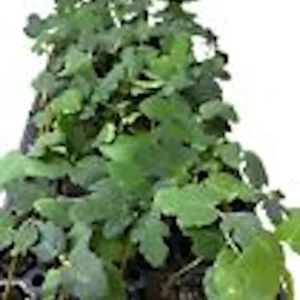
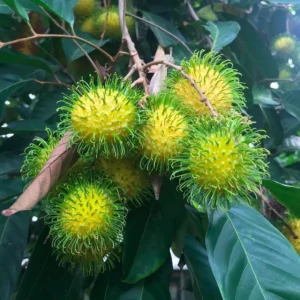
Product Details
-
USDA Hardiness Zone
USDA Zones 9-11 -
Soil type
Rich, well-draining soil; slightly acidic to neutral -
Sunlight Exposure
Bright indirect light to partial sun -
Expected Planting Period
Year-round in warm climates; spring to summer in cooler zones (moved indoors for winter)
Overview
Embark on a rewarding gardening journey with this exceptional barbados cherry live plant set. You will receive two robust starter plants of Malpighia emarginata, commonly known as Barbados Cherry or Acerola Cherry. These tropical and subtropical fruit plants are celebrated for their vibrant red, edible cherries, which are an outstanding natural source of vitamin C. Ideal for both seasoned gardeners and enthusiastic beginners, this compact fruit tree adapts beautifully to various growing environments, including home gardens, patios, and containers. With proper care, your barbados cherry live plant will flourish, providing a continuous bounty of flavorful fruit perfect for fresh consumption, making juices, or crafting delicious preserves. Discover the joy of harvesting your own healthy, homegrown fruit.
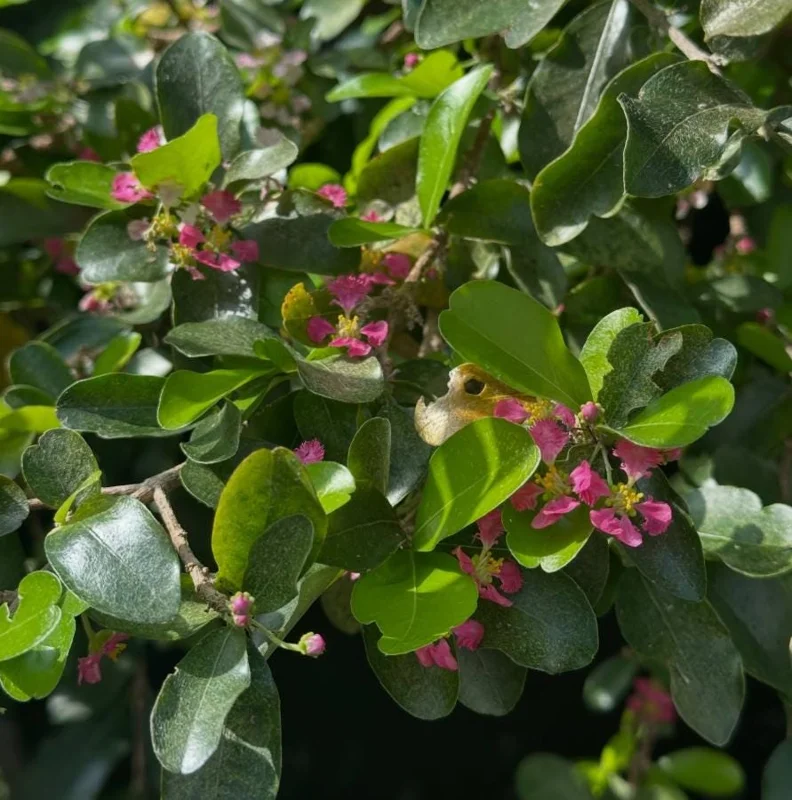
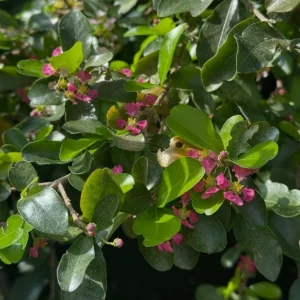
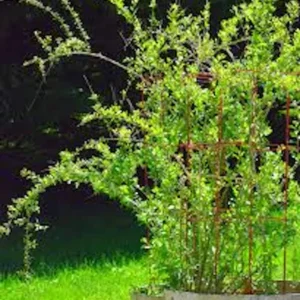
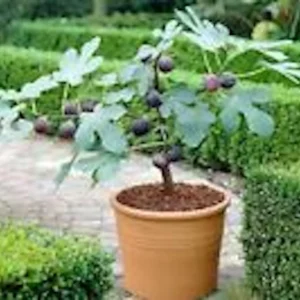
The acerola cherry plant is not just productive but also an attractive addition to any landscape. Its glossy green leaves and bright red berries create visual interest, making it suitable for edible landscaping. These young plants, typically 4-6 inches tall upon arrival, are ready to establish quickly with the right conditions. Growing your own edible fruit plant ensures fresh, organic produce right at your fingertips, enhancing your culinary adventures and daily nutrition.
Key Benefits
Cultivating your own barbados cherry live plant offers a multitude of advantages, from its nutritional value to its ornamental appeal. These plants are easy to care for and provide a consistent supply of delicious fruit.
- Exceptional Nutritional Value: The cherries produced by the acerola cherry plant are renowned for their incredibly high vitamin C content, significantly surpassing that of oranges. Incorporating these fruits into your diet can boost immunity and overall health.
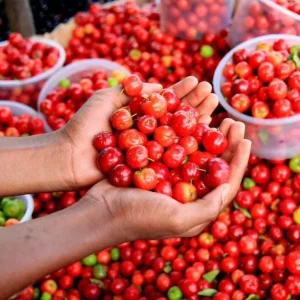
- Delicious Edible Fruit: Enjoy sweet-tart, bright red cherries perfect for fresh eating, smoothies, juices, jams, and jellies. Harvesting fruit when fully red ensures the best flavor and nutritional profile.
- Compact & Versatile Growth: The Barbados Cherry is a relatively compact tree, making it highly suitable for container gardening on patios, balconies, or even as an indoor plant in colder climates. It also thrives when planted directly in the ground in warmer zones.
- Easy to Grow: This resilient tropical fruit tree is known for being relatively low-maintenance, making it an excellent choice for gardeners of all experience levels. With basic care, it consistently produces fruit.
- Attractive Ornamental Plant: Beyond its fruit production, the malpighia emarginata features attractive foliage and bright berries, adding a touch of tropical beauty to your garden or indoor space.
- Pollinator Friendly: The flowers of the Barbados Cherry attract pollinators, contributing to the biodiversity and health of your garden ecosystem.
- Year-Round Enjoyment (in suitable climates): In tropical and subtropical regions, the Barbados Cherry can produce multiple flushes of fruit throughout the year, offering a continuous supply.
Plant Care & Growing Tips
To ensure your barbados cherry live plant thrives and produces abundant fruit, understanding its specific care requirements is crucial. These tropical plants appreciate warmth and consistent moisture, but also good drainage.
Light Requirements: Your acerola cherry plant prefers bright, indirect light. If growing indoors, place it near a sunny window where it can receive several hours of bright light without direct, harsh midday sun. Outdoors, dappled sunlight or light partial sun is ideal, especially for young plants. Too much direct, intense sun can scorch the leaves, while too little light may reduce fruit production.
Watering: Water thoroughly when the top 1-2 inches of soil feel dry to the touch. Allow excess water to drain away completely, as Barbados Cherry does not tolerate soggy roots. Reduce watering slightly during cooler, dormant periods. Consistent moisture is key, especially when the plant is actively growing and fruiting.
Soil & Fertilization: A rich, well-draining soil mix is essential for the malpighia emarginata. A slightly acidic to neutral pH is preferred. You can amend your soil with organic compost to improve fertility and drainage. During the active growing season (spring through fall), fertilize regularly with a balanced formula (such as 8-3-9) or a citrus fertilizer. Follow product instructions for application rates. Mulching around the base of the plant can help retain soil moisture and regulate temperature, but keep mulch away from the stem to prevent rot.
Temperature & Climate: As a tropical fruit tree, the Barbados Cherry is best suited for warm climates. It is sensitive to frost and should be protected or brought indoors when temperatures drop below 40°F (4°C). If you live in a cooler region, growing it in a container allows you to move it indoors during winter. USDA Hardiness Zones 9-11 are generally ideal for outdoor cultivation. Monitor for common pests like aphids, scale, or whiteflies, and treat promptly with organic pest control methods if necessary. Prune your barbados cherry live plant after harvest to maintain its shape and encourage new growth.
Size & Details
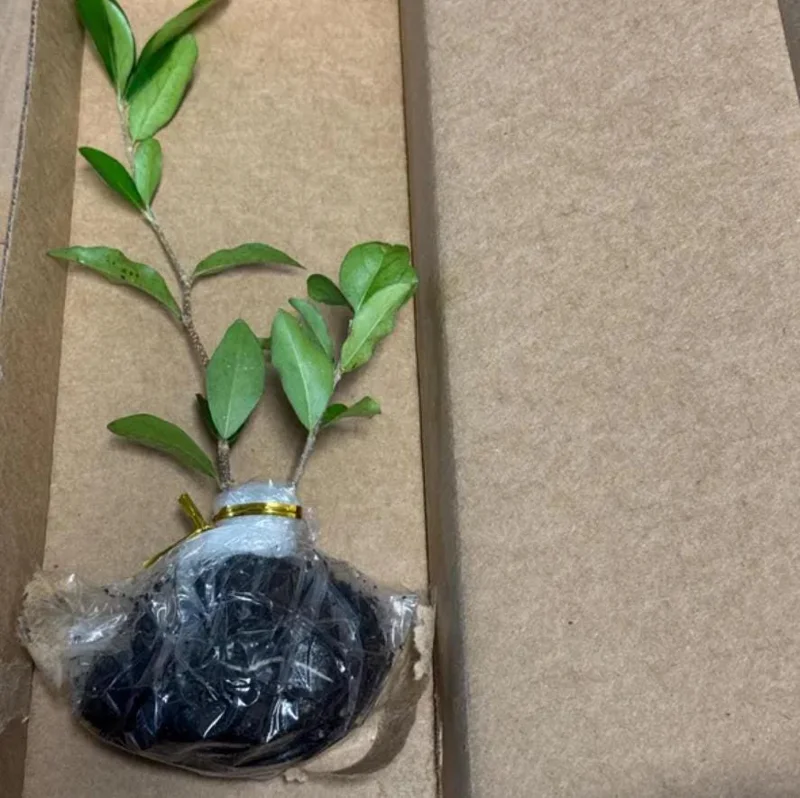
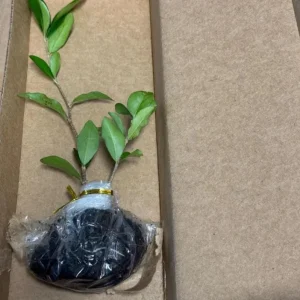
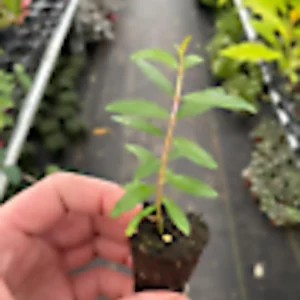
This offering includes a set of two healthy barbados cherry live plant starter plants. Each plant typically measures approximately 4-6 inches tall upon arrival, though natural variations in size may occur. These are young, vigorous plants ready for establishment in your garden or containers. They are shipped without pots to minimize shipping stress, with their roots carefully wrapped in soil to retain moisture during transit, ensuring they arrive in optimal condition. The acerola cherry plant is known for its compact growth habit, making it an excellent choice for smaller spaces or container cultivation. With proper care, these plants will grow into productive fruit trees, typically reaching a mature height of 6-10 feet if planted in the ground, or remaining smaller and more manageable in a container. Expect to see your first fruits within 1-2 years under ideal growing conditions.
Frequently Asked Questions
- Q: How big does this barbados cherry live plant get? A: If planted in the ground in suitable climates, the Barbados Cherry can grow 6-10 feet tall. When grown in a container, its size can be maintained at a more compact 3-6 feet through pruning, making it ideal for patios or indoor spaces.
- Q: Is this an indoor or outdoor plant? A: The acerola cherry plant is a tropical species. It thrives outdoors in USDA Zones 9-11. In cooler climates, it can be grown outdoors during warm months and brought indoors as a houseplant for winter, requiring bright light.
- Q: How much sunlight does my malpighia emarginata need? A: It prefers bright, indirect light to partial sun. Young plants should be protected from harsh, direct midday sun. Indoors, place it near a bright window; outdoors, choose a spot with morning sun and afternoon shade, or dappled light.
- Q: Is this plant easy to care for? A: Yes, the Barbados Cherry is considered relatively easy to care for, making it suitable for gardeners of all skill levels. It requires consistent watering, well-draining soil, and protection from frost.
- Q: What condition will the plants arrive in? A: You will receive two live starter plants, approximately 4-6 inches tall, shipped without pots. Their roots will be carefully wrapped with soil to maintain moisture during transit. Some minor stress or leaf drop after shipping is normal for young tropical plants.
- Q: Can I use the fruit from this edible fruit plant immediately? A: The plants are starters and will need time to mature and produce fruit. Once the plant begins to fruit, harvest the cherries when they are fully red for the best flavor and highest vitamin C content.
- Q: How long until it starts producing fruit? A: Under optimal growing conditions, your tropical fruit tree can begin to produce fruit within 1 to 2 years after planting. Consistent care and proper fertilization will encourage earlier fruiting.
- Q: What kind of soil is best for Barbados Cherry? A: A rich, well-draining soil mix that is slightly acidic to neutral in pH is ideal. Amend garden soil with compost, or use a high-quality potting mix for containers to ensure good aeration and drainage.
- Q: Will this barbados cherry live plant survive winter in my zone? A: If you are in USDA Zones 9-11, it can survive outdoors year-round. In colder zones, it must be protected from frost or grown in a container and moved indoors to a warm, brightly lit location during winter.
- Q: Are these plants suitable for beginners? A: Absolutely! The Barbados Cherry is a forgiving and relatively low-maintenance fruit plant, making it an excellent choice for beginner gardeners looking to grow their own edible tropical fruits.
Related products
-20%
Original price was: $34.00.$27.20Current price is: $27.20.
-20%
Original price was: $56.00.$44.80Current price is: $44.80.
-20%
Original price was: $80.00.$64.00Current price is: $64.00.
-20%
Original price was: $60.00.$48.00Current price is: $48.00.
-10%
Original price was: $89.99.$80.99Current price is: $80.99.
-20%
Original price was: $34.00.$27.20Current price is: $27.20.
-20%
Original price was: $60.00.$48.00Current price is: $48.00.
PLANTING & CARE

The Comprehensive Guide to Growing Bay Leaf Plants for a Flavorful Garden
Imagine stepping into your garden, greeted by the earthy aroma of fresh bay leaves, their
09
Feb
Feb

How to Make Comfrey Tea: The Ultimate Organic Plant Food
Growing an organic garden can be surprisingly expensive, especially when most store-bought fertilizers come in
02
Feb
Feb

True Comfrey: 7 Essential Tips Before You Plant This Herb
A staple in permaculture practices across the US, True Comfrey easily earns its reputation as
27
Jan
Jan

7 Heart-Shaped Plants for a Lasting Valentine’s Gift
If you’ve ever bought a bouquet of roses for Valentine’s Day, you know they are
26
Jan
Jan

Best Types of Ivy Plant for Houses: How to Choose the Perfect Ones for Your Home
Are you a garden lover looking to introduce some greenery into your home? Maybe you’ve
14
Nov
Nov

When to Harvest Garlic (Especially Fall-Planted Garlic)
TIMING IS EVERYTHING, they say – and for garlic, that truth hits with surprising accuracy.
13
Nov
Nov

11 of the Best Sweet Potato Varieties to Grow for Your Garden
If you’ve ever tried growing sweet potatoes, you know that picking the right variety can
12
Nov
Nov
Pruning Bougainvillea for Winter
Bougainvillea vines are known for their dazzling display of magenta, orange, and fuchsia bracts that
05
Nov
Nov