Ruby Moon Hyacinth Bean Seeds – 20 Seeds, Violet Pods, Fragrant Purple Blooms, Outdoor Vine
-63%
Ruby Moon Hyacinth Bean Seeds – 20 Seeds, Violet Pods, Fragrant Purple Blooms, Outdoor Vine
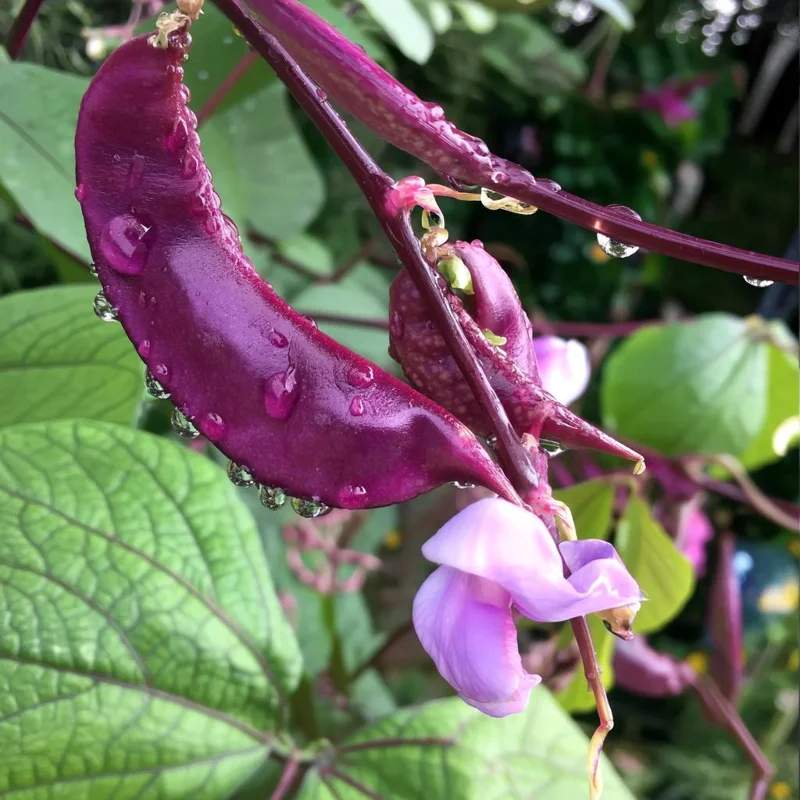
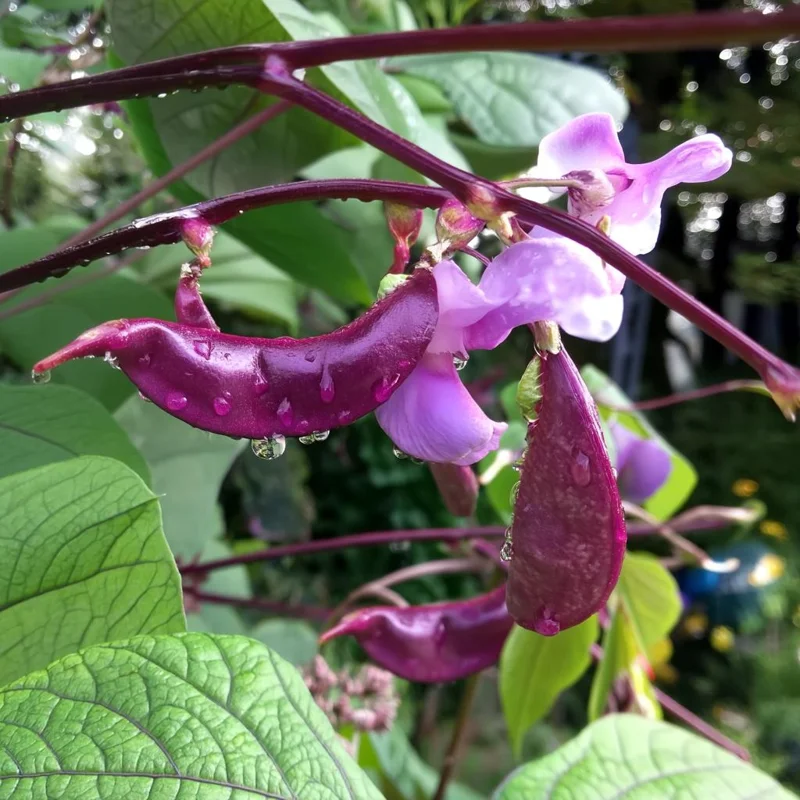
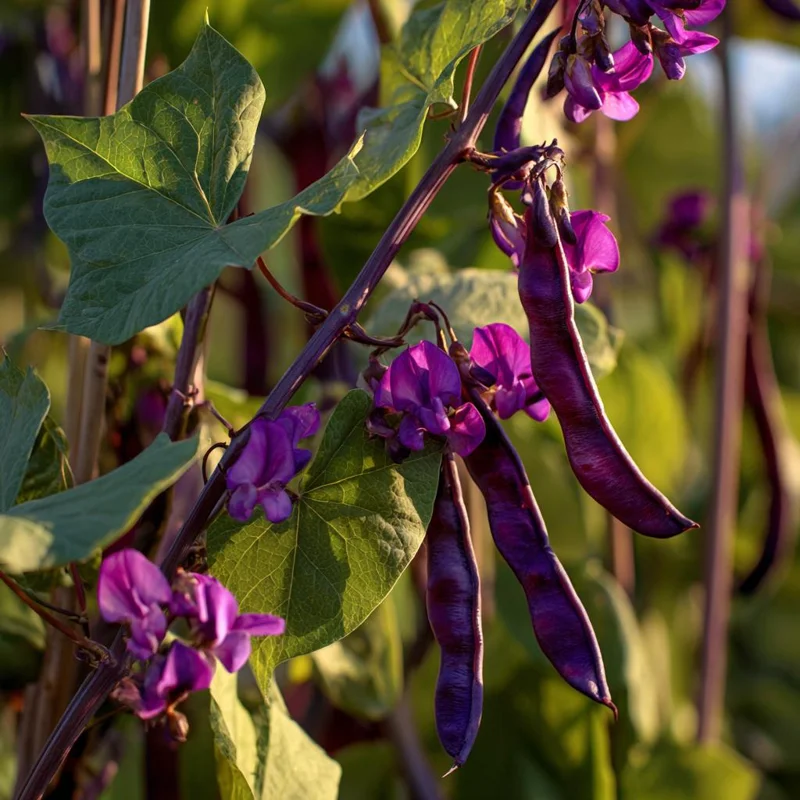
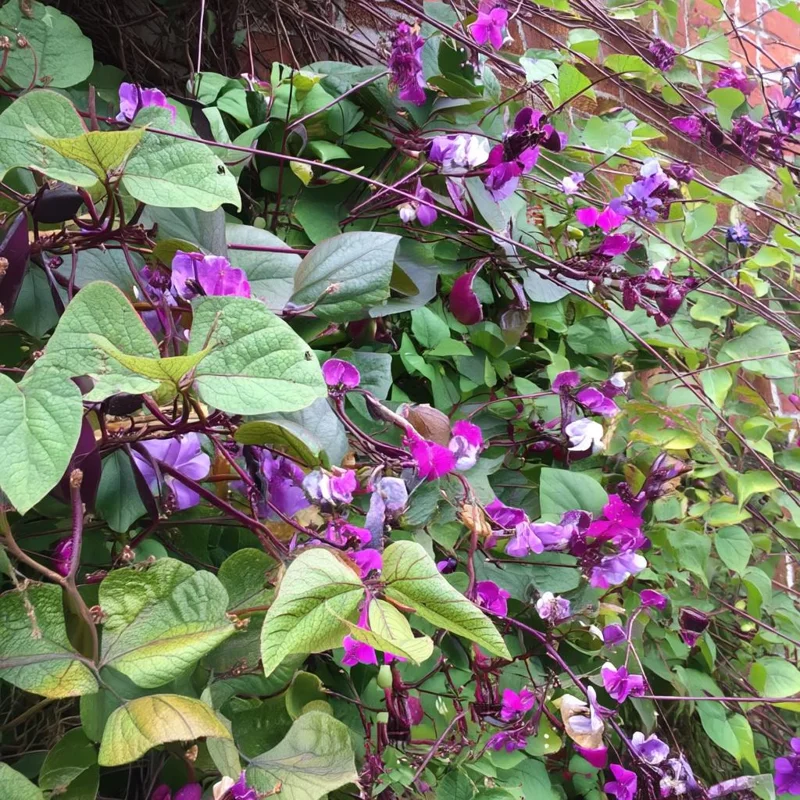
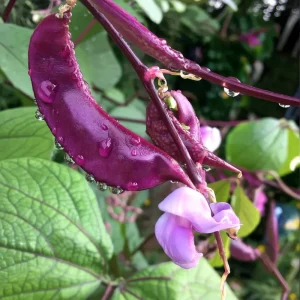
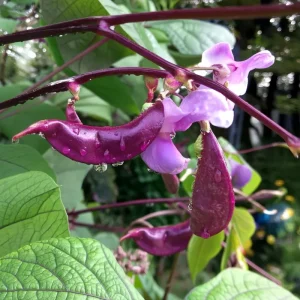
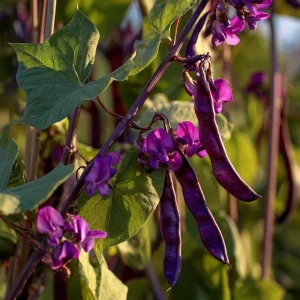
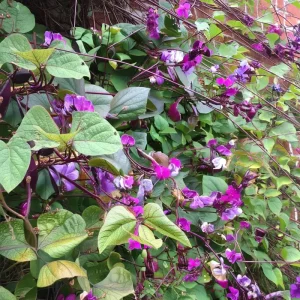
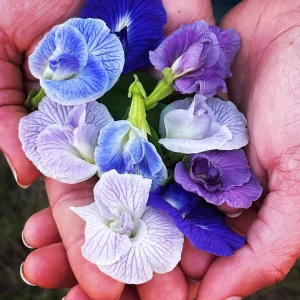
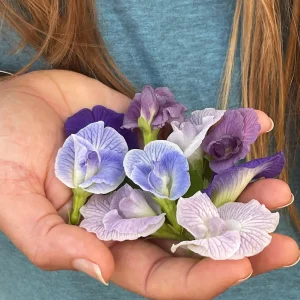
Cultivate a vibrant garden with ruby moon hyacinth bean seeds. This ornamental vine features deep purple stems, fragrant lavender flowers, and striking violet pods. Ideal for trellises, fences, and pergolas, attracting pollinators and adding dramatic color to your outdoor space. Learn to grow hyacinth bean easily for a beautiful display.
Original price was: $31.99.$11.99Current price is: $11.99.

With our Alive & Thrive Guarantee, we’ve got your back for the first 30 days! If you have any concerns about your plants, just reach out to us. Our team is here to help answer your questions and guide you in selecting the best plants for your garden, climate, and unique preferences. We're excited to help you create the garden of your dreams!
Estimated arrival
Apr 13
Apr 18 - Apr 20
Apr 23 - Apr 27




Product Details
-
USDA Hardiness Zone
Annual in most zones; Perennial in USDA zones 9-11 -
Soil type
Well-draining soil -
Sunlight Exposure
Full sun -
Expected Planting Period
Spring to early summer
Overview
Transform your garden into a captivating haven with ruby moon hyacinth bean seeds. This stunning ornamental vine, scientifically known as Lablab purpureus, is celebrated for its vigorous growth and dramatic visual appeal. Originating from tropical Africa, the hyacinth bean plant has become a favorite among gardeners worldwide for its unique aesthetic and ease of cultivation. The ‘Ruby Moon’ variety stands out with its distinctive deep purple stems, which provide a striking contrast to its delicate, fragrant lavender flowers. As the plant matures, it produces glossy, vibrant violet pods that add an extra layer of ornamental interest, making it a truly multi-season spectacle. Whether you’re looking to cover an unsightly fence, create a living archway, or add vertical interest to your garden, these lablab purpureus seeds offer an excellent solution. They germinate readily and establish quickly, providing a rewarding growing experience for both novice and experienced gardeners.
Key Benefits
The ruby moon hyacinth bean seeds offer a multitude of benefits that make them an indispensable addition to any garden. From their aesthetic charm to their ecological contributions, these seeds promise a rewarding experience.
- Dramatic Ornamental Appeal: The deep purple stems, fragrant lavender flowers, and vivid violet pods create a stunning visual display throughout the growing season. This plant is a true showstopper, providing continuous interest from spring to fall.
- Attracts Pollinators: The fragrant purple blooms are a magnet for beneficial insects, including bees, butterflies, and hummingbirds. Planting ruby moon hyacinth bean seeds helps support local ecosystems and enhances garden biodiversity.
- Vigorous Climber: This fast-growing vine quickly covers trellises, arbors, fences, and pergolas, offering excellent privacy screening or an attractive backdrop for other plants. It’s perfect for quickly establishing vertical greenery.
- Low Maintenance: Once established, the hyacinth bean plant requires minimal care, thriving in warm conditions with regular watering. This makes it an ideal choice for gardeners seeking high impact with less effort.
- Unique Pods: Beyond the flowers, the glossy, deep violet pods provide extended ornamental value, adding texture and color to the garden even after the main flush of blooms. These pods are a distinctive feature that sets this plant apart.
- Heat Tolerant: The Ruby Moon Hyacinth Bean thrives in hot weather, making it an excellent choice for gardens in warmer climates or during peak summer months when other plants might struggle.
- Easy to Grow: With simple sowing instructions and robust growth habits, even beginners can successfully grow hyacinth bean plants from these seeds, ensuring beautiful results.
Plant Care & Growing Tips
Successful cultivation of ruby moon hyacinth bean seeds begins with proper sowing and continues with consistent care. To ensure vigorous growth and abundant blooms, understanding the plant’s needs is crucial. You can start these seeds indoors 4–6 weeks before the last expected frost, or sow them directly outdoors once all danger of frost has passed and the soil has thoroughly warmed. To improve germination rates, it’s highly recommended to scarify the seeds lightly or soak them in warm water for 12–24 hours prior to planting. Plant seeds about 1 inch deep in well-drained soil, ensuring they have adequate space to develop.
For optimal growth and the richest colors, plant your purple flowering vine in a location that receives full sun, meaning at least 6-8 hours of direct sunlight per day. While the plant is drought-tolerant once established, consistent watering is essential, especially during dry spells and hot weather. However, avoid waterlogging, as this can lead to root rot. The Ruby Moon Hyacinth Bean thrives in warm temperatures, with ideal germination occurring between 70–85°F. Provide a sturdy trellis, arbor, or fence for the vine to climb, as it is a vigorous grower and will quickly seek support. Fertilize sparingly with a balanced liquid fertilizer every 4-6 weeks during the active growing season. To encourage continuous blooming and pod production, remove spent flowers and pods regularly. Keep an eye out for common garden pests, though the hyacinth bean is generally quite resilient. With proper care, your ornamental bean seeds will flourish into a magnificent display.
Size & Details
This package contains 20 Ruby Moon Hyacinth Bean seeds, providing ample opportunity to establish a stunning display in your garden. The Ruby Moon Hyacinth Bean is a vigorous annual vine, typically reaching heights of 10-15 feet (3-4.5 meters) in a single growing season when provided with adequate support. Its spread can be up to 3-6 feet (0.9-1.8 meters) depending on how it is trained. The plant produces delicate, fragrant lavender-purple flowers, followed by eye-catching, glossy violet-purple pods that are approximately 2-3 inches long. These lablab purpureus seeds are best sown in spring after the last frost, and plants will begin to flower in mid-summer, continuing until the first hard frost. The seeds are suitable for outdoor cultivation, thriving in warm, sunny conditions. Each seed holds the potential to grow into a robust and beautiful ornamental vine, perfect for adding vertical interest and vibrant color to your landscape.
Frequently Asked Questions
- Q: How many ruby moon hyacinth bean seeds come in a pack? A: Each pack contains 20 Ruby Moon Hyacinth Bean seeds, providing a good quantity to start your garden project. This allows for multiple plantings or a robust initial display.
- Q: Is this an indoor or outdoor plant? A: The Ruby Moon Hyacinth Bean is primarily an outdoor plant, thriving in full sun and warm temperatures. It is best grown as an annual in most climates, though it can perennialize in frost-free regions.
- Q: How much sunlight does the Ruby Moon Hyacinth Bean need? A: This plant requires full sun, meaning at least 6-8 hours of direct sunlight per day, to produce the most vibrant colors and abundant blooms. Adequate sunlight is key to successfully grow hyacinth bean.
- Q: Is this plant easy to care for? A: Yes, once established, the Ruby Moon Hyacinth Bean is relatively low maintenance. It tolerates heat and requires regular watering, but it’s generally a robust and easy-to-grow vine, even for beginner gardeners.
- Q: What condition will the lablab purpureus seeds arrive in? A: The lablab purpureus seeds will arrive as dry, viable seeds, carefully packaged to ensure their quality and readiness for planting. Proper storage until planting is recommended.
- Q: How long until the Ruby Moon Hyacinth Bean blooms? A: After planting, the Ruby Moon Hyacinth Bean typically begins to bloom in mid-summer, continuing to produce its fragrant purple flowers and violet pods until the first hard frost.
- Q: What is the best way to encourage germination for these ornamental bean seeds? A: To improve germination rates, lightly scarify the ornamental bean seeds (gently scratch the seed coat) or soak them in warm water for 12-24 hours before planting. This helps soften the seed coat and allows water to penetrate.
Related products
-50%


Original price was: $19.16.$9.58Current price is: $9.58.
-50%
Original price was: $23.96.$11.98Current price is: $11.98.
-50%
Original price was: $23.96.$11.98Current price is: $11.98.
-50%
Original price was: $23.96.$11.98Current price is: $11.98.
-50%
Original price was: $23.96.$11.98Current price is: $11.98.
-50%

Original price was: $38.36.$19.18Current price is: $19.18.
-50%
From Original price was: $63.60.$31.80Current price is: $31.80.
-50%


Original price was: $23.96.$11.98Current price is: $11.98.
PLANTING & CARE

Growing Glencoe Raspberry: A Complete Guide for Gardeners
If you’re looking to add something unique to your garden, look no further than the
31
Mar
Mar

The Comprehensive Guide to Growing Bay Leaf Plants for a Flavorful Garden
Imagine stepping into your garden, greeted by the earthy aroma of fresh bay leaves, their
09
Feb
Feb

How to Make Comfrey Tea: The Ultimate Organic Plant Food
Growing an organic garden can be surprisingly expensive, especially when most store-bought fertilizers come in
02
Feb
Feb

True Comfrey: 7 Essential Tips Before You Plant This Herb
A staple in permaculture practices across the US, True Comfrey easily earns its reputation as
27
Jan
Jan

7 Heart-Shaped Plants for a Lasting Valentine’s Gift
If you’ve ever bought a bouquet of roses for Valentine’s Day, you know they are
26
Jan
Jan

Best Types of Ivy Plant for Houses: How to Choose the Perfect Ones for Your Home
Are you a garden lover looking to introduce some greenery into your home? Maybe you’ve
14
Nov
Nov

When to Harvest Garlic (Especially Fall-Planted Garlic)
TIMING IS EVERYTHING, they say – and for garlic, that truth hits with surprising accuracy.
13
Nov
Nov

11 of the Best Sweet Potato Varieties to Grow for Your Garden
If you’ve ever tried growing sweet potatoes, you know that picking the right variety can
12
Nov
Nov