Yellow Horn Tree Seeds – 5 Seeds – Hardy Ornamental & Edible Nuts
-56%
Yellow Horn Tree Seeds – 5 Seeds – Hardy Ornamental & Edible Nuts
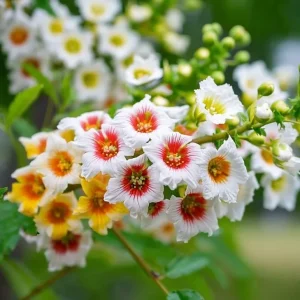
Cultivate a unique and resilient tree with our Yellow Horn seeds. Also known as Chinese Flowering Chestnut seeds, these offer both stunning spring blossoms and nutritious, edible tree seeds. Perfect for gardeners seeking an attractive and productive addition to their landscape.
Original price was: $35.99.$15.99Current price is: $15.99.

With our Alive & Thrive Guarantee, we’ve got your back for the first 30 days! If you have any concerns about your plants, just reach out to us. Our team is here to help answer your questions and guide you in selecting the best plants for your garden, climate, and unique preferences. We're excited to help you create the garden of your dreams!
Estimated arrival
Apr 14
Apr 19 - Apr 21
Apr 24 - Apr 28

Product Details
-
USDA Hardiness Zone
USDA zones 5-9 -
Soil type
Well-drained sandy or loamy soil -
Sunlight Exposure
Full sun -
Expected Planting Period
Spring
Overview
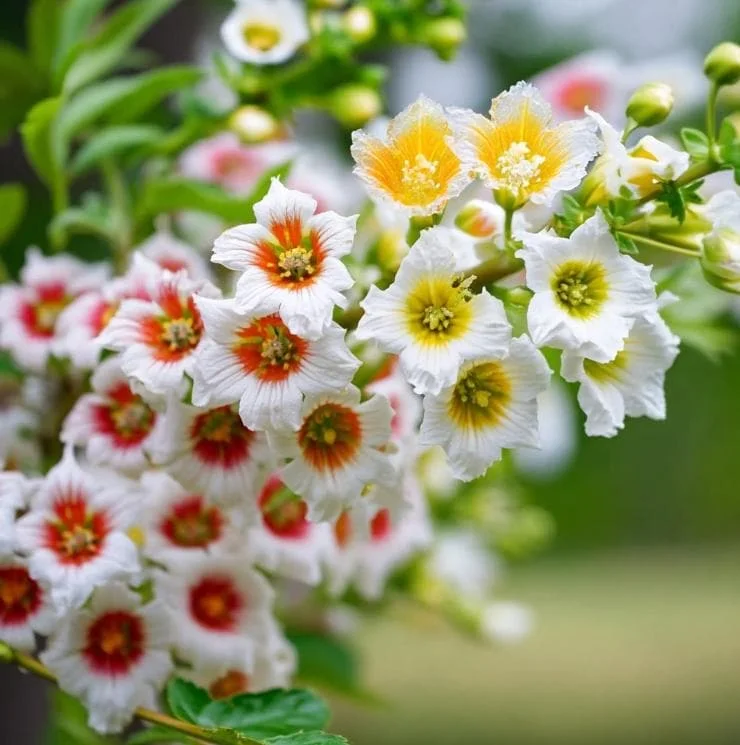
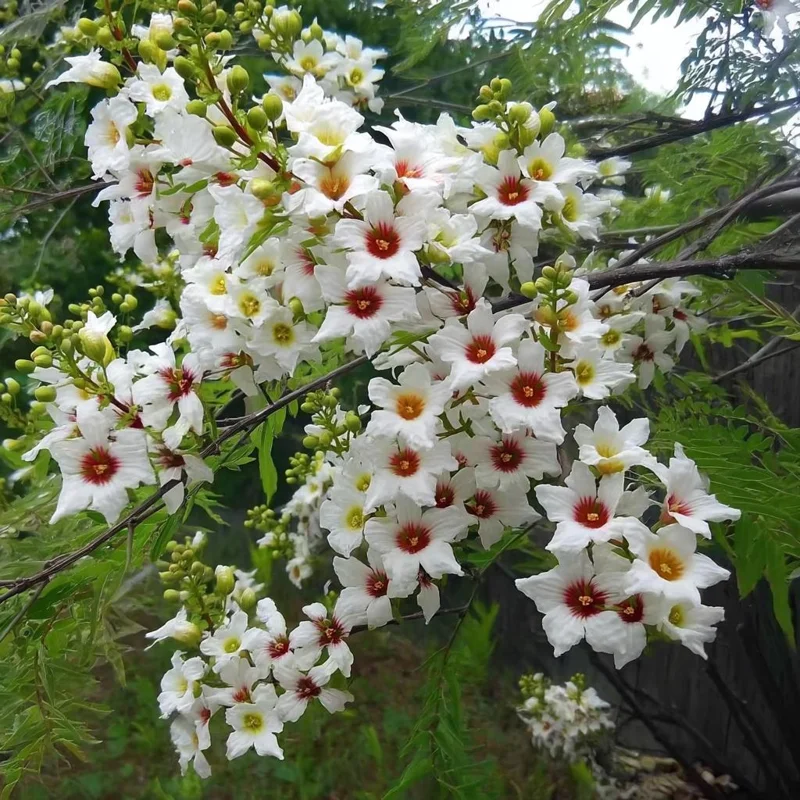
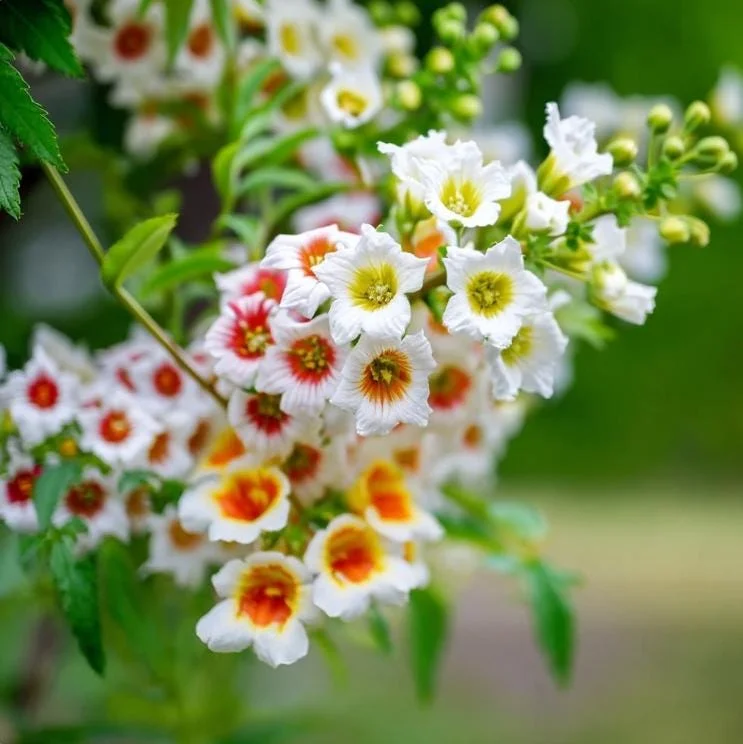
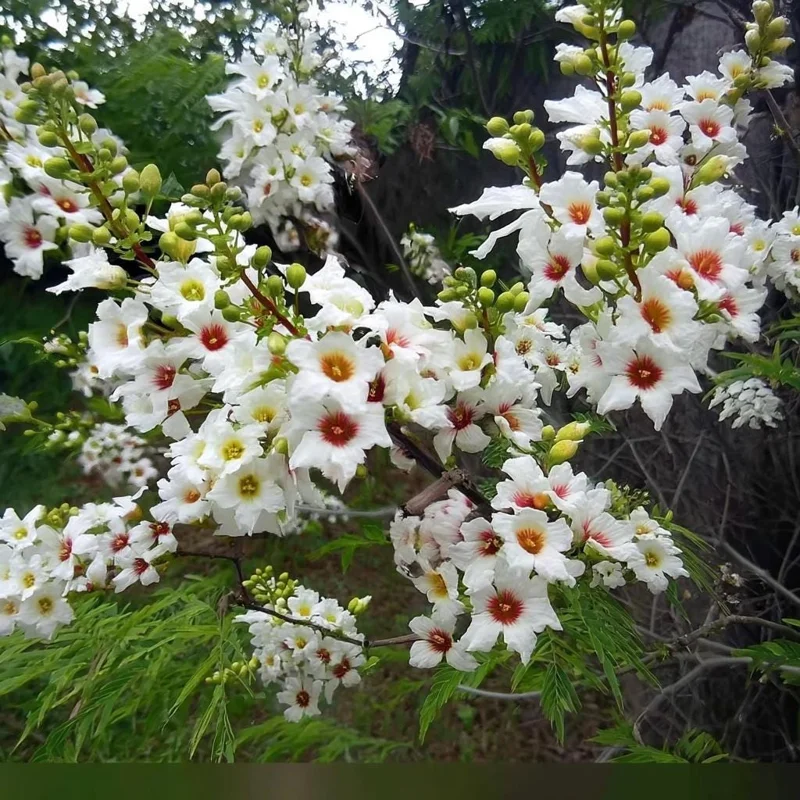
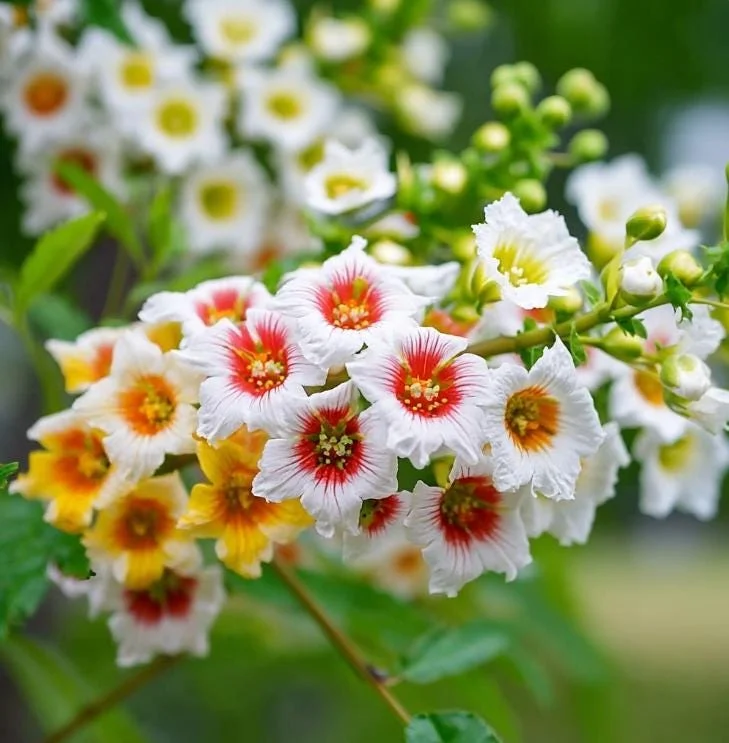
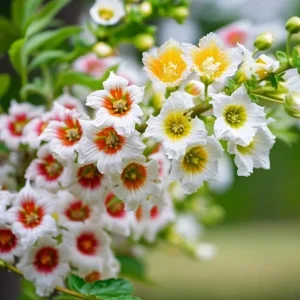
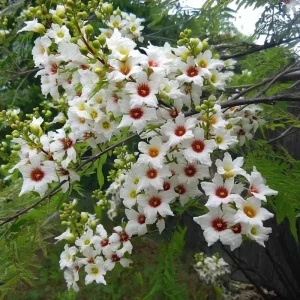
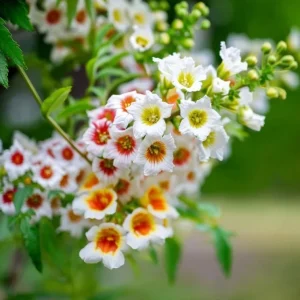
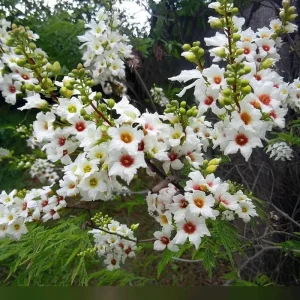
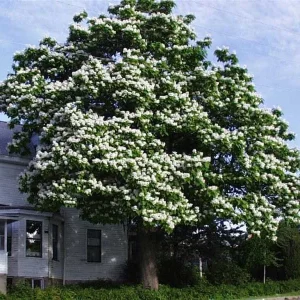
Discover the exceptional beauty and utility of the Yellow Horn seeds (Xanthoceras sorbifolium), a truly remarkable species for any garden. Also known as the Chinese Flowering Chestnut seeds, this deciduous shrub or small tree is highly valued for its striking ornamental appeal and its delicious, edible nuts. Originating from China, the Yellow Horn tree graces landscapes with elegant clusters of white flowers, often featuring red or yellow centers, during the spring season. These blossoms not only add a touch of sophistication but also emit a pleasant fragrance, making your garden a sensory delight. Growing to a moderate height of 8–20 feet, the Yellow Horn is a versatile plant that thrives in a wide range of climates, demonstrating impressive hardiness and adaptability.
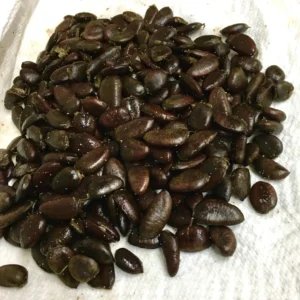
Our premium Yellow Horn seeds provide an excellent opportunity to grow this dual-purpose plant from scratch. Whether you’re an experienced horticulturist or a budding gardener, these seeds offer the potential to cultivate a resilient tree that delivers both aesthetic charm and practical benefits. The unique combination of showy flowers and a consistent yield of nutritious, edible tree seeds makes it a standout choice for those interested in edible landscaping or simply adding a distinctive specimen to their outdoor space. The nuts, rich in oil, can be roasted or prepared much like traditional chestnuts, offering a delightful and healthy treat directly from your garden.
Key Benefits
Planting Yellow Horn seeds offers a multitude of advantages for your garden and culinary endeavors:
- Stunning Spring Blossoms: Enjoy a spectacular display of white flowers with vibrant red or yellow centers each spring. These ornate blooms create a captivating visual interest and introduce a delicate fragrance to your garden, enhancing its overall appeal.
- Edible & Nutritious Nuts: Harvest delicious, oil-rich nuts that can be roasted or used in various culinary applications, similar to chestnuts. This provides a sustainable and healthy food source directly from your backyard, perfect for those exploring edible tree seeds.
- Exceptional Hardiness: The Yellow Horn tree is remarkably cold-hardy and drought-tolerant once established, making it suitable for a wide range of climates and requiring minimal maintenance. This resilience ensures a thriving plant with less effort.
- Versatile Landscape Plant: Its moderate size and attractive form make it an ideal choice for various garden settings, from a specimen tree to part of a mixed border or an edible landscape design. It adapts well to different soil types, provided they are well-drained.
- Unique Ornamental Value: Beyond its flowers and nuts, the tree’s foliage and overall structure contribute to its unique ornamental value throughout the growing season. It’s a conversation starter and a distinctive addition to any plant collection.
- Sustainable Gardening Choice: By growing from Xanthoceras sorbifolium seeds, you are engaging in sustainable gardening practices, contributing to biodiversity, and enjoying the rewards of a long-lived, productive tree.
- Low Maintenance Once Established: After the initial establishment phase, this tree requires very little attention, making it a great option for busy gardeners or those seeking low-effort, high-reward plants.
Plant Care & Growing Tips
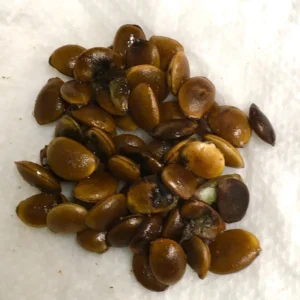
Growing the Yellow Horn tree from seeds requires some patience and specific care to ensure successful germination and establishment. Begin by scarifying the seeds or soaking them in warm water for 24 hours prior to planting; this crucial step helps break dormancy and improves germination rates for these edible tree seeds. You can sow seeds indoors approximately 8–10 weeks before the last expected frost date in your region, or directly outdoors in the spring once all danger of frost has passed. Plant the seeds about 1 inch deep in a well-drained, sandy or loamy soil mixture. Consistent moisture is key during the germination period, which typically takes between 20–30 days. Maintain a warm environment if germinating indoors, and ensure adequate light for emerging seedlings.
Once your seedlings are strong enough to handle, transplant them to their permanent outdoor location, spacing them 10–15 feet apart to allow ample room for mature growth. The Yellow Horn tree thrives in full sun, requiring at least 6-8 hours of direct sunlight daily to produce abundant flowers and nuts. While young plants need regular watering to establish their root systems, mature trees become quite drought-tolerant, making them a water-wise choice for many landscapes. Pruning should be minimal, primarily for shaping the tree or removing any dead or damaged branches. This cold-hardy and resilient species adapts well to various garden and landscape settings and can begin producing nuts within 3–5 years, rewarding your efforts with delicious fruit from your Xanthoceras sorbifolium seeds.
To ensure optimal health and nut production for your ornamental tree seeds, consider providing a balanced, slow-release fertilizer in early spring. Avoid heavy clay soils, as good drainage is paramount for this species. Monitor for common pests or diseases, though the Yellow Horn is generally quite resistant. With proper care, your tree will flourish, providing beauty, shade, and a unique harvest for many years.
Size & Details
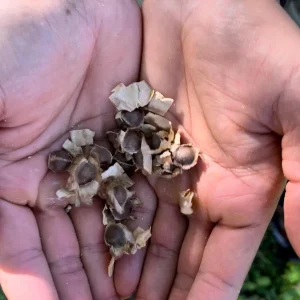
This offering includes 5 high-quality Yellow Horn seeds, ready for planting. Each seed has the potential to grow into a robust deciduous shrub or small tree, reaching a mature height of 8 to 20 feet (2.4 to 6 meters) with a spread of 5 to 10 feet (1.5 to 3 meters). The growth rate is moderate, allowing the tree to establish itself steadily. Flowers typically appear in spring, followed by the development of the distinctive nut-like seeds. The tree generally begins to produce nuts within 3 to 5 years after planting, offering a rewarding long-term investment for your garden. These edible tree seeds are packaged to ensure viability upon arrival, providing you with the best start for cultivating this unique species.
The Xanthoceras sorbifolium seeds are perfect for gardeners looking to introduce a plant with both significant ornamental value and practical benefits. They ship as individual seeds, ready for scarification and planting according to the provided instructions. Expect a beautiful, resilient tree that will become a focal point in your landscape, providing both visual appeal and a harvest of nutritious nuts for years to come.
Frequently Asked Questions
- Q: How big does the Yellow Horn tree get? A: The Yellow Horn tree typically grows to a height of 8 to 20 feet (2.4 to 6 meters) and can spread 5 to 10 feet (1.5 to 3 meters) wide, making it a medium-sized tree or large shrub suitable for various garden spaces.
- Q: Is this an indoor or outdoor plant? A: The Yellow Horn is an outdoor plant, highly cold-hardy and best suited for garden and landscape settings. While seeds can be started indoors, the mature tree requires outdoor conditions.
- Q: How much sunlight does the Yellow Horn tree need? A: This tree thrives in full sun, requiring at least 6-8 hours of direct sunlight per day to ensure vigorous growth and abundant flowering and nut production.
- Q: Is this plant easy to care for? A: Once established, the Yellow Horn is considered a low-maintenance plant. It’s drought-tolerant and resilient, adapting well to different conditions, making these ornamental tree seeds a good choice for many gardeners.
- Q: What condition will the Yellow Horn seeds arrive in? A: Your Yellow Horn seeds will arrive as fresh, viable seeds, carefully packaged to protect them during transit and ensure their quality for planting.
- Q: How long until the Yellow Horn tree produces nuts? A: The Yellow Horn tree typically begins to produce its edible nuts within 3 to 5 years after planting, rewarding your patience with a unique harvest.
- Q: What’s the best time to plant Yellow Horn seeds? A: The best time to sow Xanthoceras sorbifolium seeds is in spring, either indoors 8-10 weeks before the last frost or directly outdoors after the danger of frost has passed.
- Q: Are the nuts from the Yellow Horn tree safe to eat? A: Yes, the nuts produced by the Yellow Horn tree are edible and nutritious. They can be roasted and consumed similarly to chestnuts, making them a great addition for those interested in edible tree seeds.
- Q: What kind of soil does Yellow Horn prefer? A: The Yellow Horn tree prefers well-drained soil, ideally a sandy or loamy type. Good drainage is crucial for its health and growth.
- Q: Will it survive winter in my zone? A: The Yellow Horn tree is known for its excellent cold hardiness, making it suitable for a wide range of temperate climates. It is resilient to winter conditions once established.
Related products
-20%
Original price was: $18.00.$14.40Current price is: $14.40.
-20%
Original price was: $44.00.$35.20Current price is: $35.20.
-50%

Original price was: $51.80.$25.90Current price is: $25.90.
-20%
Original price was: $40.00.$32.00Current price is: $32.00.
-20%
Original price was: $66.00.$52.80Current price is: $52.80.
-20%
Original price was: $50.00.$40.00Current price is: $40.00.
-20%
Original price was: $38.00.$30.40Current price is: $30.40.
-20%
Original price was: $20.00.$16.00Current price is: $16.00.
PLANTING & CARE
Growing Glencoe Raspberry: A Complete Guide for Gardeners
If you’re looking to add something unique to your garden, look no further than the
31
Mar
Mar

The Comprehensive Guide to Growing Bay Leaf Plants for a Flavorful Garden
Imagine stepping into your garden, greeted by the earthy aroma of fresh bay leaves, their
09
Feb
Feb

How to Make Comfrey Tea: The Ultimate Organic Plant Food
Growing an organic garden can be surprisingly expensive, especially when most store-bought fertilizers come in
02
Feb
Feb

True Comfrey: 7 Essential Tips Before You Plant This Herb
A staple in permaculture practices across the US, True Comfrey easily earns its reputation as
27
Jan
Jan

7 Heart-Shaped Plants for a Lasting Valentine’s Gift
If you’ve ever bought a bouquet of roses for Valentine’s Day, you know they are
26
Jan
Jan

Best Types of Ivy Plant for Houses: How to Choose the Perfect Ones for Your Home
Are you a garden lover looking to introduce some greenery into your home? Maybe you’ve
14
Nov
Nov

When to Harvest Garlic (Especially Fall-Planted Garlic)
TIMING IS EVERYTHING, they say – and for garlic, that truth hits with surprising accuracy.
13
Nov
Nov

11 of the Best Sweet Potato Varieties to Grow for Your Garden
If you’ve ever tried growing sweet potatoes, you know that picking the right variety can
12
Nov
Nov