Cranberry Bean Seeds – Taylor’s Horticultural Bush – Heirloom Bush Beans – 20 Seeds
-63%
Cranberry Bean Seeds – Taylor’s Horticultural Bush – Heirloom Bush Beans – 20 Seeds
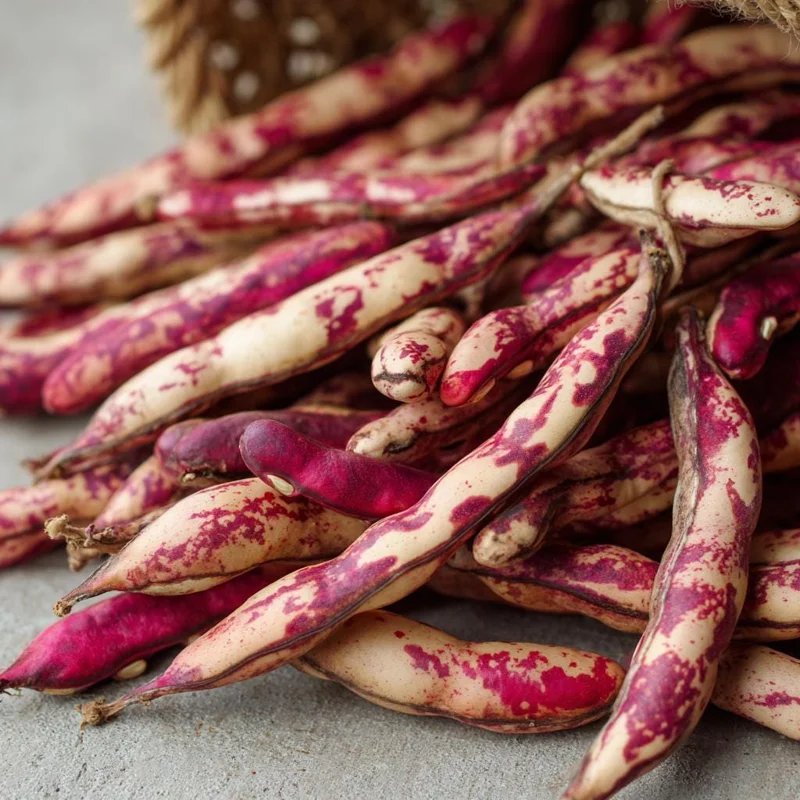
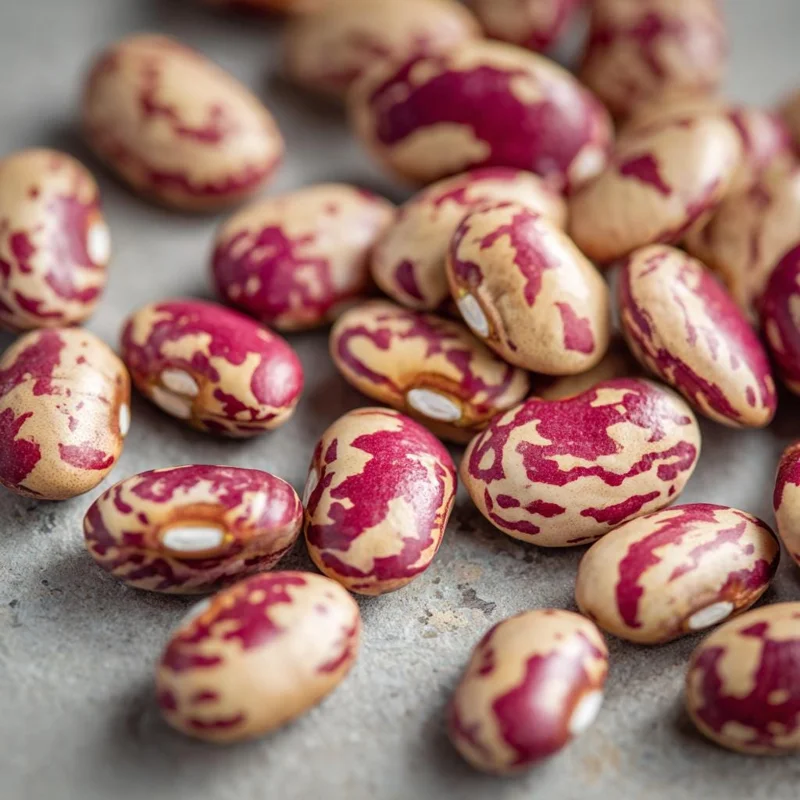
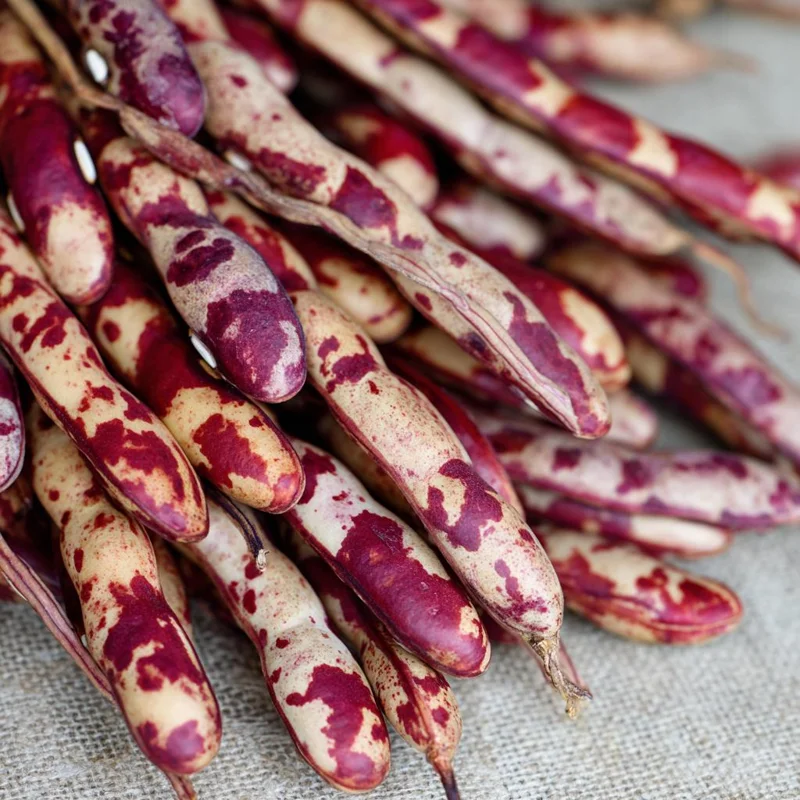
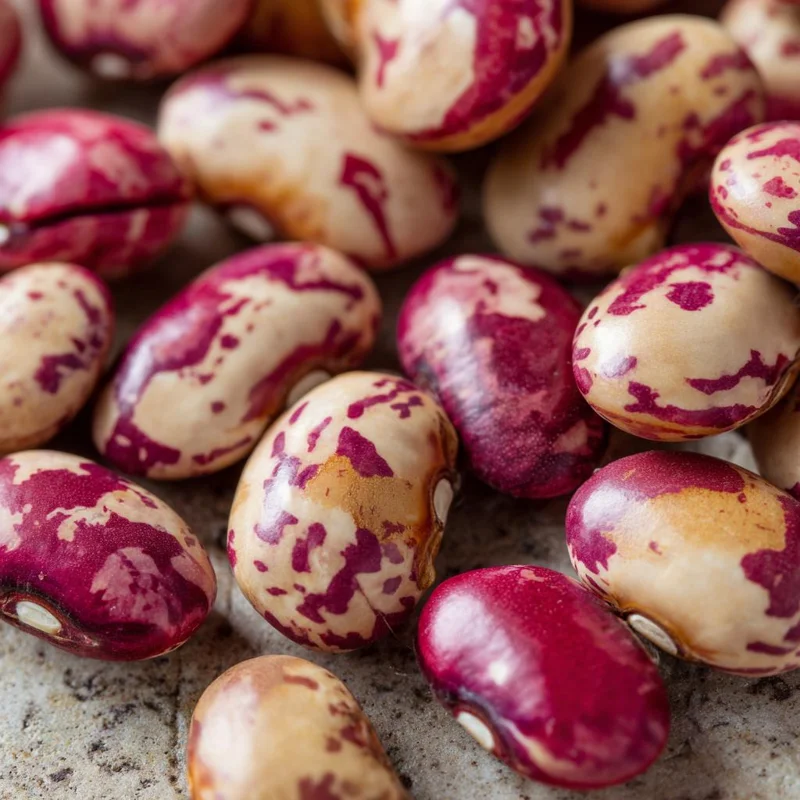
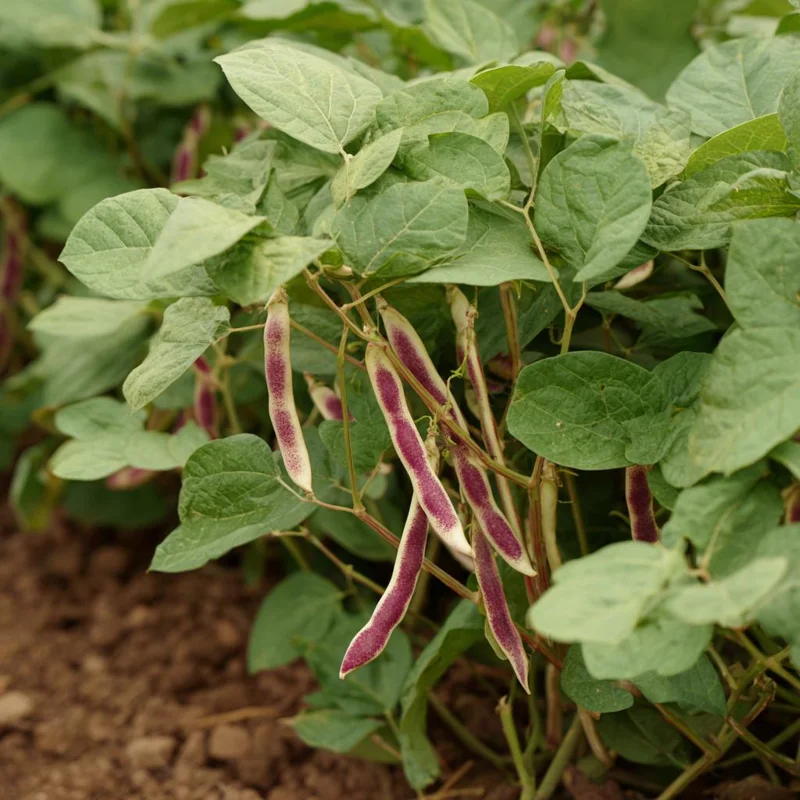
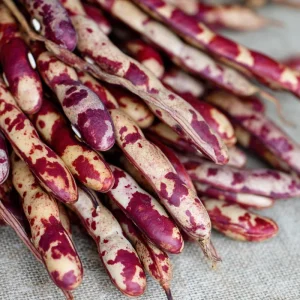
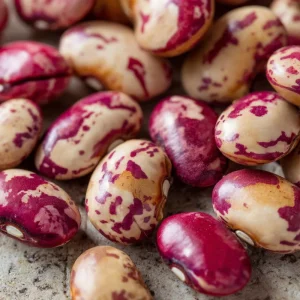
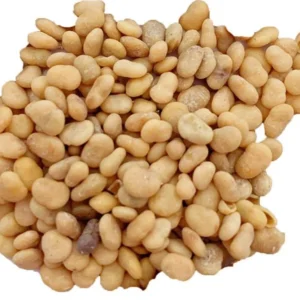
Cultivate your garden with cranberry bean seeds. These heirloom bush beans offer a creamy, nutty flavor and attractive red speckled pods, ideal for small gardens and containers. Harvest for fresh use or drying.
Original price was: $31.99.$11.99Current price is: $11.99.

With our Alive & Thrive Guarantee, we’ve got your back for the first 30 days! If you have any concerns about your plants, just reach out to us. Our team is here to help answer your questions and guide you in selecting the best plants for your garden, climate, and unique preferences. We're excited to help you create the garden of your dreams!
Estimated arrival
Apr 13
Apr 18 - Apr 20
Apr 23 - Apr 27


Product Details
-
USDA Hardiness Zone
unknown -
Soil type
well-draining, fertile soil -
Sunlight Exposure
full sun -
Expected Planting Period
after last spring frost
Overview
Embark on a rewarding gardening journey with these premium cranberry bean seeds. This classic heirloom variety, known as Taylor’s Horticultural Bush, is cherished for its distinctive creamy, nutty-flavored beans encased in beautiful red speckled pods. These heirloom bush beans grow compactly, making them an excellent choice for gardeners with limited space, including small gardens, raised beds, and various container gardening setups. Highly productive and remarkably easy to cultivate, these beans are versatile in the kitchen, perfect for enjoying fresh, adding to hearty soups and stews, or drying for prolonged storage and future culinary creations. Growing your own provides a fresh, organic source of delicious produce.
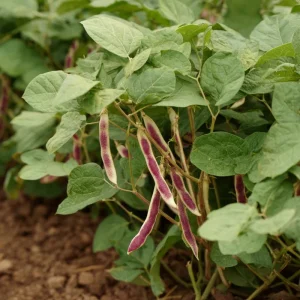
The cranberry bean seeds offer a delightful blend of visual appeal and culinary excellence. Their bush-type growth habit eliminates the need for trellising, simplifying cultivation. Gardeners looking for how to grow cranberry beans will find this variety particularly forgiving, yielding abundant harvests with minimal fuss. The unique coloration of the pods adds an ornamental touch to your garden before harvest. Whether you’re a seasoned gardener or just starting, these seeds promise a bountiful yield of flavorful beans.
Key Benefits
Growing your own cranberry bean seeds comes with a multitude of advantages, from fresh taste to ease of cultivation. These beans are a fantastic addition to any home garden:
- Exceptional Flavor: Enjoy the rich, creamy, and nutty flavor that makes heirloom bush beans like these a culinary favorite. They retain their delicious taste whether fresh or dried.
- Compact Growth Habit: The bush-type growth means no staking or trellising is required, making them perfect for small spaces, raised beds, and container gardening.
- High Productivity: These plants are known for their generous yields, providing a continuous supply of beans throughout the growing season.
- Versatile Culinary Use: Ideal for fresh eating, adding to soups and stews, or drying for long-term storage, offering flexibility in your kitchen.
- Easy to Grow: A great choice for beginner gardeners, these beans are resilient and require minimal specialized care once established, making cranberry bean plant care straightforward.
- Attractive Appearance: The striking red speckled pods add an ornamental element to your garden before they are ready for harvest.
- Heirloom Quality: Preserve genetic diversity and enjoy the authentic taste and characteristics of a time-tested variety that has been passed down through generations.
Plant Care & Growing Tips
Successful cultivation of cranberry bean seeds begins with proper sowing and continues with consistent care. For optimal growth, sow seeds directly outdoors after the last spring frost, ensuring soil temperatures have consistently reached at least 60°F. Plant each seed 1 inch deep and space them approximately 4–6 inches apart within rows. Allow 18–24 inches between rows to ensure adequate air circulation and room for growth. Germination typically occurs within 7–14 days, given favorable conditions. Providing good sunlight and proper air circulation are crucial for robust plant development and maximizing yields of these heirloom bush beans.
Once established, cranberry bean plant care involves meeting their basic needs for sun, water, and well-drained soil. These beans thrive in full sun, requiring at least 6-8 hours of direct sunlight daily. They prefer well-drained, fertile soil that is kept consistently moist, especially during the critical periods of flowering and pod development. Mulching around the base of the plants can significantly help in retaining soil moisture and suppressing weed growth, reducing the need for constant watering and weeding. Harvest pods when they are fully filled but still tender for fresh consumption, or allow the pods to mature and dry on the plant if you intend to store the beans for later use. Understanding how to grow cranberry beans effectively ensures a thriving harvest.
Monitoring your plants for common pests and diseases is also part of good cranberry bean plant care. While generally hardy, vigilance can prevent small issues from becoming larger problems. Ensure adequate spacing to promote air flow, which can help prevent fungal diseases. A balanced organic fertilizer can be applied when plants begin to flower to support pod development, though beans are legumes and can fix some of their own nitrogen. For those interested in speckled bean seeds, these care guidelines apply broadly to ensure a healthy and productive crop.
Size & Details
This offering includes 20 cranberry bean seeds, providing a generous quantity for starting your garden. As a bush-type variety, these beans typically grow to a compact and manageable height, generally reaching about 18-24 inches tall, with a similar spread. They are perfect for gardeners seeking efficient use of space without sacrificing yield. Each seed promises to develop into a productive plant, yielding attractive red speckled pods filled with creamy, nutty beans. The seeds are shipped in a protective packet, ensuring their viability upon arrival and readiness for planting. Expect to see germination within 7-14 days under ideal conditions.
The growth rate of these heirloom bush beans is moderate, with plants typically beginning to produce pods within 60-70 days from sowing. This makes them a reliable choice for gardeners looking for a relatively quick harvest. These beans are annuals, completing their life cycle within one growing season. For those wondering how to grow cranberry beans, the compact size and bush habit make them suitable for a wide range of garden settings, including raised beds and containers, without the need for extensive support structures.
Frequently Asked Questions
- Q: How big do these cranberry bean plants get? A: These cranberry bean seeds grow into compact bush-type plants, typically reaching about 18-24 inches in height and spread. They are well-suited for smaller garden spaces and containers.
- Q: Are these an indoor or outdoor plant? A: Cranberry beans are primarily grown outdoors. They require full sun and warm temperatures to thrive and produce pods.
- Q: How much sunlight do these beans need? A: For optimal growth and yield, cranberry bean seeds require full sun, meaning at least 6-8 hours of direct sunlight per day.
- Q: Is this plant easy to care for? A: Yes, these heirloom bush beans are considered very easy to grow, making them an excellent choice for both novice and experienced gardeners. Cranberry bean plant care is straightforward.
- Q: What condition will the seeds arrive in? A: The cranberry bean seeds will arrive as a packet of 20 viable seeds, carefully packaged to ensure their quality and readiness for planting.
- Q: When is the best time to plant cranberry bean seeds? A: The best time to plant is after the last spring frost, when soil temperatures consistently reach at least 60°F.
- Q: Can I dry these beans for later use? A: Absolutely! These beans are perfect for drying. Allow the pods to fully mature and dry on the plant before harvesting for storage.
- Q: What kind of soil do cranberry beans prefer? A: Cranberry beans thrive in well-drained, fertile soil. Amending your soil with compost can enhance fertility and drainage.
- Q: What are the main uses for these speckled bean seeds? A: These speckled bean seeds produce beans that are excellent for fresh eating, adding to soups and stews, or drying for long-term storage and use in various recipes.
- Q: Do I need to provide support for these bush beans? A: No, as a bush-type variety, these heirloom bush beans do not require staking or trellising, simplifying the cultivation process.
Related products
-48%
Original price was: $28.99.$14.99Current price is: $14.99.
-50%

Original price was: $59.96.$29.98Current price is: $29.98.
-50%
Original price was: $51.96.$25.98Current price is: $25.98.
-50%
Original price was: $17.00.$8.50Current price is: $8.50.
-48%
Original price was: $28.99.$14.99Current price is: $14.99.
-48%
Original price was: $28.99.$14.99Current price is: $14.99.
-50%
Original price was: $15.96.$7.98Current price is: $7.98.
PLANTING & CARE

Growing Glencoe Raspberry: A Complete Guide for Gardeners
If you’re looking to add something unique to your garden, look no further than the
31
Mar
Mar

The Comprehensive Guide to Growing Bay Leaf Plants for a Flavorful Garden
Imagine stepping into your garden, greeted by the earthy aroma of fresh bay leaves, their
09
Feb
Feb

How to Make Comfrey Tea: The Ultimate Organic Plant Food
Growing an organic garden can be surprisingly expensive, especially when most store-bought fertilizers come in
02
Feb
Feb

True Comfrey: 7 Essential Tips Before You Plant This Herb
A staple in permaculture practices across the US, True Comfrey easily earns its reputation as
27
Jan
Jan

7 Heart-Shaped Plants for a Lasting Valentine’s Gift
If you’ve ever bought a bouquet of roses for Valentine’s Day, you know they are
26
Jan
Jan

Best Types of Ivy Plant for Houses: How to Choose the Perfect Ones for Your Home
Are you a garden lover looking to introduce some greenery into your home? Maybe you’ve
14
Nov
Nov

When to Harvest Garlic (Especially Fall-Planted Garlic)
TIMING IS EVERYTHING, they say – and for garlic, that truth hits with surprising accuracy.
13
Nov
Nov

11 of the Best Sweet Potato Varieties to Grow for Your Garden
If you’ve ever tried growing sweet potatoes, you know that picking the right variety can
12
Nov
Nov