Lemon Balm Seeds – Melissa officinalis – 150 Count – Fragrant Culinary & Tea Herb
-63%
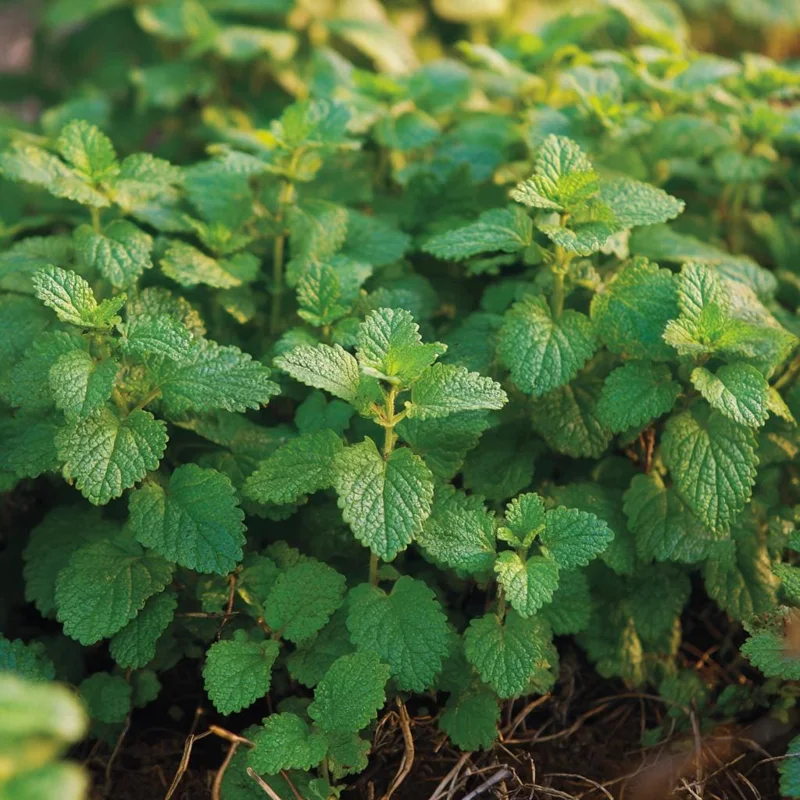
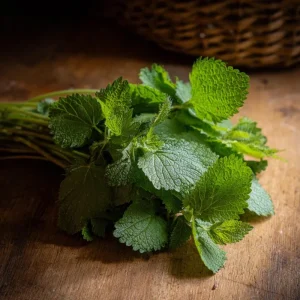
Lemon Balm Seeds – Melissa officinalis – 150 Count – Fragrant Culinary & Tea Herb
Cultivate your own soothing garden with lemon balm seeds. These Melissa officinalis seeds yield a fragrant herb, ideal for teas, culinary delights, and attracting beneficial pollinators. Easy to grow and a wonderful addition to any herb garden.
Original price was: $31.99.$11.99Current price is: $11.99.

With our Alive & Thrive Guarantee, we’ve got your back for the first 30 days! If you have any concerns about your plants, just reach out to us. Our team is here to help answer your questions and guide you in selecting the best plants for your garden, climate, and unique preferences. We're excited to help you create the garden of your dreams!
Estimated arrival
Apr 12
Apr 17 - Apr 19
Apr 22 - Apr 26

Product Details
-
USDA Hardiness Zone
4-9 -
Soil type
Rich, well-draining soil -
Sunlight Exposure
Full sun to partial shade -
Expected Planting Period
Spring to early summer
Overview
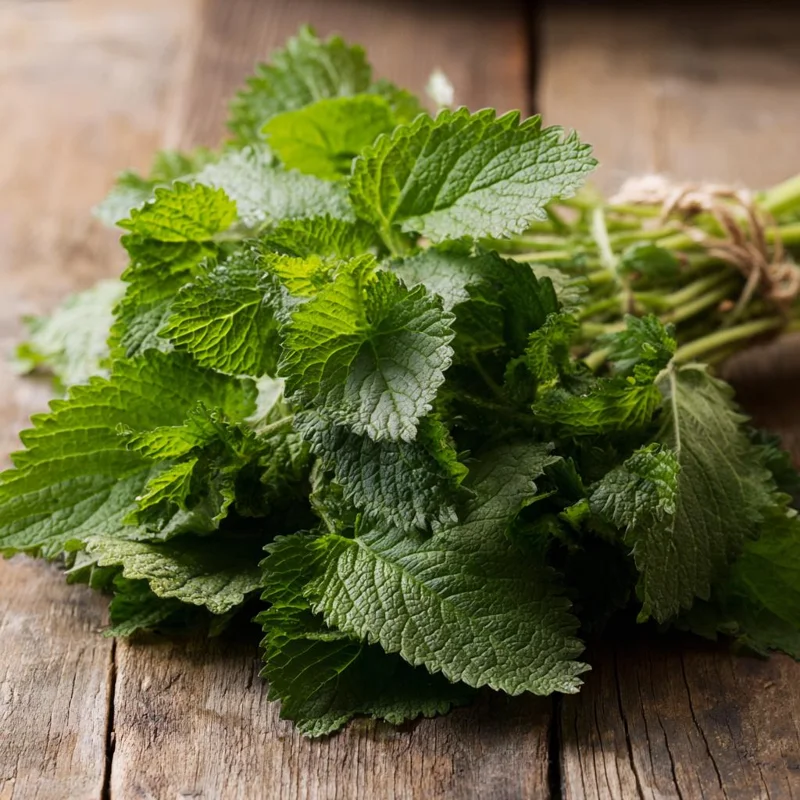
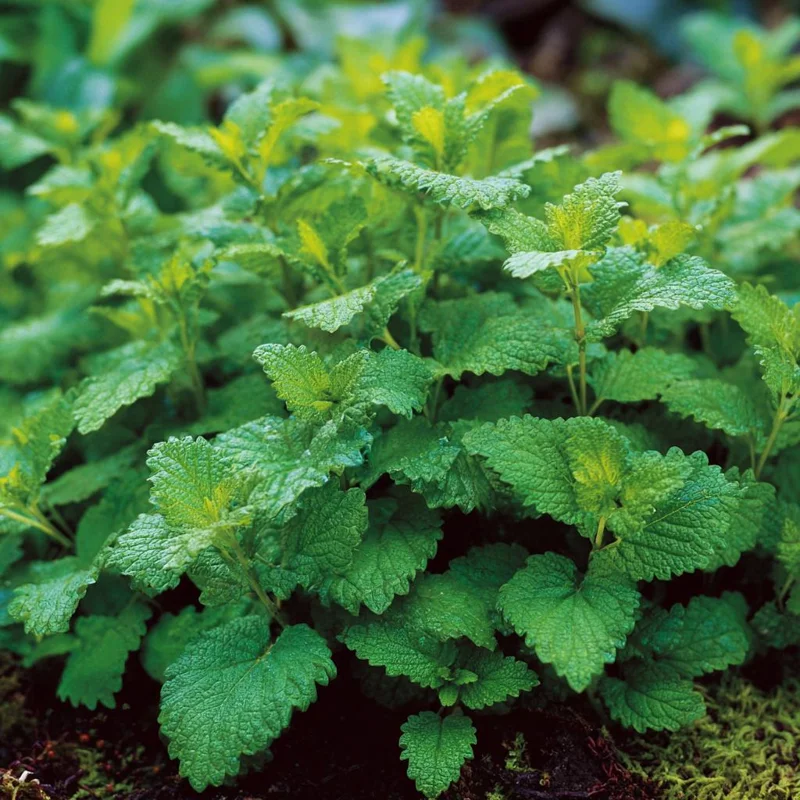
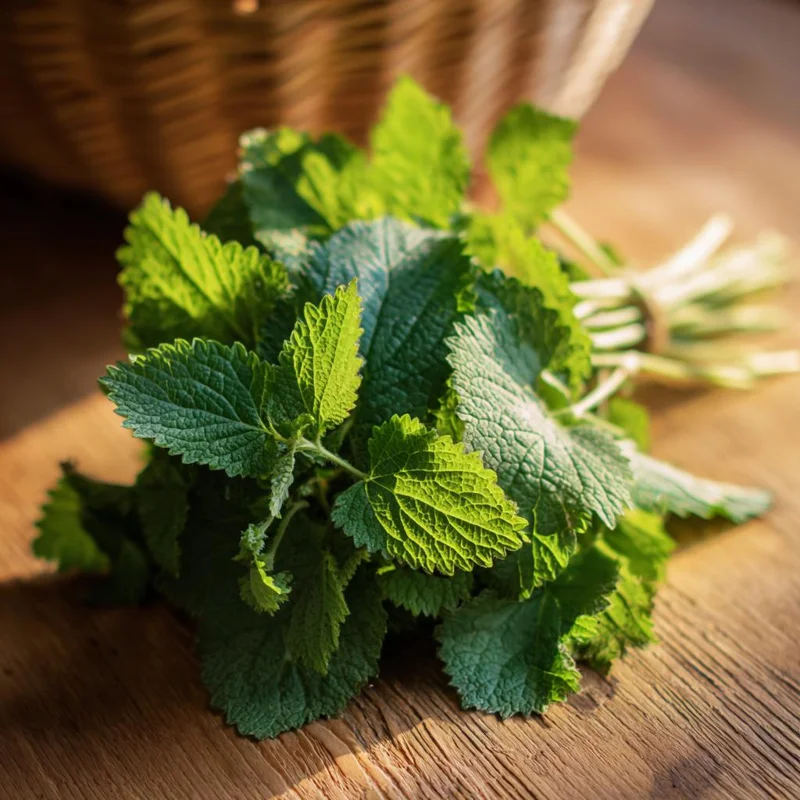
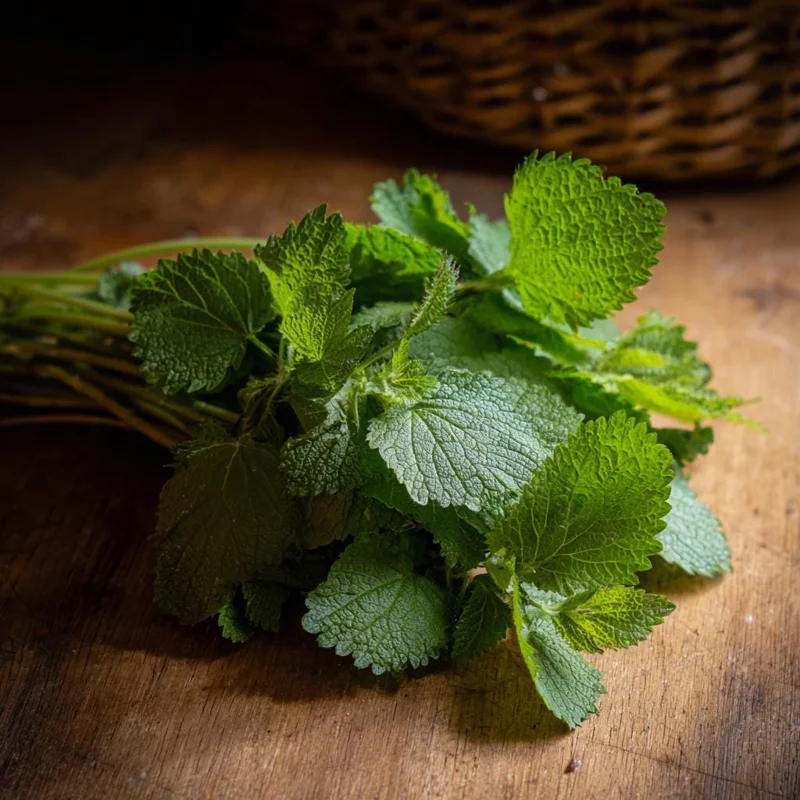
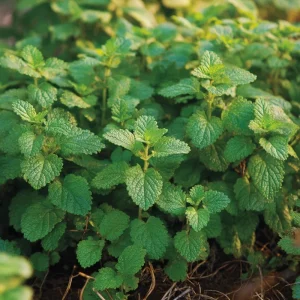
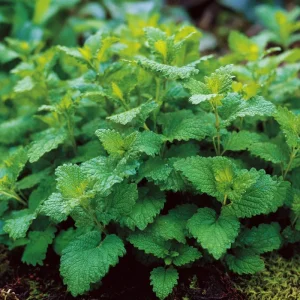
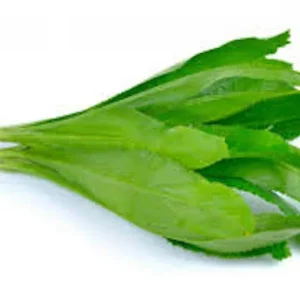
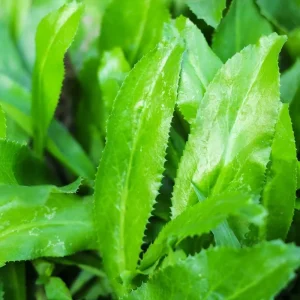
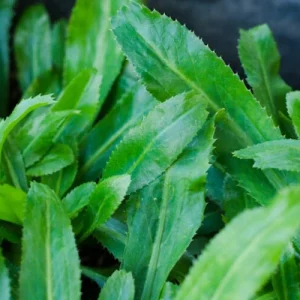
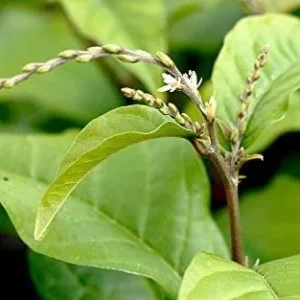
Embark on a delightful gardening journey with these premium lemon balm seeds. Melissa officinalis, commonly known as lemon balm, is a cherished heirloom herb belonging to the mint family, celebrated for its distinct lemon fragrance and calming attributes. These melissa officinalis seeds offer the opportunity to cultivate a lush, perennial herb whose heart-shaped leaves release a refreshing citrus aroma when gently brushed. Not only is it perfect for crafting soothing teas and enhancing culinary dishes, but lemon balm also serves as an excellent choice for aromatherapy. Historically, this herb has been valued for its ability to reduce stress, support restful sleep, and its remarkable appeal to pollinators like bees and butterflies. Growing your own lemon balm seeds allows you to experience the beauty and utility of this versatile plant, which thrives in various garden settings, from dedicated herb beds to containers.
Key Benefits
Growing lemon balm from seed offers a multitude of advantages for both the experienced gardener and the novice. This adaptable herb provides both aesthetic appeal and practical uses, making it a valuable addition to any garden or home. Enjoy the rich benefits of cultivating your own fragrant lemon balm.
- Soothing Aroma & Flavor: The leaves of the lemon balm plant emit a refreshing lemon scent and flavor, making them perfect for brewing calming herbal teas, infusing beverages, and adding a citrusy note to various culinary creations, from salads to desserts.
- Attracts Pollinators: Lemon balm is a magnet for beneficial insects, particularly bees and butterflies, contributing to a healthier garden ecosystem and supporting local pollinator populations. This makes it an excellent choice for a pollinator garden.
- Stress Reduction & Sleep Aid: Traditionally used for its calming properties, lemon balm is known to help alleviate stress, reduce anxiety, and promote more restful sleep, making it a natural remedy for relaxation.
- Easy to Grow Perennial: As a hardy perennial herb, lemon balm is relatively low-maintenance once established. It returns year after year in suitable climates, providing a continuous supply of fresh leaves without the need for annual replanting.
- Versatile Garden Use: Whether planted in herb gardens, mixed borders, or containers, lemon balm adapts well to various environments. Its attractive foliage adds visual interest, while its practical uses make it a dual-purpose plant.
- Culinary & Medicinal Applications: Beyond teas, fresh or dried lemon balm leaves can be used in a wide range of dishes, from pestos to marinades, and are valued in traditional medicine for their digestive and antiviral properties.
- Supports Biodiversity: By providing nectar and habitat for pollinators, cultivating lemon balm seeds helps increase the biodiversity of your garden, fostering a vibrant and thriving outdoor space.
Plant Care & Growing Tips
Successfully growing lemon balm seeds begins with proper sowing and continues with consistent care. For best results, sow seeds indoors 6–8 weeks before the last expected frost date in your area, or directly outdoors once the danger of frost has passed. When sowing, gently press the tiny melissa officinalis seeds onto the surface of the soil; they require light to germinate, so avoid burying them deeply. Maintain consistent soil moisture and a temperature between 65–70°F (18–21°C). Germination typically occurs within 10–21 days, revealing delicate seedlings. Once seedlings develop 3–4 true leaves, they are ready for transplanting outdoors, spaced 12–18 inches apart in well-drained soil.
Lemon balm thrives in locations offering full sun to partial shade, and prefers rich, well-drained soil. While it appreciates consistent moisture, particularly during dry spells, it is crucial to avoid waterlogging the roots. To encourage a bushier growth habit and prevent premature flowering, pinch back the growing tips regularly. Harvesting can be done throughout the growing season, with the best time being in the morning when the essential oil concentration in the leaves is at its peak. As a perennial, lemon balm is hardy in USDA zones 4–9. In colder climates, mulching the roots during winter can help ensure its return in the spring. Understanding how to grow lemon balm successfully will provide you with a bountiful harvest of this aromatic herb.
Size & Details
This offering includes 150 lemon balm seeds, providing an abundant supply for establishing a thriving herb patch or multiple container plants. Each seed has the potential to grow into a robust lemon balm plant, typically reaching a height of 18-24 inches and a similar spread, forming an attractive, bushy mound. Lemon balm is known for its moderate to fast growth rate, and under optimal conditions, you can expect to begin harvesting leaves within 60-90 days from planting. The plants are shipped as dry seeds in a protective packet, ensuring viability upon arrival. With proper care, these melissa officinalis seeds will mature into productive plants that can be continuously harvested throughout the growing season, offering fresh leaves for your culinary and aromatic needs for many years.
Frequently Asked Questions
- Q: How big does a lemon balm plant get? A: A mature lemon balm plant typically grows to about 18-24 inches tall and can spread equally wide, forming a bushy, rounded shape. Its size can be managed with regular trimming and harvesting.
- Q: Is this an indoor or outdoor plant? A: While lemon balm thrives outdoors in full sun to partial shade, it can also be grown indoors in a bright, sunny window. However, it generally performs best and grows larger when planted directly in the garden.
- Q: How much sunlight does lemon balm need? A: Lemon balm prefers a location with full sun (at least 6 hours of direct sunlight) to partial shade (3-6 hours of direct sunlight). More sun generally leads to a stronger aroma and flavor in the leaves.
- Q: Is this plant easy to care for? A: Yes, lemon balm is considered a very easy-to-care-for herb, making it an excellent choice for beginner gardeners. It’s forgiving of various conditions and quite resilient once established. Knowing how to grow lemon balm is straightforward.
- Q: What condition will the seeds arrive in? A: The product consists of 150 lemon balm seeds, which will arrive as dry, viable seeds in a protective packet, ready for planting according to the provided instructions.
- Q: Can I use lemon balm in cooking? A: Absolutely! Lemon balm is a versatile culinary herb. Its leaves can be used fresh or dried to add a lemony flavor to teas, salads, desserts, chicken, fish, and various beverages. It’s a key component for many who are learning how to grow lemon balm for culinary purposes.
- Q: How long until lemon balm seeds germinate? A: With optimal soil moisture and temperature (65–70°F or 18–21°C), lemon balm seeds typically germinate within 10-21 days after sowing.
- Q: Will lemon balm survive winter in my zone? A: Lemon balm is a hardy perennial in USDA zones 4-9. In colder zones (4-5), it benefits from a layer of mulch over the roots in winter to protect it from harsh freezes, ensuring it returns in spring.
- Q: Is lemon balm good for attracting beneficial insects? A: Yes, lemon balm is highly attractive to pollinators, especially bees and butterflies, making it a great addition to any garden looking to support local insect populations.
- Q: What type of soil does lemon balm prefer? A: Lemon balm prefers rich, well-draining soil. It can tolerate a range of soil types but will thrive in soil amended with organic matter. Proper drainage is key to prevent root rot.
Related products

-50%
From Original price was: $64.00.$32.00Current price is: $32.00.
-50%
Original price was: $32.00.$16.00Current price is: $16.00.
-50%
From Original price was: $64.00.$32.00Current price is: $32.00.
PLANTING & CARE

Growing Glencoe Raspberry: A Complete Guide for Gardeners
If you’re looking to add something unique to your garden, look no further than the
31
Mar
Mar

The Comprehensive Guide to Growing Bay Leaf Plants for a Flavorful Garden
Imagine stepping into your garden, greeted by the earthy aroma of fresh bay leaves, their
09
Feb
Feb

How to Make Comfrey Tea: The Ultimate Organic Plant Food
Growing an organic garden can be surprisingly expensive, especially when most store-bought fertilizers come in
02
Feb
Feb

True Comfrey: 7 Essential Tips Before You Plant This Herb
A staple in permaculture practices across the US, True Comfrey easily earns its reputation as
27
Jan
Jan

7 Heart-Shaped Plants for a Lasting Valentine’s Gift
If you’ve ever bought a bouquet of roses for Valentine’s Day, you know they are
26
Jan
Jan

Best Types of Ivy Plant for Houses: How to Choose the Perfect Ones for Your Home
Are you a garden lover looking to introduce some greenery into your home? Maybe you’ve
14
Nov
Nov

When to Harvest Garlic (Especially Fall-Planted Garlic)
TIMING IS EVERYTHING, they say – and for garlic, that truth hits with surprising accuracy.
13
Nov
Nov

11 of the Best Sweet Potato Varieties to Grow for Your Garden
If you’ve ever tried growing sweet potatoes, you know that picking the right variety can
12
Nov
Nov