Celestial Fig – 4 to 6 Inc Tall



Celestial Fig – 4 to 6 Inc Tall
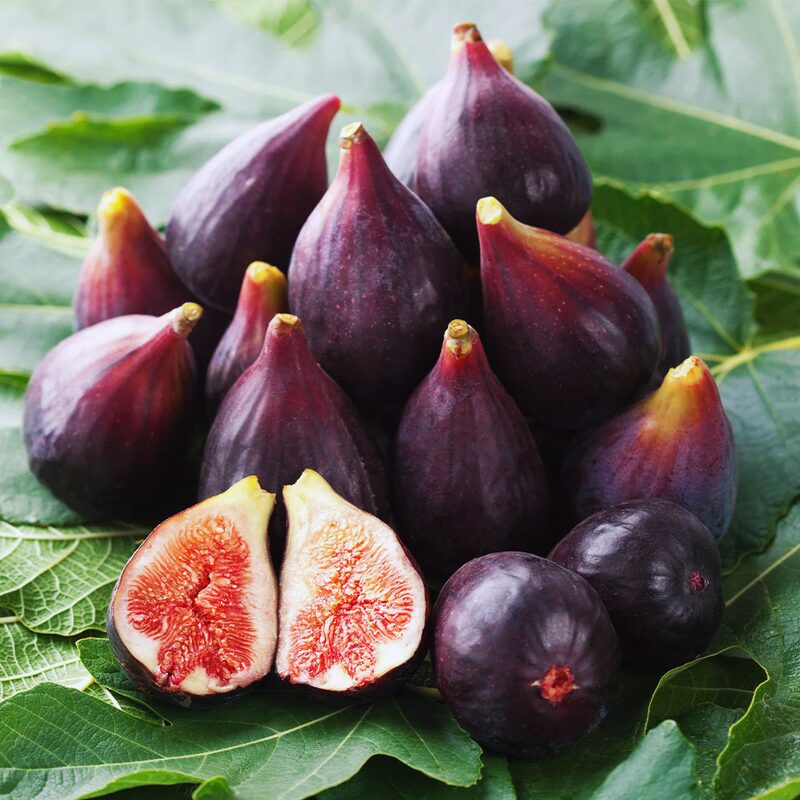
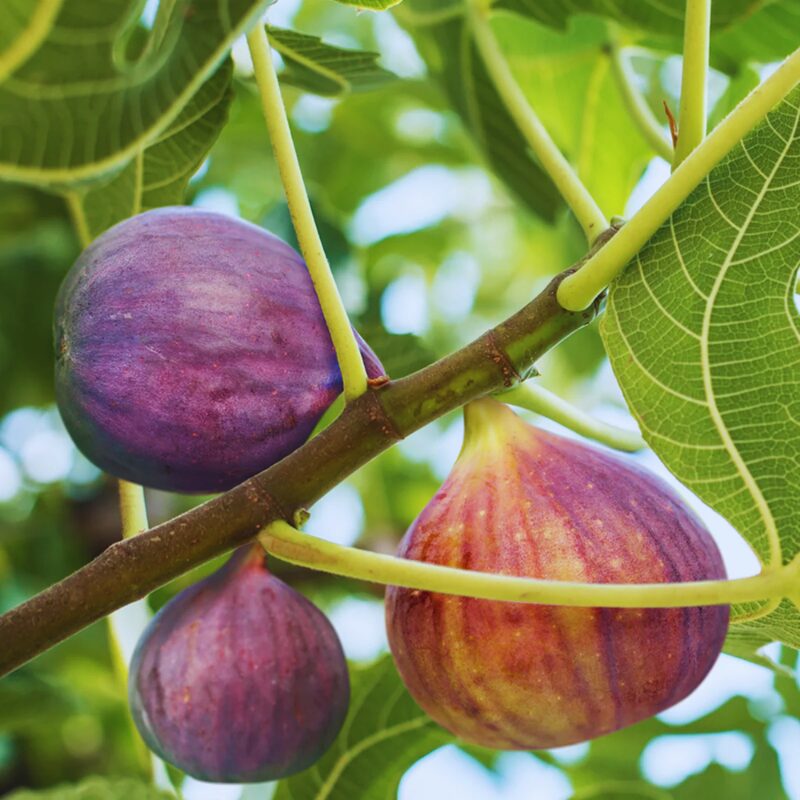
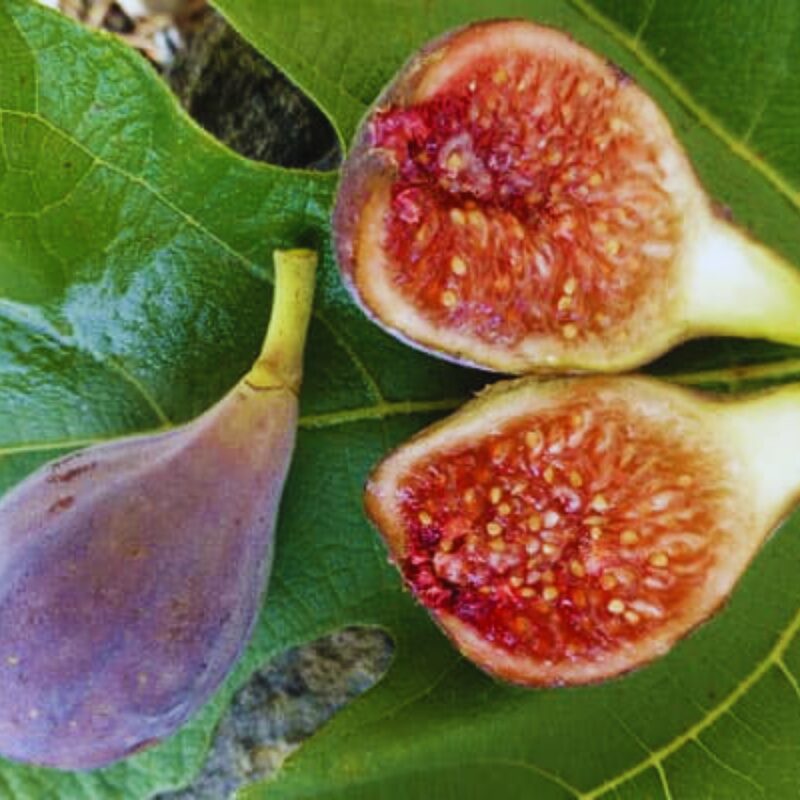
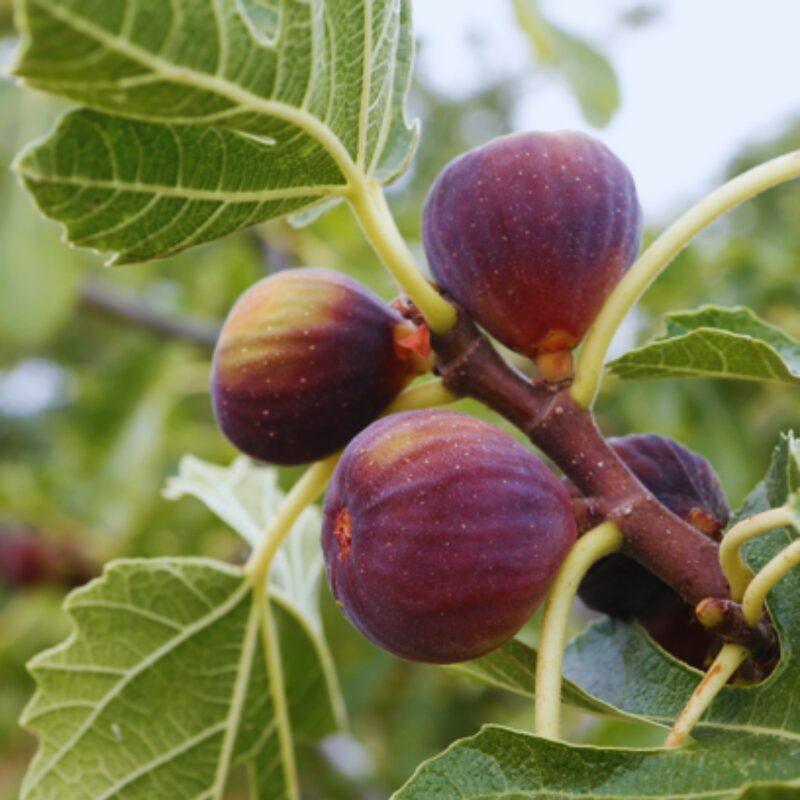
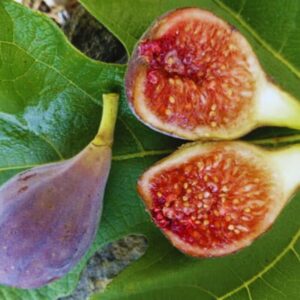
The Celestial Fig Tree is known for its high yields and cold tolerance, making it ideal for Gulf Coast gardens.
$99.99

With our Alive & Thrive Guarantee, we’ve got your back for the first 30 days! If you have any concerns about your plants, just reach out to us. Our team is here to help answer your questions and guide you in selecting the best plants for your garden, climate, and unique preferences. We're excited to help you create the garden of your dreams!



Product Details
-
USDA Hardiness Zone
6-10 -
Soil type
Well-draining, enriched with organic matter -
Sunlight Exposure
Full sun, 6-8 hours daily -
Expected Planting Period
Spring to early summer -
No Shipping To
CA
Discover the Celestial Fig Tree
The Celestial Fig is a remarkable fruit tree cherished by gardeners in the Gulf Coast region. Known for its excellent quality and high yields, this tree thrives in conditions that challenge many other varieties. With a height of 4 to 6 inches, it is perfect for both small and large gardens alike.
What sets the Celestial Fig apart is its cold tolerance. This tree can withstand temperatures that dip into the single digits, making it a reliable choice for gardeners in variable climates. By planting this fig tree, you can enjoy fresh figs even in cooler months.
When choosing the right spot for your Celestial Fig, consider its sunlight exposure. Ideally, it thrives in full sun, requiring at least 6-8 hours of direct sunlight daily. This ensures optimal growth and fruit production.
To achieve the best results, plant your Celestial Fig in well-draining soil enriched with organic matter. This will promote healthy root development and enhance fruit quality. Regular watering, especially during dry spells, will help maintain moisture levels.
Here are some benefits of growing the Celestial Fig Tree:
- High yields of sweet, delicious figs
- Resilience in colder climates
- Minimal care requirements once established
- Perfect for home gardens and orchards
- Attractive foliage that enhances garden aesthetics
Frequently Asked Questions
What is the ideal USDA zone for the Celestial Fig Tree?
The Celestial Fig thrives in USDA zones 7-9, making it perfect for regions with mild to cold winters.
Can the Celestial Fig Tree survive in colder temperatures?
Yes, this tree can withstand temperatures as low as 10-15°F (-12 to -9°C), making it ideal for colder climates.
What type of soil is best for planting?
Plant in well-draining, loamy soil enriched with organic matter to promote healthy growth and fruit production.
How much sunlight does the Celestial Fig Tree need?
The Celestial Fig needs at least 6-8 hours of direct sunlight each day for optimal growth and fruiting.
When is the best time to plant a Celestial Fig?
Spring or early fall is the best time to plant, allowing the tree to establish roots before extreme temperatures.
Related products

From $15.99

From $129.99

From $36.99

From $29.99


From $23.99


$126.99

From $21.99
PLANTING & CARE
Best Types of Ivy Plant for Houses: How to Choose the Perfect Ones for Your Home
Are you a garden lover looking to introduce some greenery into your home? Maybe you’ve
14
Nov
Nov
When to Harvest Garlic (Especially Fall-Planted Garlic)
TIMING IS EVERYTHING, they say – and for garlic, that truth hits with surprising accuracy.
13
Nov
Nov

11 of the Best Sweet Potato Varieties to Grow for Your Garden
If you’ve ever tried growing sweet potatoes, you know that picking the right variety can
12
Nov
Nov

The Comprehensive Guide to Growing Bay Leaf Plants for a Flavorful Garden
Imagine stepping into your garden, greeted by the earthy aroma of fresh bay leaves, their
10
Nov
Nov

Pruning Bougainvillea for Winter
Bougainvillea vines are known for their dazzling display of magenta, orange, and fuchsia bracts that
05
Nov
Nov

The Comprehensive Guide to Growing Clerodendrum Wallichii for a Stunning Garden
Imagine walking into a garden where delicate white flowers hang from graceful branches, their petals
03
Nov
Nov

8 Mistakes to Avoid When Planting Garlic That 90% of Gardeners Make
Planting garlic can be a rewarding experience, but many gardeners, especially beginners, end up making
29
Oct
Oct
Garlic Varieties: Everything You Need to Know Before Choosing the Right Type to Grow
If you’ve ever tried growing garlic, you know that choosing the right variety can make
28
Oct
Oct