
15 Russian Comfrey Bocking 14 Roots – Comfrey Plants Roots – Comfrey Herb Plants – No Plant


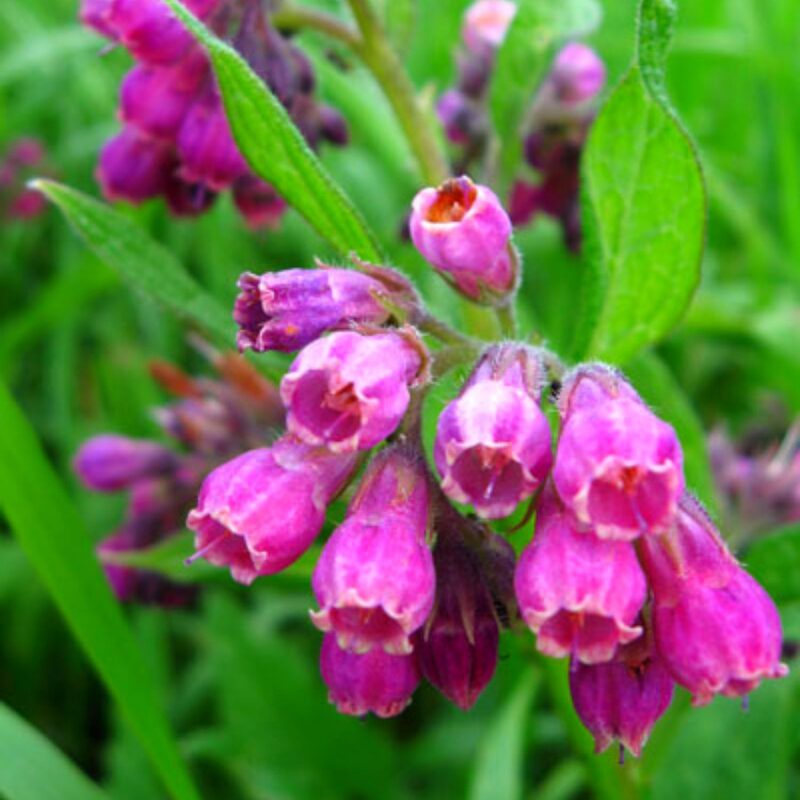


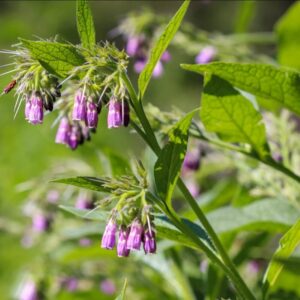

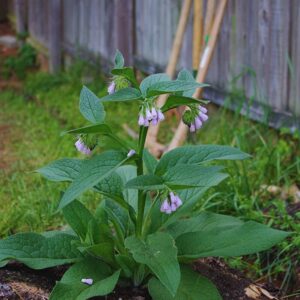
15 Russian Comfrey Bocking 14 Roots – Comfrey Plants Roots – Comfrey Herb Plants – No Plant
Growing Tips:
- Plant in full sun to partial shade.
- Water when the top 2 inches are dry.
You will receive 15 roots from 2 to 3 inches tall.
$33.99

With our Alive & Thrive Guarantee, we’ve got your back for the first 30 days! If you have any concerns about your plants, just reach out to us. Our team is here to help answer your questions and guide you in selecting the best plants for your garden, climate, and unique preferences. We're excited to help you create the garden of your dreams!







Product Details
-
USDA Hardiness Zone
3-9 -
Soil type
Moist, well-drained, nutrient-rich soil -
Sunlight Exposure
Partial shade to full sun -
Expected Planting Period
Early spring or fall
15 Russian Comfrey Bocking 14 Roots – Ideal for Organic Gardening
15 Russian Comfrey Bocking 14 Roots are an excellent addition to any garden, known for their ability to improve soil health and provide nutrient-rich leaves. These herbaceous perennial plants thrive in moist, well-drained soil and can grow up to 3-4 feet tall. Hardy in USDA zones 3-9, they are perfect for gardeners looking for a resilient and beneficial plant.
With their deep taproots, these comfrey plants aerate the soil while drawing nutrients to the surface, making them invaluable for soil improvement. The nutrient-rich leaves can be used for composting, adding essential potassium and nitrogen to your garden. Furthermore, they are excellent for creating natural fertilizers, such as comfrey tea, ideal for organic gardening enthusiasts.
These roots will arrive as live dormant plants, ready for planting in early spring or fall. Plant them at a depth of 2-3 inches in well-prepared soil, and ensure they receive adequate moisture. Although you can harvest leaves within the first growing season, it’s best to do so sparingly in the first year to allow root systems to establish.
As a thoughtful gift for garden enthusiasts, these comfrey roots offer a meaningful way to contribute to sustainable gardening practices. They are non-invasive, ensuring that your garden remains manageable while providing a reliable source of nutrients.
FAQs:
- What makes Russian Comfrey Bocking 14 unique? This sterile hybrid variety doesn’t self-seed, making it easy to manage in your garden.
- How should I plant these roots? Plant the roots horizontally, about 2-3 inches deep in well-prepared soil. Water thoroughly after planting.
- How soon can I harvest the leaves? Leaves can be harvested within the first growing season, typically 6-8 weeks after planting.
- Can this comfrey be grown in containers? Yes, Russian Comfrey adapts well to large pots with proper soil and drainage.
- Is it safe for animals? While the leaves are nutritious, consult a vet before adding them to your livestock’s diet.
Related products
-25%

From Original price was: $21.29.$15.99Current price is: $15.99.
-10%

Original price was: $29.99.$26.99Current price is: $26.99.


$23.99
From $9.99


$22.99
-15%


From Original price was: $29.99.$28.99Current price is: $28.99.
$34.99
PLANTING & CARE
Best Types of Ivy Plant for Houses: How to Choose the Perfect Ones for Your Home
Are you a garden lover looking to introduce some greenery into your home? Maybe you’ve
14
Nov
Nov
When to Harvest Garlic (Especially Fall-Planted Garlic)
TIMING IS EVERYTHING, they say – and for garlic, that truth hits with surprising accuracy.
13
Nov
Nov

11 of the Best Sweet Potato Varieties to Grow for Your Garden
If you’ve ever tried growing sweet potatoes, you know that picking the right variety can
12
Nov
Nov

The Comprehensive Guide to Growing Bay Leaf Plants for a Flavorful Garden
Imagine stepping into your garden, greeted by the earthy aroma of fresh bay leaves, their
10
Nov
Nov

Pruning Bougainvillea for Winter
Bougainvillea vines are known for their dazzling display of magenta, orange, and fuchsia bracts that
05
Nov
Nov

The Comprehensive Guide to Growing Clerodendrum Wallichii for a Stunning Garden
Imagine walking into a garden where delicate white flowers hang from graceful branches, their petals
03
Nov
Nov

8 Mistakes to Avoid When Planting Garlic That 90% of Gardeners Make
Planting garlic can be a rewarding experience, but many gardeners, especially beginners, end up making
29
Oct
Oct
Garlic Varieties: Everything You Need to Know Before Choosing the Right Type to Grow
If you’ve ever tried growing garlic, you know that choosing the right variety can make
28
Oct
Oct


