
Noticing your culantro plant suddenly sending up tall flower stalks? While it may look like a natural stage of growth, flowering, also known as bolting, can change the flavor and quality of your harvest. Culantro (Eryngium foetidum) is prized for its long, aromatic leaves, but once it begins to flower, the plant often shifts its energy away from leaf production.
Understanding why your culantro is flowering is key to managing its growth and preserving its strong, signature flavor. Factors like heat, daylight changes, and plant maturity all play a role in triggering this process, and knowing how to respond can help you extend your harvest or make the most of the plant’s life cycle.
So why does culantro bolt, and what can you do about it? Read on to learn more about culantro bolting and how to slow it down.
Read more: The Ultimate Guide for You to Grow Your Culantro Plant at Home
Why Does Culantro Bolt?
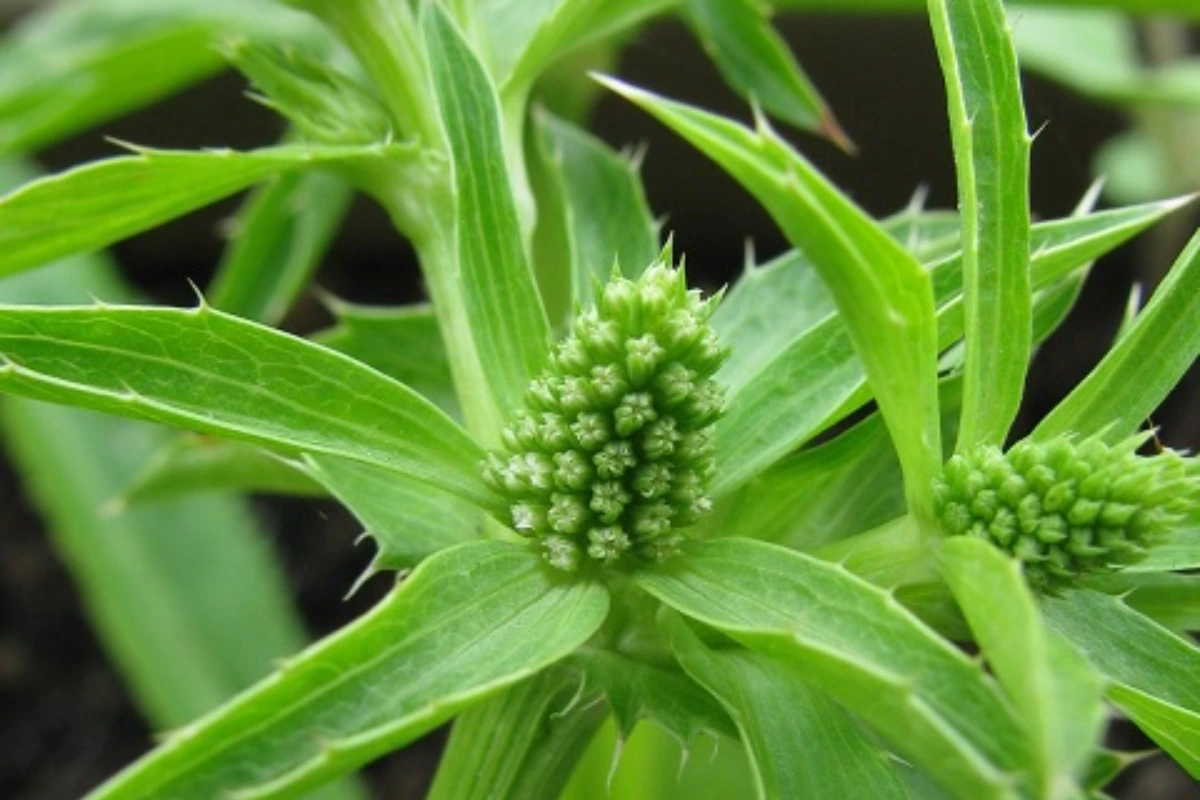
Once temperatures rise above 80°F (27°C), the plant responds by producing a tall flower stalk. This is a survival mechanism, as culantro naturally goes to seed to ensure the next generation of plants.
Fun fact: Unlike cilantro, culantro has a much stronger aroma and flavor. Though bolting affects the leaves’ texture, the flowers and seeds are still useful in cooking!
How to Prevent Culantro from Bolting Too Soon
While bolting is inevitable, you can take steps to delay the process and extend your culantro harvest.
1. Keep It Cool
Culantro thrives in warm but not extreme conditions, ideally between 70–80°F (21–27°C). Excessive heat is one of the main triggers for bolting. If growing outdoors, choose a location with protection from harsh afternoon sun. Indoors, place your plant in a well-ventilated area with stable temperatures.
2. Provide Partial Shade
Unlike many sun-loving herbs, culantro prefers filtered or indirect light. Aim for about 4–6 hours of gentle sunlight daily. In outdoor gardens, planting near taller crops or using a shade cloth can reduce stress caused by intense sun exposure.
3. Water Regularly, but Don’t Overdo It
Like many herbs, culantro bolts quickly if it experiences drought stress. Keep the soil consistently moist but not soggy. Water deeply when the top inch of soil feels dry, and ensure your container or garden bed has proper drainage.
4. Harvest Often
Regular harvesting encourages the plant to focus on leaf production rather than flowering. Trim the outer leaves often, allowing the center to continue growing. If you notice flower stalks beginning to form, remove them promptly to redirect energy back into foliage.
5. Choose Slow-Bolting Varieties
Some culantro varieties are more resistant to heat and slow to bolt. If you live in a warm climate, look for heat-tolerant cultivars when buying seeds.
6. Try Succession Planting
Even with the best care, culantro will eventually bolt. To ensure a continuous supply of fresh leaves, plant new seeds every few weeks throughout the growing season.
What to Do Once Culantro Bolts
Bolted culantro may not be as tender, but that doesn’t mean it’s useless!
-
Use the Flowers & Seeds – The flower heads produce small seeds that can be collected, dried, and used to grow new plants. Some gardeners also grind them as a spice.
-
Let It Attract Pollinators – If you have a garden, leaving some culantro plants to flower can attract beneficial insects like bees and butterflies.
-
Save the Tough Leaves for Cooking – Older leaves become more fibrous and intense in flavor. While they may not be ideal for fresh dishes, they can still be used in slow-cooked soups and stews.
Frequently Asked Questions (FAQs)
Is culantro still edible after bolting?
Yes! The leaves become tougher and more pungent, but they are still edible. Try using them in cooked dishes rather than fresh salads.
Can you stop culantro from bolting?
You can delay bolting by keeping the plant cool, providing shade, and harvesting frequently. However, once it reaches maturity, bolting is a natural part of its lifecycle.
How do you collect culantro seeds?
Allow the flowers to dry on the plant, then collect culantro seed heads before they disperse naturally. Store them in a cool, dry place for future planting.
What Can You Do with Culantro That Has Bolted?
When culantro bolts, it produces tall flower stalks with small, spiky blooms that attract pollinators like bees and butterflies. While the leaves become tougher and less flavorful, the plant can still be useful. You can let it go to seed and collect them for replanting or culinary use. To save the seeds, allow the seed heads to mature, then dry them indoors on newspaper or in a dehydrator before storing them in an airtight container.
Is Culantro Still Good After Bolting?
Yes, but the leaves become tougher and more bitter. While they may not be as enjoyable fresh, they can still be used in cooking where strong flavors mellow out, such as in soups, stews, and braised dishes.
How Do You Prune Bolted Culantro?
If culantro starts bolting, you can delay the process by cutting off the flower stalks as soon as they appear using clean, sharp garden shears. However, once the plant has fully bolted, pruning won’t restore its tender leaves. At that point, you can either let it go to seed for future planting or remove it and use the remaining leaves for cooking.
Can You Regrow Culantro After It Bolts?
Culantro is a biennial plant, meaning it completes its life cycle in two years. Once it bolts and produces seeds, the original plant won’t grow back, but you can collect the seeds and replant them for a new crop. Growing culantro in succession—sowing seeds every few weeks—ensures a steady supply.
What’s the Best Way to Prevent Culantro from Bolting?
Culantro thrives in warm, humid environments but bolts quickly in extreme heat. To slow bolting, grow it in partial shade, keep the soil moist, and trim leaves regularly to encourage vegetative growth. Providing consistent moisture and planting in cooler seasons can also help extend its lifespan.
Are Culantro Flowers Edible?
Yes! Culantro flowers have a milder flavor than the leaves and can be used as a garnish for dishes like soups, salads, and stir-fries. They also attract beneficial pollinators to your garden, making them both useful and beautiful.
While culantro bolting is inevitable, proper care can help you extend the growing season and get the most out of your plants. Whether you’re harvesting fresh leaves or saving seeds for next season, understanding how culantro grows will make you a more successful gardener.
Want more herb-growing tips? Visit our website for expert advice, troubleshooting hacks, and more!
