Mixed Pompon Dahlias Flower Bulbs – Assorted Colors for Garden Planting
-57%


Mixed Pompon Dahlias Flower Bulbs – Assorted Colors for Garden Planting
Add a touch of vibrant color to your garden with these Mixed Pompon Dahlias. Enjoy a delightful mix of blooms on compact plants. Perfect for borders and containers!
Original price was: $68.99.$29.99Current price is: $29.99.

With our Alive & Thrive Guarantee, we’ve got your back for the first 30 days! If you have any concerns about your plants, just reach out to us. Our team is here to help answer your questions and guide you in selecting the best plants for your garden, climate, and unique preferences. We're excited to help you create the garden of your dreams!







Product Details
-
USDA Hardiness Zone
8-11 -
Soil type
Well-drained -
Sunlight Exposure
Full Sun -
Expected Planting Period
Spring
Add a Burst of Color with Mixed Pompon Dahlias
These Mixed Pompon Dahlias are a must-have for any garden enthusiast looking to add a splash of vibrant color. This mix features a delightful assortment of pompon-shaped blooms, each one a unique and eye-catching addition to your outdoor space. These dahlias are perfect for borders, containers, and cut flower arrangements, bringing beauty and charm to your garden and home.
These dahlias offer a long blooming season, ensuring your garden is filled with color from summer through fall. Their compact size makes them ideal for smaller gardens or planting in pots on patios and balconies. The diverse color range, from bright reds and oranges to soft pinks and yellows, creates a visually stunning display.
Key Benefits:
- Long Blooming Season: Enjoy beautiful blooms from summer to fall.
- Compact Size: Perfect for gardens of all sizes, including containers.
- Variety of Colors: A vibrant mix of colors to brighten your garden.
- Easy to Grow: Suitable for gardeners of all skill levels.
- Excellent Cut Flowers: Bring the beauty of your garden indoors.
Planting Mixed Pompon Dahlias is easy. Choose a sunny location with well-drained soil. Plant the bulbs in spring after the last frost, and water regularly throughout the growing season. With minimal care, you’ll be rewarded with a stunning display of colorful blooms. Consider supporting taller plants to prevent stems from bending under the weight of the flowers. Regular deadheading will also encourage more blooms.
Frequently Asked Questions:
- How tall do Mixed Pompon Dahlias grow? These dahlias typically reach a height of 18-24 inches.
- When is the best time to plant dahlia bulbs? Plant dahlia bulbs in the spring after the last frost in your area.
- How much sunlight do dahlias need? Dahlias thrive in full sun, requiring at least 6 hours of direct sunlight per day.
- What type of soil is best for dahlias? Dahlias prefer well-drained soil that is rich in organic matter.
- How often should I water my dahlia plants? Water regularly, especially during dry periods, to keep the soil consistently moist but not waterlogged.
Related products
-15%


From Original price was: $29.99.$28.99Current price is: $28.99.


From $16.99
-25%

From Original price was: $21.29.$15.99Current price is: $15.99.


From $29.99


From $11.99
From $22.99
PLANTING & CARE
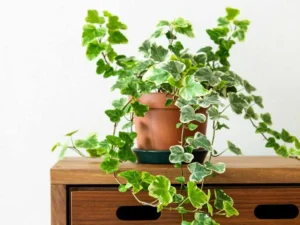
Best Types of Ivy Plant for Houses: How to Choose the Perfect Ones for Your Home
Are you a garden lover looking to introduce some greenery into your home? Maybe you’ve
14
Nov
Nov
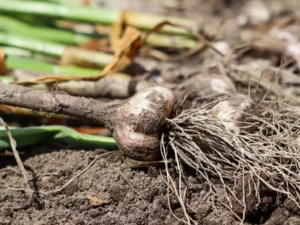
When to Harvest Garlic (Especially Fall-Planted Garlic)
TIMING IS EVERYTHING, they say – and for garlic, that truth hits with surprising accuracy.
13
Nov
Nov

11 of the Best Sweet Potato Varieties to Grow for Your Garden
If you’ve ever tried growing sweet potatoes, you know that picking the right variety can
12
Nov
Nov

The Comprehensive Guide to Growing Bay Leaf Plants for a Flavorful Garden
Imagine stepping into your garden, greeted by the earthy aroma of fresh bay leaves, their
10
Nov
Nov

Pruning Bougainvillea for Winter
Bougainvillea vines are known for their dazzling display of magenta, orange, and fuchsia bracts that
05
Nov
Nov

The Comprehensive Guide to Growing Clerodendrum Wallichii for a Stunning Garden
Imagine walking into a garden where delicate white flowers hang from graceful branches, their petals
03
Nov
Nov

8 Mistakes to Avoid When Planting Garlic That 90% of Gardeners Make
Planting garlic can be a rewarding experience, but many gardeners, especially beginners, end up making
29
Oct
Oct
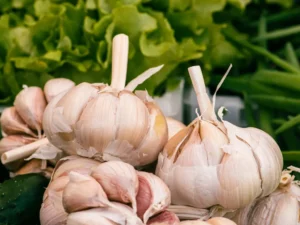
Garlic Varieties: Everything You Need to Know Before Choosing the Right Type to Grow
If you’ve ever tried growing garlic, you know that choosing the right variety can make
28
Oct
Oct


